Trip to Alaska – July-Aug 2014: Juneau, Skagway and Haines

26 July 2014 — Tracy Arm and Juneau
Blog-0738

Tracy Arm

Blog-0734

Tracy Arm passage.

Blog-0767

Note the waerfalls.

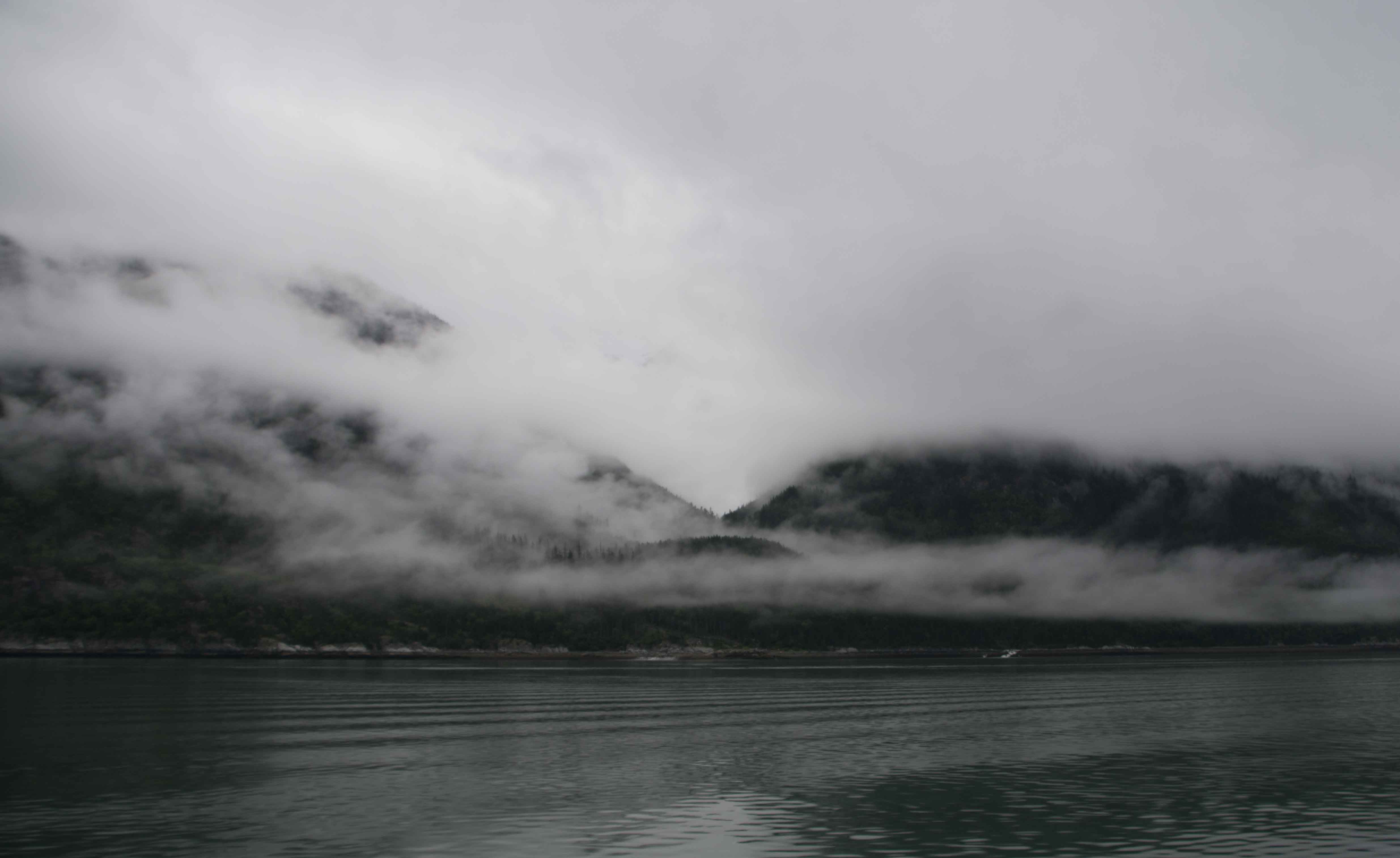
Blog-0775

Note the low-hanging clouds.

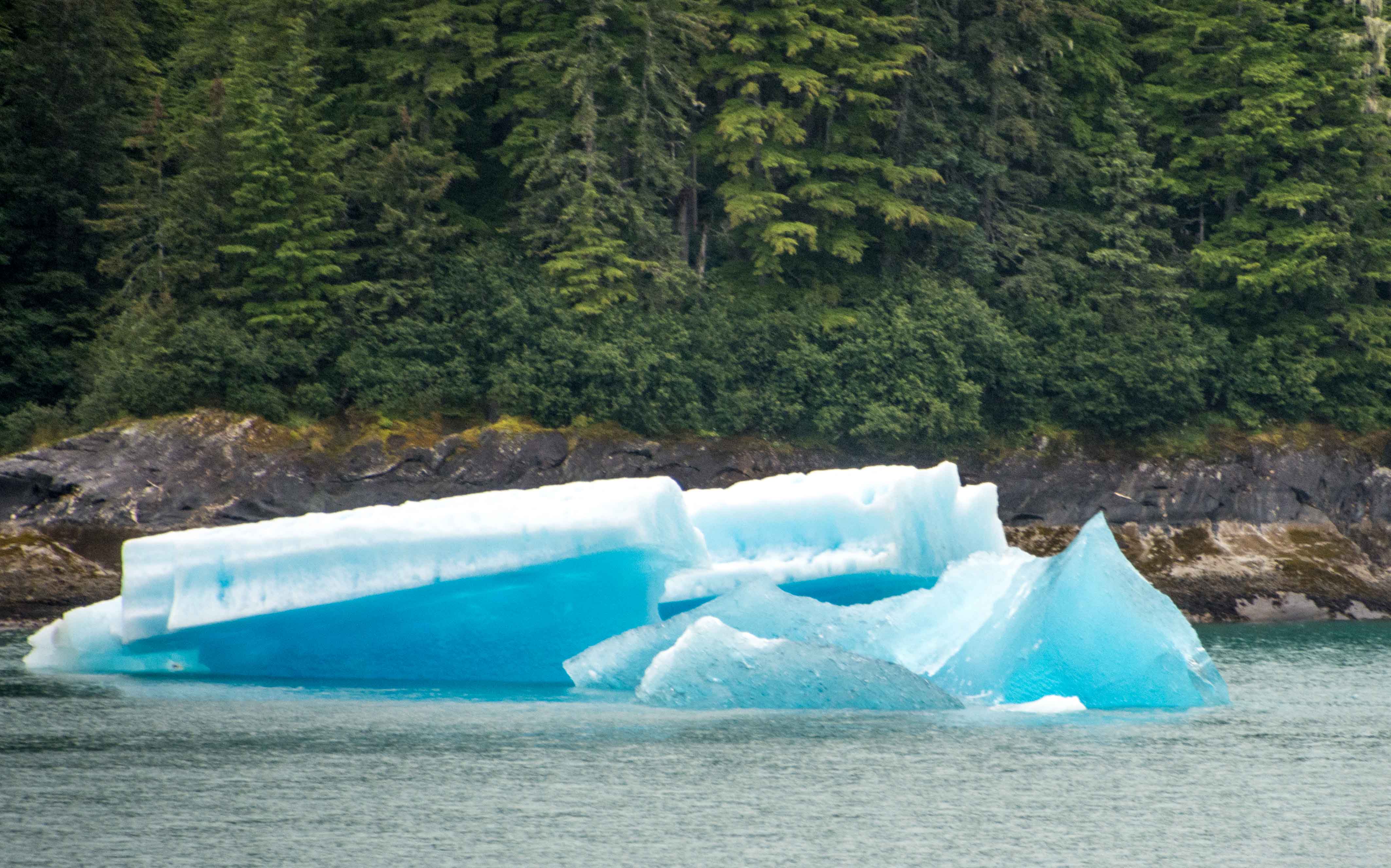
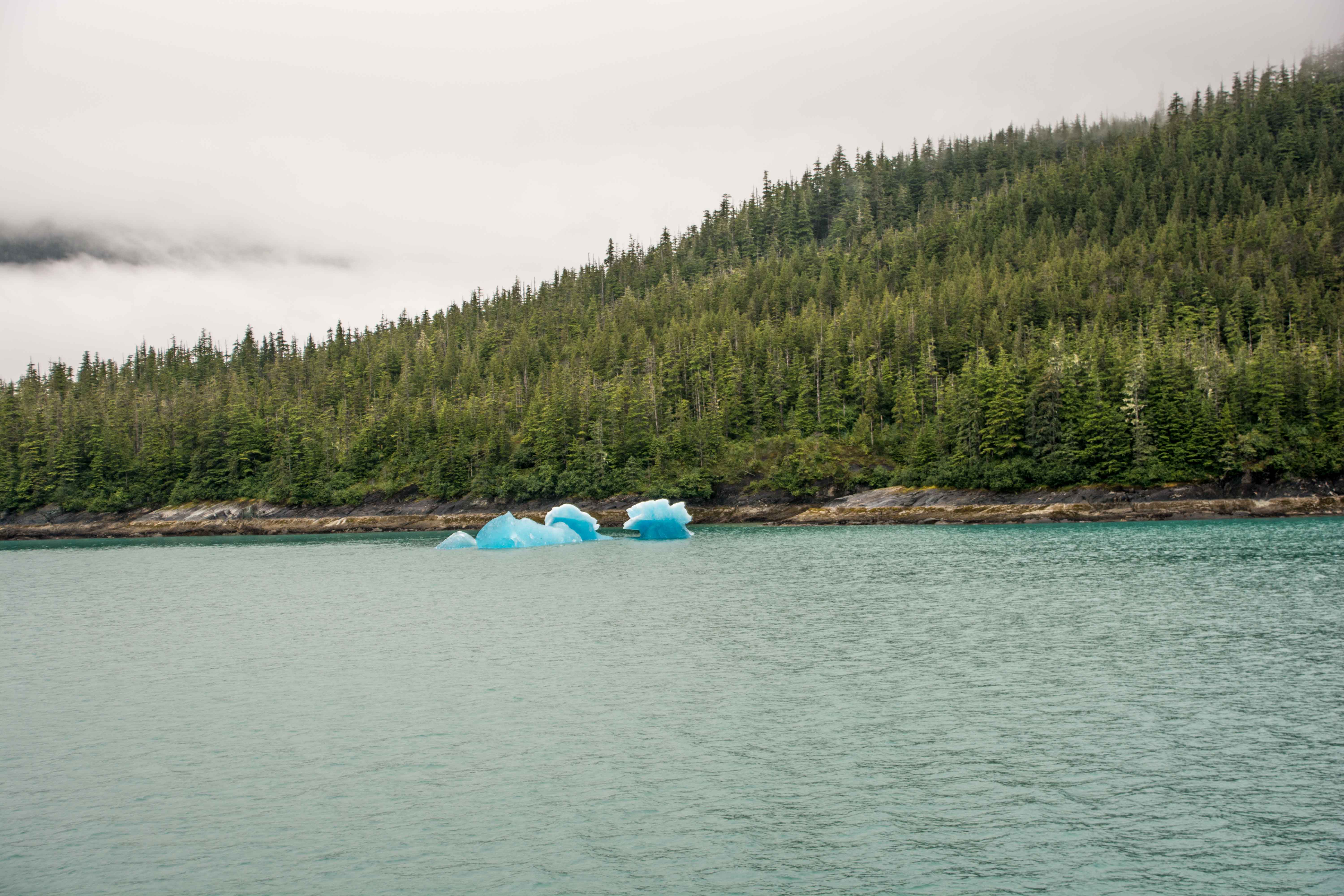
Blog-0725

The deep blue color is characteristic of glacial ice.
Blog-0811

The color of the glacial ice contrasted with the water and land color.

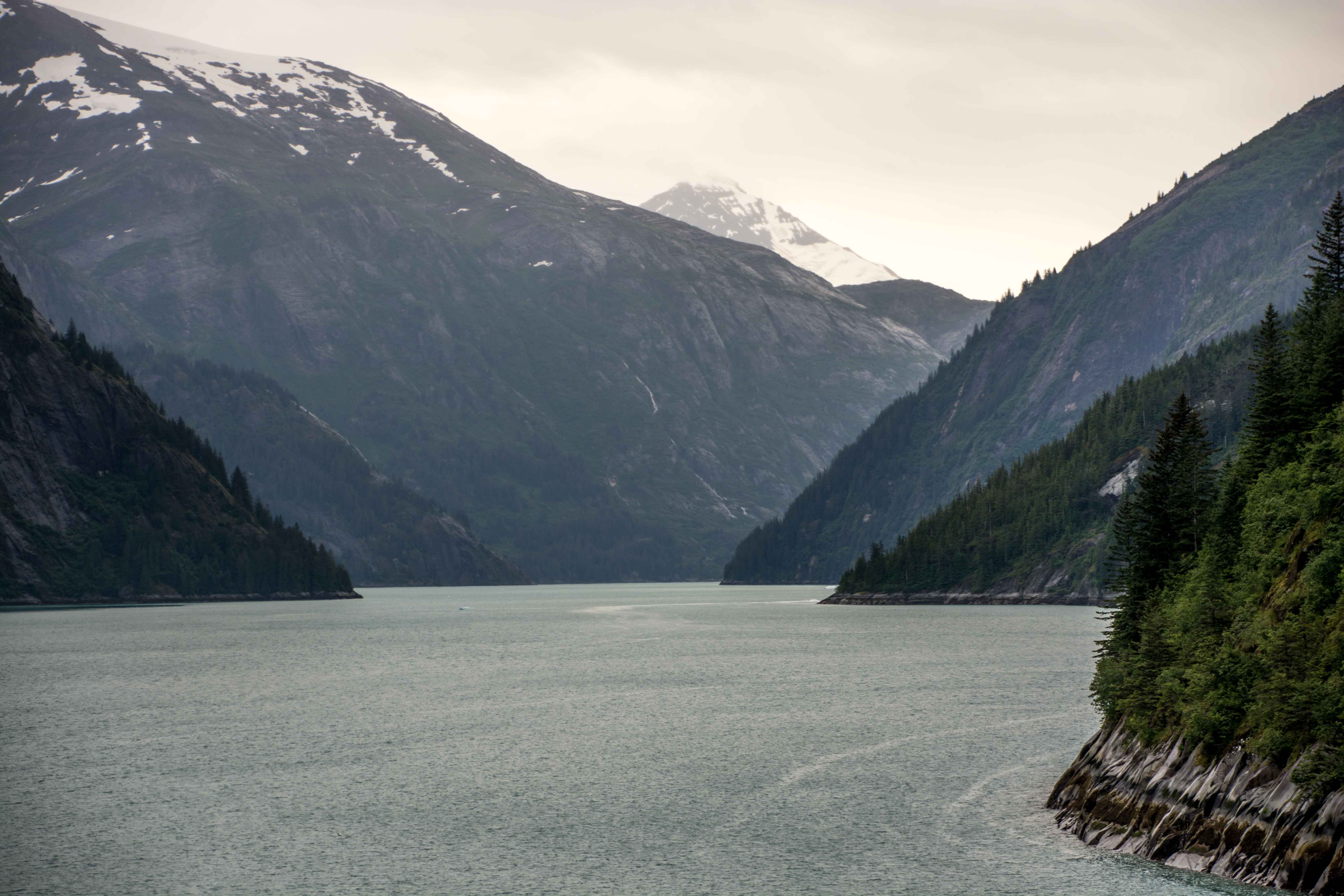
Early this morning, our first adventure is on-board ship, as it goes up Tracy Arm, a fjord structure that provides some spectacular views. Like most of this coast of Alaska, Juneau resides on an island.  There are many islands, and many of the water ways that surround them are fjords where glacier water meets sea water.   Many of the water ways around the islands were carved out by glaciers, and they have high almost vertical sides that grow from the carved trench floor and soar well above the water line.  Tracy Arm is one of the ones near Juneau, and because of its depths and widths, it is easily navigable, even for large cruise ships.

Tracy Arm averages 1.5 miles across and 1000 feet deep. Characteristic of fjords (so they tell me), is the narrow, deep structure, where it appears the walls are mountains sinking into the water.  Every so often as we motor along, the ship pases large  ice lumps floating in the fjord, or parked on the sandy silt which in many places borders the water. These “calves” of glaciers have broken off, and floated to their current locations as the currents dictate. The striking thing is the deep blue color they evidence.
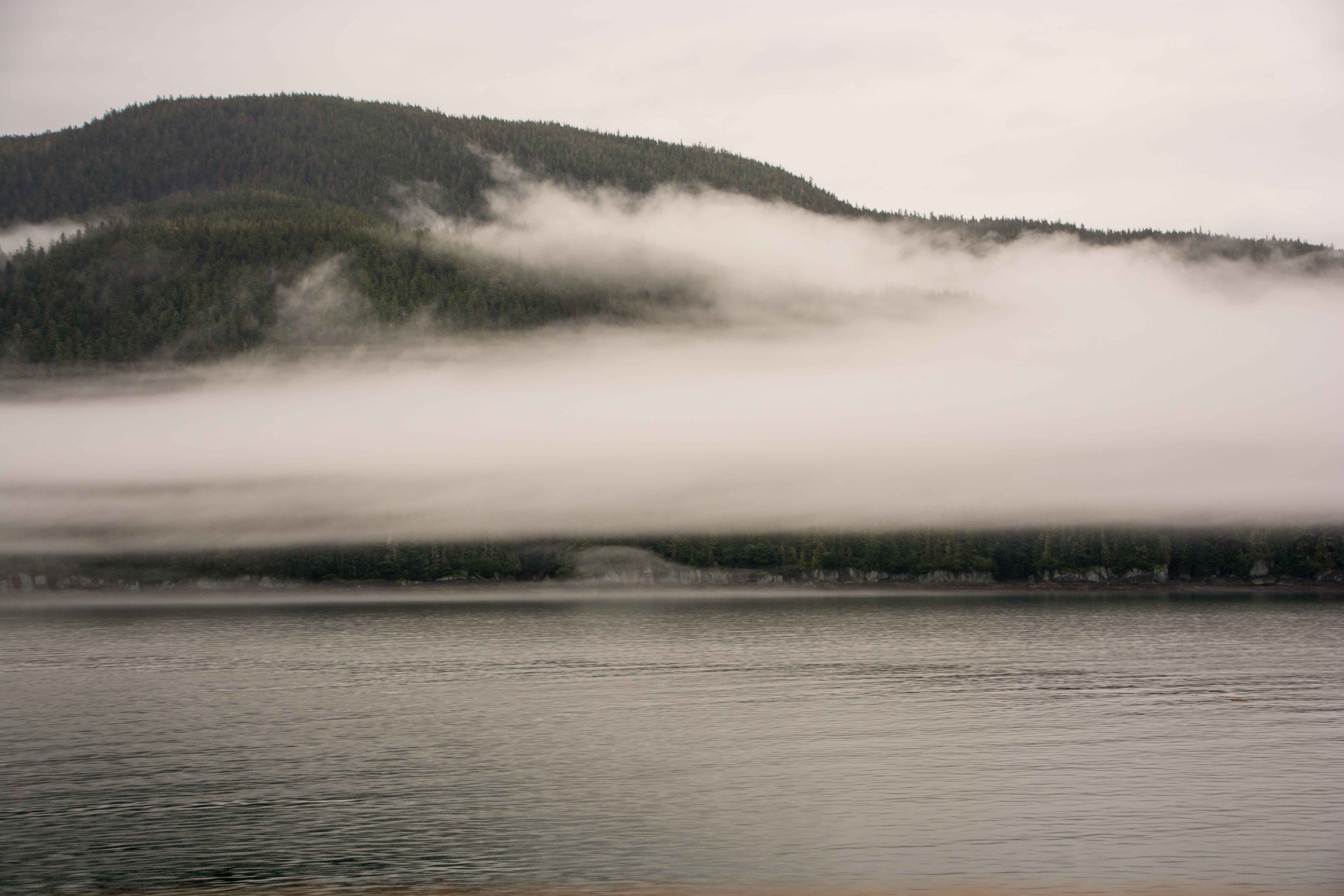
Blog-0834

In our travels the stratified low clouds create fascinating patterns.
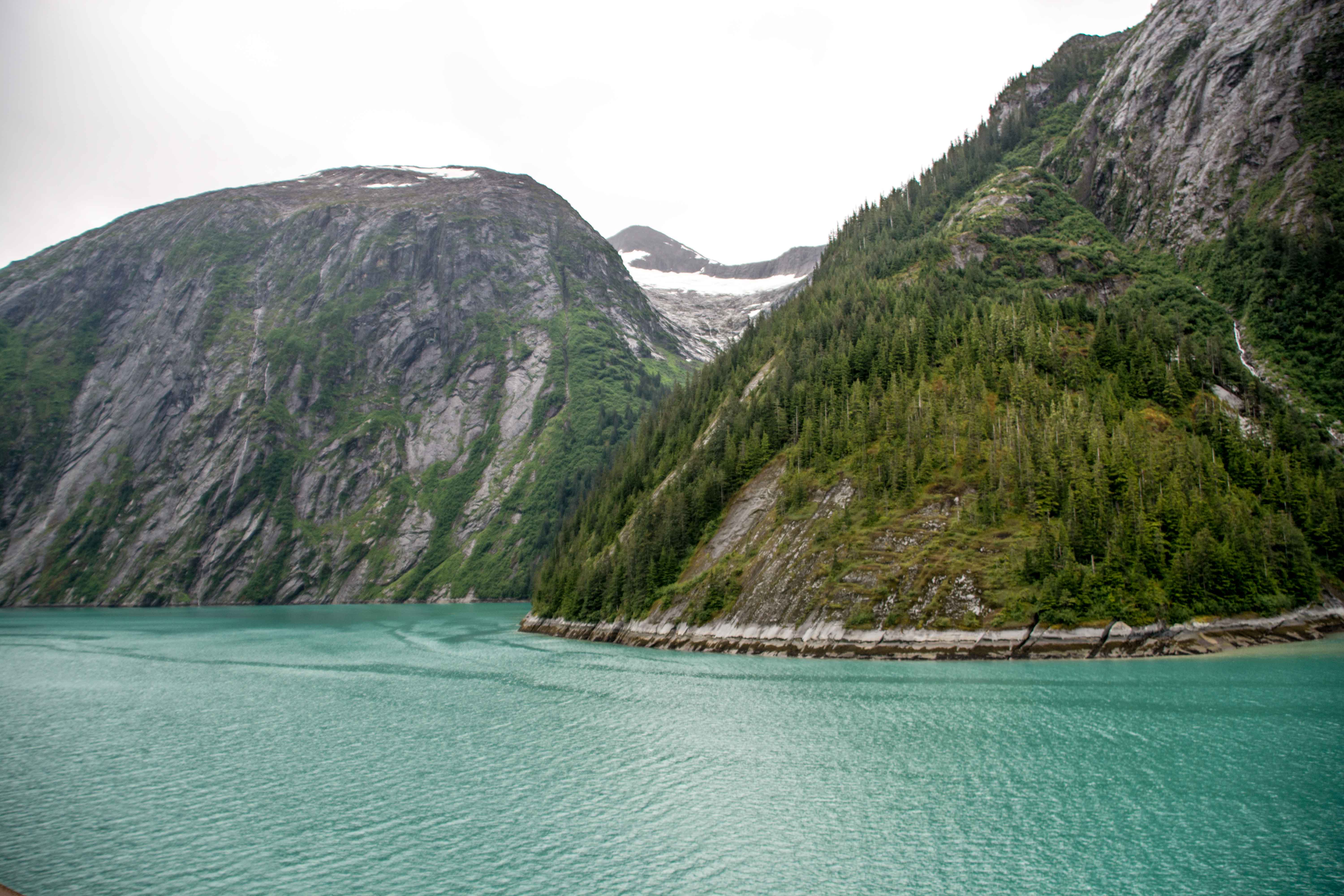
Blog-0757

The green water color is caused by the reflection of the light off the trees, the depths of the water, and the silt that comes from the glacier melt as it frees up the matter it has ground down from the land it travels over.

Our resident expert tells us this is due to the unique crystalline structure of the glacier caused by the immense pressure under which the ice is formed (heavy weight of the ice and snow above pushing the air out of the ice as it is forms and reforms). Glacial ice formed in this way absorbs all the colors except blue, creating the deep blue result. The waters in the fjord are also a unique color, a turquoise blue-green which our expert tells us comes from the depth of the water, the reflections of the pine trees, and the trace minerals in the water from the run-off.

The walls of the canyon are in places sheer drops, but mostly tree covered slopes with the occasional stream popping out of the rock and running down to the fjord proper. Beautiful stuff, and a convincing excuse to get the photographer in us (many of us) out in full. As we ride back down Tracy Arm, one of the more striking features are the clouds that hug the shoreline. I’m looking now at a white fleecy line of cloud about 10 feet think, and 10 feet above the water. Hovering above it is another ribbon of white this time three feet deep and fuzzy at the top, with wisps of white between them. Below the original layer are occasional small clouds, enough to be very noticeable. This cloud structure appears to cover only the first 20 feet out from the coast. The ridges behind the clouds stand out starkly in green and gray.

Now its on to another lecture by the expert, Terry Breen, this time on the native peoples of Alaska. Not the most interesting lecture, but she does put in a lot of good information on the four native groups that share Alaska. The ones we saw yesterday and today are the Tlingit. Anyway, we then got lunch while the cruise ship was landing at Juneau and then it is off to the Whale watching excursion. The group running this event are called Allen Marine, and through luck, or skill, or some combination, today’s watch was unique.

We spent some time getting out to the boat, and then the boat got about half an hour out along the river (the area is basically water and islands, so it is impossible to tell if it is really a river or just part of the broader body of water that surrounds all the islands). Then to everyone’s amazement, including Jeff the resident biologist, we were able to see 11 hump-back whales come up at the same time, having executed their prime feat of teamwork, bubble-net feeding. In this maneuver, one of the whales spots a large school of small mackerel or krill, their primary food, and notifies nearby whales using their characteristic singing. A group of whales gathers (they are not necessarily a family unit, nor do they necessarily feed together in a pod normally, but having heard the song, they gather.
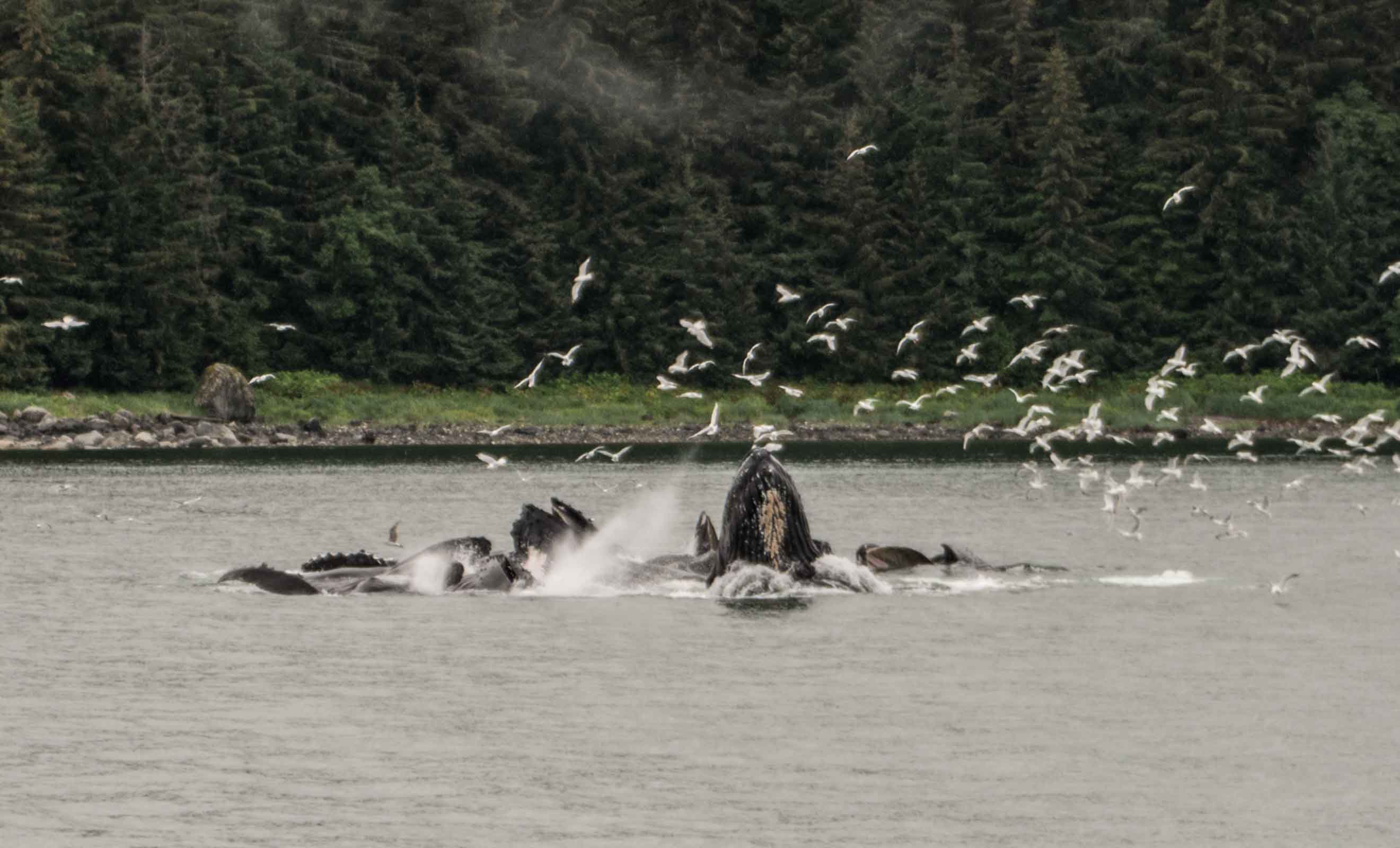
Blog-0993

The humpbacks can get quite far out of the water. How many noses can you see?

Blog-1031

This is the last time we caught this particular group.

Blog-1099

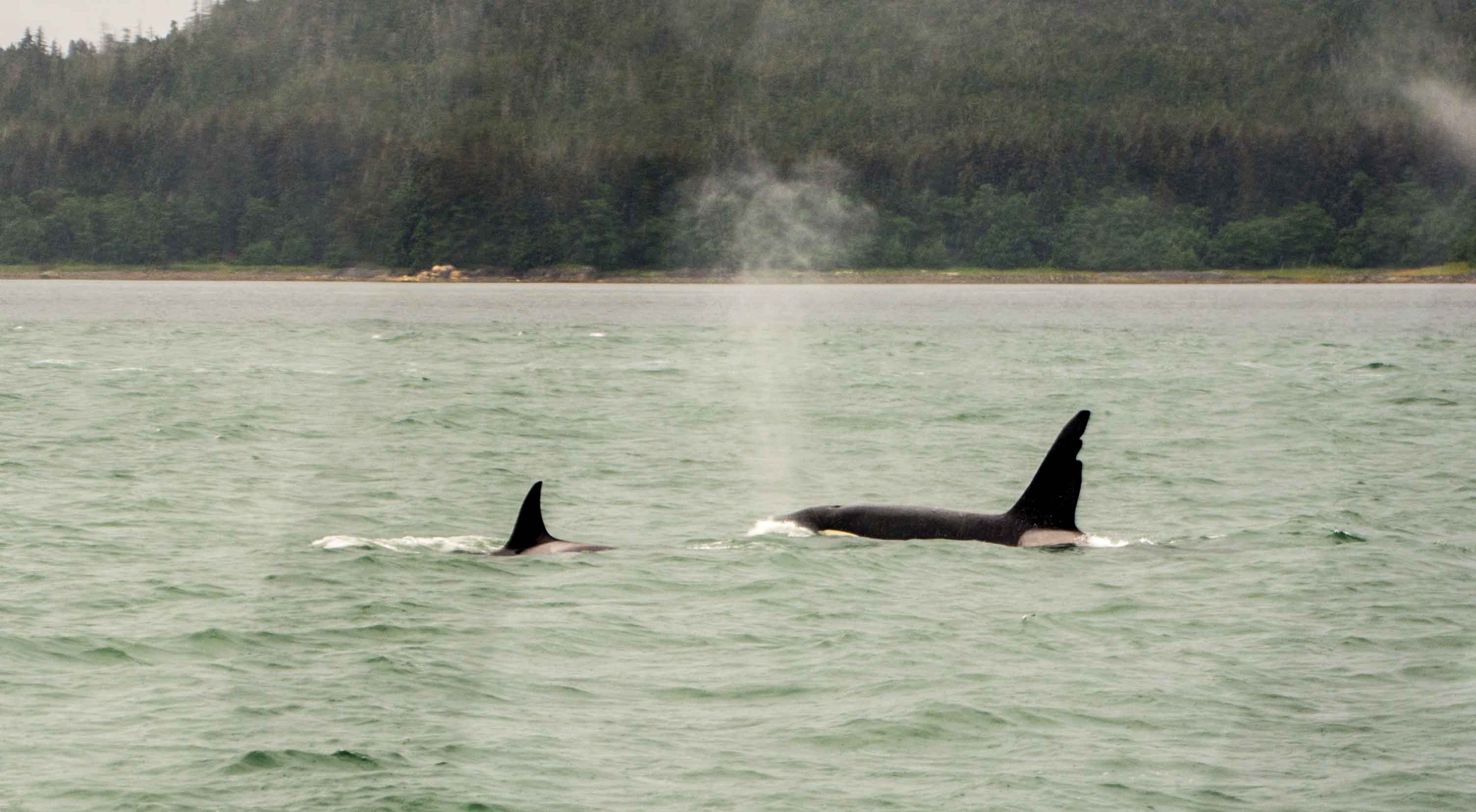
Killer whales; a dad and pup. They appear to be enjoying themselves.
Blog-1097

Killer whales. “Son, this is how you do it…”

Blog-1068

This is a lighthouse in the area we were passing as we sailed to and from the whale watch area. Not a place I would want to live!

One or two go down beneath the school and using a spiraling motion they rise up exhaling a net of bubbles as they go. The fish do not like the bubbles, and their natural reaction is to crowd together.  Anticipating this, the whales swim up from below the “netted” school and scoop a large mouthful as they rise through it. The scene we’re watching for on the surface are the noses of the whales all of a sudden breaking through almost simultaneously.  Many birds are flying over the area, trying to catch a fish jumping from one of the whale mouths.   The whales upon completion of their grab, strain the water-fish mixture through their baleen as they settle back into the water.  They blow air from their lungs, surface swim for a short while to get their breath back, and dive again, which can be seen as their tail fins come out of the water.  When all are ready, if they are still hungry (which they are), they go for another round of the same exercise. We stayed around the first group we spotted watching them do this four times. The Captain then decided enough was enough and took us in search of other attractions. Sure enough it wasn’t too much later that we spotted two Killer Whales traveling together around the same area. Killer Whales are a matriarchal society, usually, but the larger of the two we saw was a male who was well known to Jeff, who tells us he is at least 40 years old, and has usually been seen alone here. These whales summer in Alaska to fatten up on food, and then go south to Hawaii, or Mexico to mate and have their calves. So it was quite s surprise to find this male with a lone female up in the feeding area! Whatever the reason, we were happy to see them. We stayed with the two as they came up for air and showed their dorsal fins at least three times. Then, on our return trip to the dock, we happened on another (or it could have been the same) group of hump-back whales doing the bubble-net exercise again. We watched them through a full cycle of this, and then sadly had to get back to the dock. To get an idea of how unusual this was, they told us that they were lucky to see bubble-netting once or twice a season, and Killer Whales maybe once a month in summer.

Once back aboard the ship, we went to our favorite restaurant, the Compass Rose, and had a marvelous roast pork (for me), a steak au Pauvre (Gwen) and shared an exceptional Coq au Vin. It is one of the joys of cruising that you can order more than you can eat just so you can try things (well, within reason). All dishes were tender and tasty. I’m gaining weight by the day, I’m sure, but fortunately, there are no scales to tell me how much.

27 July 2014 — Skagway and Haines

Breakfast was early this morning, as we had to be out for our tour at 7:20 am. We breakfasted in La Veranda, as it is the earliest one open. The ship was just finishing its docking procedure in Skagway as we were eating. The special of the morning was eggs benedict, which tasted nicely of the hollandaise sauce they used.

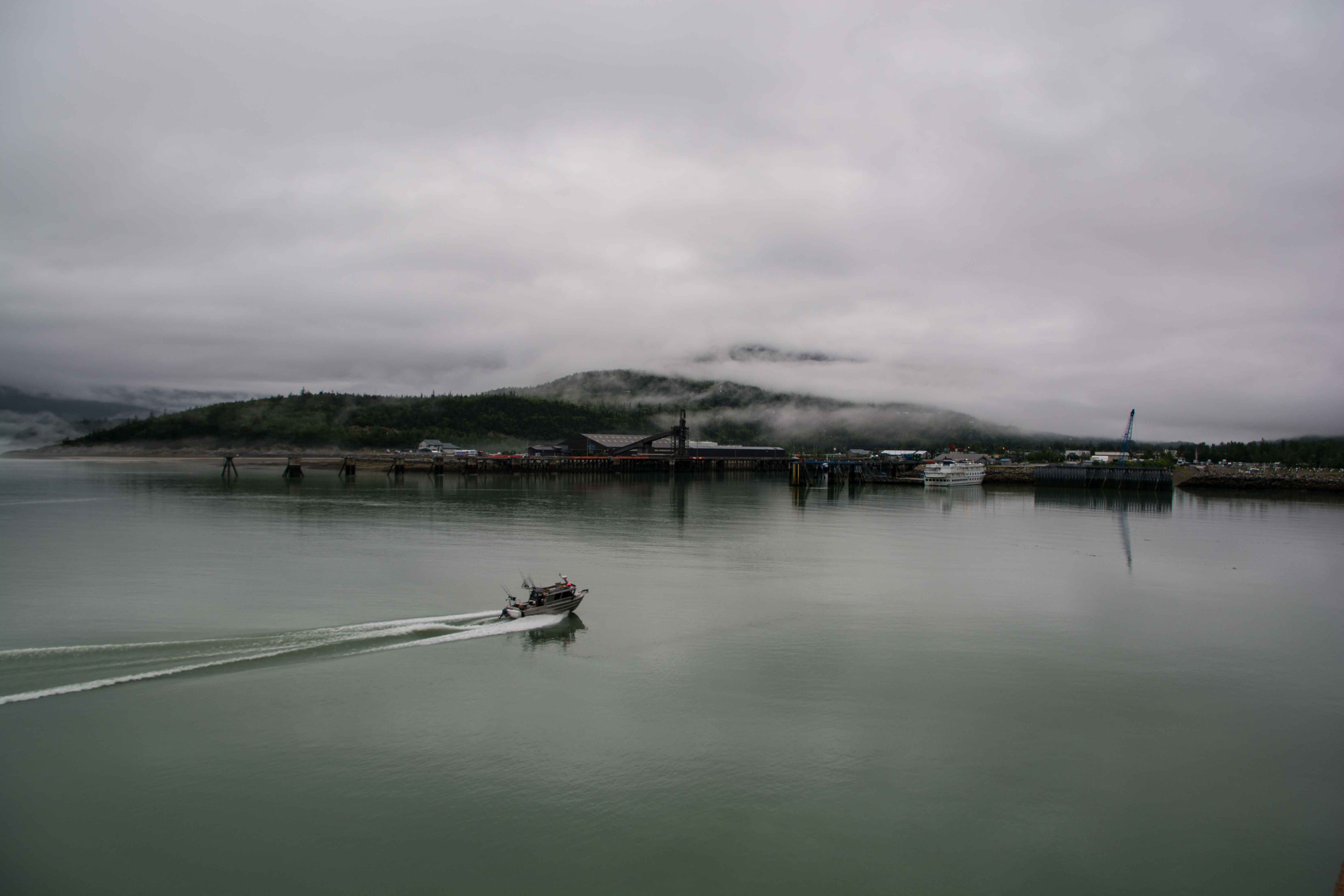
Skagway harbor provides marvelous illustration of the low cloud formations we have been treated to all along the cruise. The clouds start almost on the surface with a layer only as thick as the height of the cloud above the water, then a thinning, and then back to thicker whiteness as it goes up. The view is of bands of white overlaying the mountains in the background.
Blog-1146

Skagway harbor

Blog-1174

The cloud formations are fun to watch.

Blog-1190

From the ferry, more clouds cover the mountains on the side. Note the falls behind the clouds.

Blog-1212

On the opposite shore, a sea lion tries to get some rays.
Blog-1232

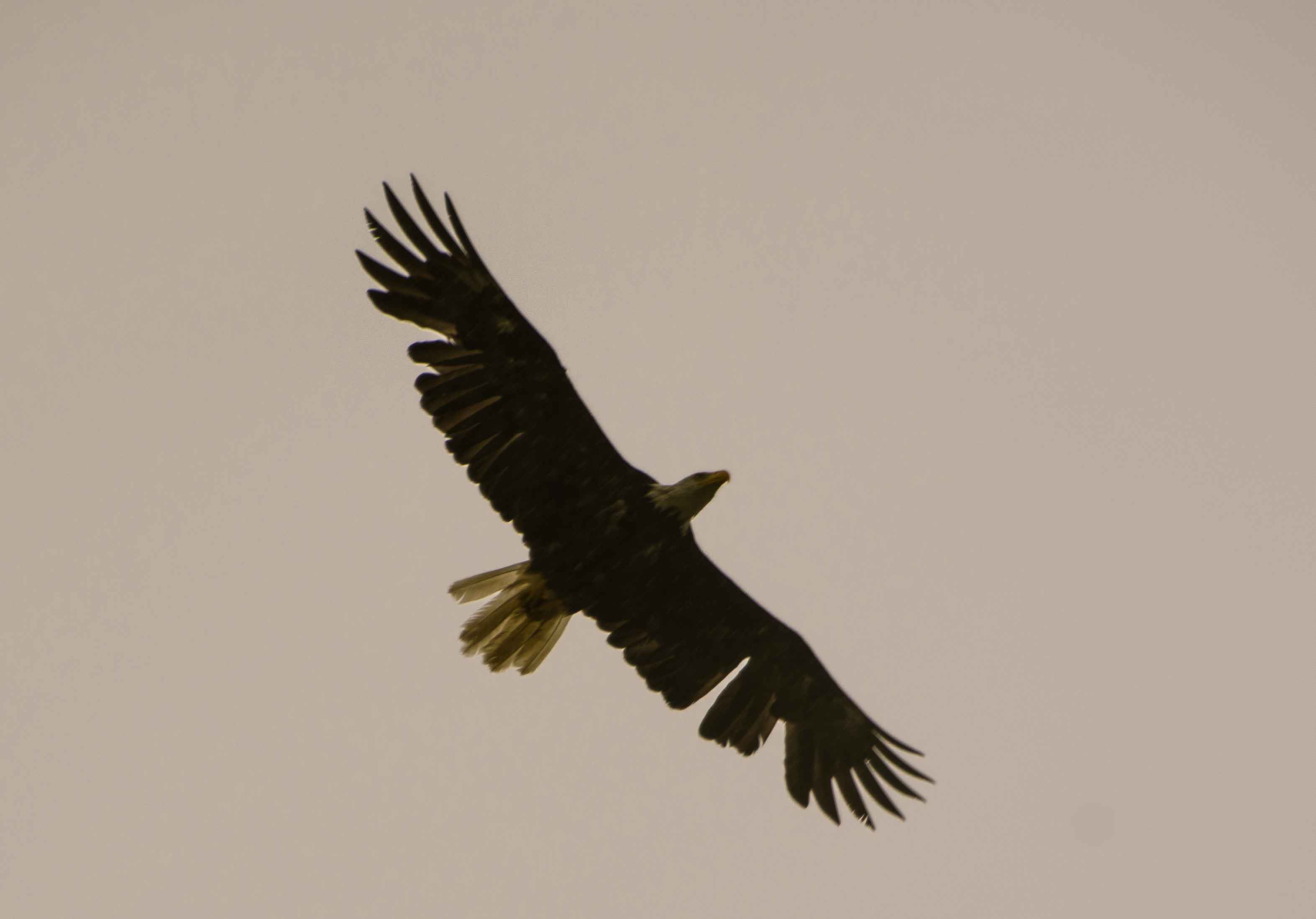
A Bald Eagle soaring overhead as we floated upstream.
Blog-1236

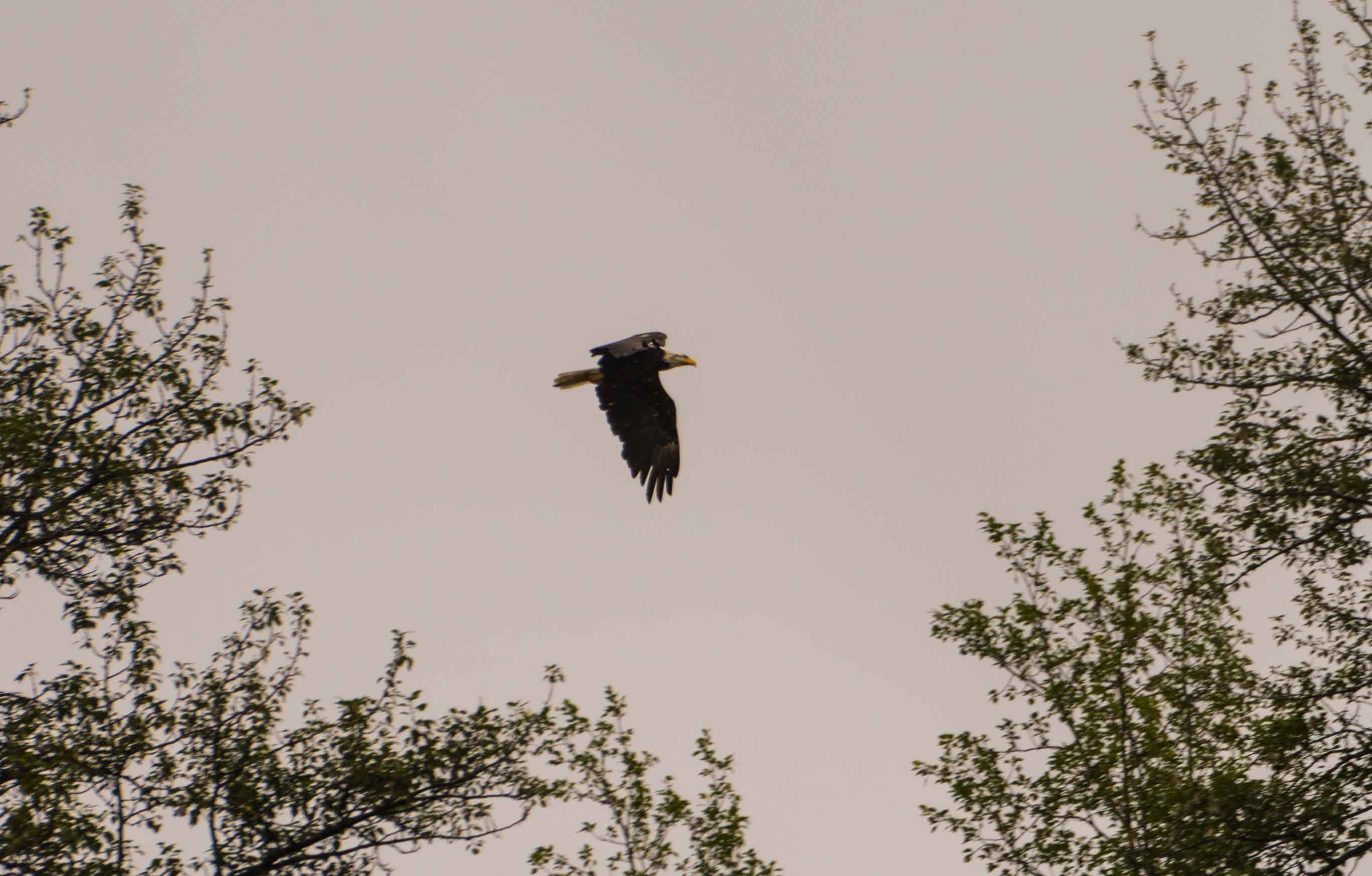
The same bird from a different angle.
Blog-1242

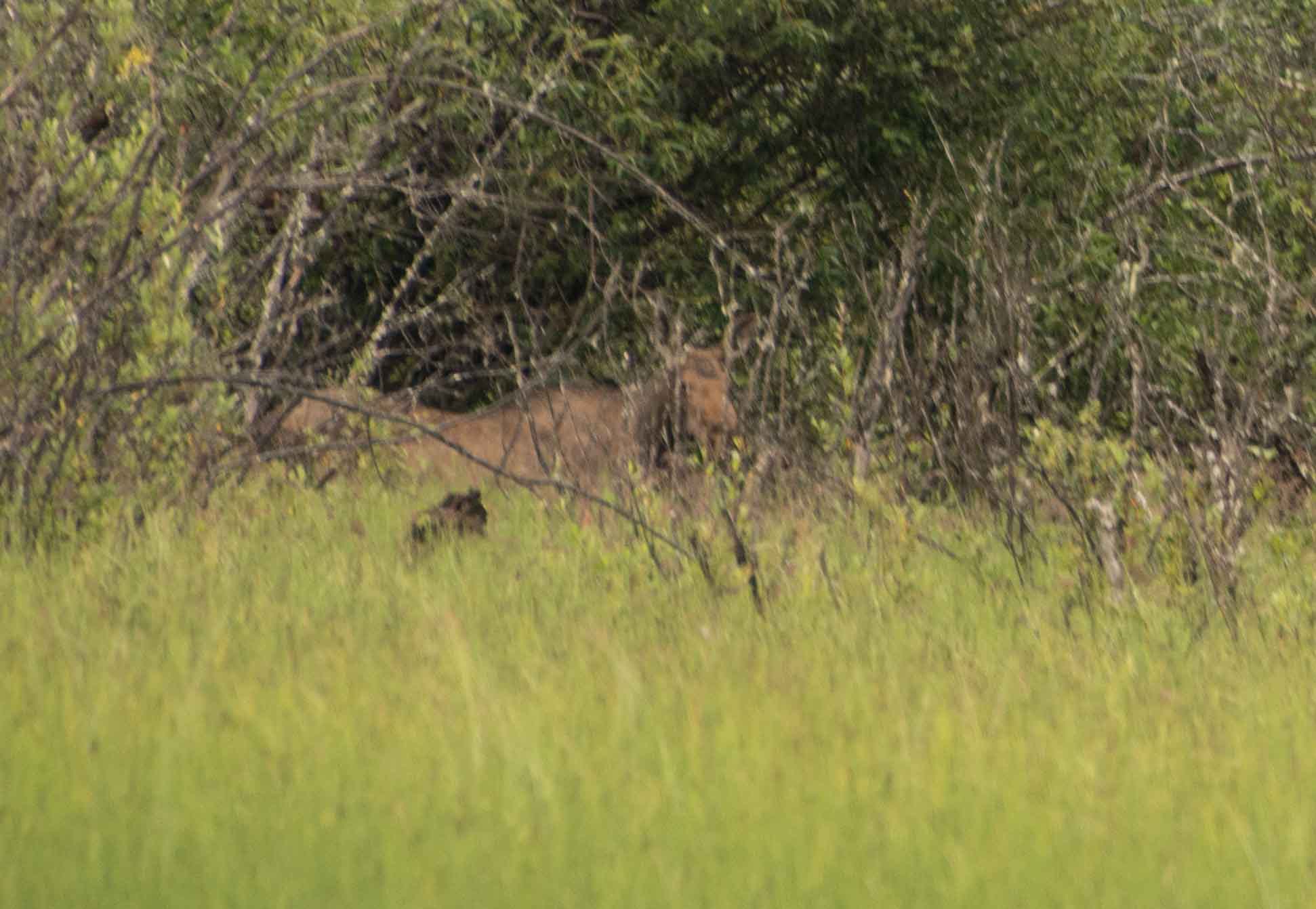
The eye test. See the moose? Is it male or female?

The 600-lb eagle's nest

The eagle’s nest where we were hoping to see eaglets. We never did, but hopefully they were just napping.
Blog-1287

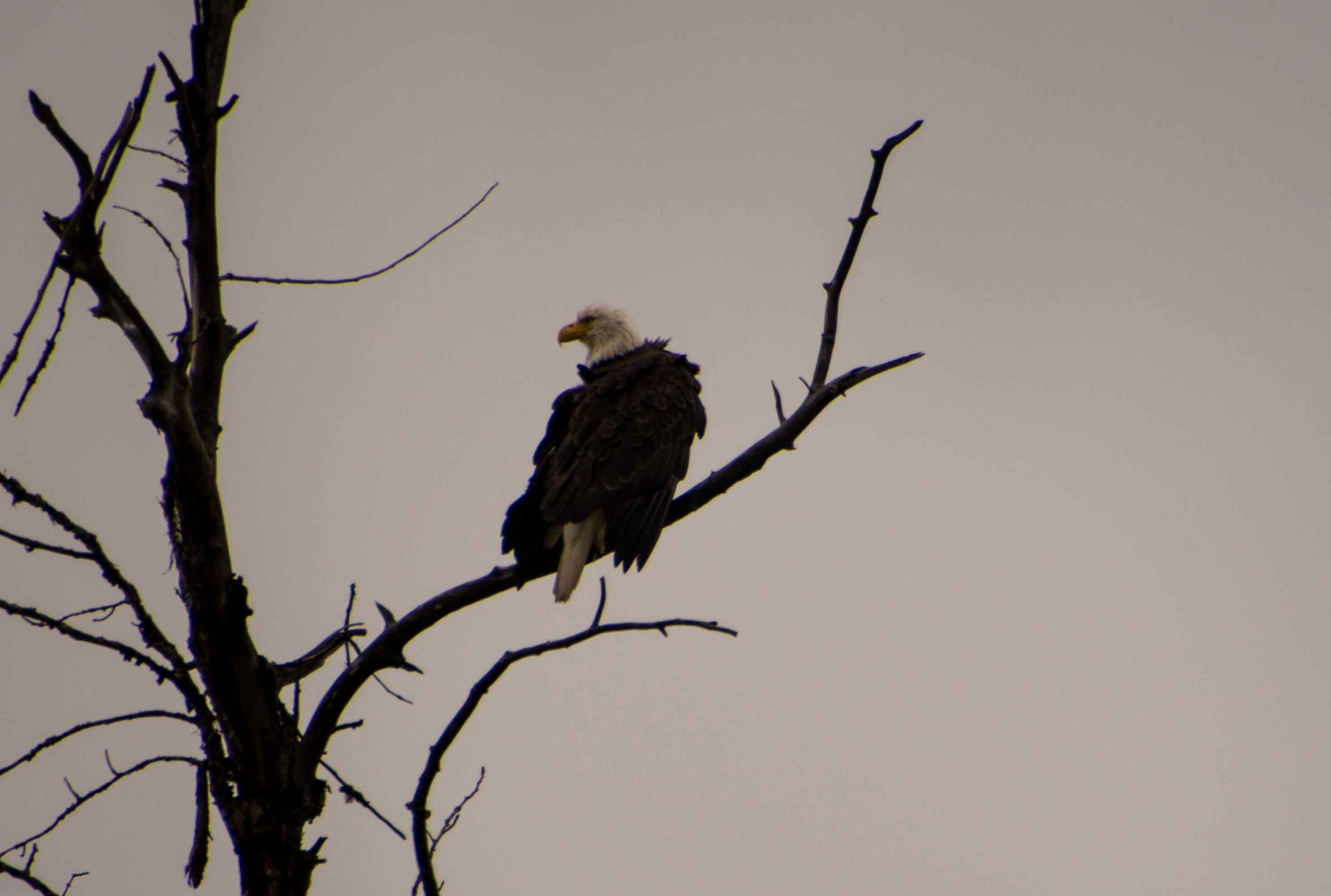
The mom or dad eagle was resting on a cottonwood tree nearby. Our guide was sure this was a parent, as they don’t allow other eagles within a mile of their nest.
Blog-1306

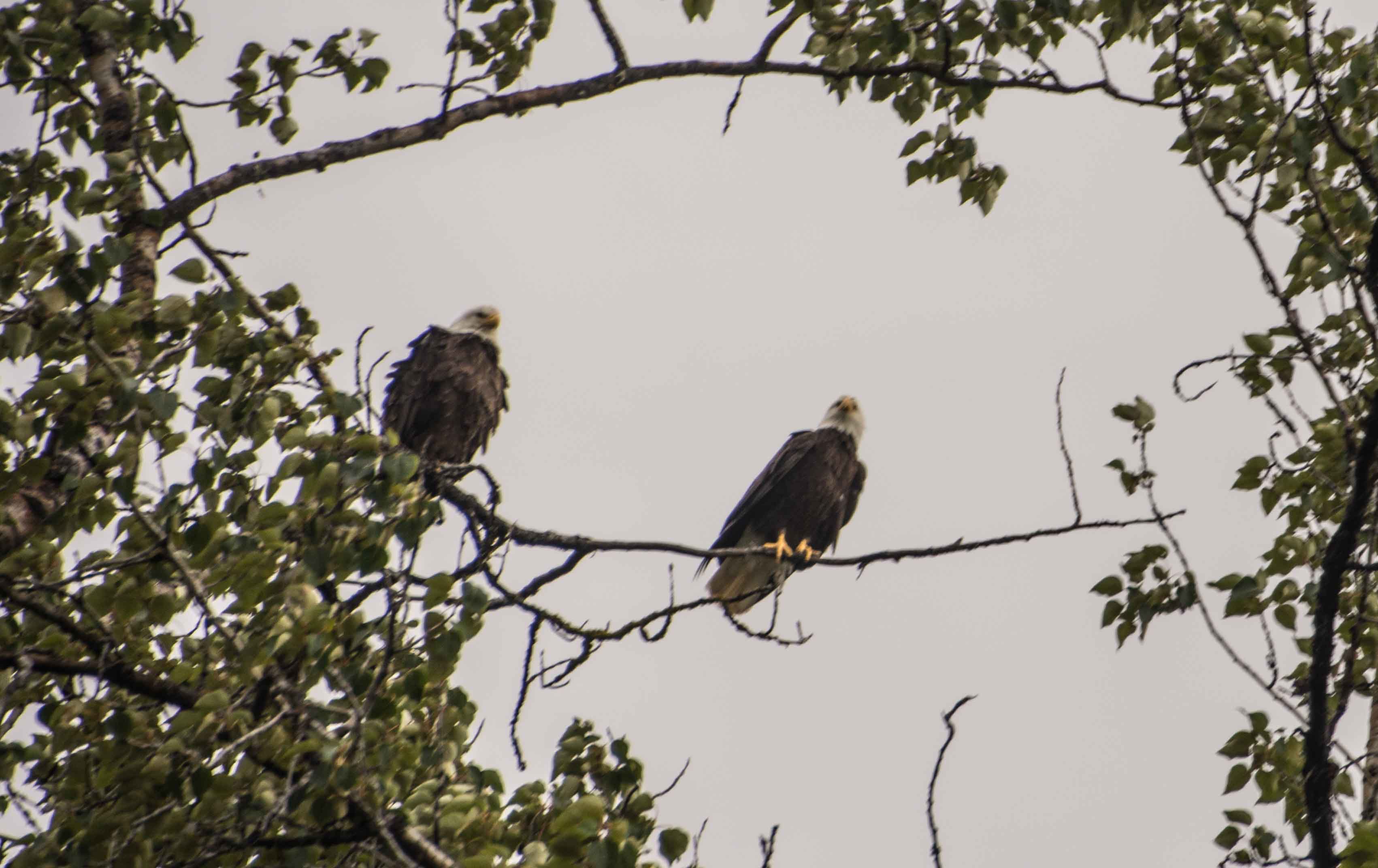
On the way back to the dock, we saw this pair of eagles.

The excursion today is a river boat trip to view eagles, bears and moose in a huge eagle preserve. Getting to the preserve is a long trip.  First we have to take a ferry to Haines, about 40 minutes from where we are, and then a bus ride another 30 minutes to get from the Haines harbor to the preserve.   The excursion itself was very well run — they provided jackets, ponchos and blankets, as well as gloves and earmuffs for us to wear to keep out the cold. It was a rainy morning, and all the extra gear did help. The river we traveled was wide, but not very deep, averaging only about three feet. Fortunately, about half way into the boat ride, the rain stopped and the clouds began to break up, so we were able to dry out a bit. Unfortunately, we didn’t see much wildlife, in total one moose and five eagles. The moose was spotted in the bush by a very observant fellow traveller, but once spotted, the driver/narrator kept us nearby until we all got to see it. It took both Gwen and I awhile to spot her, as she (we were assured that the males were not in the area at this time of year) was partially hidden in trees and was sunk in to her haunches in the grassy marshland. She was not anxious about us, at least not so we could see, as she was calmly pulling bark from the trees nearby and eating it, even as she looked in our direction. After about 10 minutes, she took one last bite of bark and slowly ambled off away from us. There were four eagles we saw by happenstance as we were motoring along, and one we went in search of. The latter was one of a pair who watched over a large nest that we were assured had chicks in it. When we got there, the nest was clearly visible, but no chicks poked a head above the edge, as we were led to expect. We pulled up the river another 100 feet, and sure enough in the top of a cottonwood tree was one of the nesting pair. Hopefully the chicks (two of them, we were told) were just taking a nap, and were not victims of one of the many predators that are part of reality in this wilderness. The narrator was surprised to note the lack of chicks, and will in due course determine if they are gone or just sleeping, but we are not to know. The nest was a huge affair, also in a cottonwood tree, that we were told has been the home of the pair for seven years. They continuously work on it, and he estimated the size of the nest at 600 pounds. Eagles mate for life, and will establish one or two nests which they maintain and return to year after year. The second nest is a backup in case the first fails. Cottonwood trees are not as solid as spruce or hemlock (also common in the area), but are favorites of the eagles as they grow near the water and favorite feeding sites. I got some pictures of the eagles we passed, so we’ll see which ones turn out. After the return to the dock, we were served a hot vegetarian chili and hot dog, along with a hot drink of choice. After saying our goodbyes to the tour guides, we reversed the trip to get us back to our cruise ship.

The overall experience was not to be compared with yesterday’s whale watching, as we were not so lucky as to see so much of what we were looking to see, but Gwen can now claim to have seen a moose in the wild!!

Tonight’s entertainment is “Le Cirque Navigator”. The production company has a man and woman who do acrobatics on hanging cloth, on rings, on each other, and bring it off with fantastic grace and style. In addition, there is a couple who do ballroom dancing in the style of the competitions. Both of these couples are incredibly limber. Especially the women. The young gymnast can stretch herself into pretzel shapes, twisting and turning in several directions at once. These two couples were the focus for the show. The others were there (two lead singers, male and female, and four more dancers, one male and three female). The male dancer does tap and Irish clog dancing with fantastic skill, and that was on show as well, The other women dancers handled the tap and clog dancing, but their talents supported the ‘stars’. It was a great show.
Leave a comment

Filed under Blog

Trip to Alaska – July-Aug 2014: The Cruise Begins

This is the diary of our trip to Alaska, starting with a cruise up the west coast from Vancouver, BC in Canada to a number of stops in southwest Alaska.  After the cruise, we went on a “Planet Earth Adventures” trip with ten other people who quickly became friends and traveling companions.  That trip was led by the owners of the travel company, Albert and Marlene Marquez.  Gwen set up the whole trip with Albert, and having now completed it, I can honestly say she did an excellent job.

22 July 2014 – Leave MI and go to Vancouver

View from our Vancouver hotel

View from our hotel in Vancouver

Measured on the scale of “did we get there on the day planned?” this was a good trip   The journey to Vancouver via American Airlines is a three-part plane ride. We arrived at Flint thanks to Hank Kerr with plenty of time to spare, and happily the plane departed on time. The plane to Chicago arrived on time, and the wait there for the plane to Dallas was relatively short, and retained the original schedule. Once in Dallas, however, the trip ground to a halt. Four extra hours wait and one terminal transfer later, however, we were on-board the third plane of the day (a different plane than the airline had originally intended), and heading to Vancouver.   Arrival was much less effort than anticipated, as despite the late hour, there were plenty of taxis to take us to our hotel.  Without further delay, we got to our room, and dropped into bed.


Blog-0188

Gwen and Ann

On bard ship in Vancouver harbor

The Vancouver dock where our ship is moored

23 July 2014 – Vancouver onto the cruise ship


Blog-0202

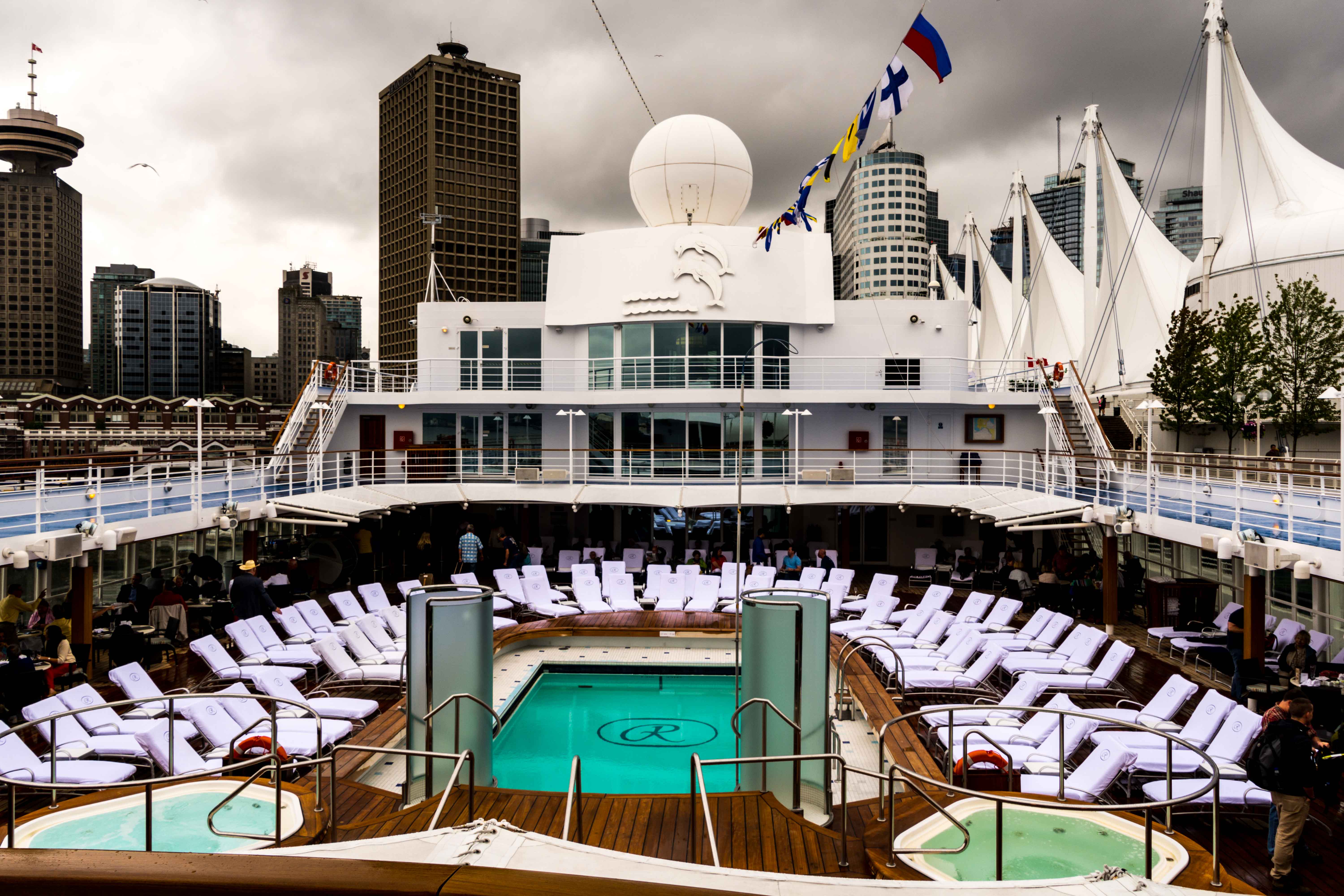
Outdoor swimming pool on board our cruise ship

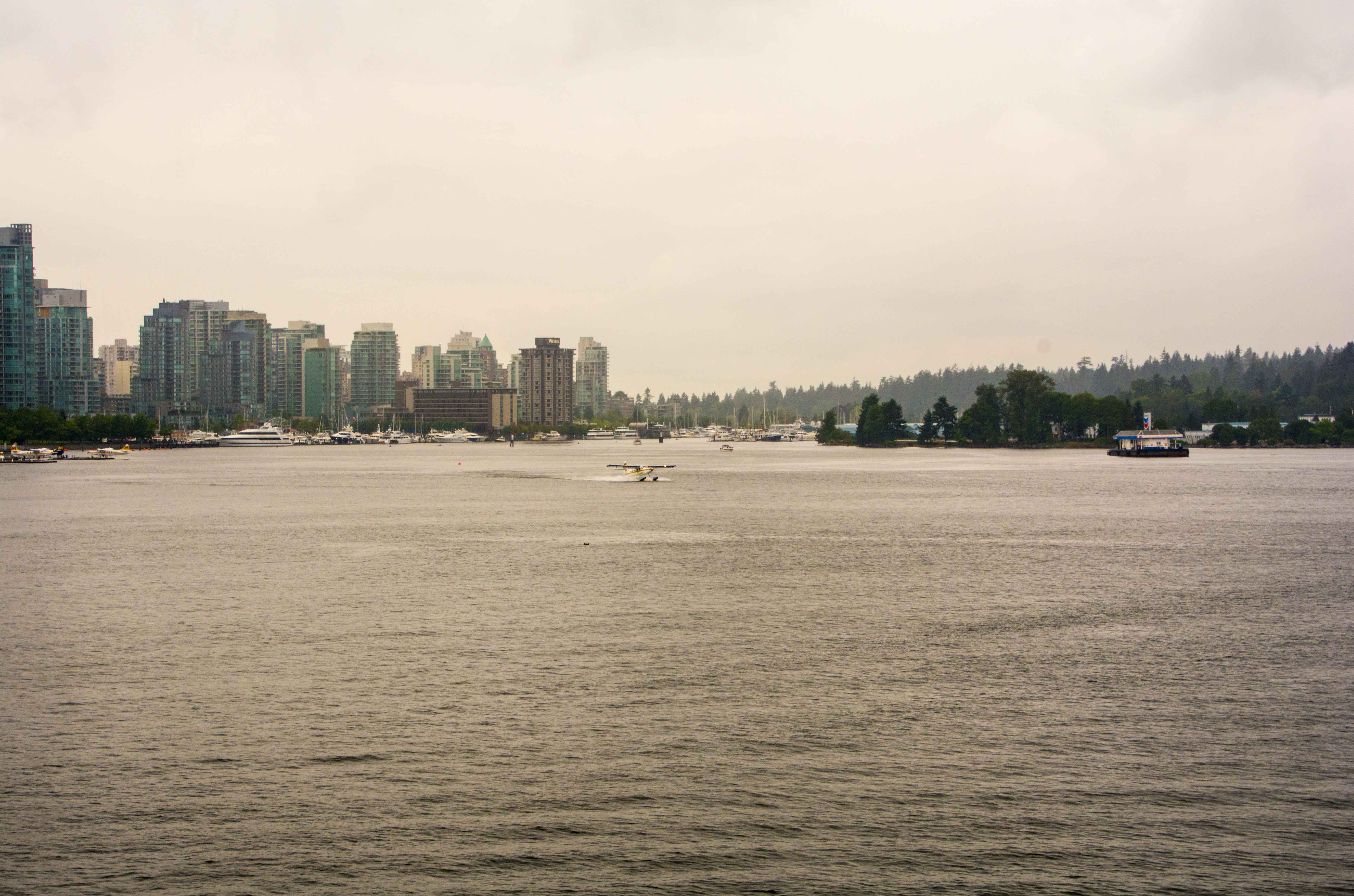
Blog-0222

Vancouver harbor. Note the seaplane. These were a common sight in the harbors we visited.

Gwen’s cousin Ann, who lives in Vancouver, met us at our hotel, and we quite happily talked until we had to board the bus to take us to the port to board the Regent Seven Seas Navigator. This cruise ship is larger than the one we were on in the Caribbean at the end of 2012, as this ship has on board 400 passengers and 300 crew, versus 200 passengers and 200 crew. This ship is still small enough to have reasonable service, but larger so it can handle the waves better (at least that is my hope).


Once checked in, Gwen immediately unpacked us, and we were off to do something we were to find the staple of our time on board: eat! We had a nice lunch, and relaxed until dinner. We had dinner reservations in their premier restaurant, which indeed was premier. The steak and lobster was superb, while Gwen’s prime rib was also very good.

Tomorrow is a slow day, as it will be spent on board as we steam along at 15 knots up the coast of British Columbia toward Alaska.

24 July 2014 – Up the coast of British Columbia

An easy day. We spent the day reading, and helping put a puzzle together. We also explored the ship, but not much else. We were a bit worried, as it was just this kind of sailing that got me seasick on the Caribbean cruise, but dramamine did its job, and I didn’t have a moment’s problem. This cruise had its opening social foray, a “block party”, at 5:30, and we went out into our hallway, and met some very nice people. We have since seen several of them in our excursions, so it was worthwhile. Gwen got tired, but I went to the Broadway production later in the evening, and was pleasantly surprised. The production was a few songs from each of about six current Broadway productions, sung and danced by a troop of about eight members accompanied by a live band. It was professionally done, and the result was quite good. Afterwards, I found the piano bar, and enjoyed a woman who liked Carol King songs. The band that had backed the Broadway production changed venues and played Motown music in arrangements that sounded more like musak than music, unfortunately. I then joined Gwen in our room and we slept soundly through, catching up a bit on our sleep.

25 July 2014 — Ketchikan

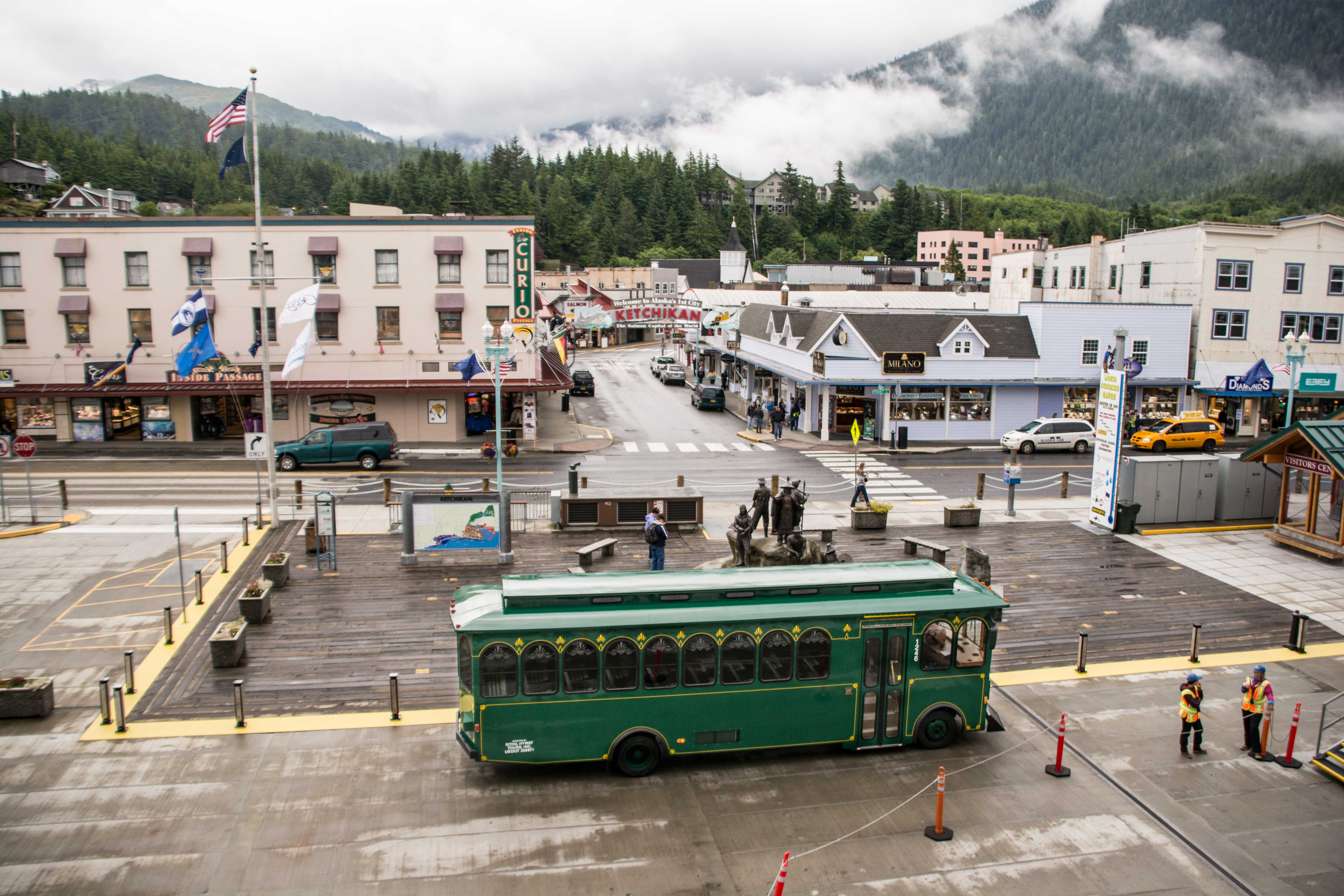
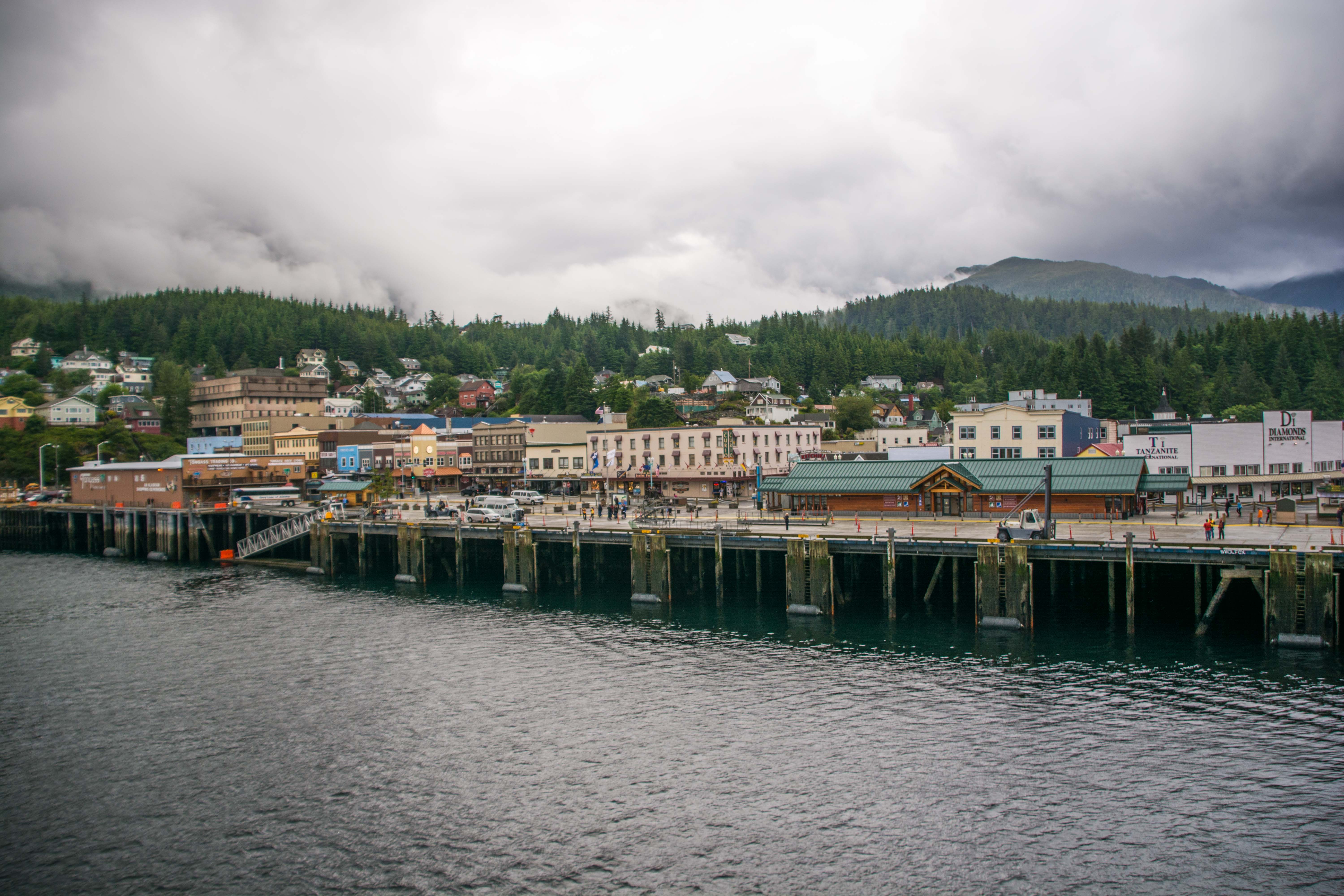
Today started our exploration of Alaska. We were up early enough to watch the docking of the boat at Ketchikan. The day was cloudy overhead, something we are beginning to get the idea is the common weather pattern here. We got our breakfast at the Italian Restaurant, which was very tasty. I had an omelet, and Gwen had oatmeal. The food here is quite good — something we were used to from our first cruise, and this trip has so far only furthered. Our excursion started at 10:30, so we got off the boat and decided to walk around Ketchikan ahead of the excursion. We did a bit of walking, but it started raining almost immediately, so we quickly got the the point of the walk (the candy store: Kechi-Candy), bought some (got to have our chocolate!) and then waited for the excursion to begin.

Blog-0301

View from our cabin before we got off in Ketchikan.

Blog-0286

Ketchikan docking area. Overcast is going to be the theme on this trip.

Blog-0340

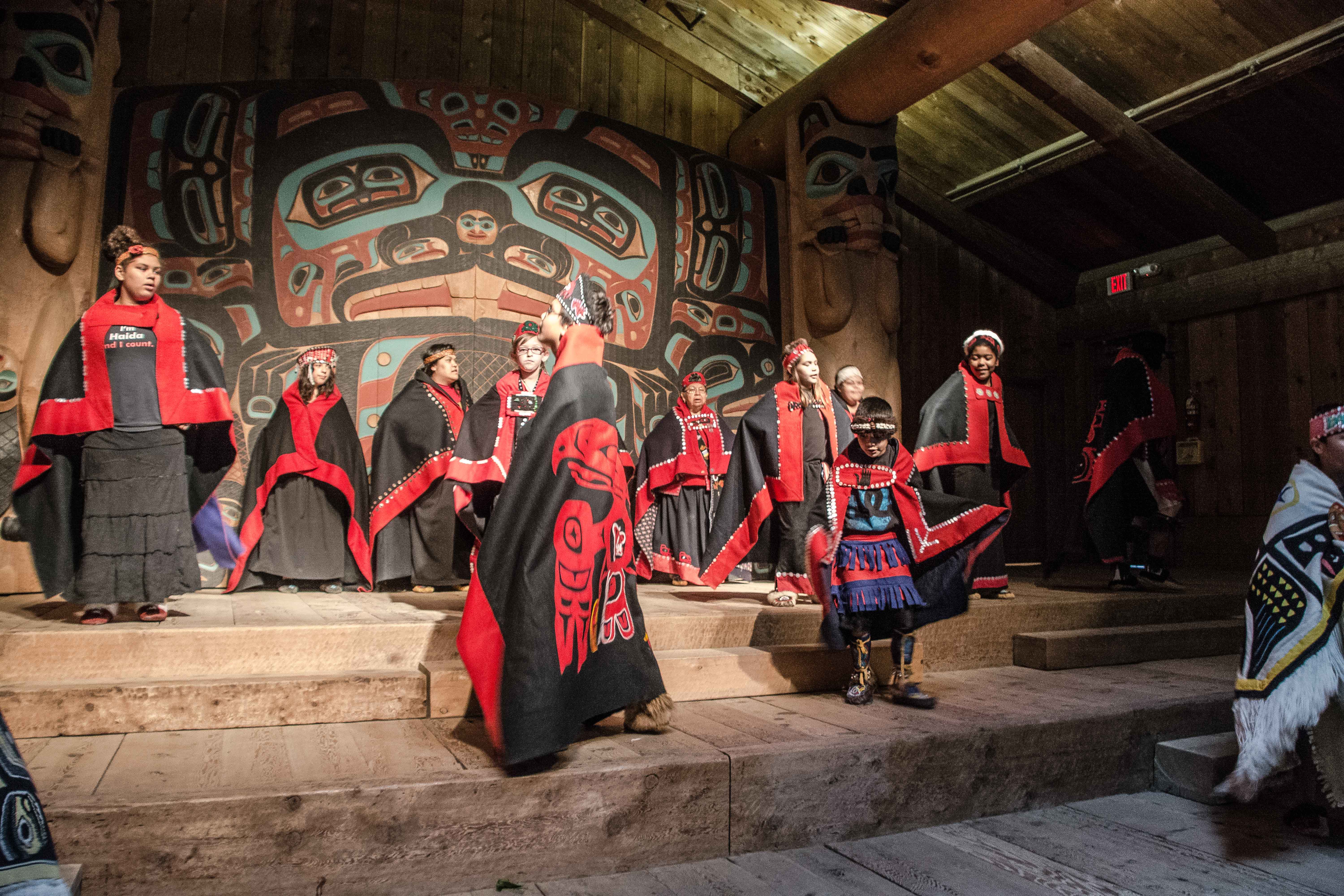
Dancing to the beat of a hand-held drum, and chanting their welcome for us.

Blog-0348

When a dance is complete, the dancers turn their backs to the audience, showing off the clan symbol.

Blog-0355

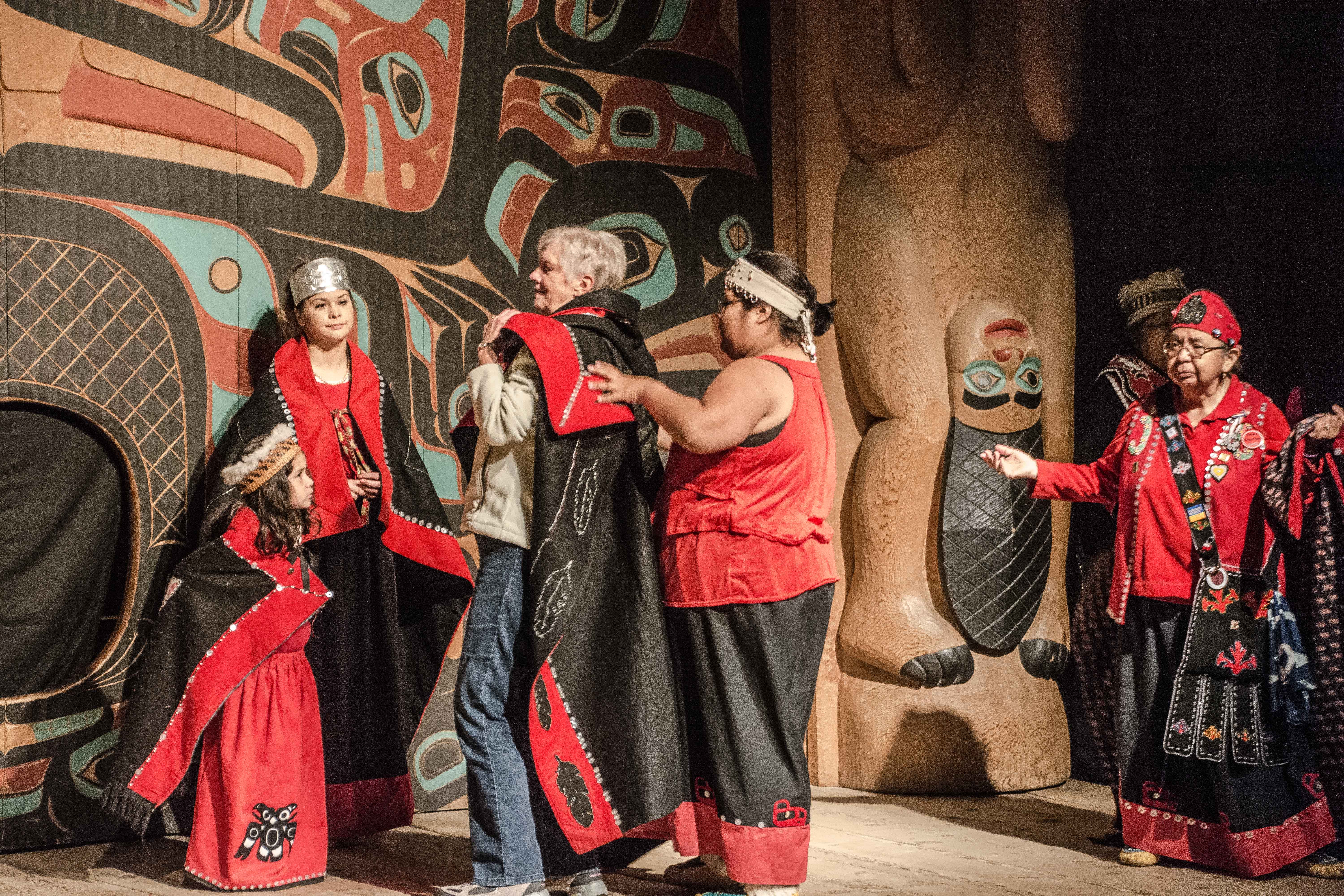
Preparing for Gwen’s dance participation.

Blog-0370

Gwen studying her mentor carefully.

Our tour was to an area just south of Ketchikan on the island we are on to a place where the largest of the three native populations has their central community. This native population is called Tlingit (pronounced “clinket”), and the location is called the Saxman Village. The village was established in 1896, combining a number of smaller such Tlingit villages into one. It is named for the priest who organized the establishment of this area, although he died before it could be completed. Apparently the native populations were suffering a small pox epidemic, thus the need to combine villages to enable a sustainable population to be maintained. Since the Alaskan gold rush was fairly close in time to this, I can only surmise the connection, but I’ll have to do some investigation to sustain my suspicion. The central part of Saxman village is the family lodge (beaver family, it turns out). This was built in the late 1890’s out of red cedar (one of three local species that are commonly available, the other two are spruce and alder). The cedar was fragrant as we walked in. Inside we were seated on wooden chairs (also made from cedar), and treated to a traditional dance and song ceremony. The singing and dancing was done by a group of Tlingit family members spanning ages 7 to 77,   It apparently is traditional for the Tlingit to welcome visitors in this way. For the last dance they invited anyone who wanted to participate, and Gwen volunteered. She was loaned a costume (or regalia, as they called it) and found a youngster who served as her mentor and guide.

Blog-0325

The Tlingit elder greeting one of the passengers.

Blog-0380

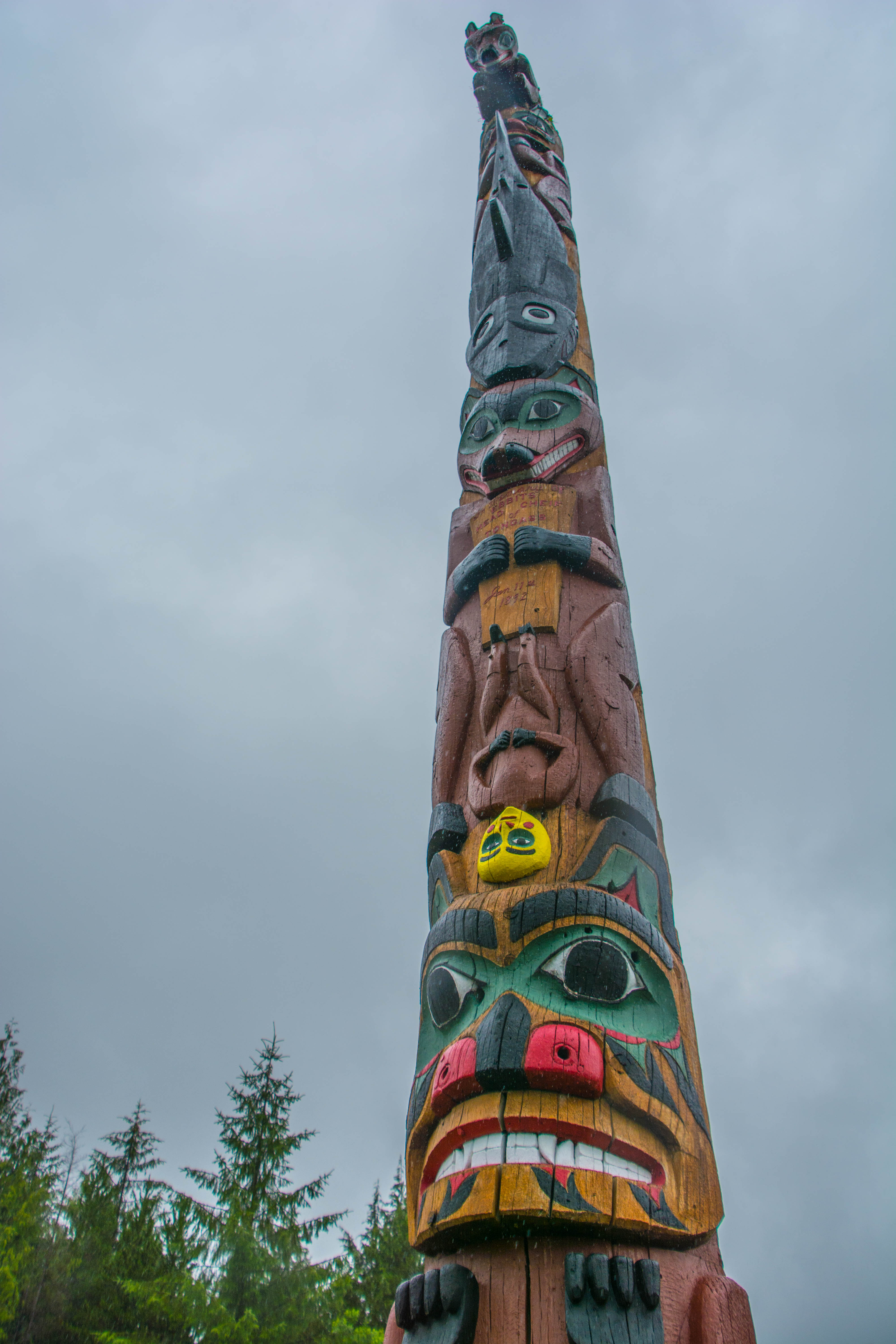
Totem poles are Tlingit tradition.

Earlier we were given a short film shown by one of the Tlingit leaders explaining who they were and giving us some background, and then introduced to one of the elders who was doing traditional beadwork.

Blog-0396

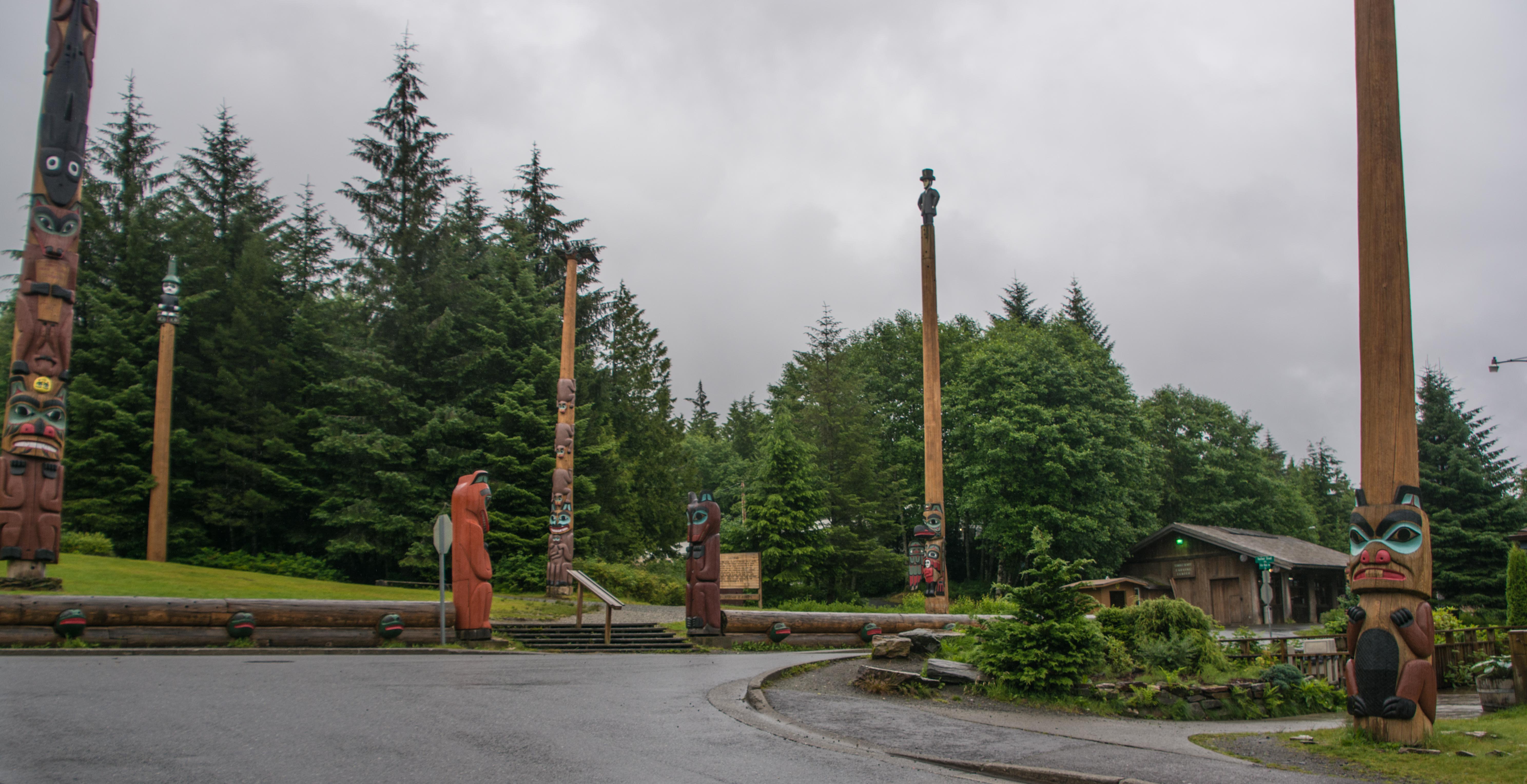
Saxman village green, marked by totems. The totem carver’s workshop is on the right.

Blog-0400

Abraham Lincoln’s totem, carved from a picture of his head and shoulders. The carver had no idea of his proportions, so we were told.

After the singing, we were taken to the local Totem carving shop, operated by one of the more famous Totem carvers (Nathan Jackson). Another of the Tlingit leaders gave us some information on the carving, and showed us some of the traditional tools. She told us that Totems cost anywhere from $1500 per foot to $4-6,000 per foot, depending on the skill level of the artist (apprentice to master craftsman). There were some interesting totems around the entrance area to the Tlingit house. Most had animals (birds such as eagles and ravens) on the top, but one had a likeness of Abraham Lincoln, and another had Seward’s likeness. The Lincoln one was carved to commemorate a visit from an American ship during Lincoln’s time as President, while the Seward one commemorated a visit by him to see his acquisition. He had apparently been the recipient of four different Pugwash events (large party where the local tribe invites all the friends and neighbors nearby to join in, and in the process spends loads of money). The idea, is that these Pugwashes are reciprocated, and as Seward didn’t do so, his totem is actually a totem of shame! It is colored as such with red ears and cheeks. The Tlingit folks were at great pains to help us understand their culture, and to feel their appreciation for our visit, and for our interest in their culture.

Blog-0553

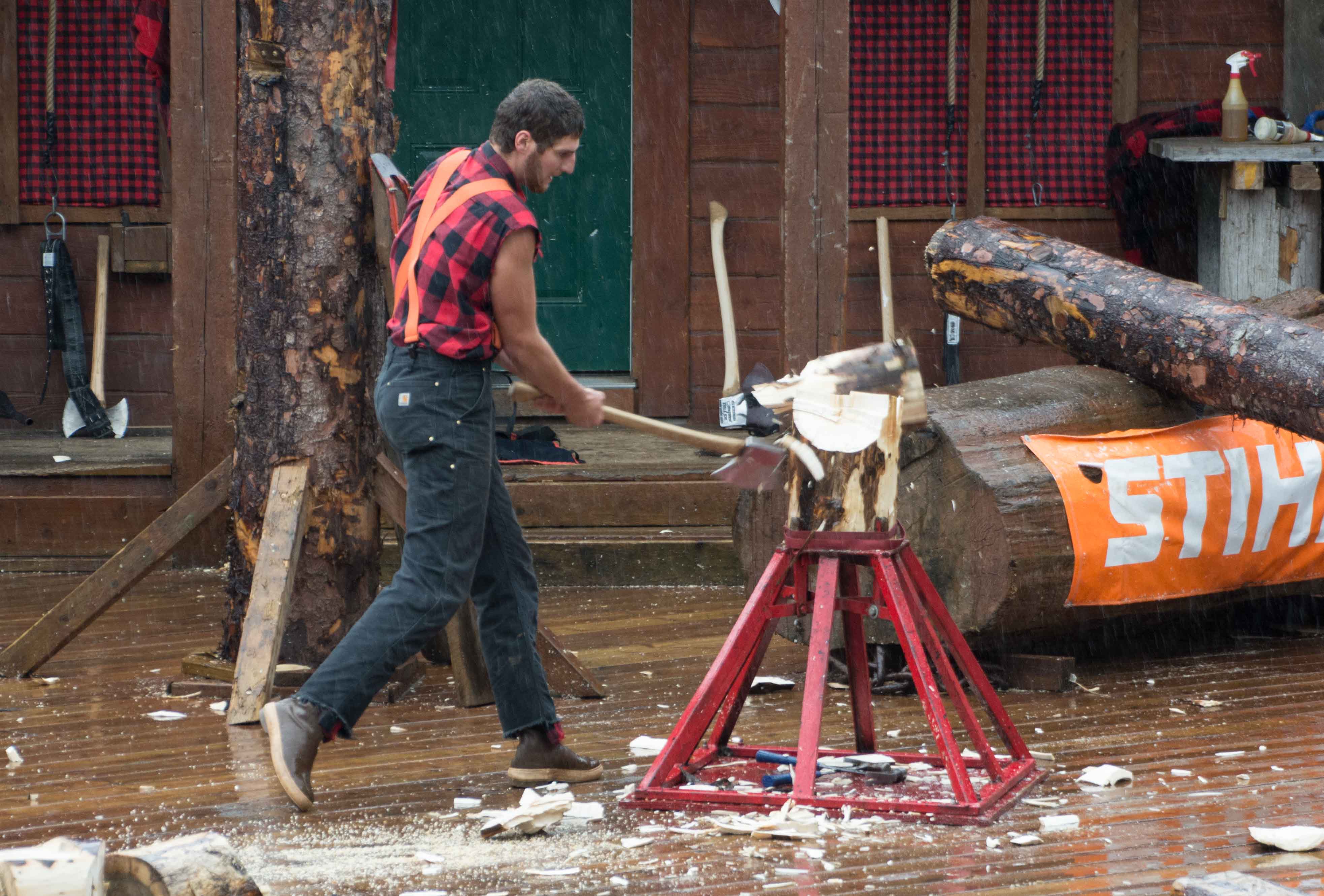
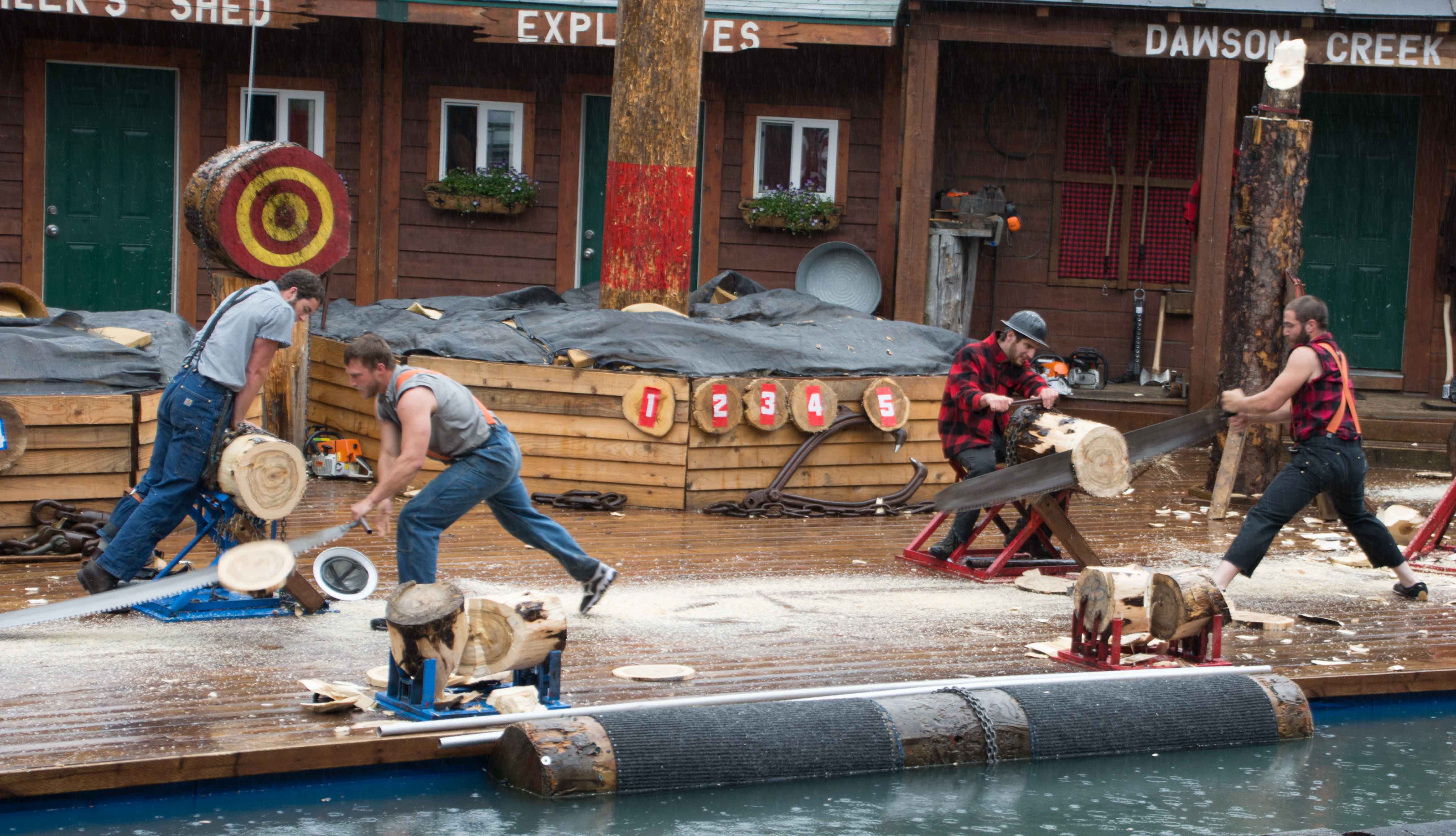
Chopping into a vertical post. The top part is falling behind.

Blog-0587

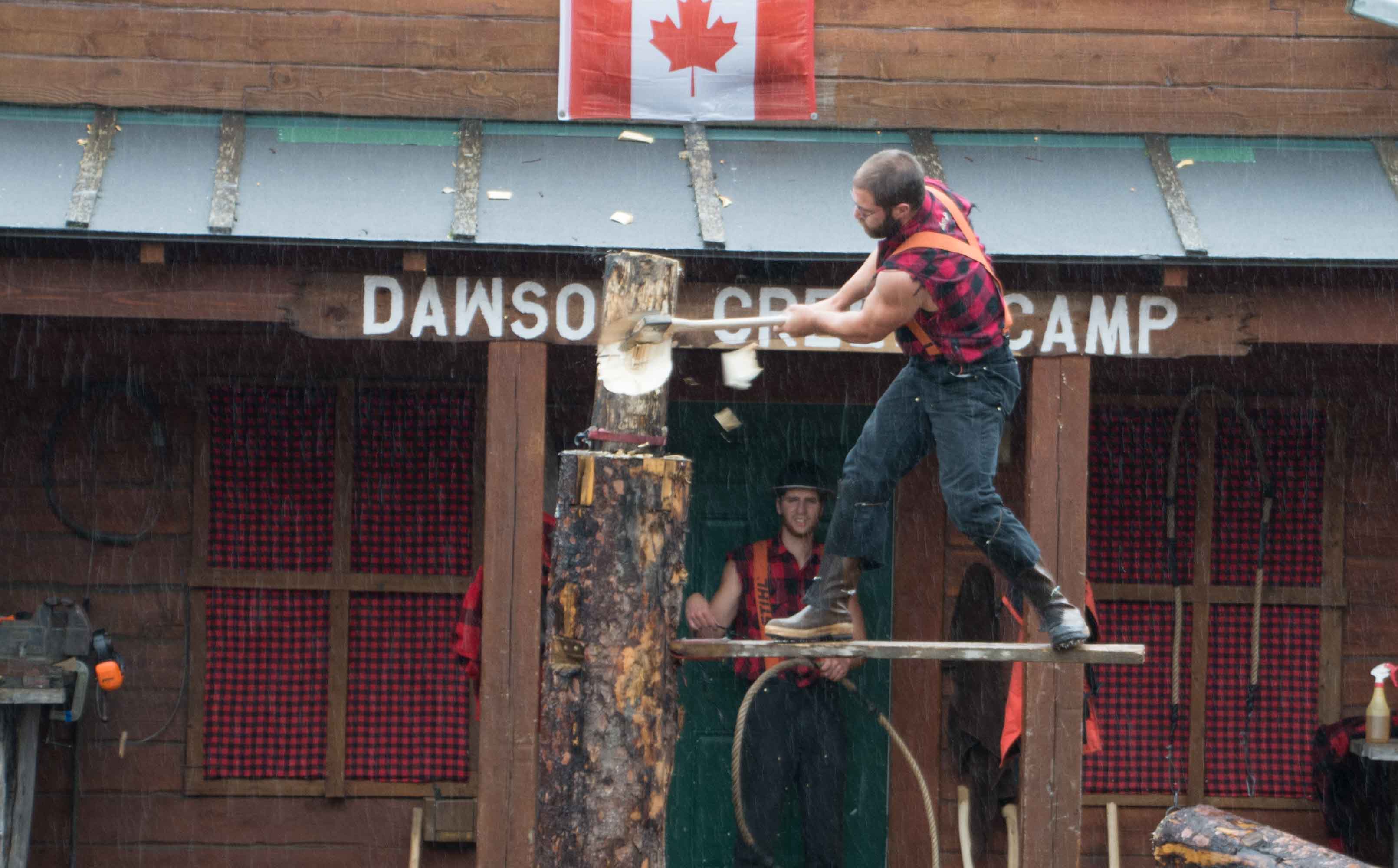
Chopping a vertical log as he is balanced about 10 feet above the ground on a simulated tree branch.

Blog-0651

Single-man cross cut saw competition.

Blog-0666

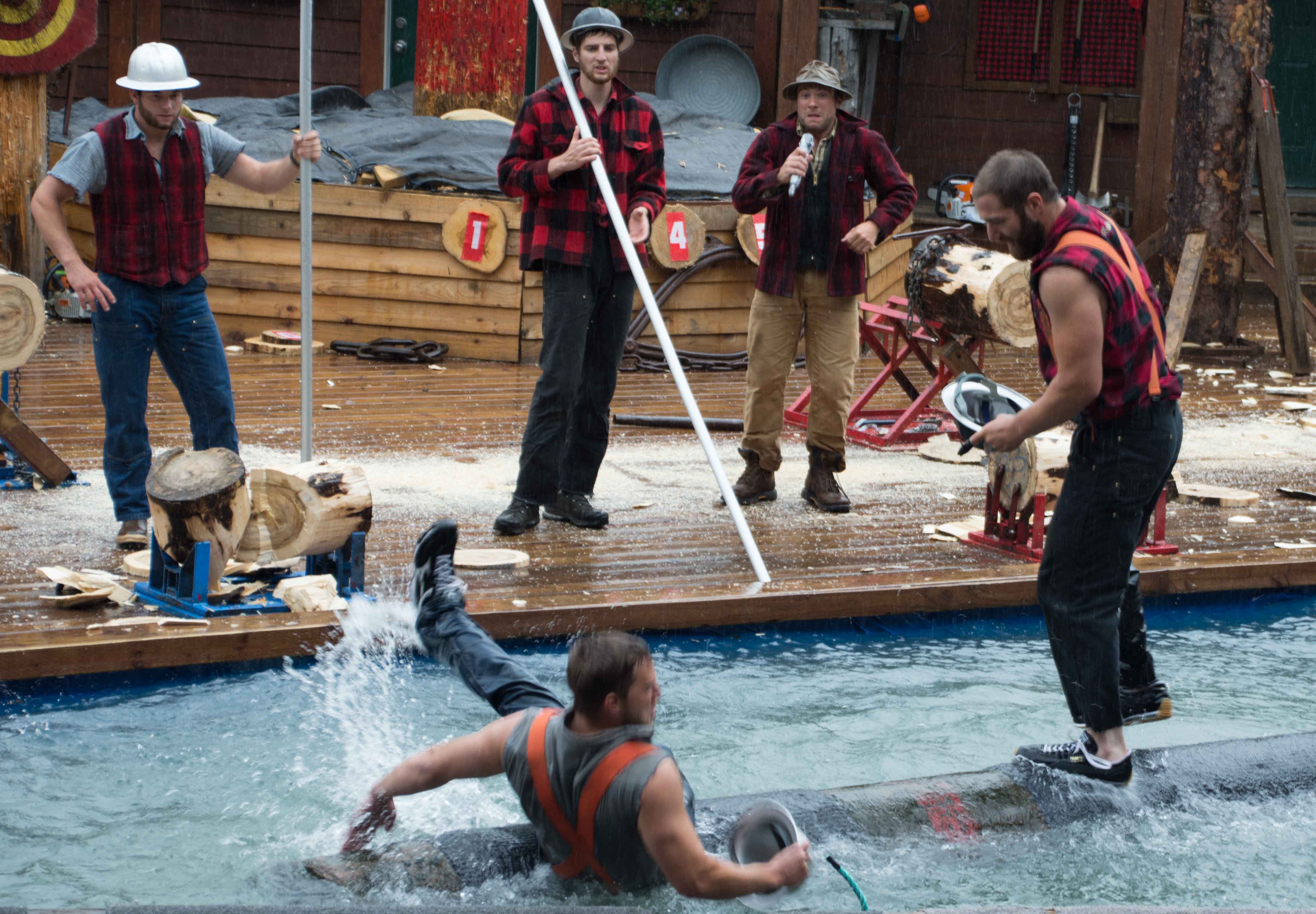
Splash!

The second half of our excursion was to see the lumberjack show. I thought this was going to be a part of a greater competition (you know, like a summer series), but it was a one-off for our fun, done twice a day. There are two two-man teams, one team member competing in each of eleven events. We as the audience are divided into two groups and cheered for our team while booing the opponents. The competitions apparently are real enough, and I believe they are doing their best to win, but it is nicely staged.  The eleven events are as one would expect of lumberjack competitions.   The competitors chop wood logs in half, both vertically and horizontally, and up high on top of a vertical log balancing on a beam wedged into a vertical “tree”.  They saw off disks with a single and double-man cross-cut saw, as well as with a chain saw, and throw axes at a wooden target. There are competitions to tie up and belay a log from one place on stage to another. The final event is the log-rolling, where one man from each team has to get his opponent off his log two out of three times. It came down to the end, but our team won (cheer, cheer!).
We then walk back to the ship and re-embark. We’re now on our way to the next stop, where we’ll visit and go on a wildlife watching tour in the afternoon. One thing that is noticeable to me is the number of float-planes that share the waterways we have been cruising in (especially the ports). They apparently look for clear water (and air, presumably), gun the engine and they are off.  Some are fast to get up, and others take their time.

2 Comments

Filed under Blog

December 11-14 2013

Hi, all,

Gwen and I are visiting San Francisco, but (as most of you know) not for vacation.  Sandy had her right knee replaced, and now in very recent retrospect, it is a tremendous success.  Gwen has been at the hospital with her each day, which leaves me free to “roam about the town.”

I have taken advantage of this luxurious time to visit on each successive day a museum close by to the hotel (right in downtown SF).  On Wednesday I visited the de Young Museum, Thursday the California Academy of Sciences, and on Friday the Legion of Honor.  Each has been fun to visit.

The de Young Museum is an art museum, with two exhibits taking up most of its floor space at the moment.  The first, and for me the most interesting, is a collection of David Hockney’s art work.  The second, and interesting from a different perspective is a collection of jewelry and other objects produced by the Italian company Bulgari between 1950 and 1990.

David Hockney is a contemporary artist whose work I have been totally ignorant of until now.  Not a surprise, I guess.  He was born in 1937 in the Yorkshire area of England, and was educated at the Royal College of Art in London.  The exhibit featured many portraits, mostly watercolors as a starter.  Early on, he created a form he called “joiners” which are photographs taken from a number of very similar angles and then pasted together.  He came upon this approach somewhat by accident while trying to avoid the distortion of wide-angle lenses at the edges.  His early version were made with polaroids.  There were only a few of these joiners on display in the exhibit, but enough to see how his interests evolved.  The most intriguing aspect of the show were the larger-than-life paintings and subsequent videos (created by joining together at the edges numbers of smaller paintings and videos).  These (at least the ones on display) are largely landscapes.  Each wall-size painting is done as a gathering of smaller (not really small, but say 16 X 40) canvasses each done (or started) at the original site, and then joined together to create the “bigger” painting.  Now imagine doing this several times throughout the year in the same spot to get at the seasonal differences.  Next step, align a number of digital cameras in a grid, stand them up on a moving vehicle, and then slowly drive the vehicle down a country lane.  Now play back the videos on large (60 inch diameter) screens aligned on a wall in an almost seamless grid.  Then come back and create the same video agaIn several times throughout the year.  Lastly, arrange these wall-size video montages on each of four large walls in a single room so you can see a season on each wall and you have the climax of this sequence.

This is but one theme of this collection.  In another area is to be found a series of large iPad devices each with a sequence of ‘paintings” Hockney did using the iPad and “Brush” software.  Who knew software-on-pixels could create such interesting art?  On more than one of these larger-than-life iPads the sequence of pictures displayed gives way to a quick-speed brush-stroke-by-brush-stroke recreation of the picture.  It is fascinating to watch how the picture is created using various “brushes”, then colors, throughout the process.

Other themes of the show: in one room are 25 charcoal paintings, yet another medium he has conquered (there are acrylic and oil on canvass, as well as the watercolors, pictures and videos already mentioned).  In another large room is a portrait collage he created using copies of portraits from as early as 1200’s through 1900, which resulted in his conclusion that starting about 1450 artists used aids such as “camera obscura” images projected on screens to assist them in creating a more realistic image.  Thus the development of perspective as well as realism in art at about that time.  He published his results and his rationale in 2001.  The collage, covering almost three walls, is arranged by date of origin, and shows plainly the evolution to life-like imagery.

The other exhibition at the de Young is the Bulgari.  Bulgari is now an international luxury goods and services company majority-owned by LVMH (since 2011).  LVMH is a conglomerate of well-recognized brand names, such as Louis Vuitton, Moet Hennessy, and Tag Hauer.   The exhibit, however, is focused on the period from 1950 until 1990, when the company was owned by the family of its founder.  In the early part of this period, the jewelry store (flagship in Rome, Italy) grew from a boutique jeweler to an international success story, helped along mainly by the fresh designs of Giorgio Bulgari and later by the business acumen of his son Gianni.  The style they got to be known for included colorful necklaces (including precious and semi-precious stones in a smooth (not cut into faceted faces) shape in settings of gold, silver and very occasionally platinum.  These necklaces changed in length and character to match the fashion styles created by the couture houses, anticipating (at least keeping up with) the changing clothing styles during this period.  On display are necklaces, bracelets, rings, broaches, and watches from the company’s vaults.  A few were worn (and owned) by Elizabeth Taylor, but many have been worn by the likes of Marilyn Monroe, Princess Diana, as well as any number of other socialites and stars through those years.  One bracelet type that with many examples is shaped like a snake with a watch in the bejeweled head.  The snake wound around the arm several times with each link having springs hidden inside to enable a snug but not uncomfortable fit.  Other jewelry created included broaches and necklaces in a style they named with the Italian word for “trembling”.  The stones and metal settings were set atop small leaf springs so that they shimmered as the wearer moved.  In their move to grow clientele, Gianni in 1966 opened shops in New York, Paris, London, and selected other cities.  The exhibit certainly gave me an understanding of how product imagination combined with business sense enables a company to grow through the years.

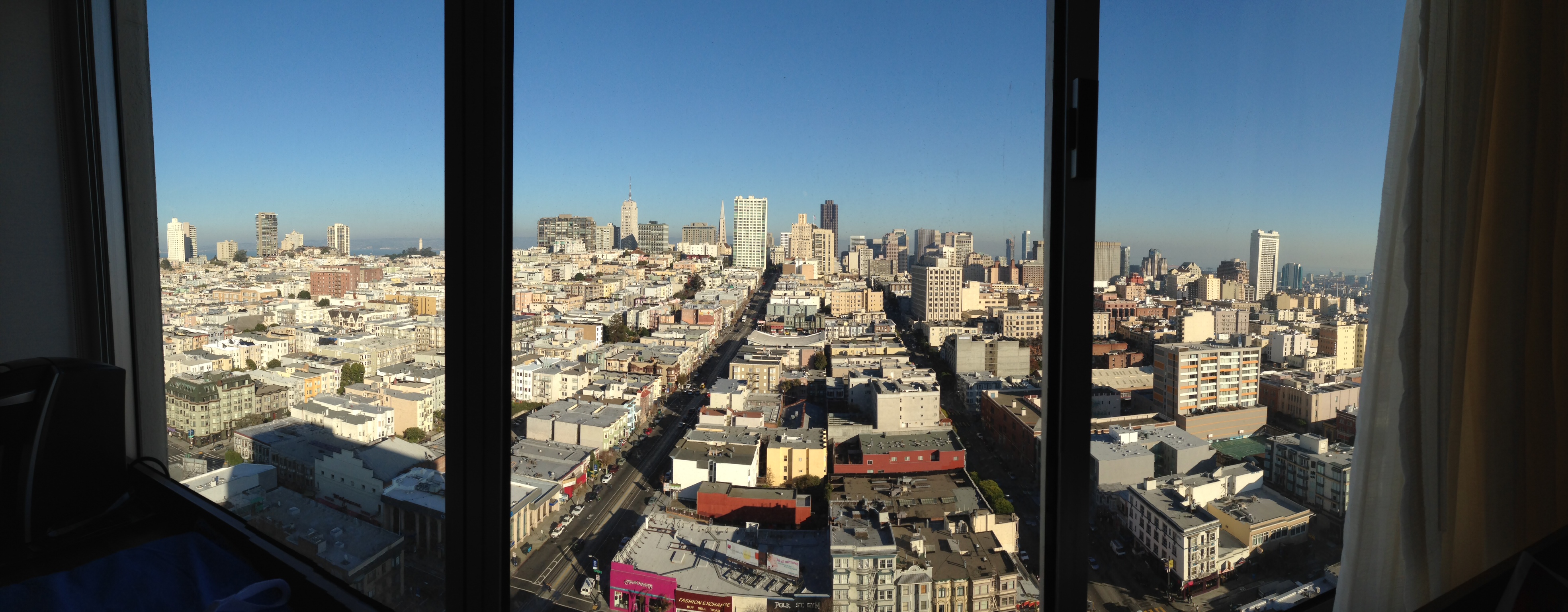
Before I go on to the other two museums, let me include a couple of pictures of the view from our hotel room.  photo photo 10The one on the left shows the whole view  from the window in a panorama format.  The right one shows the early morning views I got before I went out to visit the museums.

The second day i visited the Museum of Science.  I enjoyed the exhibits, and the change of pace from the art exhibits of yesterday.  The exhibits focus on topics of interest to California (and why not?) such as earthquakes, as well as issues of a more general interest, such as the environmental impact of the loss of rain forest areas.  The exhibit on the rain forest was fascinating.  It covered four “stories” of the rain forest, starting with the ground and lower level (with roots, streams, frogs and so on), then up to the mid-tier, with birds, branches and other animals.  Up to the third level you then go where the sunshine and air allows lots of birds and butterflies to get around.  photo 6Then it is into the elevator, down to the lowest level, a view of the streams from below (including the variety of animal life).  The afternoon was taken up primarily with two planetarium presentations.  The first one talked about the history of the earth’s more violent activities, earthquakes and movement of the earth’s surface over time.  The second one was about violence on a larger level — collisions of cosmic proportions — and the role they have played in creating the earth as it currently exists.

The third day I went to the Legion of Honor, another art museum.  Their visiting exhibit shows the work of Anders Zorn (of Sweden).  I was very impressed with Zorn’s work.  As described on the web site: “One of the most famous living artists at the turn of the 20th century, Anders Zorn (1860–1920) dazzled the art world with his bravura paintings, watercolors, and etchings. His early travels took him to Spain and Algeria where the intense color and light inspired the virtuoso watercolorist to perfect his craft. In Paris he emulated the Impressionists as a chronicler of modern life, while in America he rivaled John Singer Sargent as the most sought-after portraitist of glittering high society. Back at home Zorn captured his native folk culture and the serenity of the Nordic landscape.”    The exhibit adds some considerable information to this description, as you might expect, but this hits the highlights.  Zorn was born in a small farming community, which set two themes into his life.  First, he shaped his artistic talent to take best advantage of what was financially on offer, and second, once he and his wife were solvent, they spent their spare time and money insuring the maintenance of crafts and cultural aspects of their Swedish heritage in the area of Zorn’s growing up (around Mora, Sweden).  He lived during the time of the Impressionists, and took from their approach what he could use, but he was much more focused on his customers.   He was a portrait panter extraordinaire, and he used this talent and his social sophistication to build clientele from the top tier of society.  He had as subjects three US Presidents (Taft, Cleveland, and T. Roosevelt), the Swedish King, and many of the well-to-do of turn-of-the-century society in the many places he spent time.  He visited the US seven times, lived in England and Paris for several years each, and then finally resettled he and his wife back in Sweden.  Early on he perfected the art of representing water (lakes, rivers, ports, etc.), and his skill at this is truly exceptional.  His other great subject was himself — he did quite a few self-portraits.  He and his wife never had children, so when she died (in 1942), their estate, which included a museum of art works they had built up over their life, an outdoor museum of some 40 buildings which they had moved to the area where they lived in Sweden (ostensibly to ensure that the craftsmanship needed to build such houses would not get lost) and his art studio retreat (a building a few miles away from their home) all were willed to the Swedish state.  He remains a well-known artist in Sweden, but the rest of the world has more or less forgotten him.  Why?  One theory is that he created no new schools of art, he was “just” one of the greatest creators of artwork of his time.

The Legion of Honor houses one of the largest collections of Rodin sculptures outside of Paris.  It seems one of the patrons of the museum (Alma de Bretteville Spreckels) had an early interest in the works of Rodin, and her collection is now the center of the Legion’s sculpture collection.  There are many other works of art, running from the early 1500s to the Impressionists.  I only had a brief walk-through the galleries after visiting the Zorn exhibit, but enjoyed it.

photo 4On coming out, I started down the back side of Lincoln Park to find my car, and happened upon this view of the Golden Gate Bridge.  What a surprise!

So, I am quite happy that Sandy has successfully survived the replacement of her right knee (and at this point is still recovering at a speed that far exceeds all predictions).  I am happy that Gwen volunteered to spend time helping to assure her stay in the hospital was a comfortable one (at least as much as it could be).  This happy confluence of events provided me with the opportunity to visit some fascinating exhibits, and to see parts of San Francisco I had not seen before.  Merry Christmas, and Happy New Year 2014!

Leave a comment

Filed under Uncategorized

October 10 and 11, 2013

October 10, 2013

We’re getting very homesick.  Gwen had (very logically) determined that the 8-hour “dash” from Madison to Clarkston would be too long for one day, so based on recent past experience, we decided that a stop in Munster, Indiana would at the Center Theater to see “Godspell” would be a good break.  She found a Holiday Inn near the theater, and the reservations were made.

The first leg of our now two-legged journey home takes us ross Wisconsin and into Illinois.  This is the most immediately expensive part of the trip – with toll roads being the norm for our driving.  Wisconsin gets the prize for least hospitable (or perhaps “most cheeky” as the British would say) as they charged us tolls almost the entire way for driving 45 miles an hour on temporary roads beside the roads they are in the process of constructing.  In Illinois, the toll roads are already well-constructed (and well-traveled).

We get to Munster in plenty of time for the 2:00 pm matinee showing.  To kill time, Gwen looks up barber shops for me on her iPhone, and sure enough there is one a block away.  They are just the kind of shop I like: an independent (not chain) barber shop with a pleasant atmosphere and no waiting.  The woman barber does an excellent job, and I’m ready to go in half an hour.

Over to the theater we go, still with plenty of time.  Our fellow audience members are at least as old as we are, but I suspect that is being generous.  In any case, the music is good, the audience appreciative, and we are happy for the break.  We go to a local restaurant for dinner at the recommendation of the hotel, and it turns out not to be up to what we had been enjoying, but hey, it’s food, and back to the hotel we go.

Tomorrow: home!

October 11, 2013

And the last five hour drive to home is complete.  It is now relatively routine, and we are definitely happy to be home.  The fish pond has cleared up (mostly), and the next steps are mundane chores, like laundry and going through the mail.

Until next trip, thanks for listening!  Here’s a few more pictures from our trip.

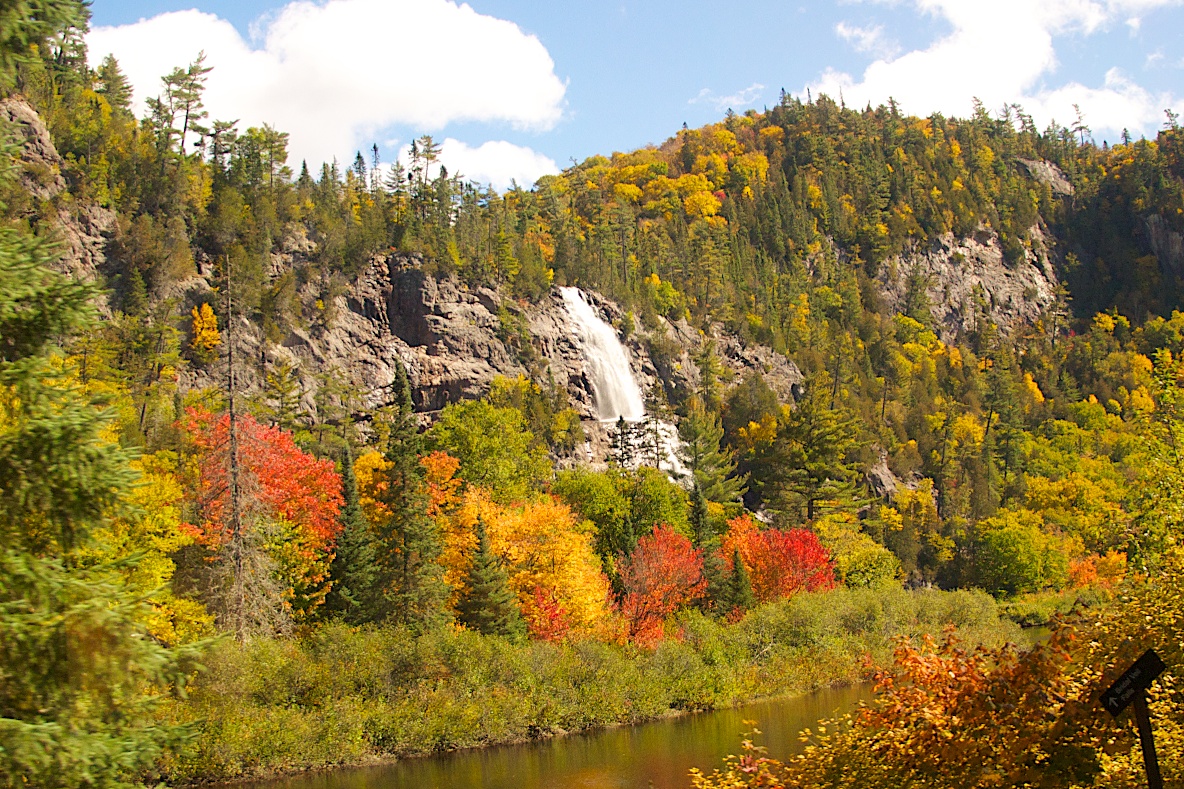
Upper Pen trip 7 Oct  017 Upper Pen trip 7 Oct  001 Upper Pen trip 1 Oct  006 Bridal Veil Falls in Agawa CanyonUpper Pen trip 5 Oct  100 Upper Pen trip 5 Oct  101

Andy

1 Comment

Filed under Uncategorized

October 9, 2013

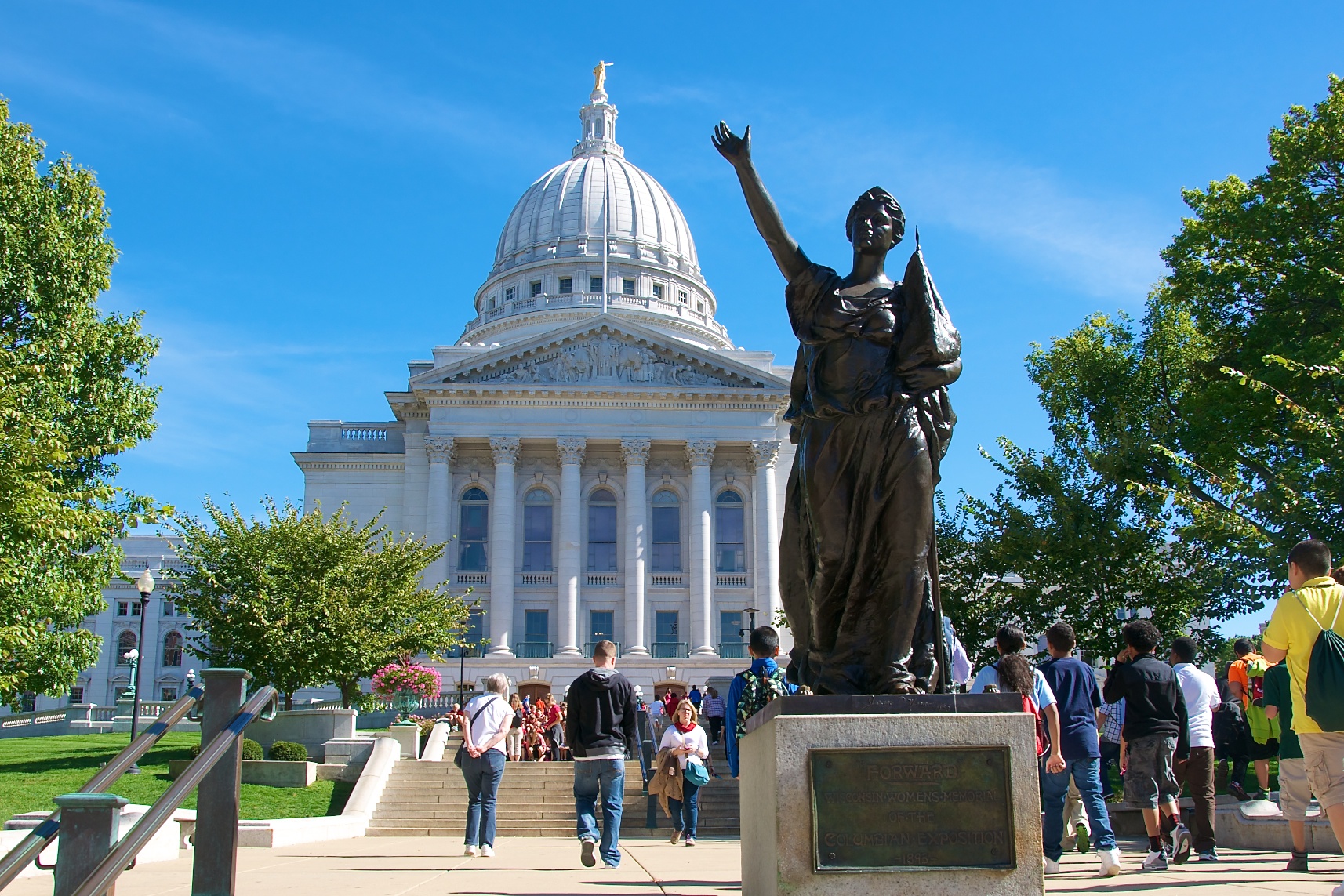
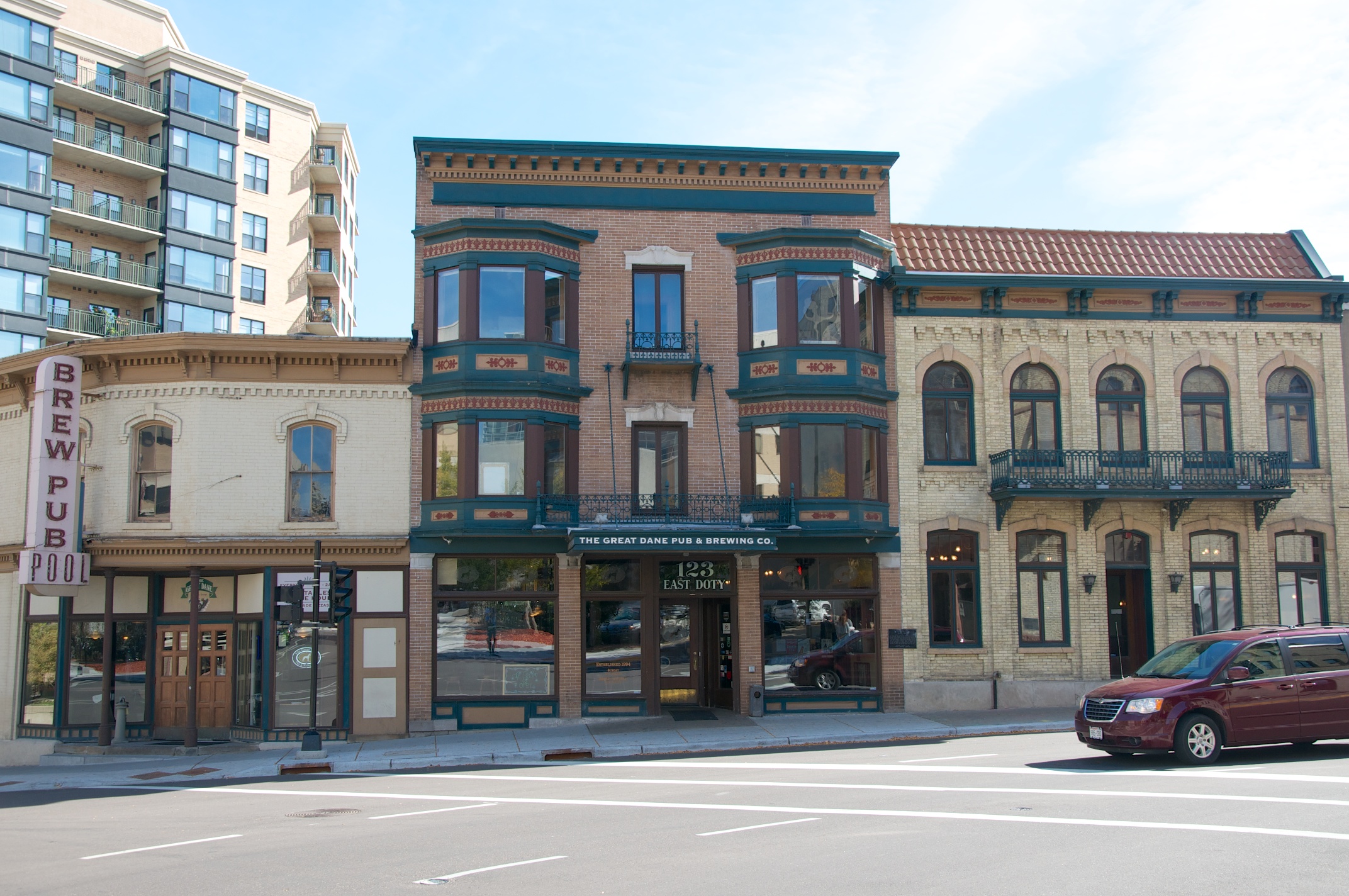
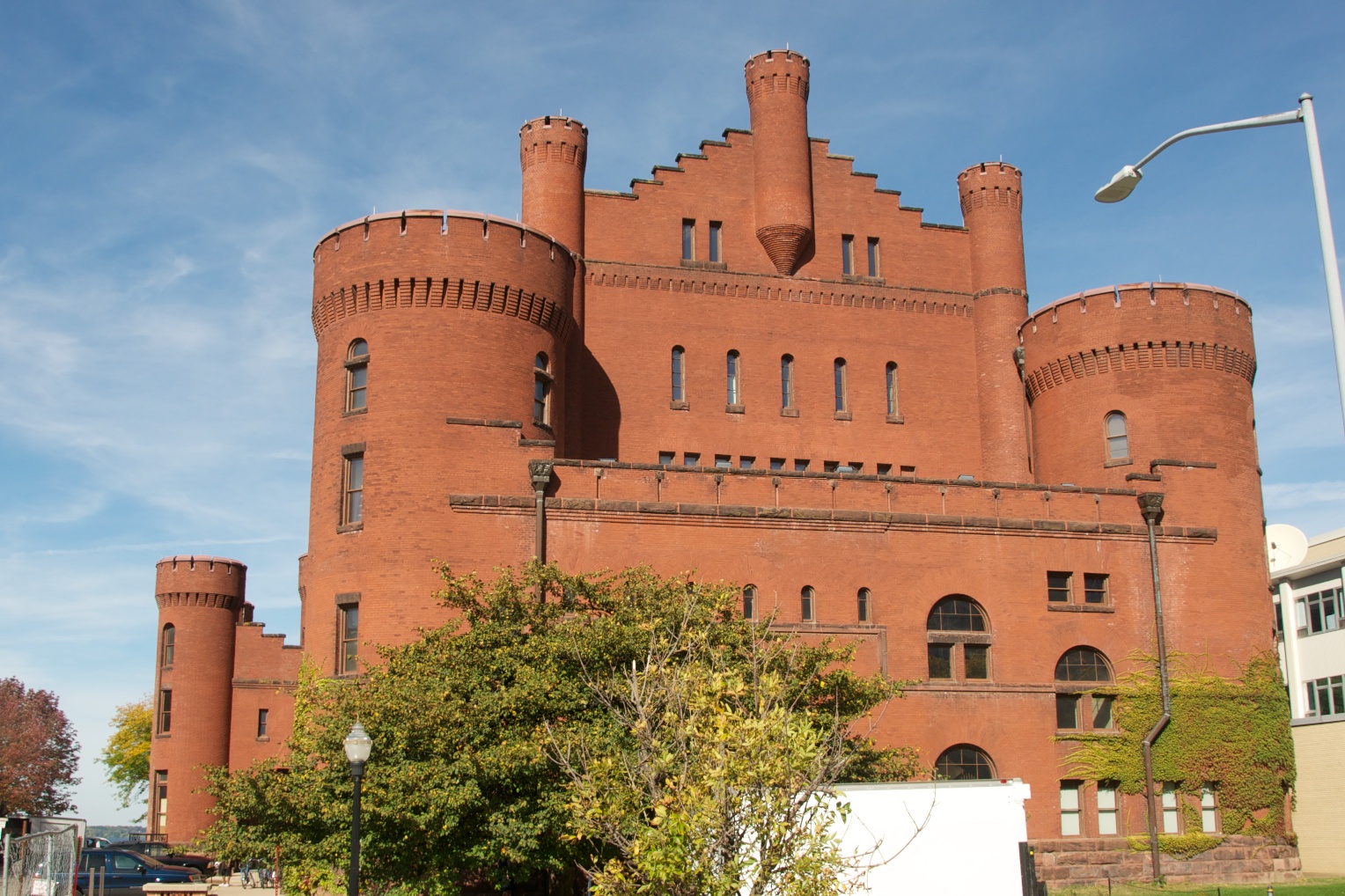
The weather continues to smile upon us.  Chilly mornings give way to low-to-mid 70’s and blue skies by mid afternoon, cooling down a bit in the evenings. The sites for today include the Wisconsin Capitol building, the Museum of Contemporary Art, the Memorial Union, and the Botanical Gardens.  We decided to do a late start, as the art museum doesn’t open until noon.  We did get an early breakfast, however, at Denny’s. The Capitol building is indeed remarkable – a marble rotunda under a spectacular dome that rivals any I’ve seenUpper Pen trip 10 Oct 50 is surrounded on all four sides by office areas labeled in black on translucent glass with the names of those inside.  We arrive as one group of school kids are leaving, and get intermixed with another arriving.  To say the least, it makes for a noisy experience. The Museum of Contemporary Art indeed opened on time.  Its main displays are part of an on-going reference to Wisconsin’s contemporary art scene called the Wisconsin Triennial.   As is my experience with contemporary art, some of it is enjoyable, some of it is trite, and all of it is thought-inspiring.  Some examples: an eight-minute looping video of a large waterfall with tourists moving in front of, taking pictures of, and then leaving the scene; a video of people first describing their thoughts on, and then actually falling from a standing position; a floor-to-ceiling cascade of orange plastic ladder-fencing; a 15-minute video with sound effects put together around the titled theme “The End of Angels”; a pictorial entitled, “Industrial Still Life”, with concrete, steel, pavement, and other structural elements; and an exhibit of photographs of places where homosexuals had been beaten to death in some notorious incidents of the last 20 years.  In another exhibit hall, there are examples of works by Diego Rivera and the other leaders of the early 20th century Mexican art world.Upper Pen trip 10 Oct 50 (1) From here, we go to the Great Dane pub, another excellent recommendation from Suzie.  Gwen and I share a Mac and Cheese with brat plate, in addition to a great local stout (for me), and ice tea (for Gwen). Upper Pen trip 9 Oct  001The next stop is the Memorial Union, less than a mile’s walk from the capitol building.  The walk was fun – there is a variety of shops along the way, and the Memorial Union is well worth seeing.  The back side sits on the shores of Lake Mendota, with lots of tables and chairs to take advantage of the view.  The place was, as might be expected, awash with students taking advantage of the good weather to do their studying outside.  Upper Pen trip 9 Oct  003We walked through the ground floor, with its many sitting areas.  This certainly would have been an enticement to go to this school, especially on a day like today!  Next door is this incredible red castle of a building, which advertises itself as a gymnasium.  It is an imposing structure with a front that is probably sixty foot tall, stylized windows, large circular features, and plenty of bricks.Upper Pen trip 9 Oct  002
After stopping at “Scoops” for ice cream (yeah, this trip is definitely all about the food), we picked up the car and headed to the Arboretum.   This is a surprisingly large land area not too far from the downtown campus.  It consists of land which had been purchased during the depression of the 1920s and 30s.  At that time, it was cultivated pastures and prairies.  With careful planning and with the help of the Civilian Conservation Corps initially and countless paid and volunteer hours since, it has been turned into restored natural prairies, savannahs, wetlands and woods.  This is on-going work, but needless to say, it is well along its way.  It was fun to visit, but it was too late in the day to take full advantage of it.  I just wandered around the area near the Visitor Center. Upper Pen trip 9 Oct  004 Upper Pen trip 9 Oct  005We went back to the hotel after this to pack and get set for the push home.  To break up the last ride, tomorrow we go to Munster, Ill, and see “Godspell”, and then on Friday, it is homeward bound.

1 Comment

Filed under Uncategorized

October 8, 2013

Today the goal is to get to Madison, only about an hour and a half away.  Big decision: should we go to Talieson or not?  Talieson is another half an hour beyond Madison.  It is where Frank Lloyd Wright lived and worked while in Wisconsin with his second wife, and the place to visit is his workshop/home here.  In the end, we decided to forego it, but partly that was because of the other things we found to see and do.

After checking into the hotel here, we head to the Olbrich Botanical Gardens, one of the highest-rated tourist attractions in the area.  Once we get there, it is clear why.  The gardens are not huge in area.  Upper Pen trip 7 Oct  006 Upper Pen trip 7 Oct  008

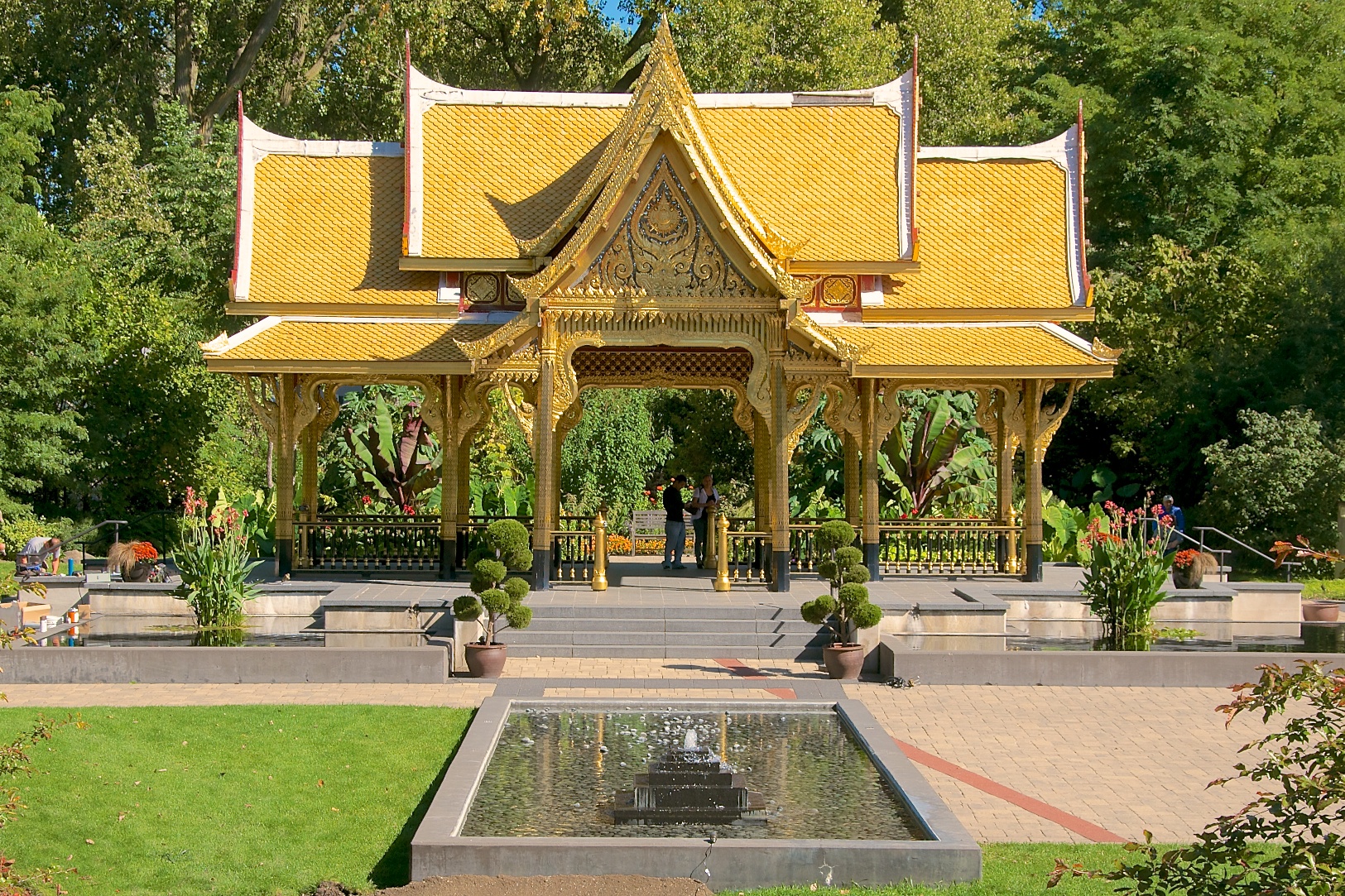
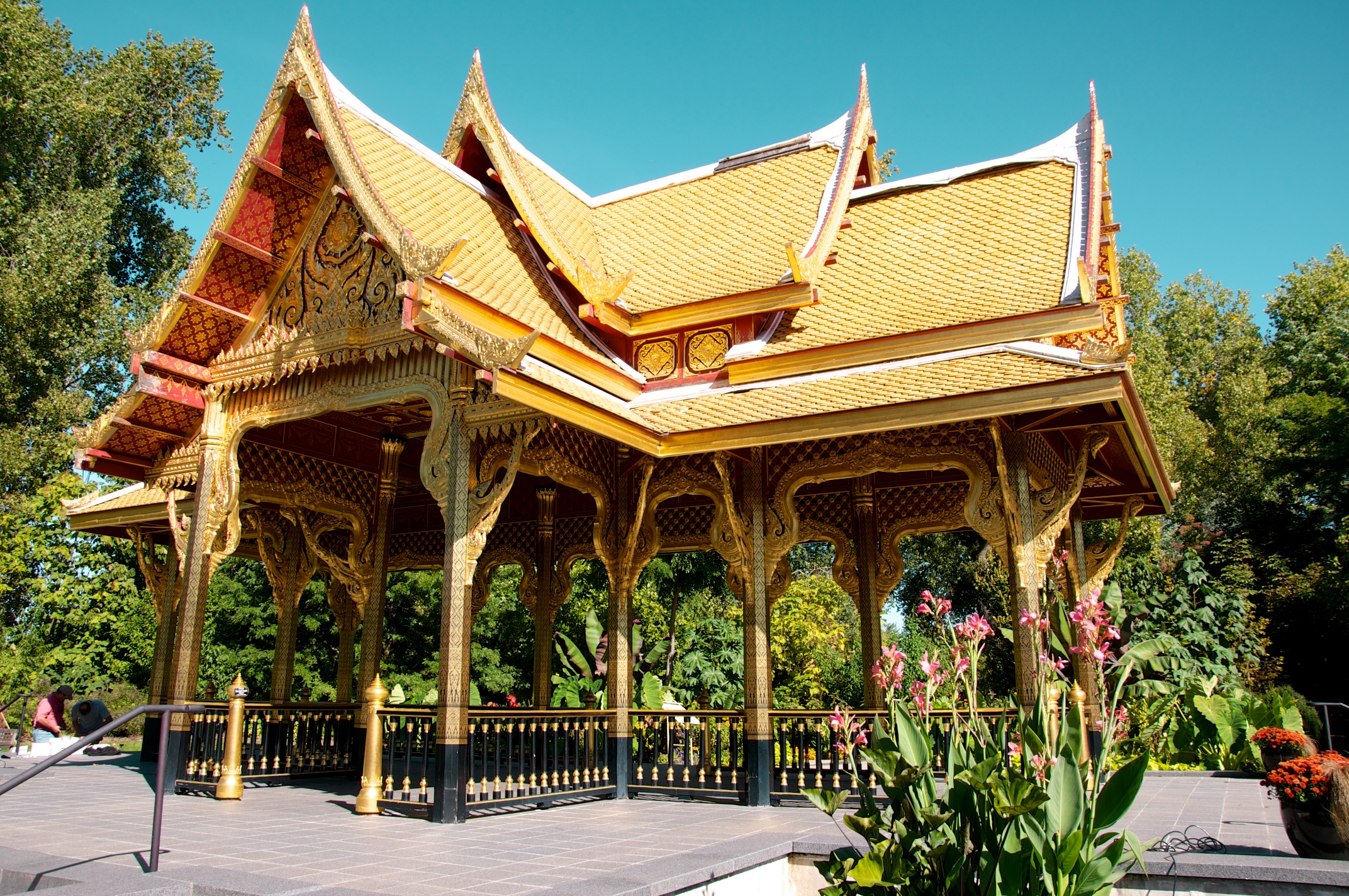
They cover a reasonable expanse  (16 acres), however, and they are certainly large in variety of plants and settings, color, and butterflies which are enchanting, and beautiful to see.  Starkweather Creek borders one side, although the Thai Garden is on the other side of the creek from the main garden area.  In addition to the gardens themselves, there is a large conservatory (which strangely is the only part of the complex for which there is an entrance fee).  Within the gardens are the aforementioned Thai Garden with the Thai Pavilion  Upper Pen trip 7 Oct  021

as its central feature, a central circular grassy expanse, and a very large convention-center-like building complex.

Upper Pen trip 7 Oct  026We spent a couple of hours wandering around in the garden areas, enjoying the color and variety.  Upper Pen trip 7 Oct  016 Upper Pen trip 7 Oct  018

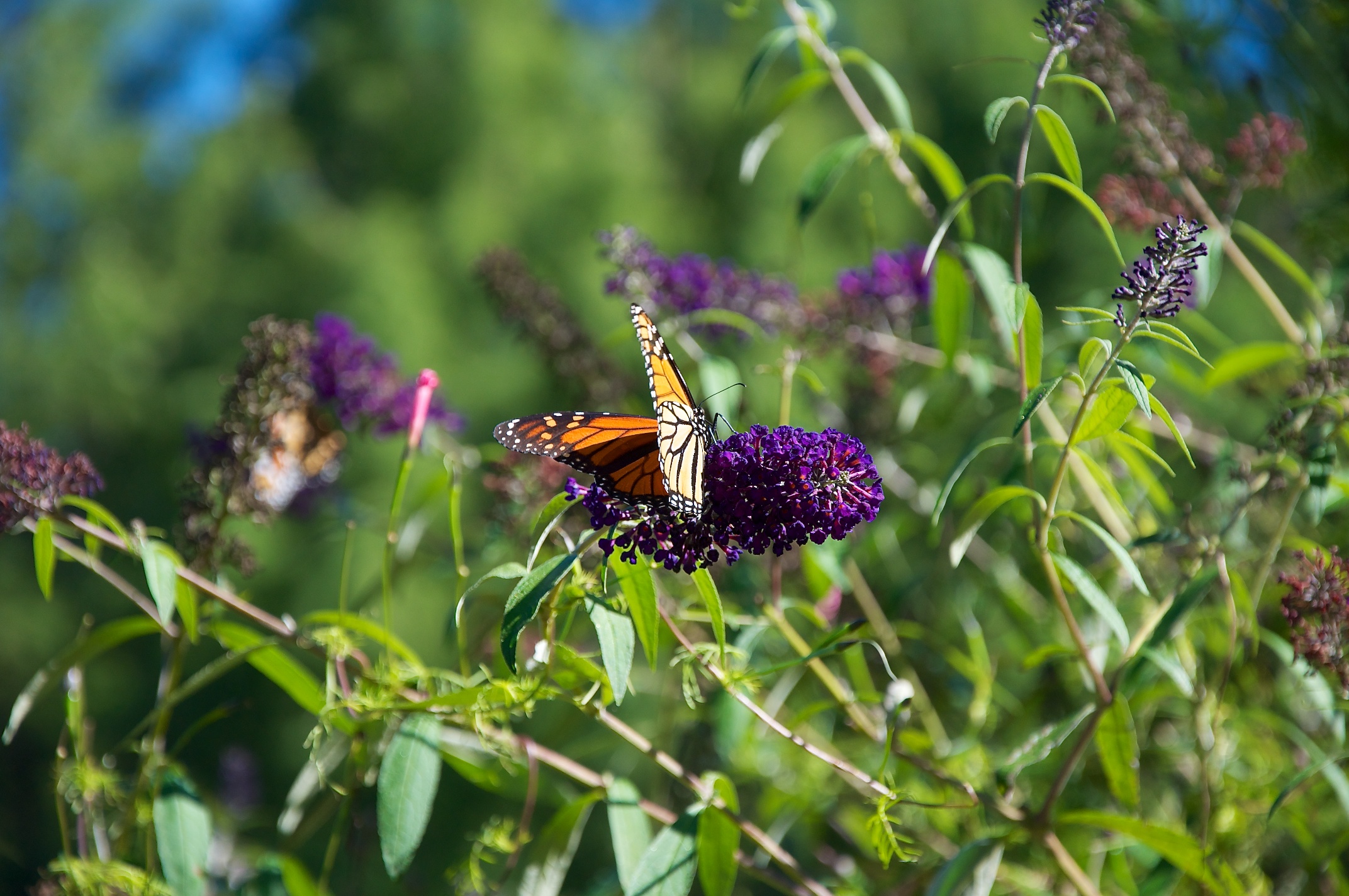
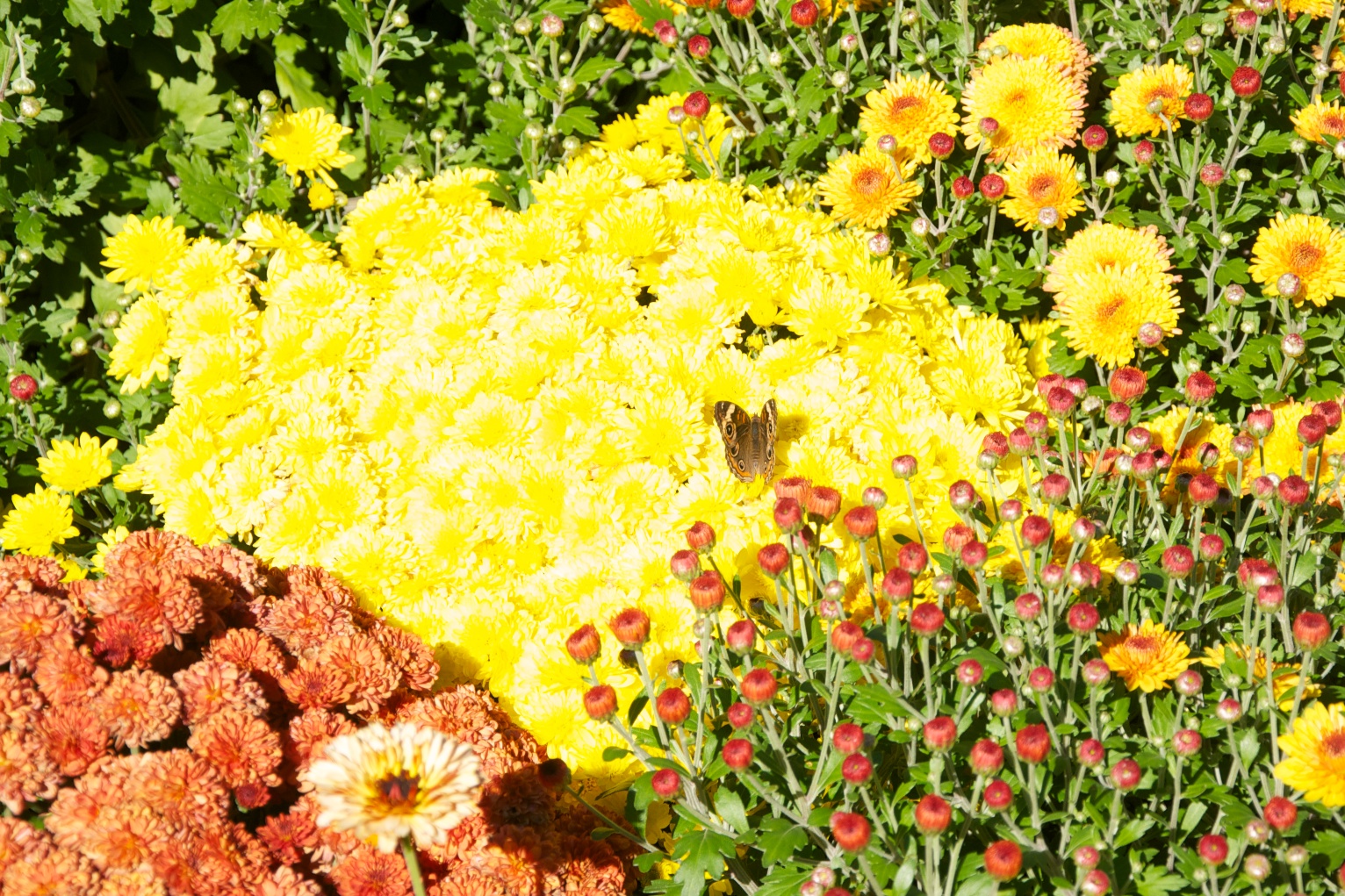
The herb garden was especially remarkable for the numerous butterflies and bees which inhabited the flowers.  I really enjoyed the rock garden, with a small stream flowing through it, and several pools formed as the water made its way along.  Alongside were a variety of juniper and pine trees, emphasizing the number of different shades of green there are.  The herb garden was nice for the ability to take pictures of butterflies especially in the purple flowers.

Upper Pen trip 7 Oct  009 Upper Pen trip 7 Oct  014

The Thai Pavilion was a gift to the Orbich, installed by a group of Thai workers who came over specifically to establish the work of art in place and to plant the gardens around it.

Upper Pen trip 7 Oct  019 Upper Pen trip 7 Oct  023

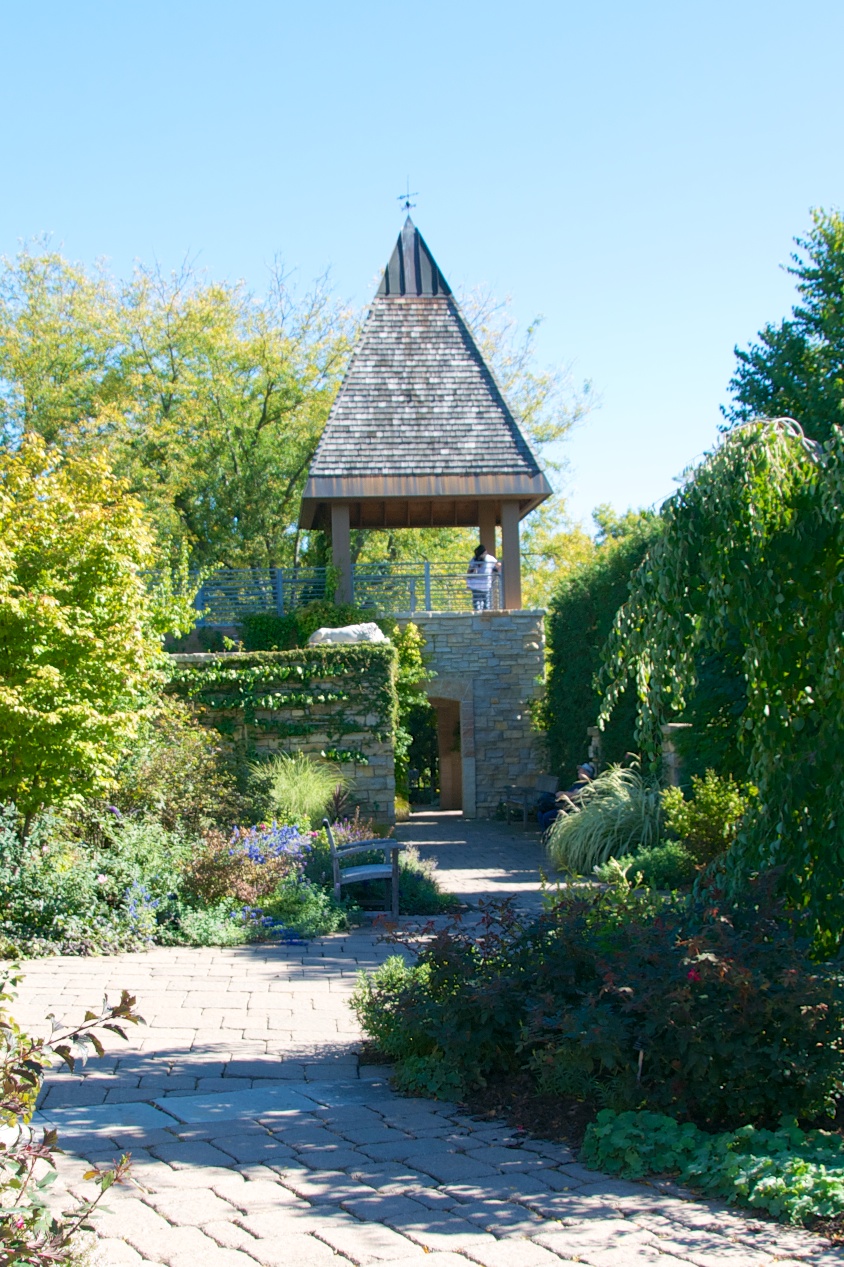
Back in the garden, one of the highlights is the tower, which gives a second-story view of the garden as a whole.

A beautiful day; a really nice way to spend it.

Upper Pen trip 7 Oct  028 Upper Pen trip 7 Oct  027

We ate dinner at the restaurant in the hotel, enjoying a pizza (Gwen), and a small steak with truffle-béarnaise sauce.

Tomorrow, Madison itself!

2 Comments

Filed under Uncategorized

October 7, 2013

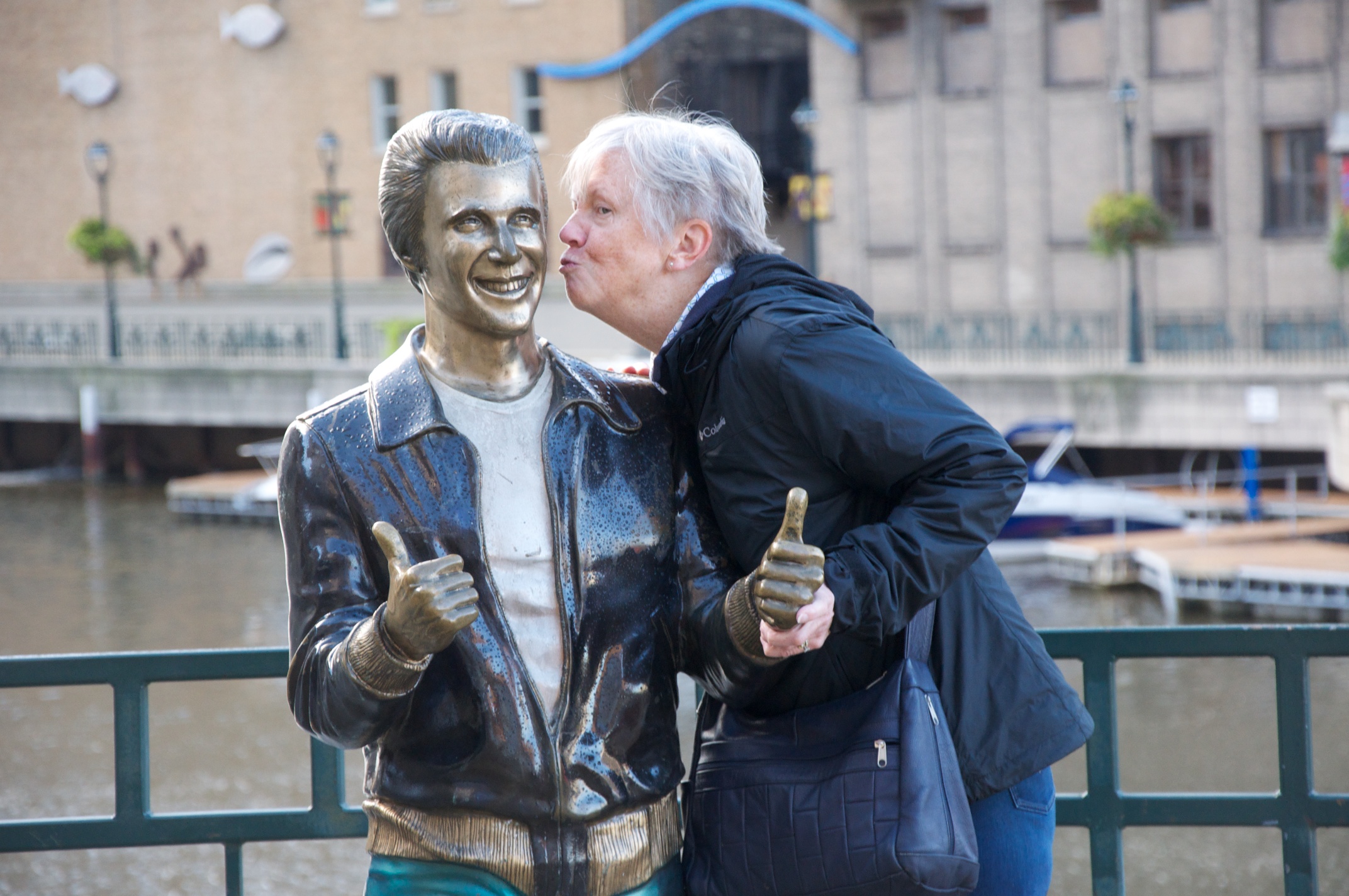
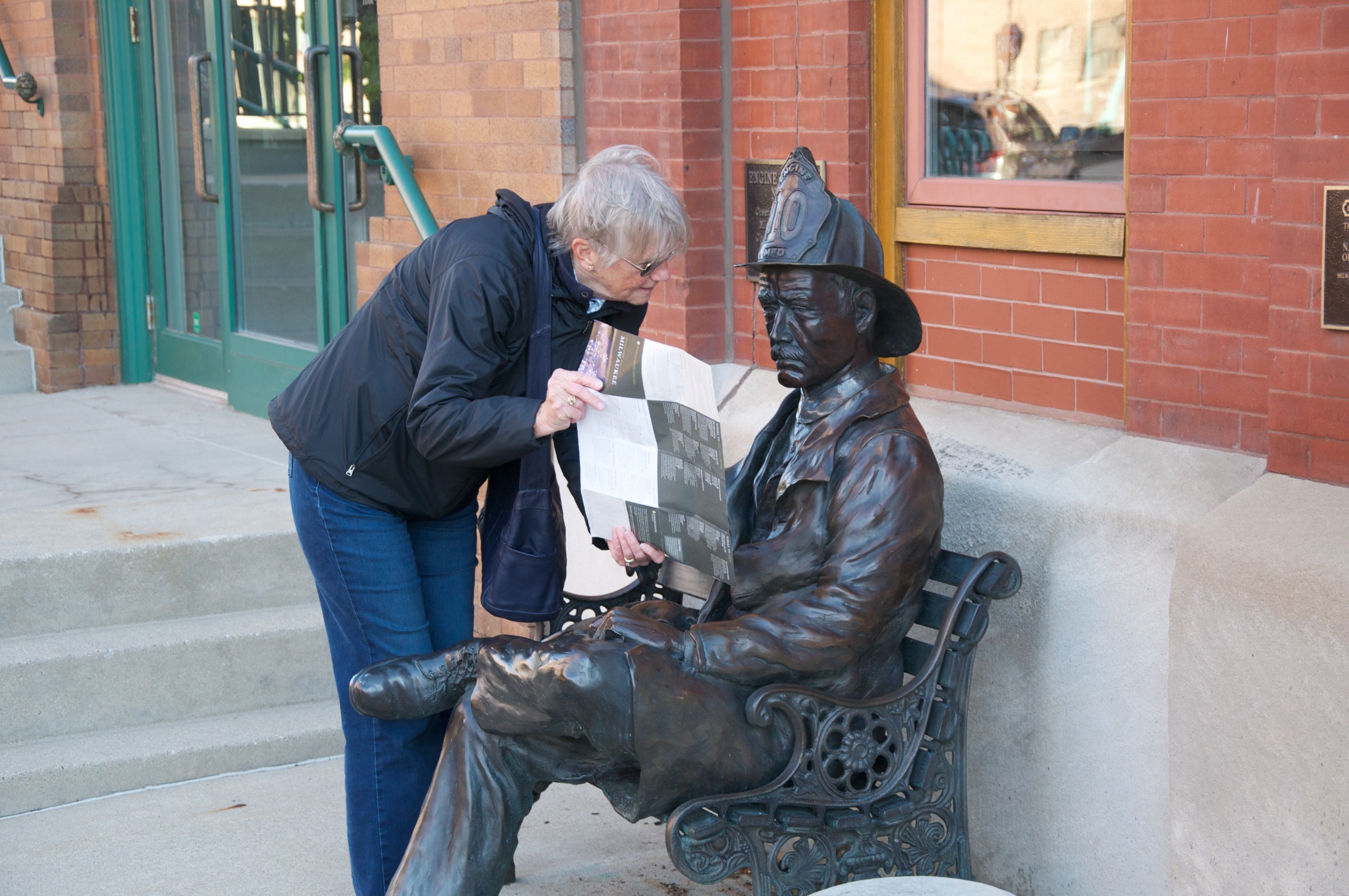
Well, the morning is cold, but the weatherman promises clearing, so we’re going to take the chance and walk to the Historic Third Ward.  The (Milwaukee) River Walk is indeed unique.   Upper Pen trip 6 Oct  002Notice the sculpture on the wall.   Along the way, a bronze Fonzi is available to kiss.Upper Pen trip 6 Oct  001   Even the manhole covers are each a unique design.

The gate to the Historic Third Ward is (on the side we came from), the Public Market, not yet open when we first come through.  When we come back later, it turned out to be a grocery store of yesteryear, with many individual stalls not quite demarcated from each other, but each an independent purveyor of foodstuffs.  Kyle and Suzie would like it – there are spices in all sorts of combination and mixture for use in cooking.  Chocolates of every variety overwhelm the senses to the point where it is impossible to choose just a small assortment.  (An interesting thought – how about a chocolatier that interviews the client about their desires in chocolate and then presents only those that fit the description: for me, it has to be dark chocolate, so immediately all milk chocolate is gone.  Then I say I like cherries in combination, and so all chocolate that don’t involve some cherries are not visible, and so on until the chocolates presented are few enough that a selection could be made.  Would this decrease the desirability of the experience?)  Anyway, meats, cheeses, noodles and a variety of fruits and vegetables; all are available in great abundance.  But that is later.

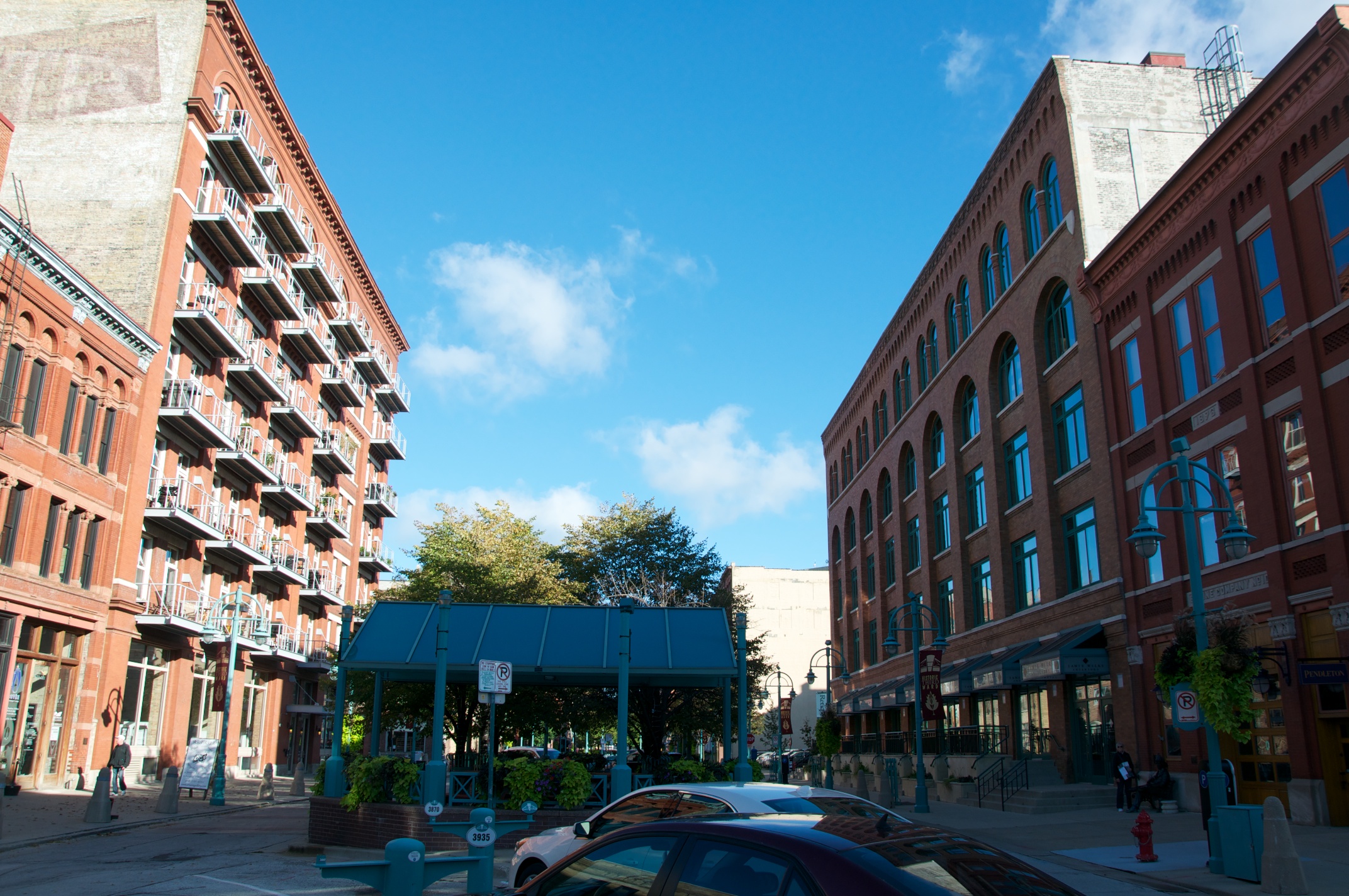
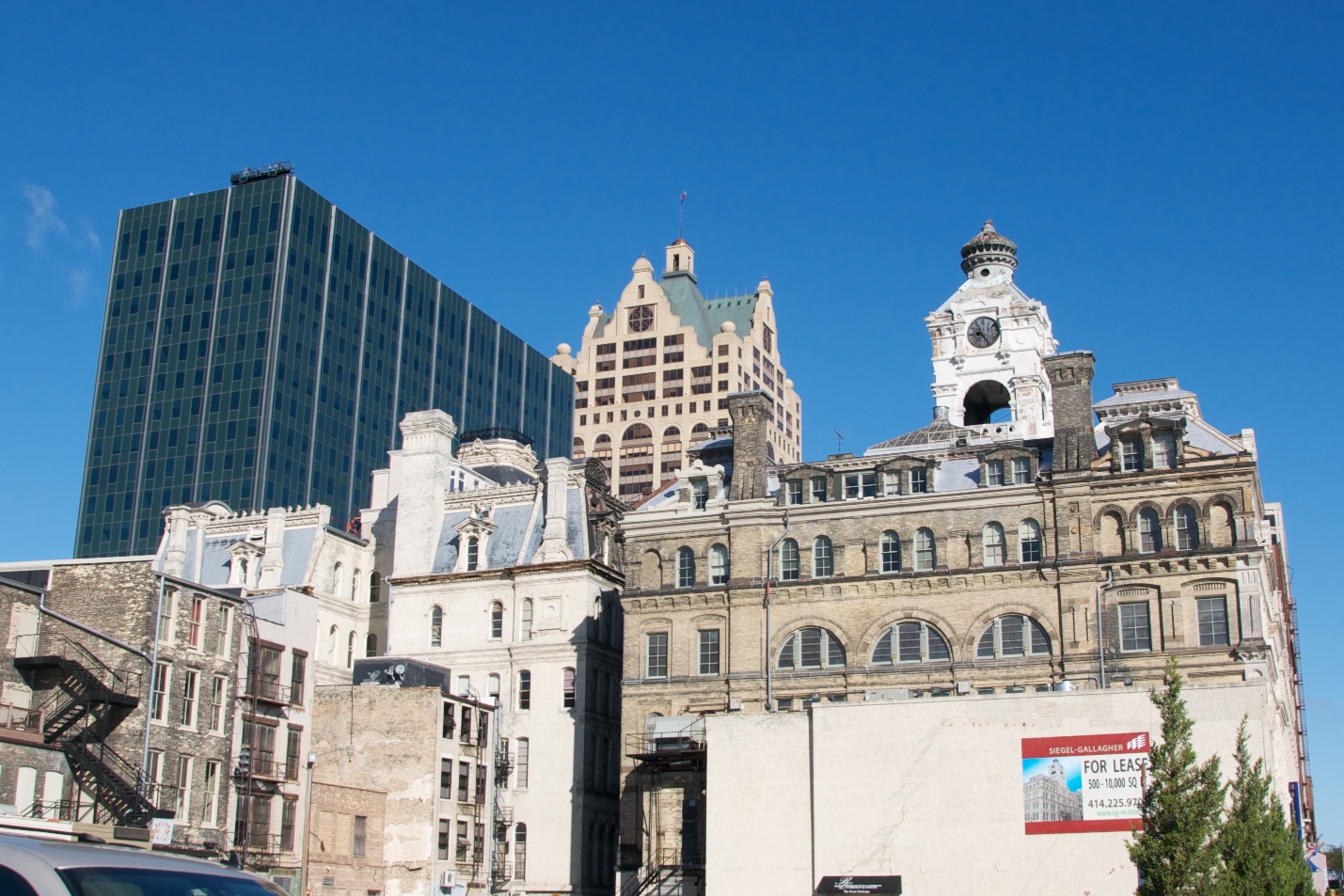
We are in the Third Ward to see the architecture – that is what the it is famous for.  It is perhaps four streets wide by four deep; not a very large area.  The area is plenty large enough to house a variety of business fronts, and buildings.  However, it is the seemingly similar building structures that make it unique.  But as we walk through, the similarity is not as clear as I had imagined.  Yes, there are lots of brick fronts (and rears).  The buildings rise vertically from the sidewalk, none are set back; none have overhangs.  But the window treatments, the height, the cornice decorations, awnings, balconies, front doors all work together to establish uniqueness in the similarity.  Upper Pen trip 6 Oct  006 Upper Pen trip 6 Oct  005 Upper Pen trip 6 Oct  003

Gwen finds a friend to ask directions of, but he is mute.  Upper Pen trip 6 Oct  004  On one side of the district is the Milwaukee River view, much more vivid now that we have become attuned to the minute differences in the district itself.  Upper Pen trip 7 Oct 50 We walk back to the Market (not open yet), and then beyond to see a bit more variety in architecture.  Upper Pen trip 7 Oct  020 (1)

Where to eat an early dinner?  We ask the bellmen at the door, and they are all anxious to help.  The consensus is a pub on 3rd St, which serves authentic Wisconsin fare, and locally sourced beer.  When we arrive, we are practically the only ones there, but we are a bit early.  Something we never do is order a “starter” – we don’t typically have enough room for it.  However, we have been anxious to try cheese curds, and the only way it is available is as a starter, so we order it.  Their specialty de jour is a jalapena cheddar brat, so I order that, and Gwen has a  large chicken salad.  The cheese curds are deep fried and come with a ranch style dressing.  It is really good!  As is the bratwurst, complete with pretzel dough bun and sautéed onions.  It was excellent as is, but then I added the hot mustard, and it got even better!  Such a large meal left us gasping a bit, but we did manage to make it back to the hotel.  The weather had brightened considerably, so we have high hopes for the rest of the day, and tomorrow.

After lunch, we take the car out to the Pabst Mansion, really the retirement home for the great entrepreneur and his wife.  Captain Frederic Pabst, best known now for the beer which bears his name, was a Captain-pilot on Lake Michigan before he decided that business was too dangerous for a long career.  He bought into his father-in-law’s brewery, and found he had not only a head for brewing beer, but the business sense to make it one of the largest such companies of its time.  He didn’t limit himself, however, buying and running a resort on Whitefish Bay, buying up and rebuilding Milwaukee theaters (the Pabst Theater is still open for business), and helping to start the Wisconsin National Bank.   The Pabst Mansion is in the middle of what is now the Marquette University campus, although at the time it was built (between 1890-1892), it was in a rural area.   The house is not the size of some of the more ostentations businessmen of his era, but it is certainly large enough for the Captain, his wife, and their granddaughter.  They had eight children, but only four made it to adulthood, and one of those didn’t survive long after having her first child.  The Captain persuaded his son-in-law to let him adopt the girl.  The son-in-law was an immigrant, but without further reason to stay, ended up going back to Germany, his country of origin, to live out his days.  He doesn’t come back into the story again.

English: The Pabst Mansion on Wisconsin Ave in...

English: The Pabst Mansion on Wisconsin Ave in the Avenues West neighborhood in Milwaukee, Wisconsin. (Photo credit: Wikipedia)

The house reminded me of the mansion we visited in Chicago not so long ago, in that it was almost the quintessential “four up, four down” arrangement (well, maybe better described as “six up, six down”), with wood everywhere and everything finished in a highly decorated style.  The music room is paneled in mahogany, but the dining room next door is white oak, so the pocket doors that enable separation is two-sided, with mahogany and oak on their appropriate side.  The ceiling decorations are of the period as well, with tin panels in the music room, and painted motifs on the other ceilings.  The floors are wood parquet with multicolored woods arranged in various designs depending on the room.  The stairs up to the second floor are wider than one expects, leading to a landing half-way up that is projected back into the room, with no apparent reason other than that it was possible to do.  Off the room with the stairs up was the Captain’s “retreat”.  In addition to his desk the walls were paneled in dark woods, hiding something like 14 cabinets in which he “hid” his beer steins, his cigar humidor, his paperwork, and somewhat surprisingly for a beer baron, his wine racks.  The dark wooden ceiling was partitioned into four triangles, each with a word, and then an explanatory sentence in German expressing the four tenets of his philosophy.  The kitchen reminded me of the kitchen in the Frank Lloyd Wright house we visited in Chicago last time we were there.  There are lots of work areas, not too many appliances (I’m sure there were the appropriate ones for the day, but they were not in evidence).  It does have three ice boxes, and the place where the large stove and oven was located is now the location of a breakfront cabinet.

Not too long after he and his wife died, the estate was purchased by the Catholic Archdiocese, and for 67 years, the place housed the Catholic Archbishop and church officials.  The rooms (and all their decorations) were painted white.  One of the bedrooms upstairs still was in that condition, I suppose just to show the difference.  In the 1970’s, the place was sold to the Wisconsin Heritage, Inc., which has over time converted the rest of the house ito its historic colors and decorations.  A very interesting house of its time, and while the tour was not very articulately led, it was fun to see the details of the place.

Tomorrow, it’s on to Madison!

1 Comment

Filed under Uncategorized

October 6, 2013

The rains have not quit.  We don’t have a long drive to Milwaukee, so we don’t start very early.  The B&B provides its second day’s large breakfast, and we sit and enjoy it leisurely before we pack the car and set off.

Before we get too far, we notice a cheese place called Renard’s on the right.  Without too much hope, we stop just to check it out.   Does this place have cheese?  Sure enough they did!  Like most of the other shops we have visited, they have plenty of foods of all varieties to entice us, but the cheese is clearly the main draw.  They have lots of cubed cheese in labeled containers right as we come in available for us to try.  So we did, of course. Gwen ended up liking the Monterey jacks the best, while I also enjoyed the cheddars.  They had plenty with mixed in flavors to add to the enjoyment – the best was the Ghost Chili Pepper Jack, which has quite a kick to it, and lasts a long time after it’s gone, if you know what I mean.  So we buy a bit and moved on.  We finally have found Wisconsin cheese!

One other stop awaited us prior to getting to Milwaukee – the American Club in Kohler, Wisconsin.  Suzie had this on her list, and said it would be a good place for lunch.  We stop by, and this is quite a place.  First of all, Kohler is like Bennington, Arkansas, a company town.  Bennington is the home of the Waltons (not the fabled TV family, but the Sam Walton family – the creator of Walmart).  That town has received many of its civic amenities through their association with the Walton family, and it shows.  Kohler is a bit different, but the results seem to be similar.  The Kohler Company is famous for its plumbing products.  In 1912, the company moved from nearby Sheboygan to land it owned in what was at the time rural land nearby.  The American Club is a golf resort that is right next door to the Kohler plant, and is owned by the company.  It has a marvelous set of ivy-covered brick-fronted buildings with plenty of public areas ready for walking around in.  The place is pretty, and definitely worth the look around.  In the end, we are too full from breakfast (and cheese tasting) to eat there, however.

Into Milwaukee we drive, getting to the Intercontinental Hotel just after noon.  As this is Sunday, we looked into what was open for us to go to.  Horror of horrors – the museums (and most of what we were interested in) are not open on Mondays!  The top of the list is the Milwaukee Art Museum, so we head over there quickly to at least get that in today.

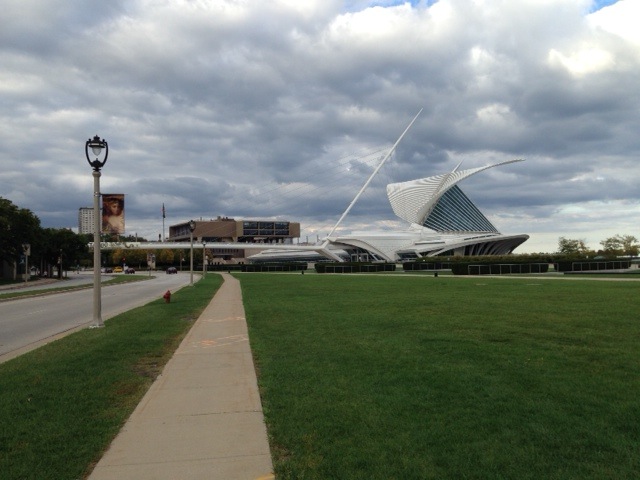
It is architecturally one of the most dynamic buildings I’ve seen this side of the Sydney Opera House (which, to be honest, I’ve only seen in pictures).  Milwaukee Art Museum

The Milwaukee public television station has artfully taken the white building and drawn the wings as if they came up from the body of the main part of the building to their current position as a signature background every time they show the station letters on screen.  You enter the museum by going up the stairway “under the winged beast’s tail feathers”.  After paying your admission, you walk down a long hallway to the left, and into the main part of the building (the brown stacked structure).  Once in the main part of the museum, you are on the first floor, with many numbered rooms in a rectangular pattern.  Each room has a theme.  The lower numbered rooms start with their small collections of historical artifacts, going back to a pharaoh’s casket lid, Greek statues, masks and a small number of other carved elements.  Quickly you go through Renaissance art, icons and other religious objects, then 18th and 19th century examples of French, German and other European art, and finally, in room 11, you’re into the Impressionists of the late 1800’s.  The museum’s collection up to and including this room is as sparse as my description.  For example, their only Monet on display is of Waterloo Bridge at one of its darkest and most foggy states.  The Museum is much more about German art rather than French, and even more about contemporary art.  I enjoy parts of their contemporary collection which fills almost the entire rest of the three floors of the museum.  They have two of Andy Warhol’s Campbell’s soup cans, and what to many people is the quintessentially “modern art” piece of the late 20th century: a panel (in this case, three 3’ X 6’ panels) of a solid color (red, yellow and blue).  They have many other pieces, some of which interested me greatly.  In one room, they have the figure of a janitor leaning against the wall.  He is so life-like that both Gwen and I had to go over to him to assure ourselves he was indeed one of the exhibits.

The rooms that interested me most focused on art from Germany in the 19h and 20th centuries.  These painters showed quite a variety of talents.   For example, almost the opposite to impressionism, the photographic realism (a skill I cannot even begin to achieve) of one of the groups of pictures was astounding.  One I remember specifically is of a pre-teen girl sitting sideways with her feet up on a bench squeezed between the kitchen table and the wall with a book open on her lap.  She is looking over the book with her eyes directly on the artist.  Her expression is exactly the one I get every time I ask one of my children (or Gwen) to take their picture (before the face drops into resignedness).  How do you capture that expression on canvas?  This artist did it, and so clearly!

There also is a large area of “folk art”.  This kind of work always gives me encouragement.   It is typically done by those who are untrained, or perhaps not as gifted / skilled, but who nonetheless enjoy what they are doing.  It may not be as visually appealing as the girl on the bench, but art is in the enjoyment, both for the artist and the viewer.  The folk artists enjoy their work, that is usually clear, and sometimes there is a message as well.  An example: a corner is taken up by ¾ life size carved wooden figures set near and on a western open-air stage.  Many of the figures are moving (a ballerina fronts a pole and is rotated by it, another one is sitting on a bicycle peddling for all she is worth), and over the speakers comes a voice attributable first to one character and then to another. Some of the figures had labels on them with names of famous people.  This scene is part of a whole town of such carvings established outside a desert town in the mid 20th century all done by Charles Black and his wife.  He did the carving and the voices, while she did the clothing.  What’s the message?   I’m not sure – he just liked to carve the figures (that’s clear) and the town gave them a setting, like model trains in a scene.

One of the exhibits was done by a local artist.  She held a series of workshops with veterans of Iraq and Afghanistan.  Each one resulted in a book of remembrances, experiences, artifacts, and quotes, which she gathered together.  The series of books that she thus obtained (one from each workshop) when stacked together was at least three feet high.  The whole of the series is available for free download, but if a printed book is desired, that is also available for a nominal fee.  The museum has a room devoted to the series, with the books laid out on the center table to be thumbed through at leisure.  There are a lot of pictures of life in-country, while on duty and off.  There are stories of people the soldiers had met, and gotten to know.  One book is devoted to a reporter who was born to American parents who (if I remember correctly) were missionaries in Afghanistan.  Her story, I suspect, would be worth the read.  The scenes of the personnel on assignment, working with the local people, caught my eye most of all.  Overall, this work will be an invaluable resource in years to come.

We walk ourselves back to the hotel — the rain has retreated — and went to bed early.  Tomorrow, assuming OK weather, we’ll do the river walk to the Historic Third Ward.

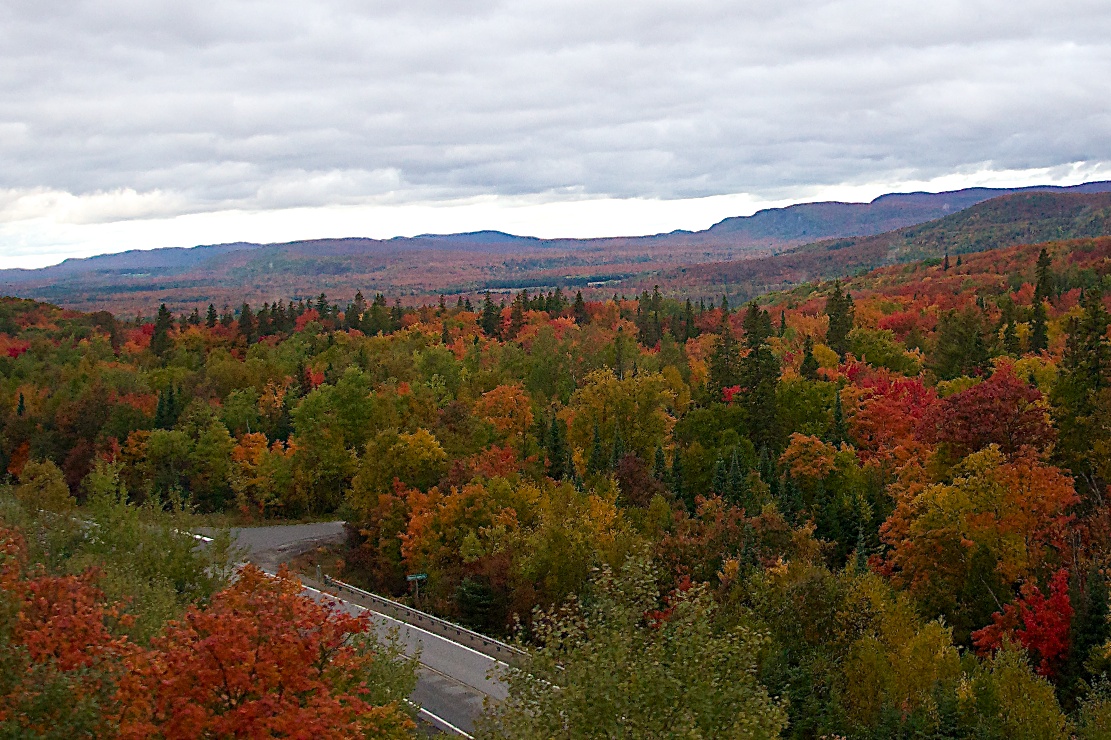
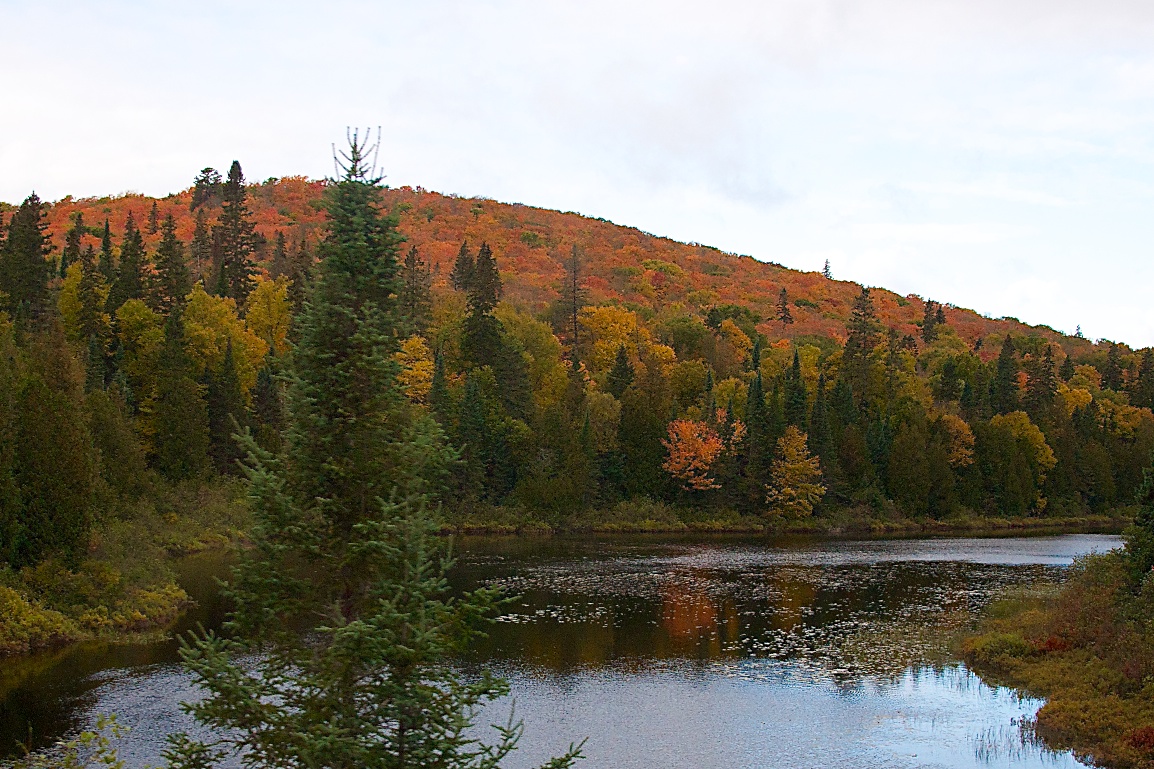
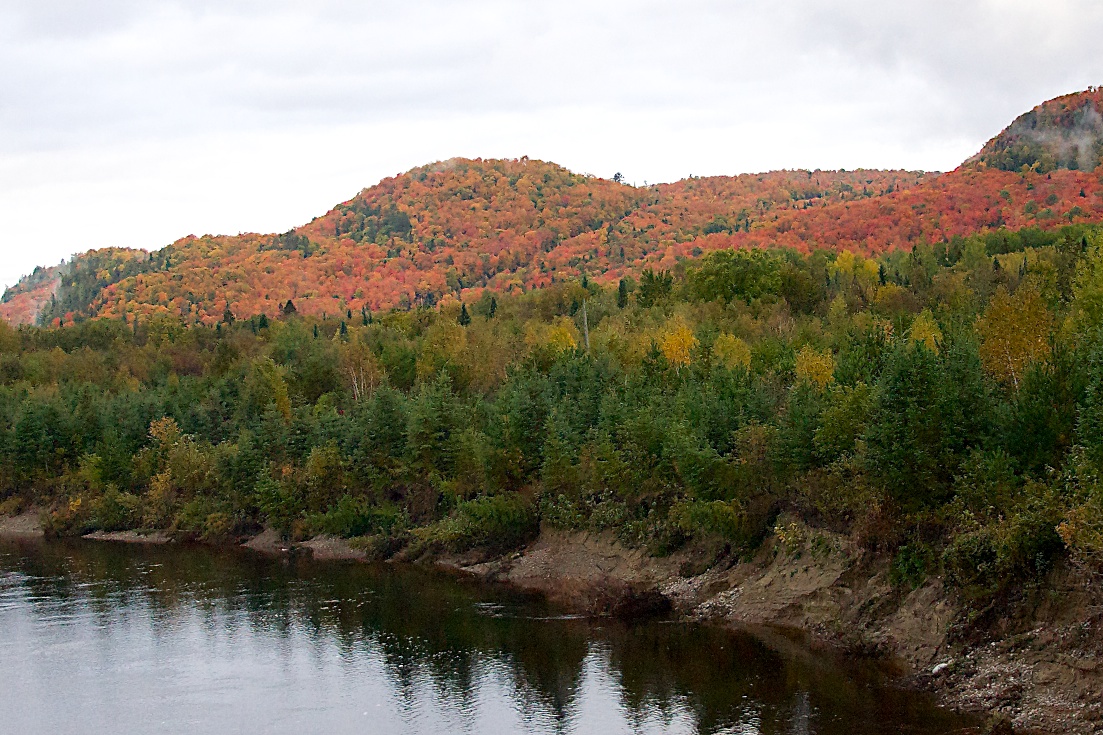
The last few of the pictures from the Algawa Canyon train ride follow.  My favorites are those seen from the advantage of height, showing a wide variety of intermixed color near and off into the distance.  Gwen likes those showing lakes and streams with the varied colored trees growing back from the banks.  The train ride turns out to have some of the best such views we see on the entire trip.

Upper Pen trip 30 Sep   009 Upper Pen trip 30 Sep   013 Upper Pen trip 30 Sep   012 Upper Pen trip 30 Sep   011 Upper Pen trip 30 Sep   010

1 Comment

Filed under Uncategorized

October 4 and 5, 2013

October 4.

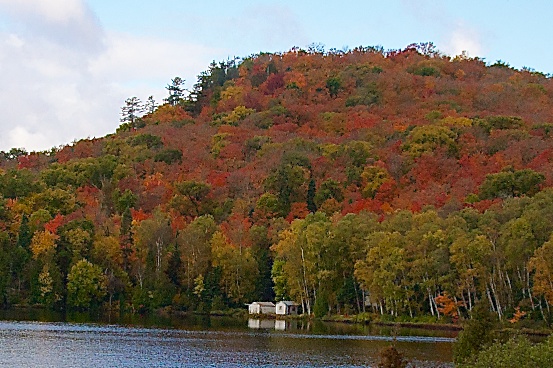
Today is a travel day – from Bayfield on Lake Superior to Sturgeon Bay on Lake Michigan, about a 6 hour drive.  The drive is leisurely, and wet.  Most of the way, we are able to see color in the trees, but the going is as happy as long, boring road trips usually are.  We get to Sturgeon Bay in the late afternoon, checked into the B&B Gwen had reserved for us, and then went to a local restaurant (John Martin’s) for dinner.  It turns out to be OK; fish-based soup for a starter, and then a kobi-burger with cherry BBQ sauce for me, and a very warm chili (chemically, that is) for Gwen.  It made for a nice start to the evening, and to our visit.

October 5.

Today the rain continues.  We decide to go out and see the local museums, a winery, and (if we can find it) a cheese place – it is Wisconsin, after all!  The rain does dampen the color visibility, so it is fortunate our tour goals for today are mostly inside.Upper Pen trip 4 Oct  010

The first stop is the Door County Maritime Museum.  This is a specially-built building on the south side of Sturgeon Bay, just below the bridge across the bay as it narrows.  The town of Sturgeon Bay is just north of this bay, and the B&B we are staying at is just two streets up from the bridge itself.

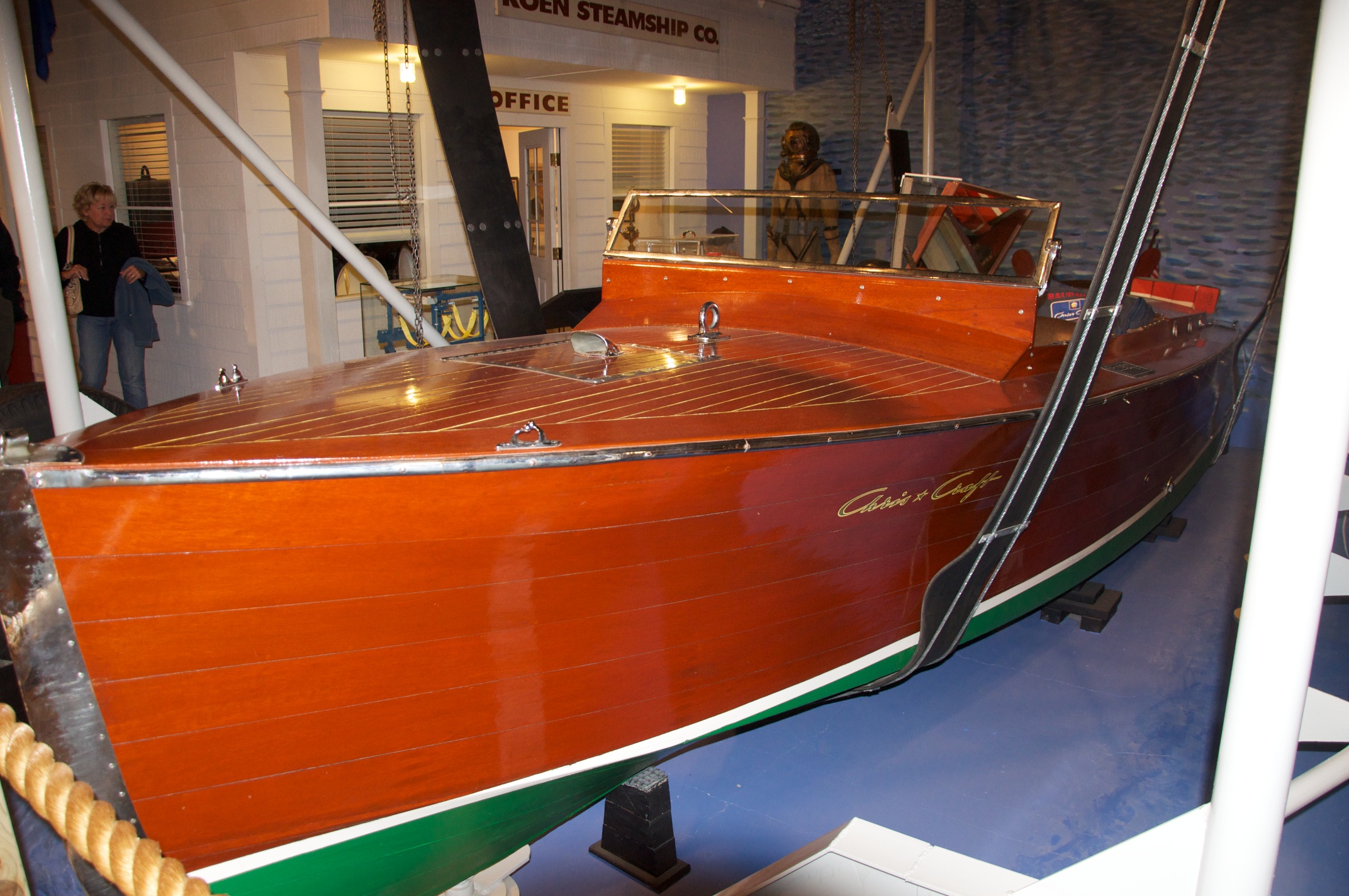
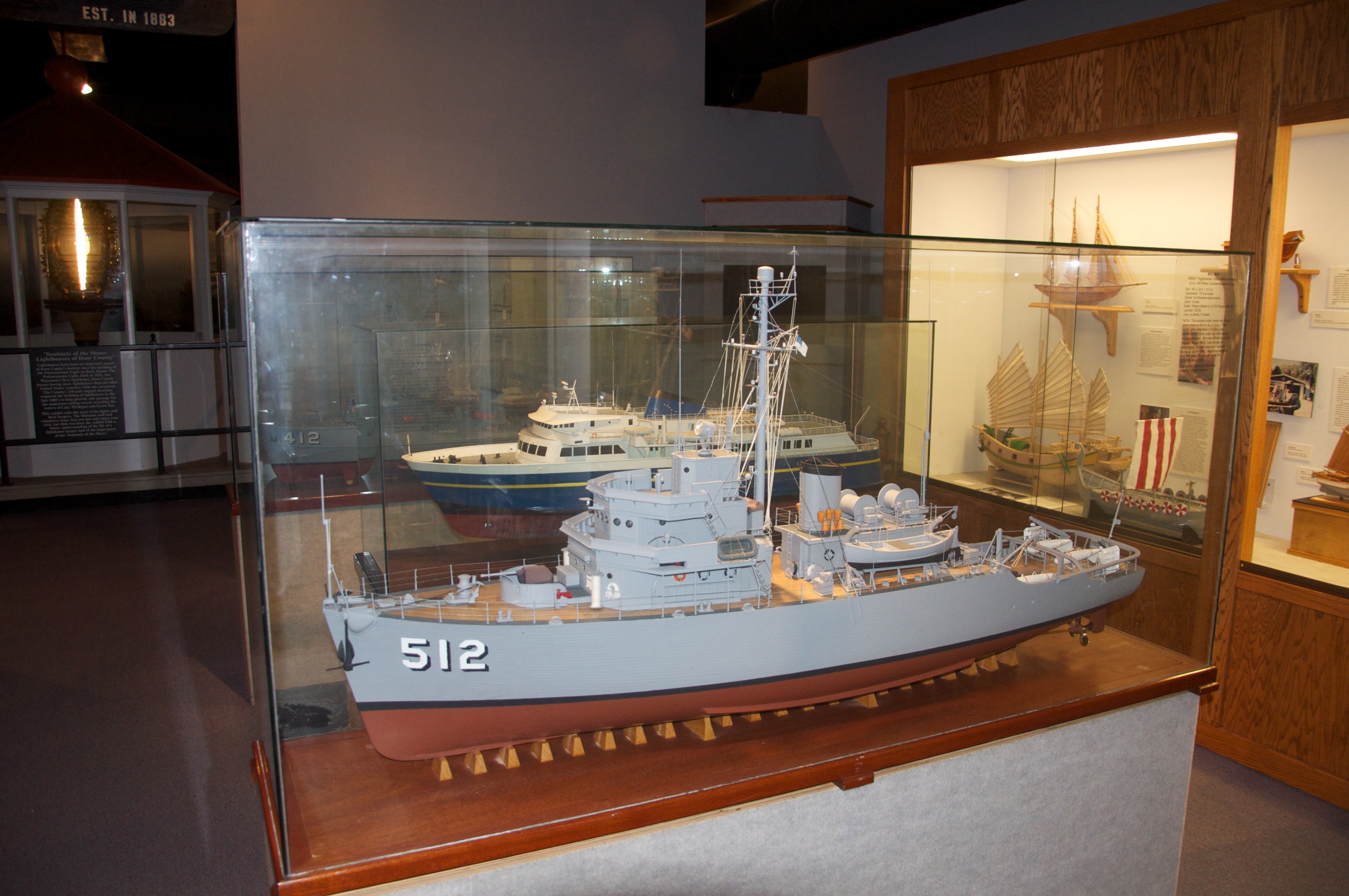
The Maritime Museum has a number of great exhibits each focused on a theme.  The first one I spend time in is about the boat-building businesses around Sturgeon Bay.  Two major ship-builders had grown up over time, the first one of the 20th century ones was the Bay Shipbuilding Co (1918), and the second the last being the Peterson Boatbuilding Co (1933).  Upper Pen trip 4 Oct  001  They built wooden boats but once WWII started, the Peterson company built primarily minesweepers and small craft of many different varieties for the US Navy.  Displayed were materials and scenes concerning the various elements of shipbuilding from architectural prints to engines.  One of the displays was about the wooden boat building industry, and Chris-Craft, one of the most famous names in elite-type boats in the early to mid 1900’s.

Upper Pen trip 4 Oct  003In another area, there were a variety of model ships, built to enable the boat designers to see what they were headed toward before they built the real thing.  These models are small, but in many cases artistic.  The picture shows some examples of sail boats, but many of the models were of powered ships, including everything from tugboats to ore carriers.  Upper Pen trip 4 Oct  002

Another display area (upstairs) is all about pirates, including a series of paintings about pirates, descriptions of the pirate life, and detail on Blackbeard, one of the more famous (and infamous) pirates to stalk the Caribbean.  Each time I see one of these exhibits I learn something.  This one talked about the democratic way the pirates ran their operation.   The ship’s captain was elected, and rules were written up so that each man (and in a few cases, woman) knew what they could expect from the venture.   Each role on board was defined, with the quartermaster as the one who divided up the spoils of the captures according to the agreements made.  The exhibit includes games for children, and the opportunity for them to ring the bells and blow the foghorn, both of which could be heard all through the museum.

After our visit there, we go back up to the north side of the Bay, and visit the Door County Museum.  This is a much more eclectic collection, including everything except ships and shipping-related things.  The first room you go into as you go into the museum is a marvelous woods-and-stream theme diorama with many animals, deer, wolf, otter, and  many, many birds.  A local taxidermy artisan provided the whole diorama including all the animals.   It was very well done, including laminated-page booklets describing each animal and bird distributed around the exhibit.

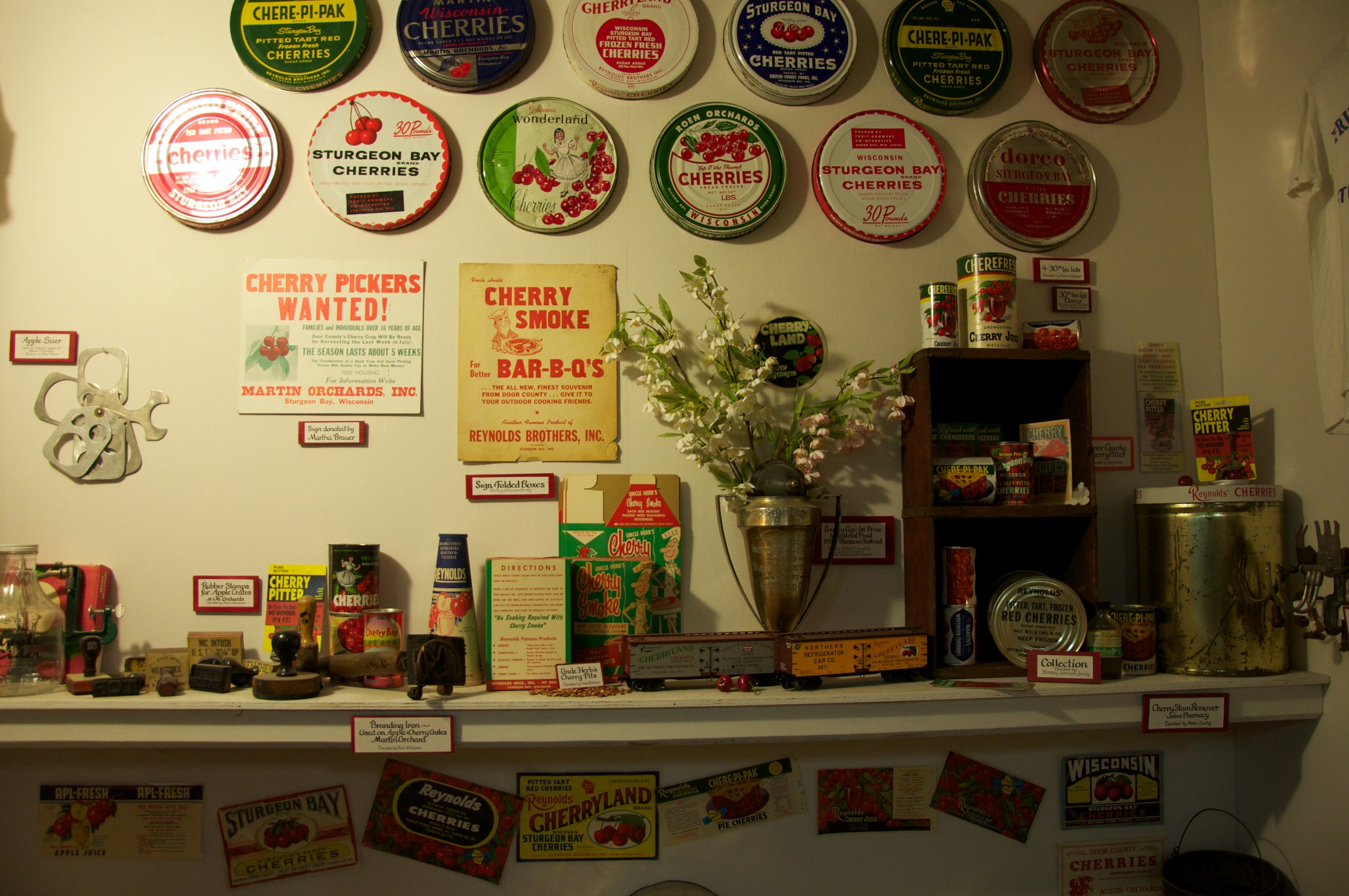
After this exhibit, I stumbled upon a video presentation concerning the cherry-growing history of Door County.  And here I thought MIchigan was the cherry capital of the US!  In the late 1800’s, after exhausting the fur trade and cutting down all the virgin timber in the area, the newly arrived citizens were looking for a profitable use for the land.  The land is not very useful for normal farm crops, as the topsoil is thin and covers a limestone base.  One lucky farmer started planting fruit trees, and sure enough, this worked.  In the very early 1900’s, a pair of agricultural professors came through, tested the soil, and suggested cherries might work.  They bought some acreage and tried it.  Sure enough, the harvest of cherries turned out to be very profitable.  The area has grown cherries ever since.  The business has had its ups and downs, of course.  The best years were the 1920’s and the 1950’s and 60’s.  In the ‘20’s, the cherry was a real treat, and with the advent of canning, the product of the area could be sold all across the country.  The depression hit the cherry industry hard as it was not considered a necessity.  In WWII, the Door County area was home to one of the many German POW camps here in the US.  Upper Pen trip 4 Oct  004 Upper Pen trip 4 Oct  005The POW’s were ideal cherry-pickers, and that helped improve the availability of the product.  After the war, Mexican braceros came in to handle the cherry picking, which lasted until the cost increased beyond what was economically feasible.  Fortunately, a device attached to tractors provided the answer.  Two tractors come up to a tree from opposite sides.  Each one has a rubber-based landing platform that when overlapped completely covers the ground under the tree, with a conveyor belt.  One of the tractors provides the shaking ability to drop the fruit from the tree. The fruit is then conveyed to a container for transport back to the processing plant.  It’s about this time, Michigan determined it had good soil conditions for cherry orchards as well, so the competition arose.  Expansion of the cherry market through the development of new ways to eat use them (dried cherries are a large and growing segment of the product line) has enabled Door County to continue to be one of the largest economically profitable cherry growing areas in the country.

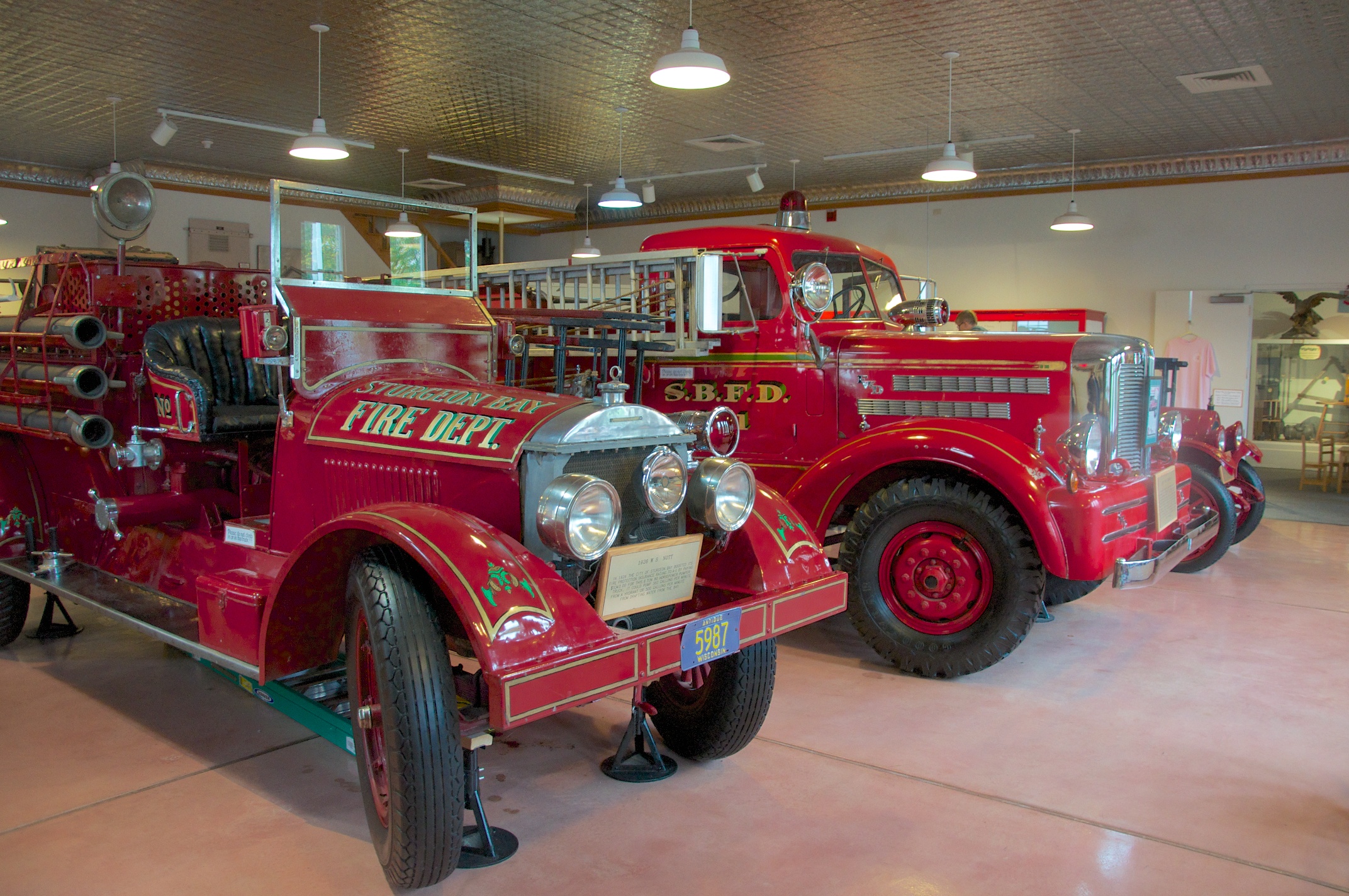
On one side of the building is an old firehouse, recreated from the one that sat across the street from the current museum location.  Inside are three old model fire trucks, as well as displays of fire fighting equipment both old and more recent.  (Again, I learn something new every time: early fire trucks often specifically carried fire-retarding chemicals to be mixed with the water they sent jetting through the hoses.)  Upper Pen trip 4 Oct  011

Upstairs was a video of a uniquely Wisconsin fish-fry called a “fish boil”.  An enterprising restaurant owner came up with an idea for this approach to cooking fish in large quantities.  In a large metal pot set in an outdoor BBQ pit, he put potatoes for 10 minutes in water already brought to a boil over a cedar-wood fire.  He then dumped in cut up onions, and then put in a wire basket with the sturgeon filets.  Letting that boil for 12 minutes, he then dumped fuel oil on the fire to burn off the scum on top of the water.  He then removed the food from the fire, and served it to as many as 700 at a time, along with roll, vegetable and of course a piece of cherry pie.  This area includes displays about the various men (and now women) who have gone to serve in the military and the equipment they use in their jobs.

Downstairs in the basement were displays of all sorts of antique paraphernalia.  Old typewriters, musical instruments, woodworking tools, coins, medals, pictures of various events, and all of it related to Door County in the 20th century.  It was fun to see, but too much for a quick tour.  For a small museum, it contained much that I would like to go back and see in slower time.  This is one of the best museums we have seen.

We are getting hungry, so head towards what we thought was a cheese factory about 20 minutes further north.  The Rusty Tractor turns out to be a great restaurant, but not a cheese factory.  Gwen has a patty melt, and I have a chicken salad.  Very good food, and they do specialize in signs of all varieties, and that other ubiquitous product: chocolate.  Many market stores we’ve visited here sell chocolate on the side.

From there we go to what we had heard was the best wine seller in the area, the Simon Creek winery.  It is clearly popular.  We get our glasses at a crowded bar, and try several of the reds and whites.  Gwen finds a couple of the whites she likes, and I find a couple of reds, so we buy one each, and move on.  On our way back down to the B&B, we stop at a “pumpkin patch” store, with a country band out front (playing while they try to dodge the rain) and what is getting to be the usual variety of fruit-related products, again in hopes of finding cheese unique to Wisconsin.  Nope, not here!  We do get to see how they milked their cows.  In a room at the end of the building where the store is, the back wall has floor to ceiling glass.  Through this, we saw two lines of 10 cows each with the automated utter-suckers ready to be attached.  While we watch a man goes down the line on one side, washing the utters and then attaching the tubes and starting the machinery.  Milk started to flow almost immediately, and we were informed by the signage that they could milk 60 cows an hour with this technique, as opposed to the 6 cows an hour possible using hand milking techniques.  Amazing!

Tomorrow we travel to Milwaukee.

2 Comments

Filed under Uncategorized

October 3, 2013

Today is supposed to be wandering around Bayfield, but the weather is not supposed to be good, so we’ll see.

After breakfast, we decided to go out to see the town, as the promised rain appears to be holding off, even though it is overcast and dull.  It’s the fruit harvest season, and in fact the annual Applefest celebration in Bayfield is happening this coming weekend (we’ll just miss it).  Based on Sharon’s recommendation, we are going to Erickson’s orchard and miscellaneous shop first, then to Hauser’s Orchard, and finally to All Sister’s Winery.  We didn’t want to buy much, as we are not even half way through our trip, and anything we buy at this point we’ll have to carry for the rest of the way.   Erickson’s turns out to be a good (and interesting) shop.  They have (as does Hauser’s) a variety of fruit-based jams, jellies, and dips.  The nice thing was they had bowls of some of these products available for tasting.  A couple of the sauces were good enough to entice us to buy them (admittedly they were the ones at Hauser’s).  In addition to the products of the season, Erickson’s had on offer a variety of apples, and an antiques store.  While we enjoy looking, there is nothing we found that we convinced ourselves to buy.  We left there, and headed to Hauser’s.  This place has a similar variety of offerings, including the antiques.  They also have wines for tasting, but they are apple-based, so we elect not to do so.

On to All Sisters, and this turns out to be a bit of a hidden gem.   They have a variety of grape-based wines, which we are happy to sample  We find that some of their products (especially two of the whites) are very good indeed.  We bought a dozen bottles, and I’m sure we will be hearing from them about more as they mature (they are only a year old now).  We later found out (from Sharon) that All Sisters is run by Hauser family members, even though the winery is financially independent of the Hauser Orchard.

We decide to stop in town on our way back to the B&B and see how the preparations for Applefest are coming along.  There’s an excellent used-book store which Gwen kindly let me spend an hour in.   We then go to the mercantile – cooking store on the main street.  They have even greater variety of fruit-based sauces, jellies, jams, etc., and they also (salesmanship be praised!) offer the opportunity to sample some of them.   Like the good customers we are learning to be, we take advantage of the ability to taste, and buy those we really like.  It’s then back to the B&B with our bounty before we venture back out to find dinner.

Dinner is at the Portside restaurant, right on the Bayfield docks.  This place was recommended by Sharon, and with her help, we got a free glass of wine each.  Of course we had to celebrate our anniversary a bit early, but what the heck!  Gwen had the steak, and I had blackened lake whitefish (excellent, both of them).  After dinner, we got dessert from Sharon (mint-flavored, walnut-topped, fudge brownies – delicious!).  The B&B had internet connection, but no TV, so we spent the evening reading.  A much better day than we anticipated.

Not a very bright day for picture taking, so here’s a few more from the trip to Agawa Canyon.

Upper Pen trip 30 Sep   014 Upper Pen trip 30 Sep   015 Upper Pen trip 30 Sep   013 Upper Pen trip 30 Sep   012

Leave a comment

Filed under Uncategorized