Category Archives: Blog

Fabulous Trip to Africa, 22 Sep to 4 Oct 2015, Post 7 – Serengeti to Lake Victoria

Today is the trip from the Serengeti to Lake Victoria. 20150929-DSC_3224The trip itself was not as strenuous as was imagined by the group. At one of the rest stops (read: bathroom break) Everest had to change one of the tires which had developed a slow leak.

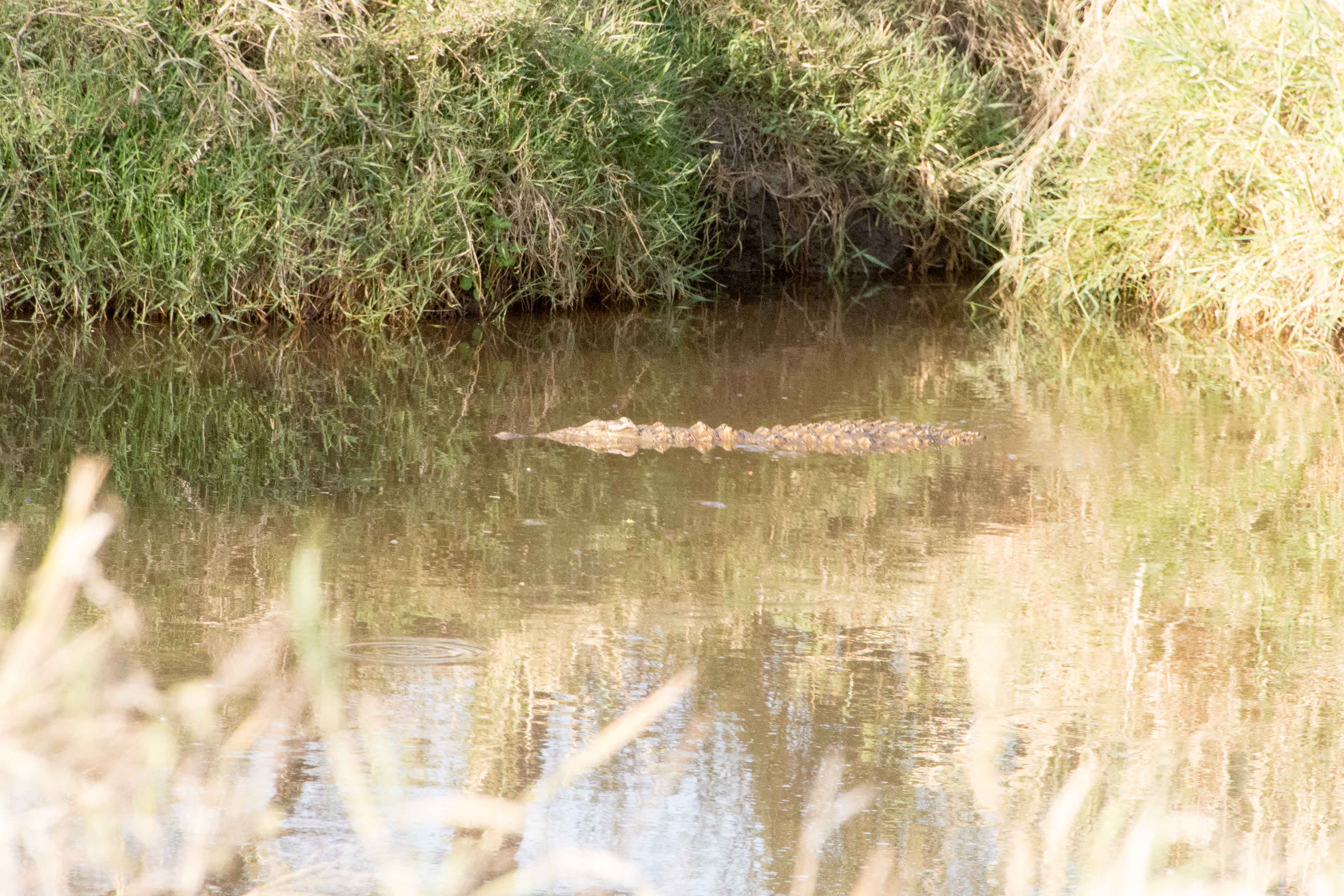
Crocodile

Crocodile

One of the fun animal-related events was the sighting of our first crocodile, and in fact we ended up seeing two of them,20150929-DSC_3270 including one very large one out of the water sunning himself.

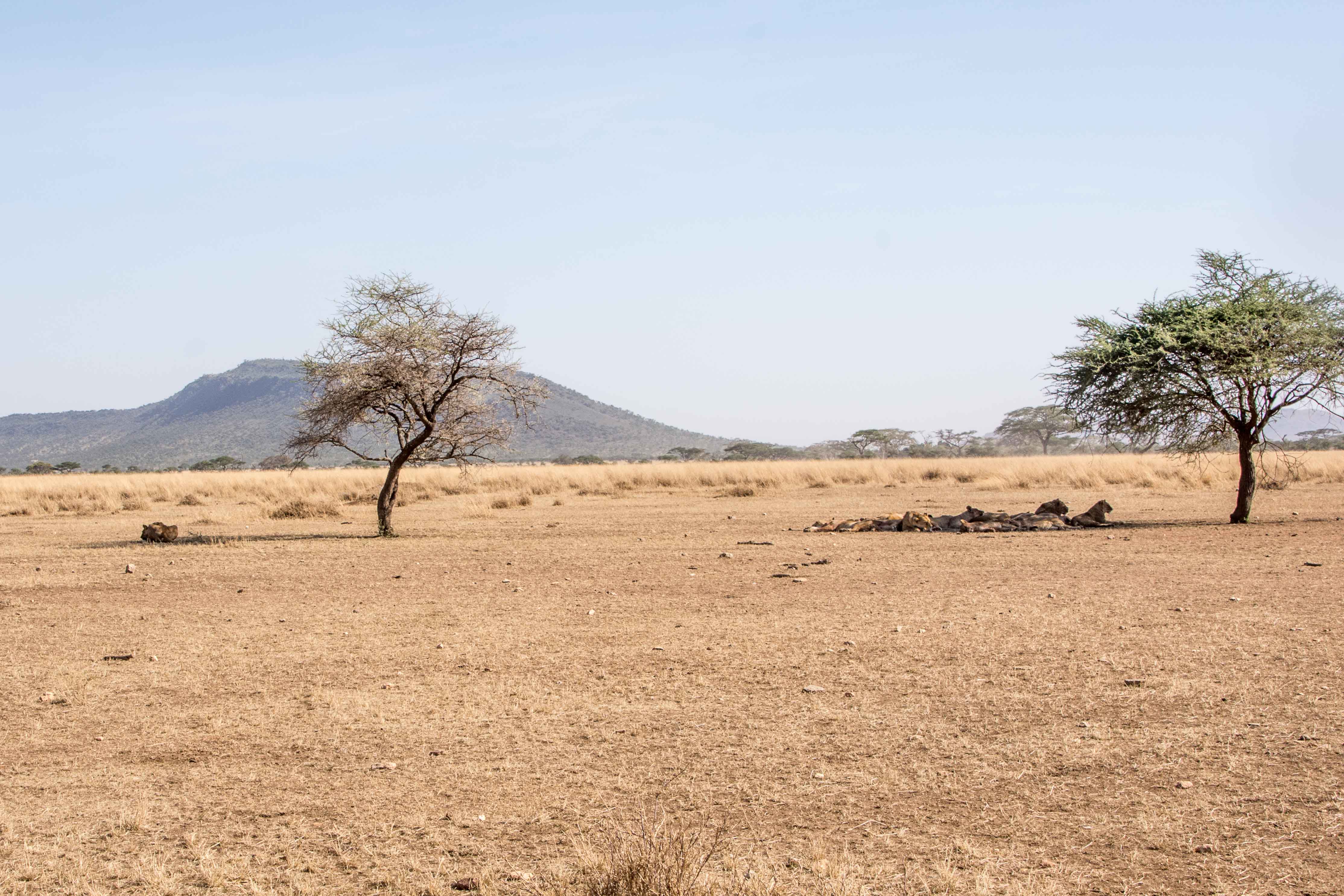
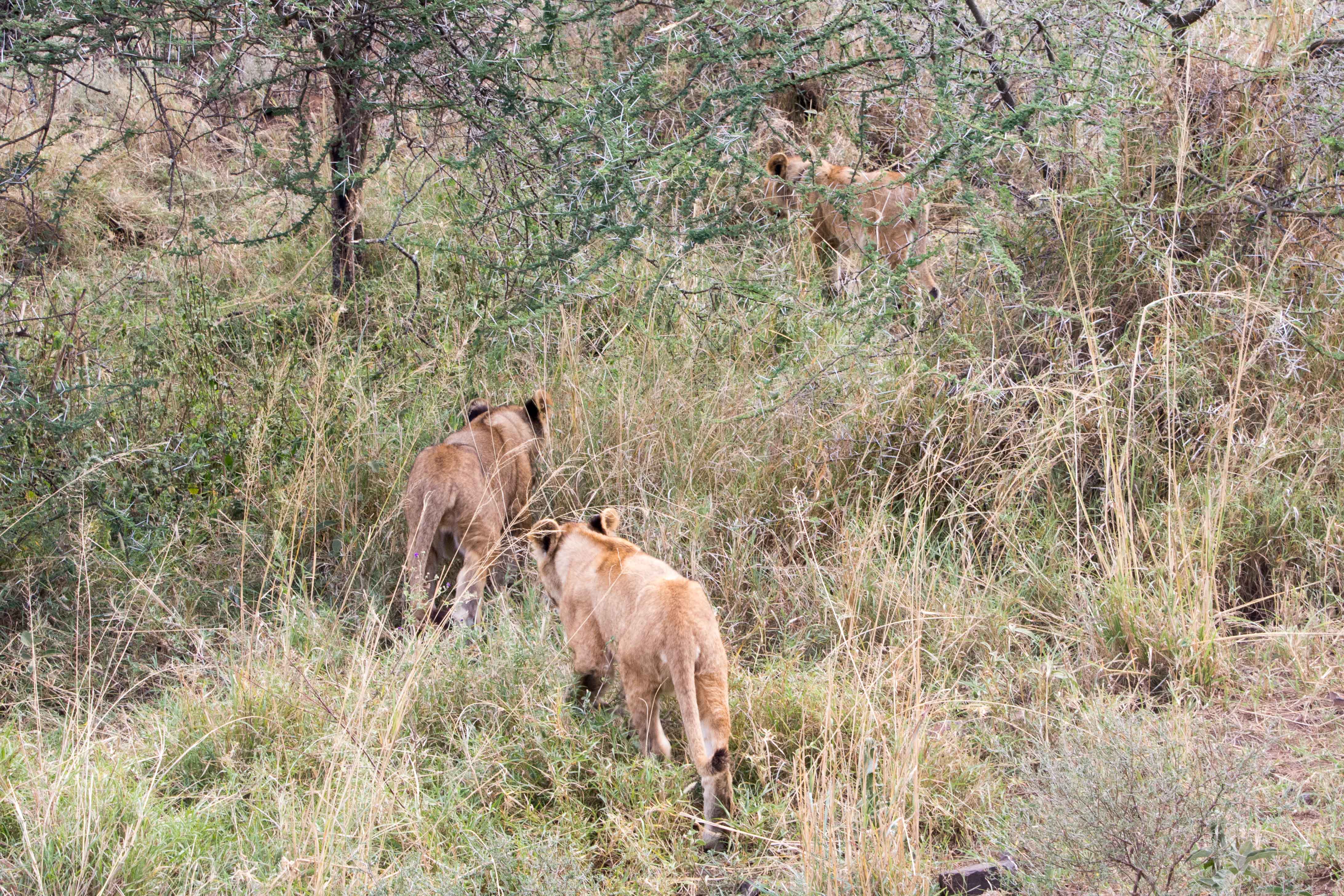
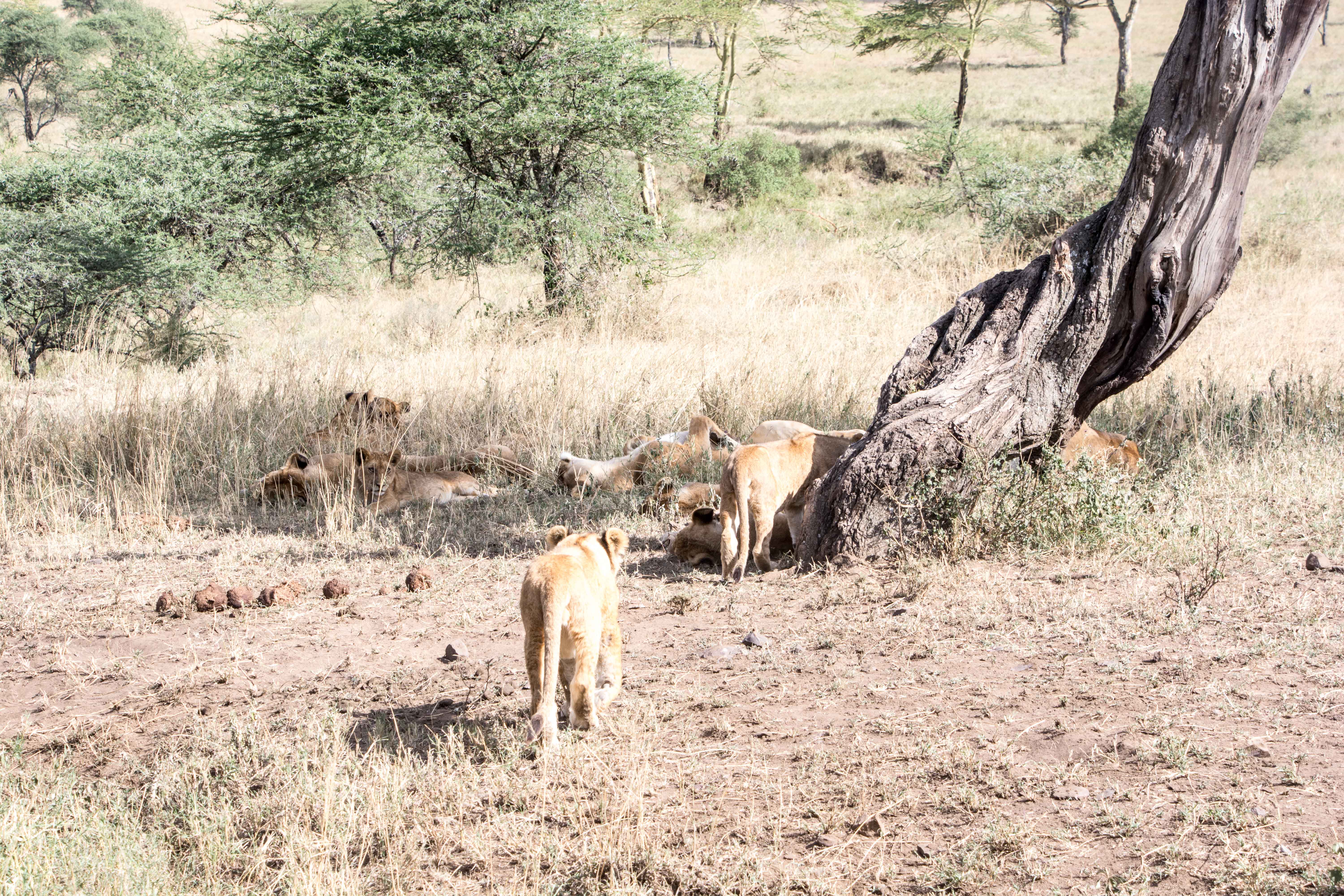
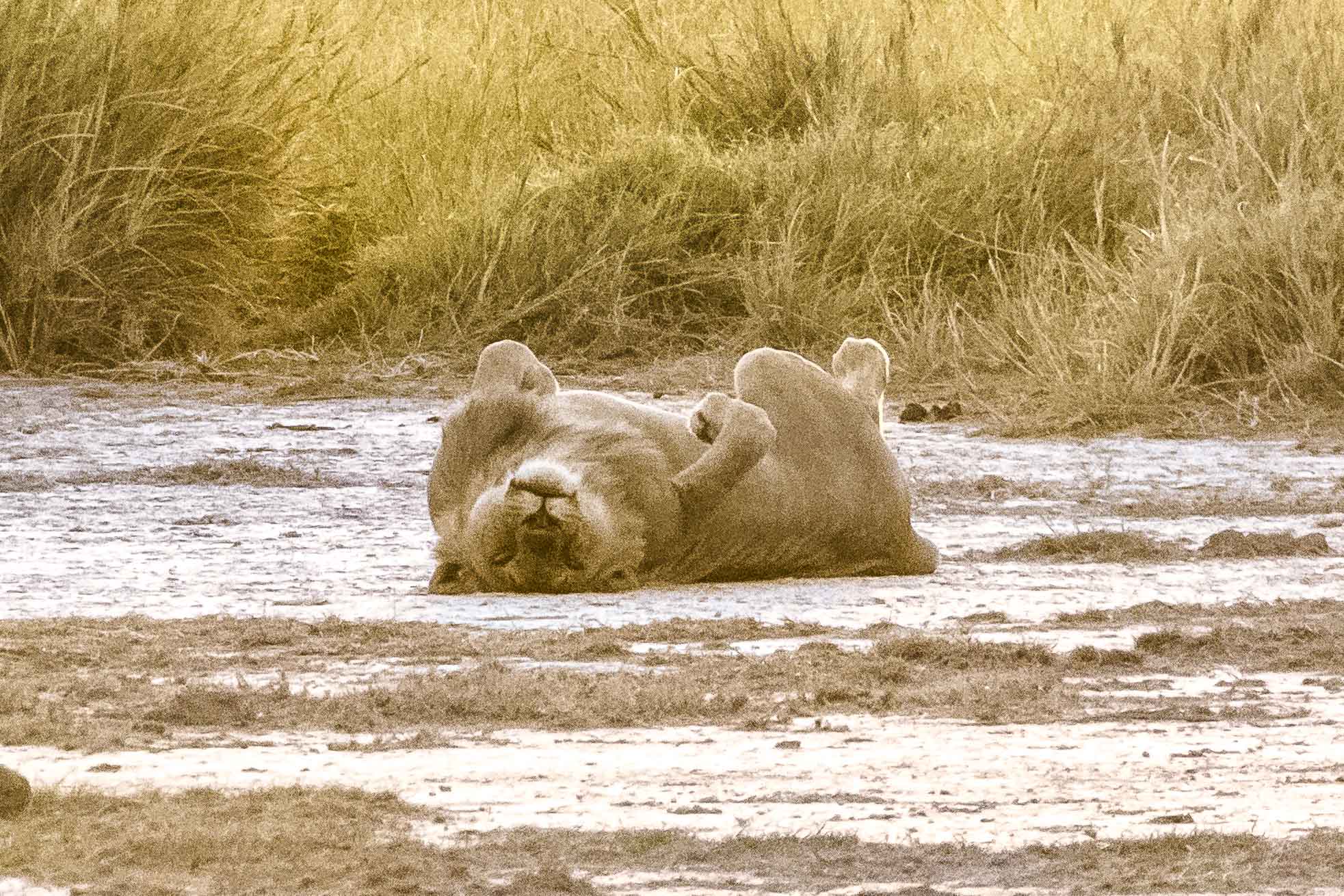
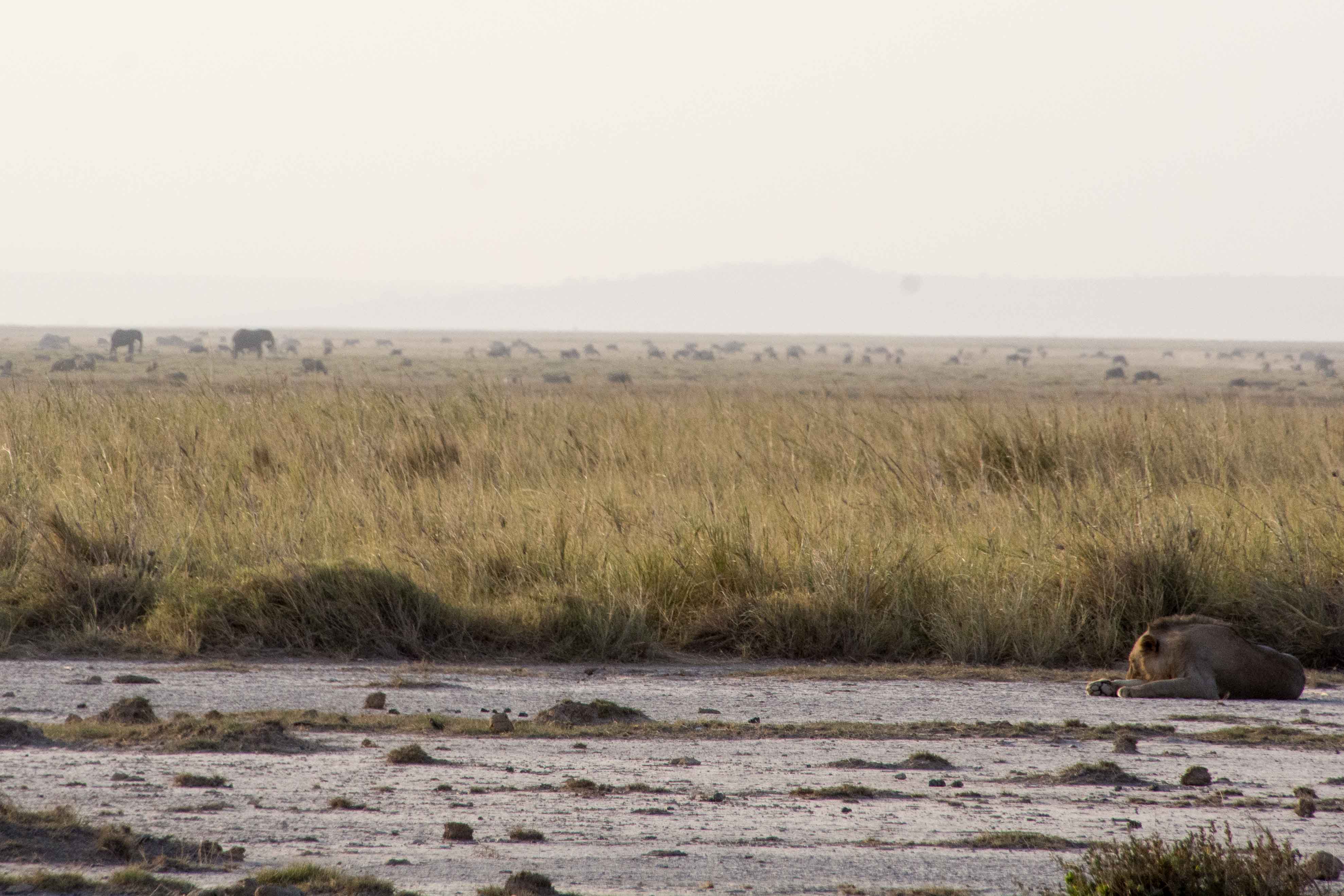
20150929-DSC_3256Lions are getting to be second nature, so we weren’t too excited by seeing a pride of perhaps 10 lions sleeping under two trees close to the road. Of interest was one of the pride was under one tree while all the others were under the other tree. I wonder what made that lioness so unpopular?

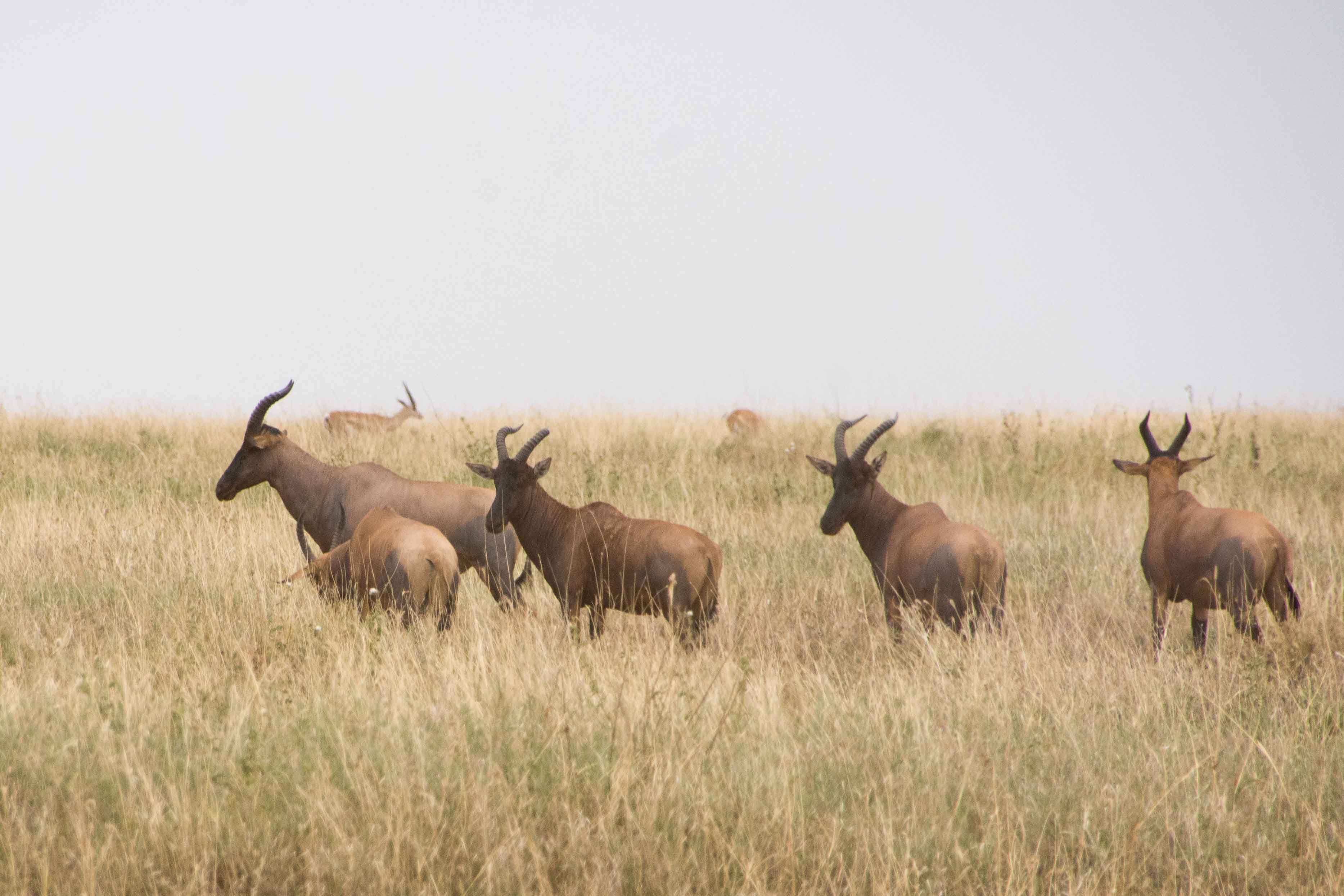
We saw other animals, as well as people along the way to Lake Victoria.

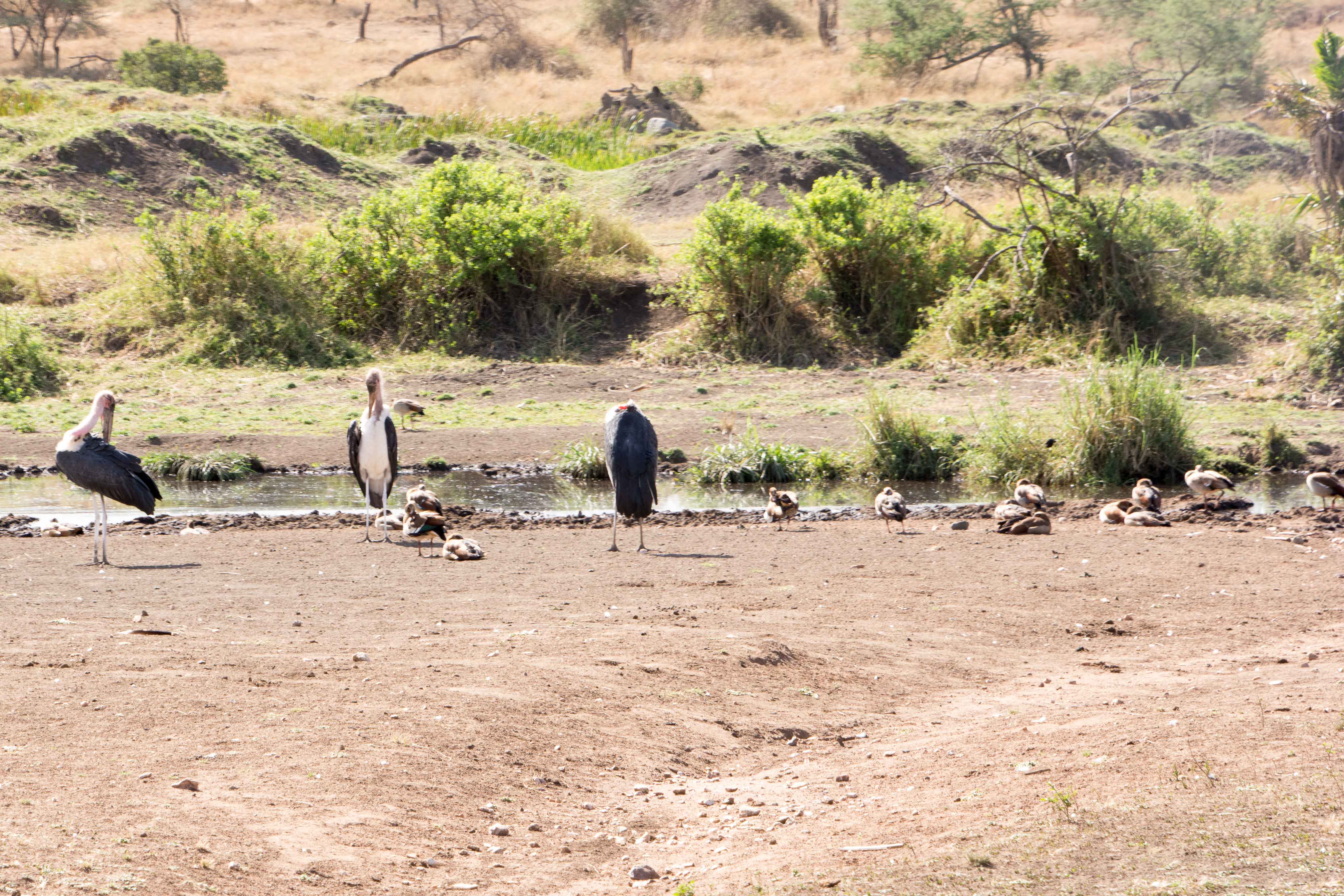
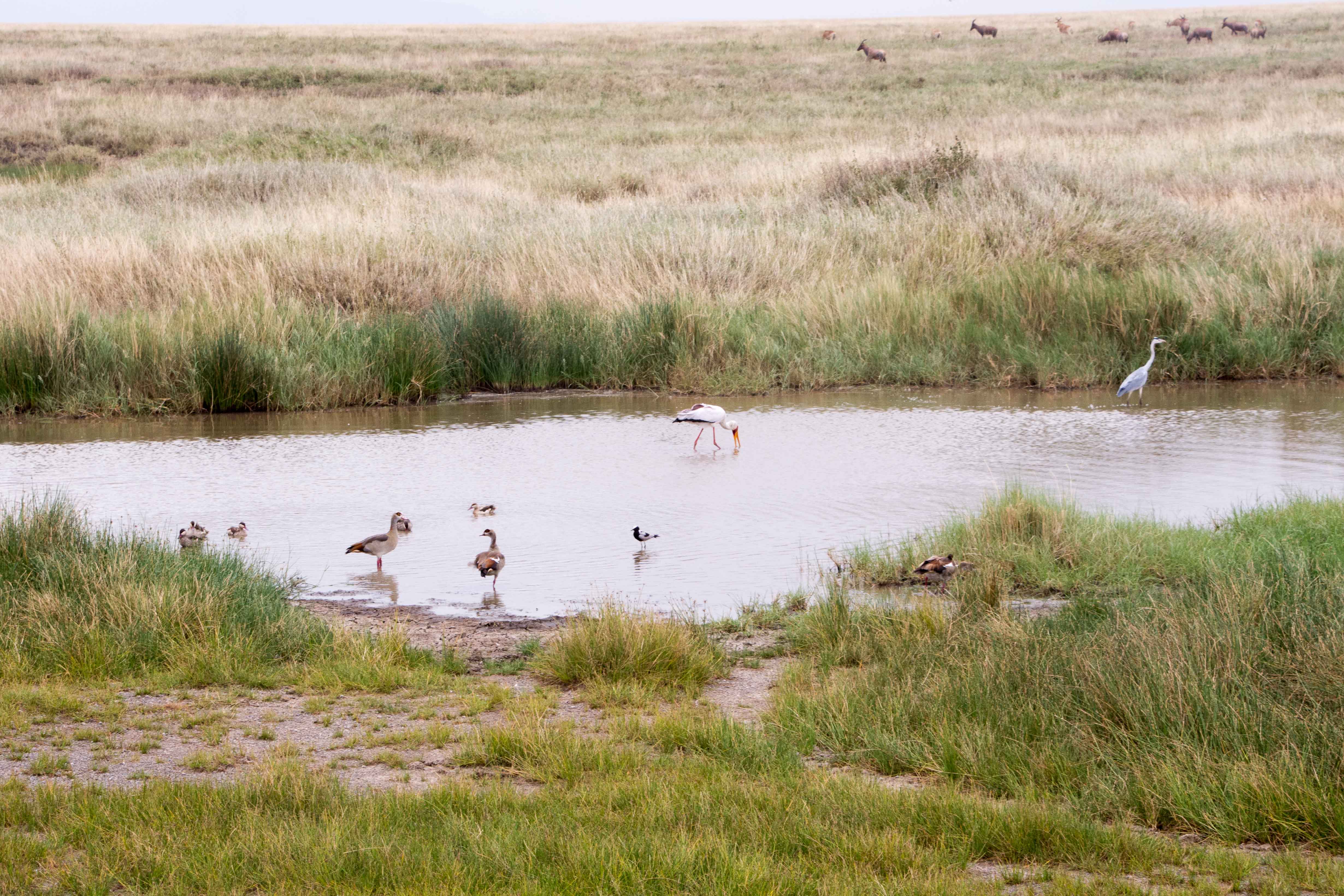
Stork, Marabou

Stork, Marabou

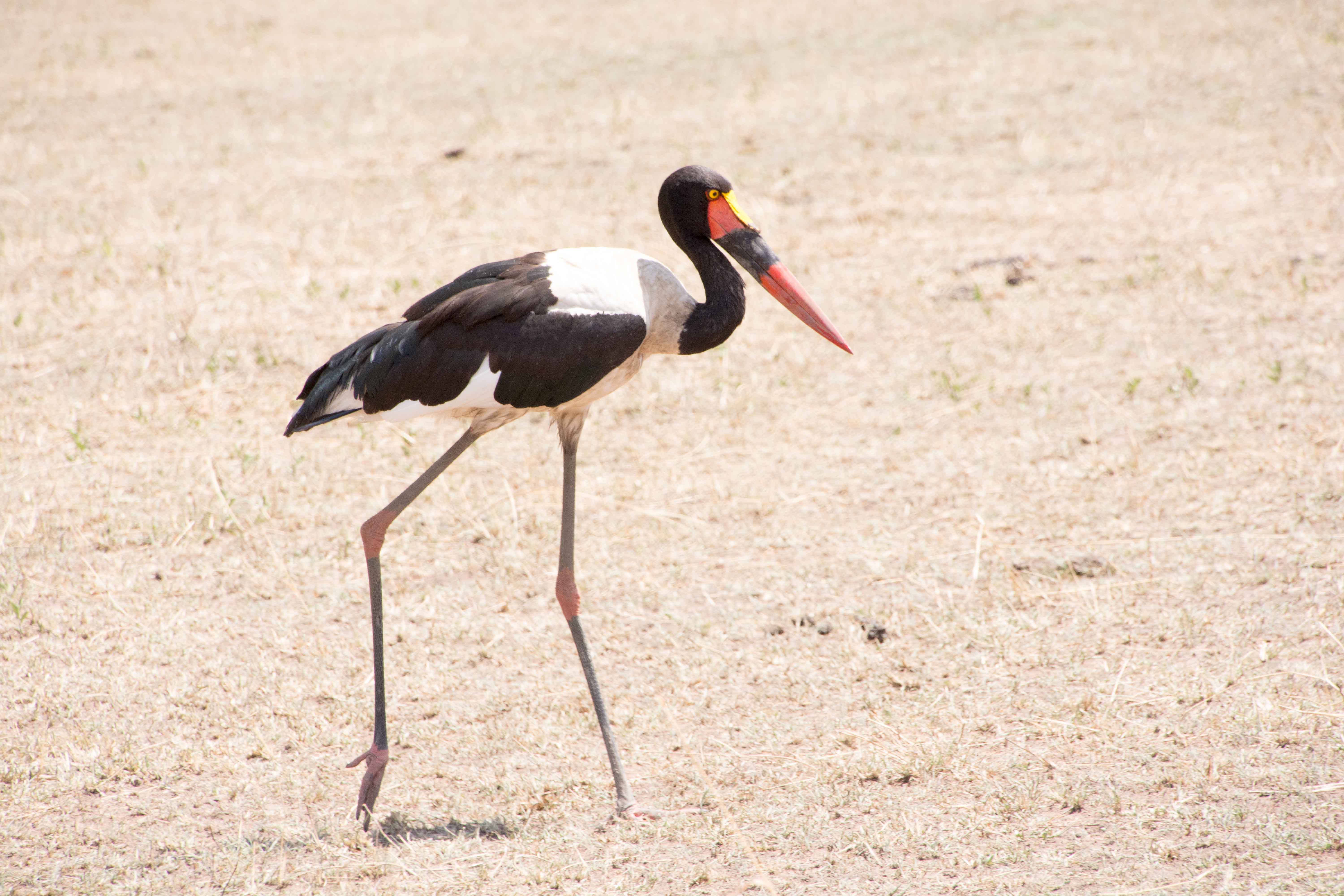
Stork, Saddle-billed

Stork, Saddle-billed

20150929-DSC_3276

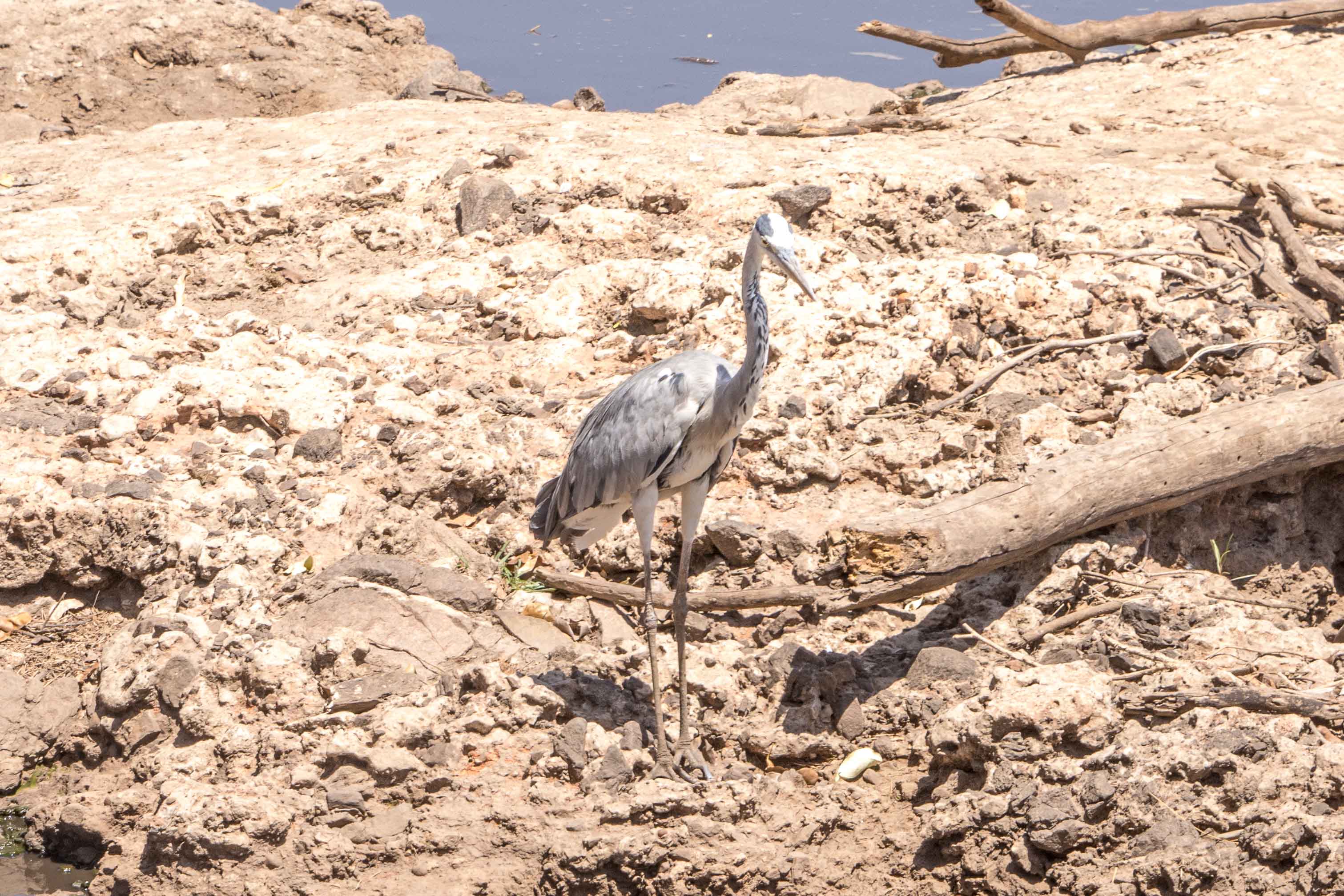
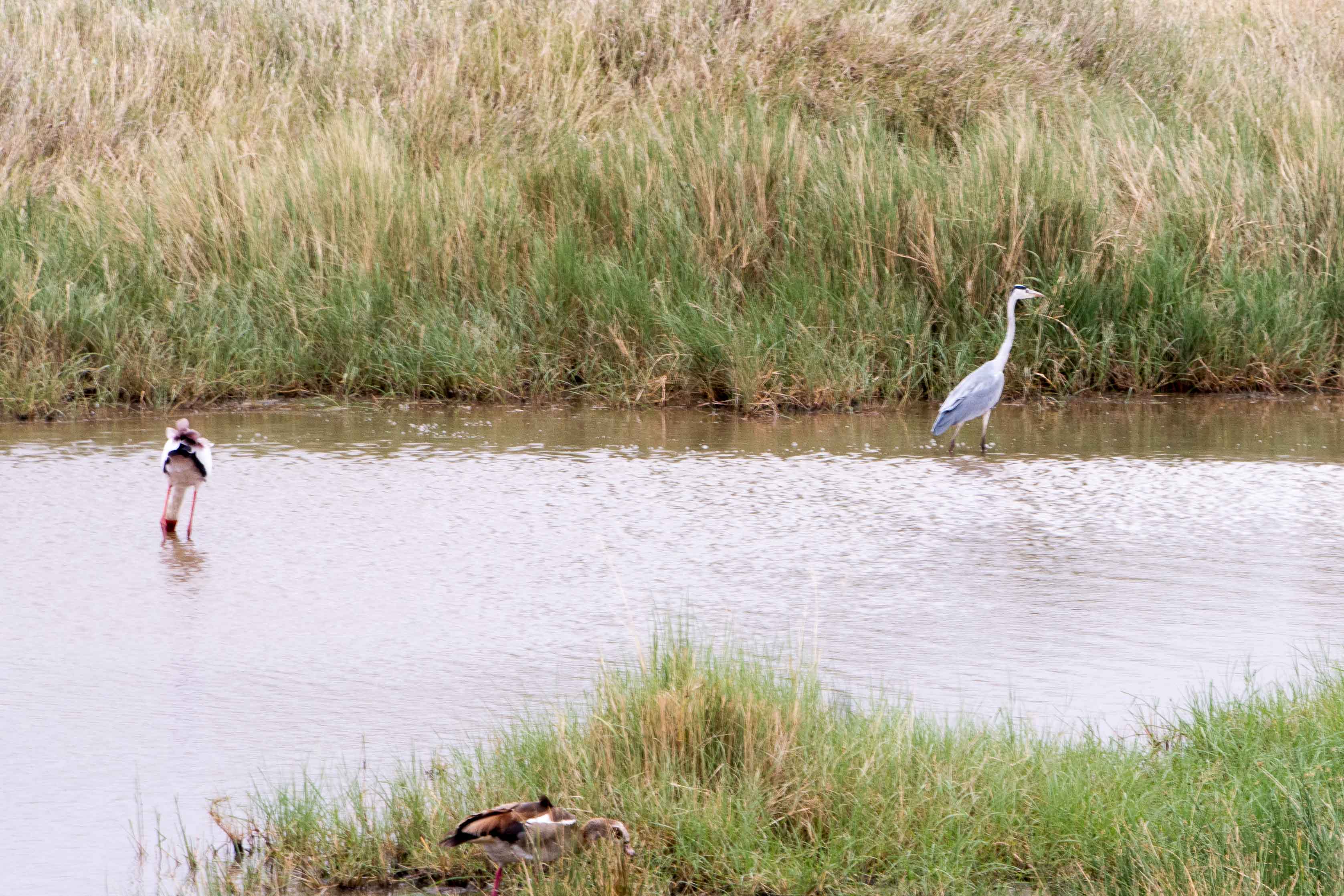
Heron, Grey

Heron, Grey

20150929-DSC_3315

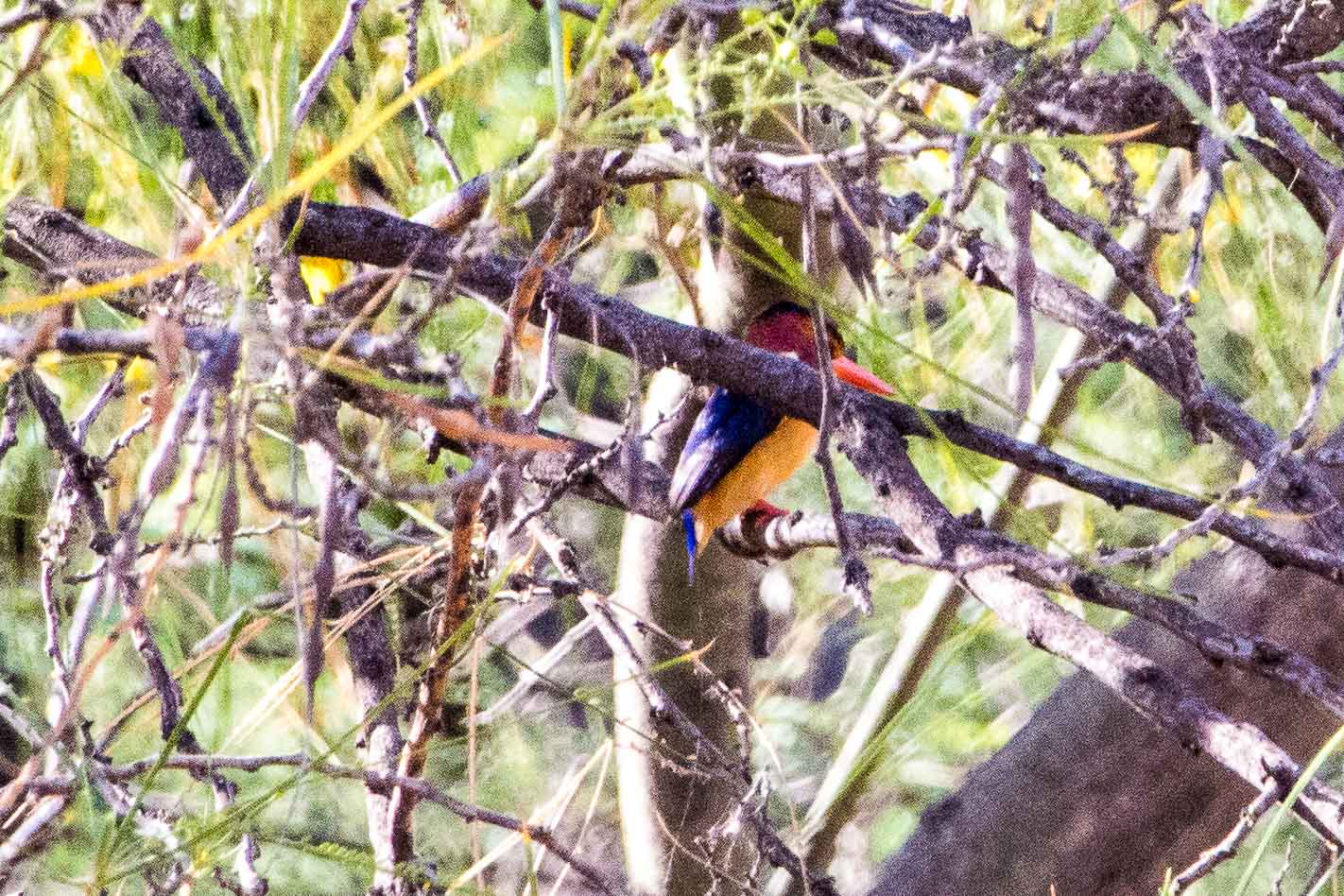
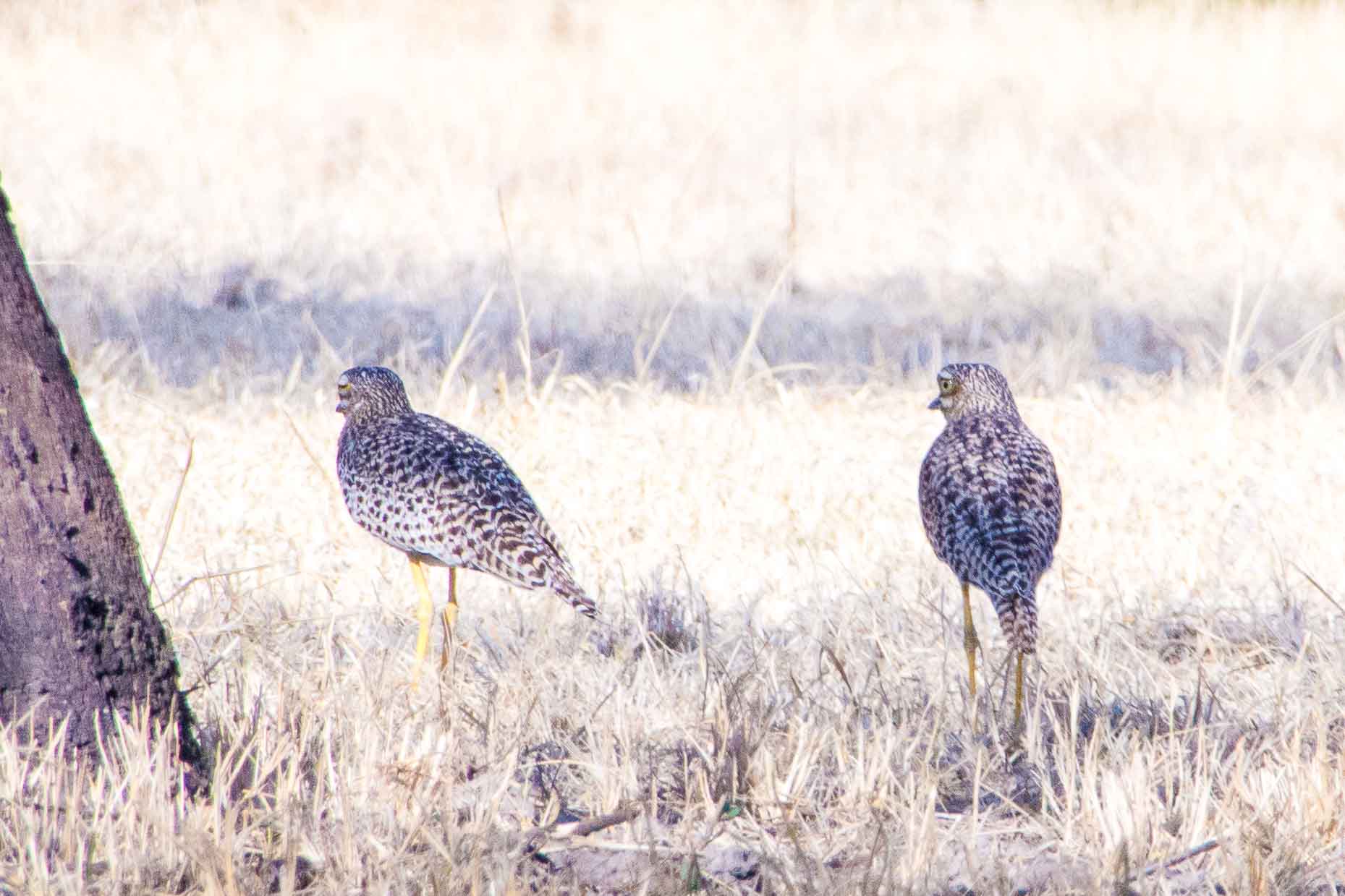
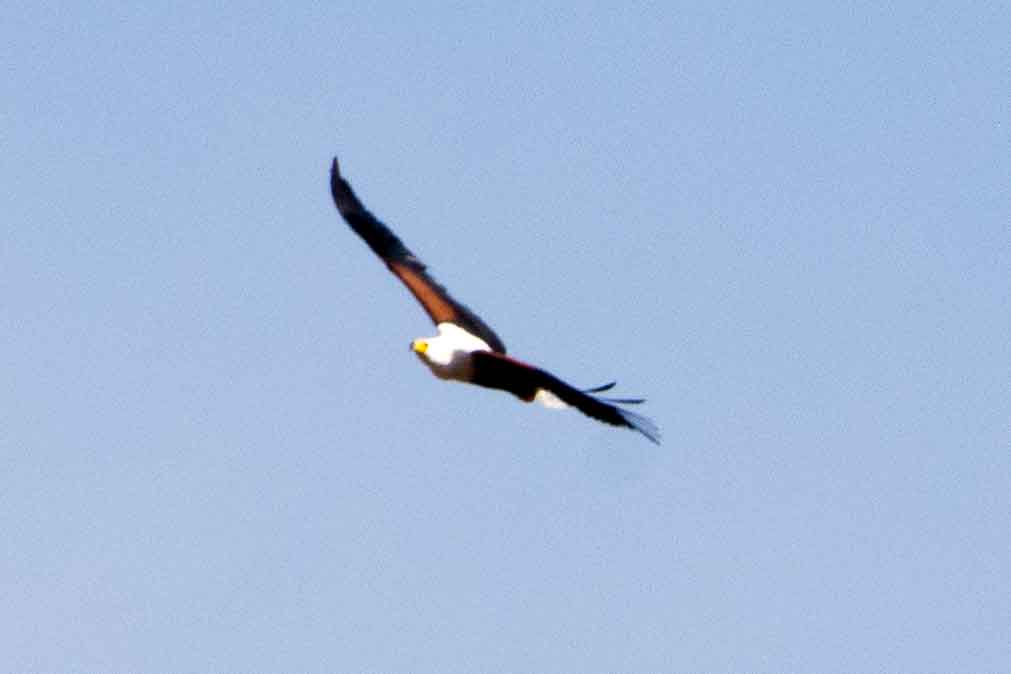
Later on in the day at the Lake Victoria beach-side hotel we went on a bird-watching tour.

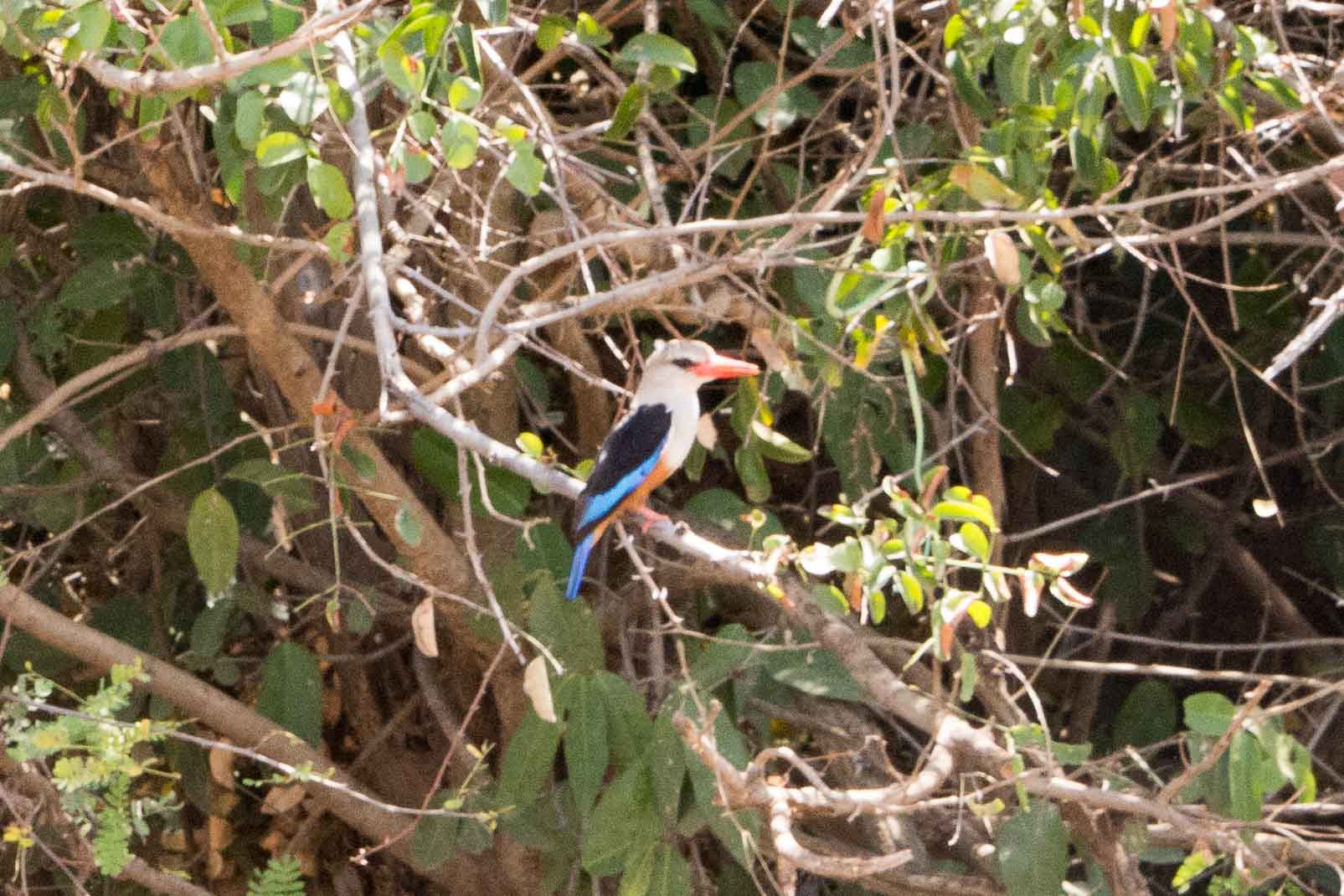
Kingfisher, Gray-headed

Kingfisher, Gray-headed

Scimitarbill, Common (Greater)

Scimitarbill, Common (Greater)

Bulbul, Common

Bulbul, Common

Gonolek, Black-headed

Gonolek, Black-headed

Kingfisher, Pygmy

Kingfisher, Pygmy

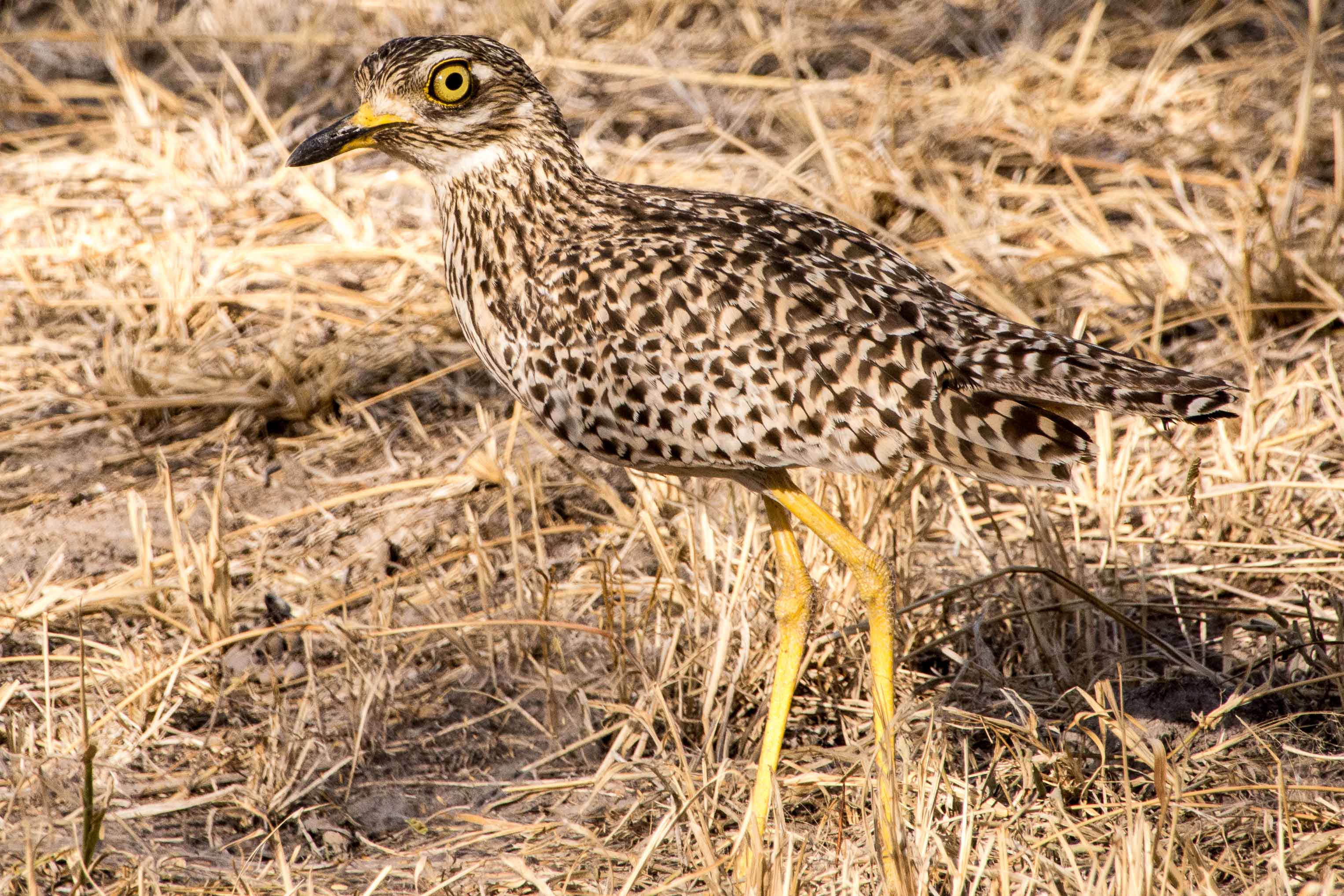
Thick-knee, spotted

Thick-knee, spotted

Eagle, Fish

Eagle, Fish

Thick-knee, spotted

Thick-knee, spotted

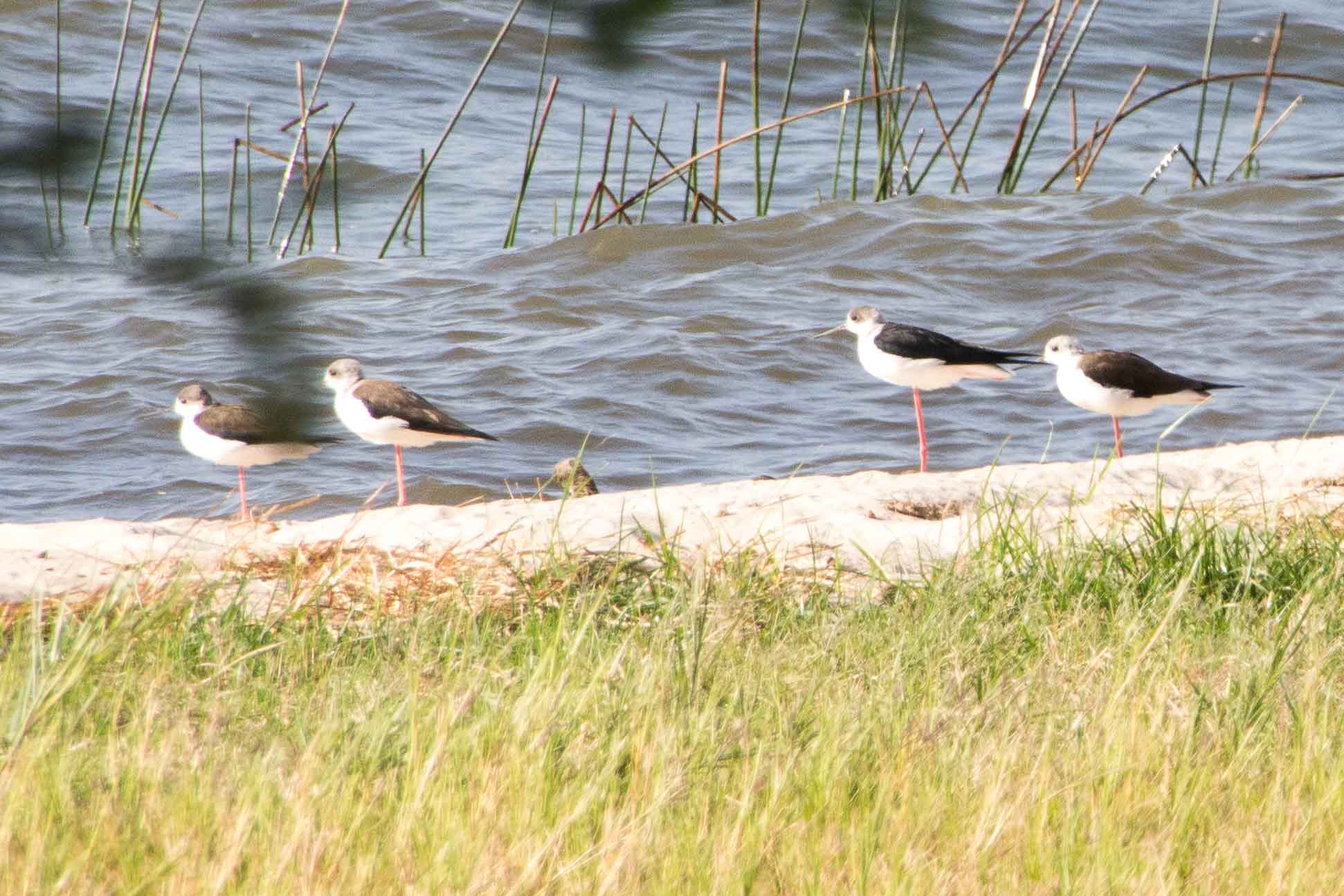
Stilt, Black-winged

Stilt, Black-winged

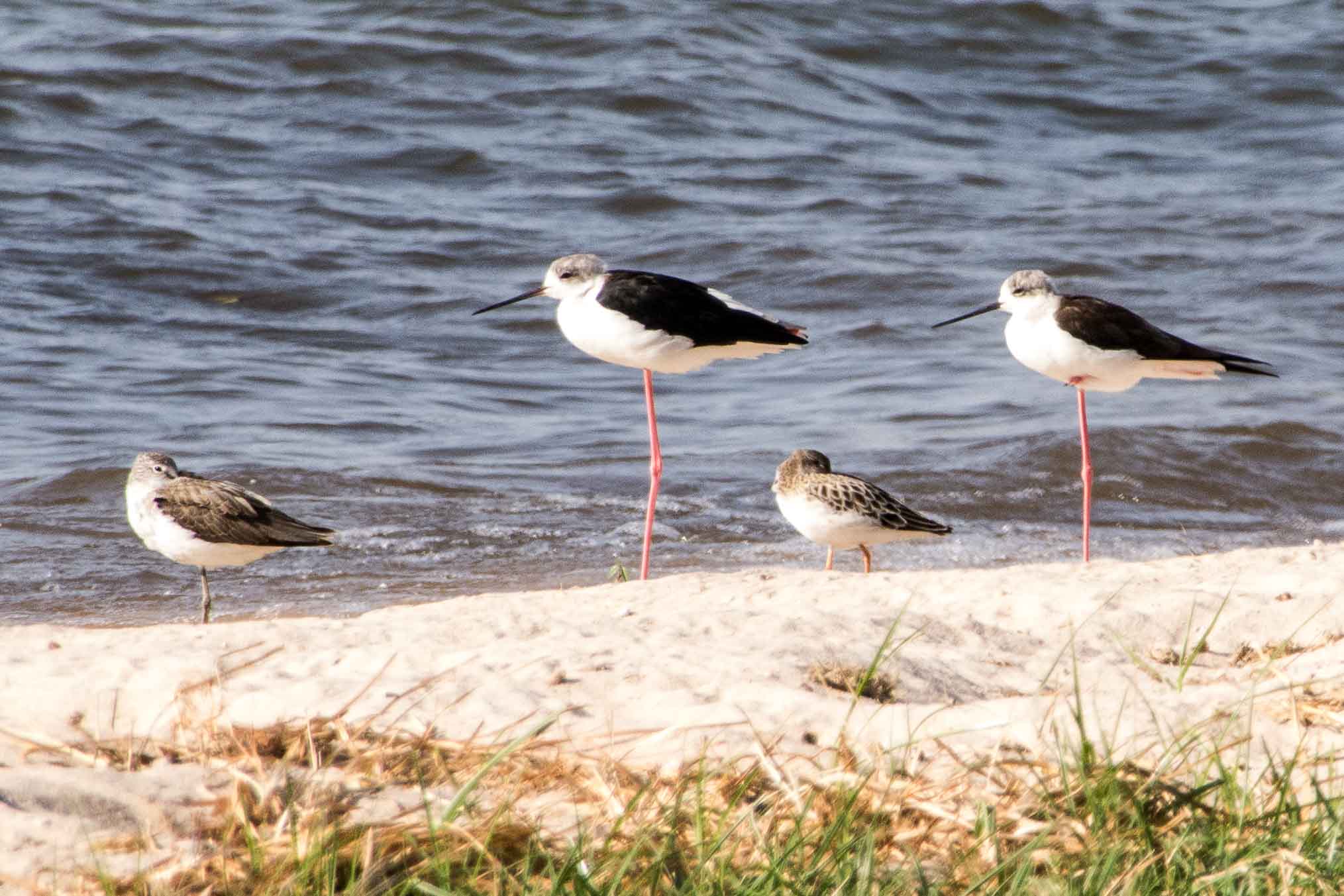
Stilt, Black-winged; Ruff

Stilt, Black-winged; Ruff

Plover, Spur Winged

Plover, Spur Winged

Dove, African Mourning

Dove, African Mourning

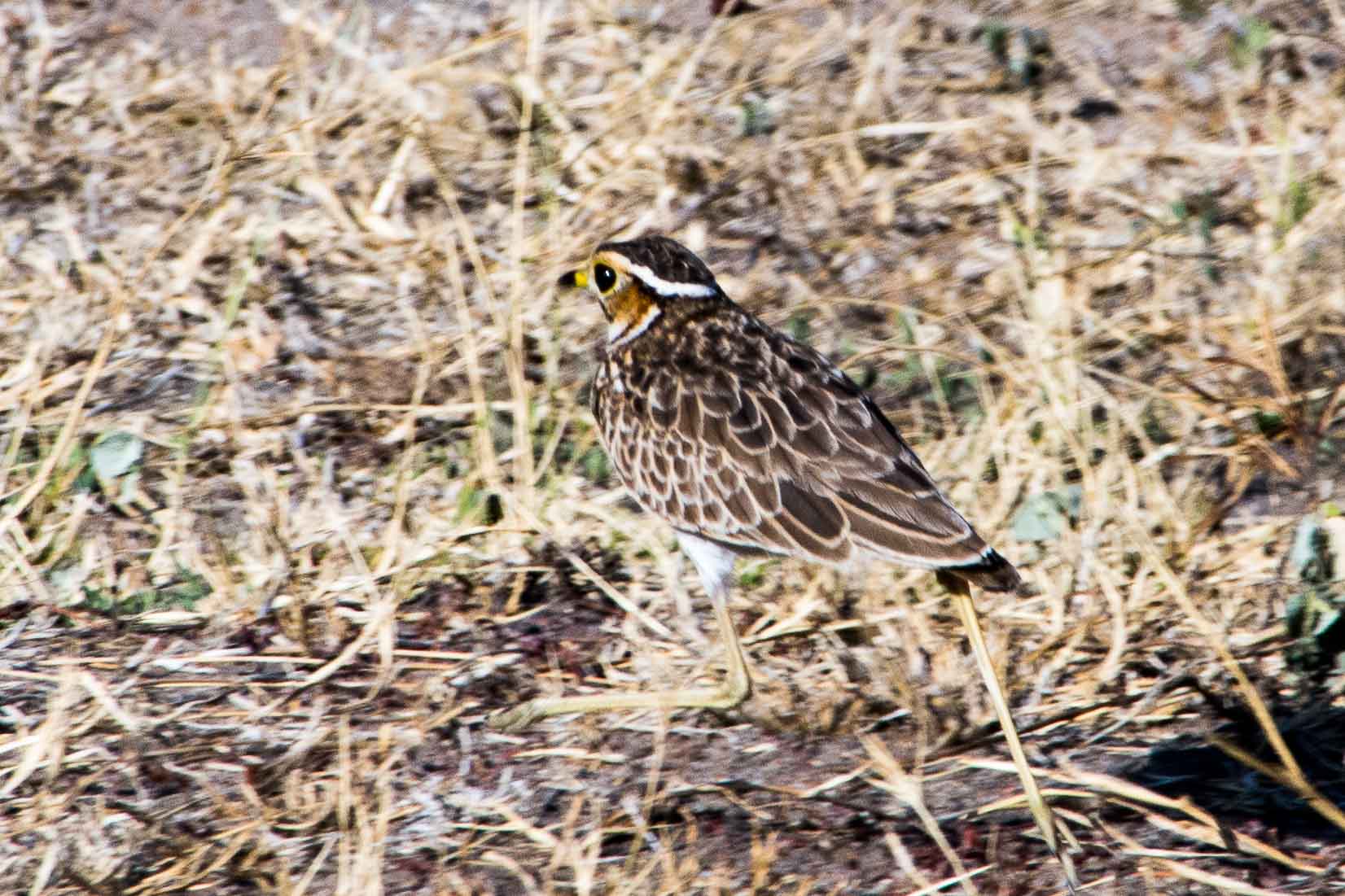
Plover, Three-Banded

Plover, Three-Banded

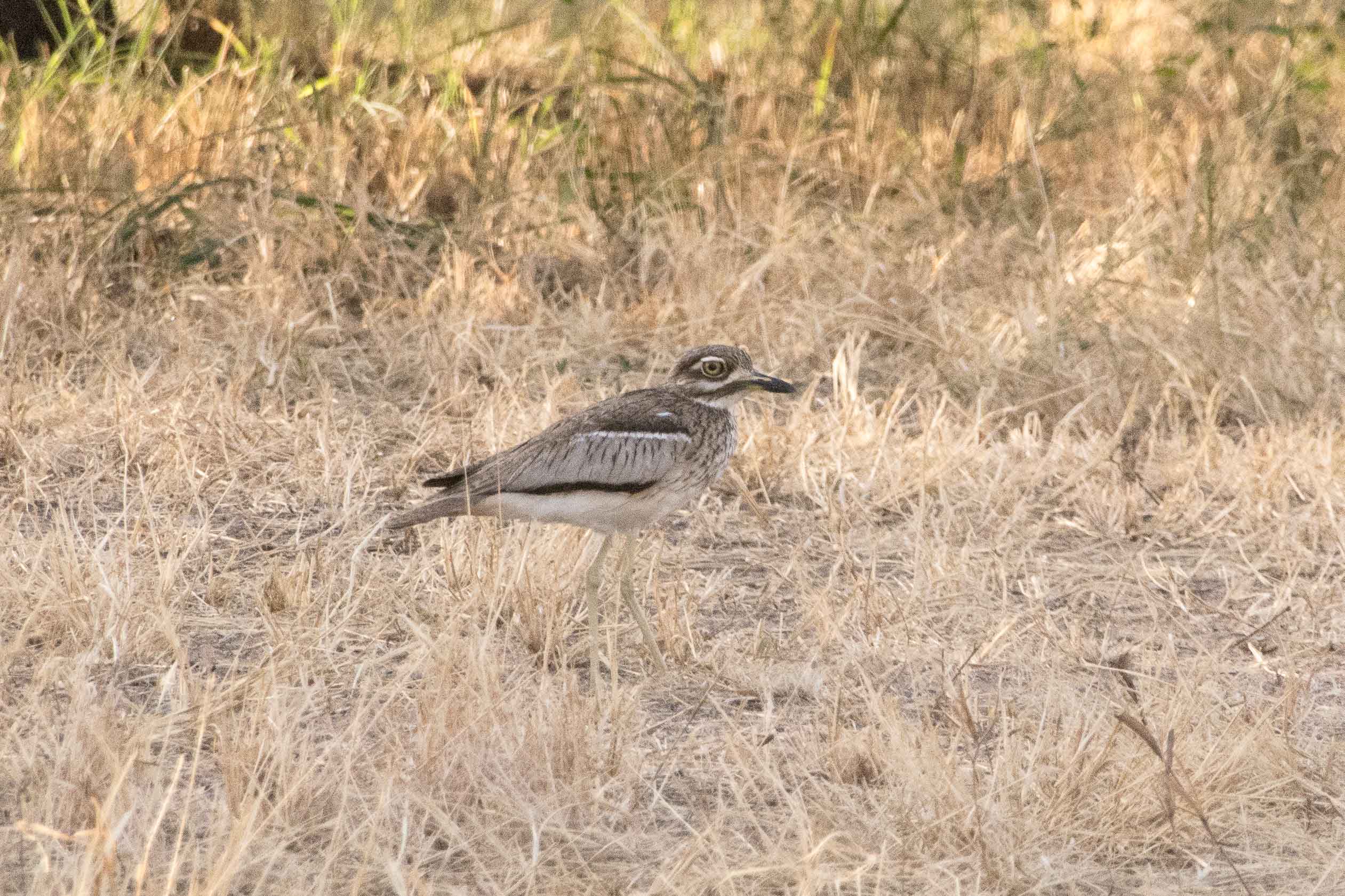
Thick-knee, Water

Thick-knee, Water

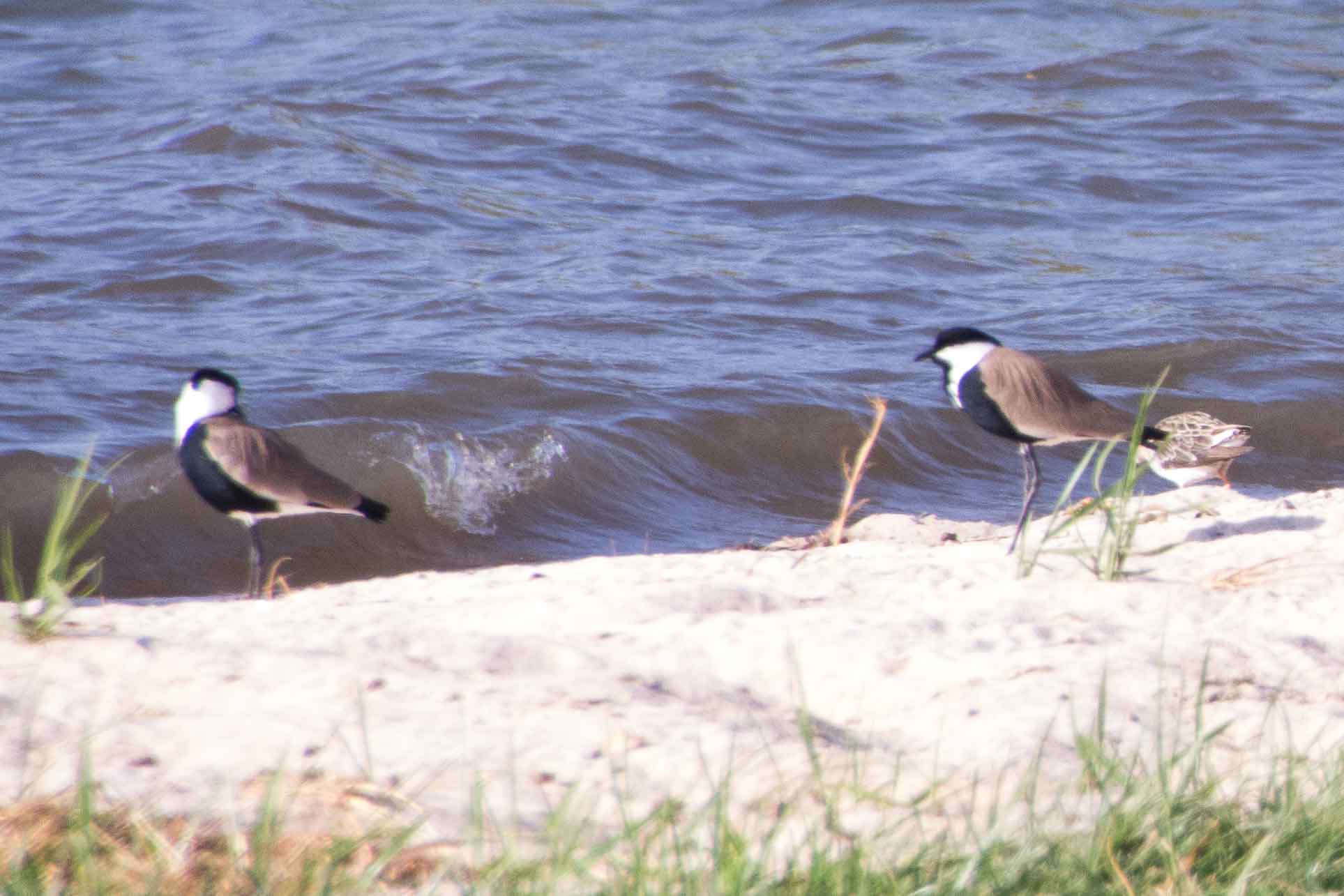
Plover, Spur-Winged (Lapwing)

Plover, Spur-Winged (Lapwing)

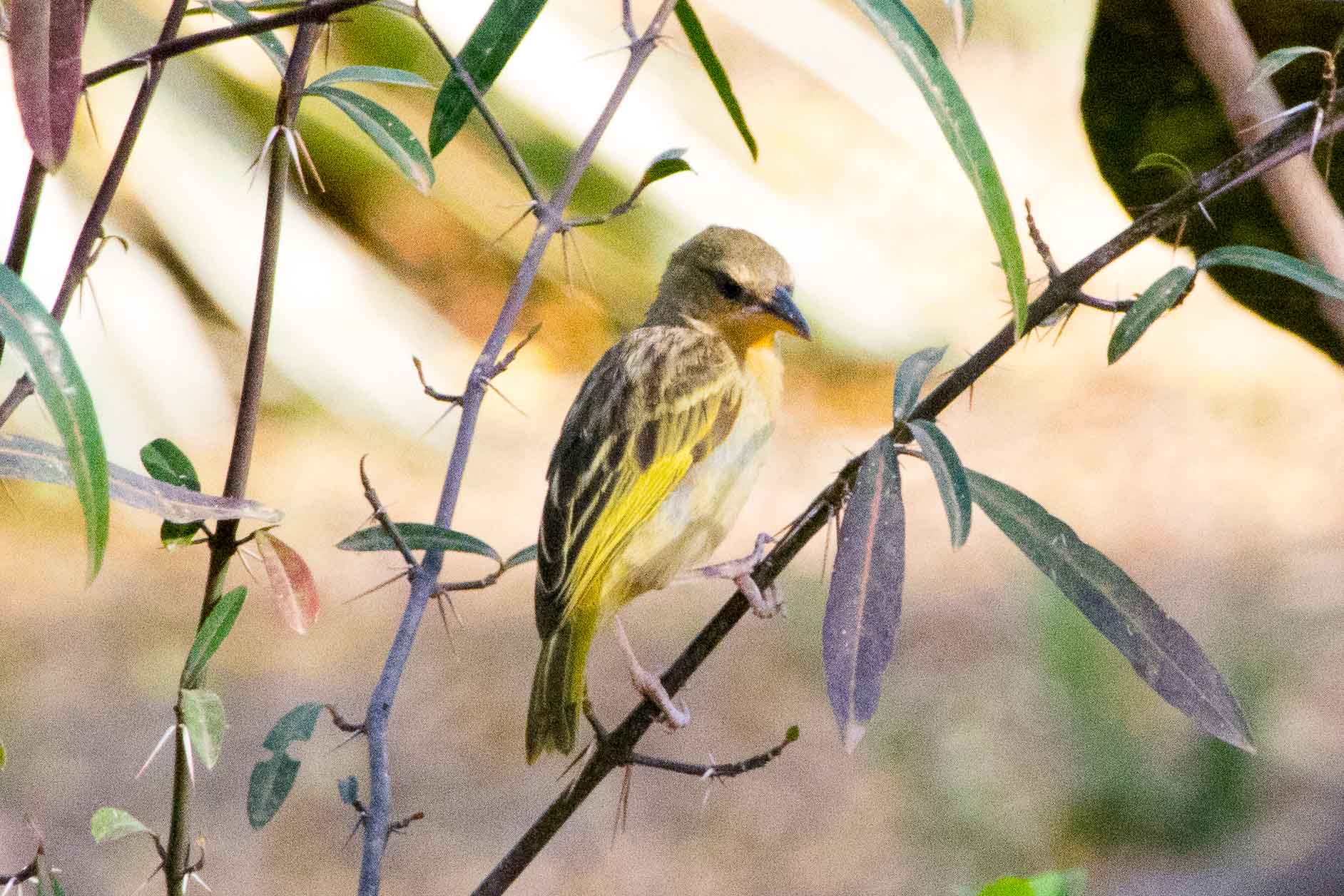
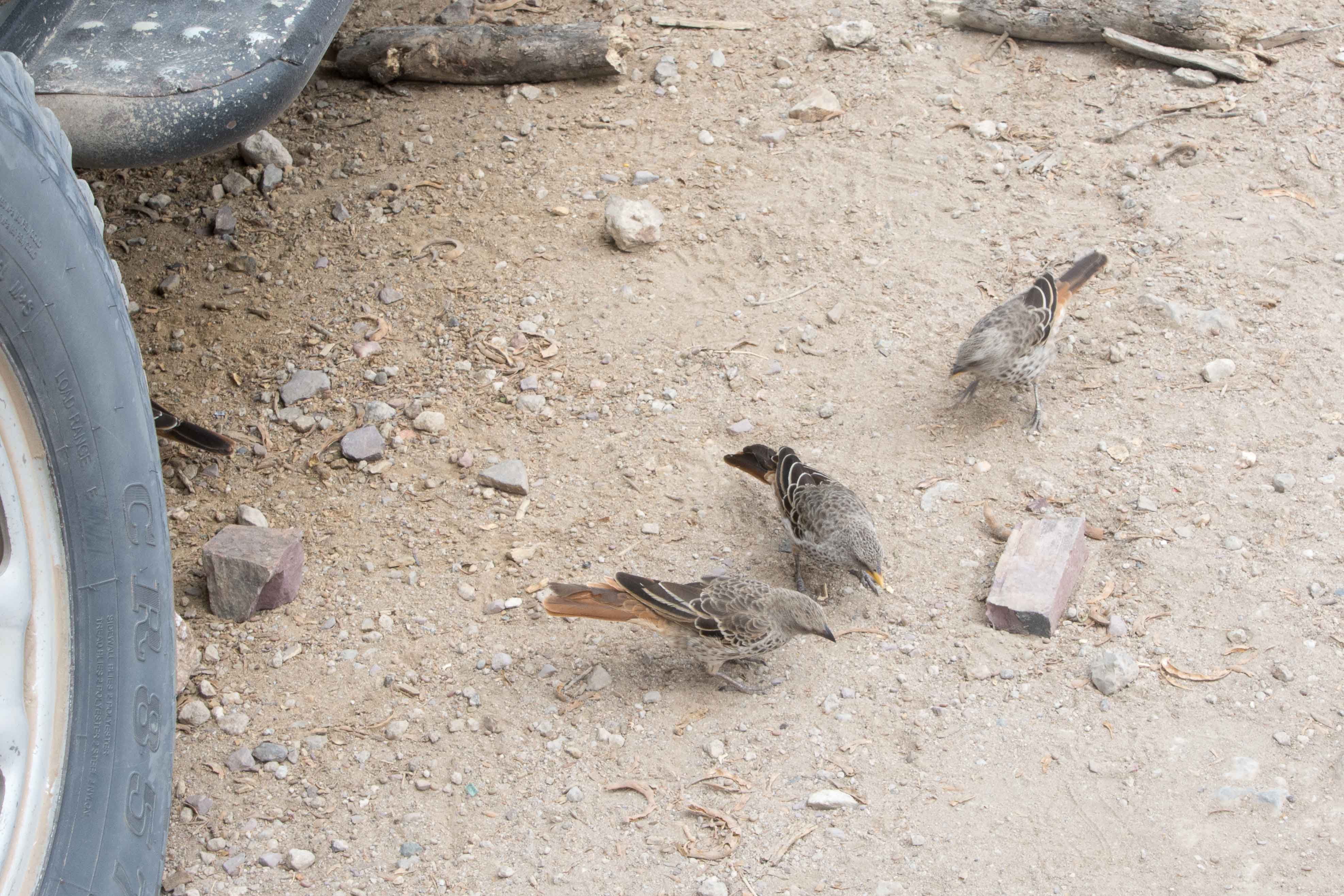
Weaver, Yellow-backed female or juvenile

Weaver, Yellow-backed female or juvenile

Gwen is very happy about this place, as it is literally right on the shore of Lake Victoria. The wind is blowing the water right onto the rocks outside our cabin door, and the sights and sound remind her of the Caribbean. I have to admit, after the last week on the savannah, it is quite a nice change of atmosphere.

The bird watching was a good job done by a local connected with the hotel named George. The highlight for me were the Fish Eagles, who have a next in a tree about 30 yards off of the shore. I got a lot of pictures of lots of birds, and Gwen took notes, so we’ll put them together when we get home.

Tomorrow it is on to Maasai Mara by small airplane.

Leave a comment

Filed under Blog, Travel to Africa

Fabulous Trip to Africa, 22 Sep to 4 Oct 2015, Post 6 – Serengeti

Out into the cold and dark…   Breakfast was early as predicted. We finally got on the road at 7:30, and made our way out to where the game were. That’s a bit of a bad way of saying it, as game are all around us here. We pass through zebra, giraffe, and several kinds of antelope before we get very far.

But first I should comment on our lodgings. This is a tent place. All the buildings, of which there are about 15 are tents. 20150928-DSC_2403The main tent is about twice as large as the cabin tents, giving it room for a nice lounge on one side and dining tables on the other. There are chandeliers hanging from the ceiling providing light, and electricity for most of your needs. This is provided by sun power, which collects the electricity in batteries during the day, and then allows use at night. There is a generator which kicks in if the batteries get low. As with each of these individual-tent-cabin places in the middle of wild animals, one of the camp’s employees (ours is Sampson) accompanies you whenever you go out in the dark.  By the way, the curtain behind Gwen hides the bathroom facilities, so we didn’t have to go outside to relieve ourselves.

Our room cabin tent is very large, probably 40 feet by 24 feet, with a full stand-up bathroom at one end. The room centers around the double bed, enshrouded with netting to keep away the mosquitoes at night. The other aspect of living in a tent in the Serengeti are the noises in the night. Lots of animals sound off (we really couldn’t tell what we were listening to), and then there is the wind, which was loud last night.

So on to today. Each day seems to get better, and today was no exception.

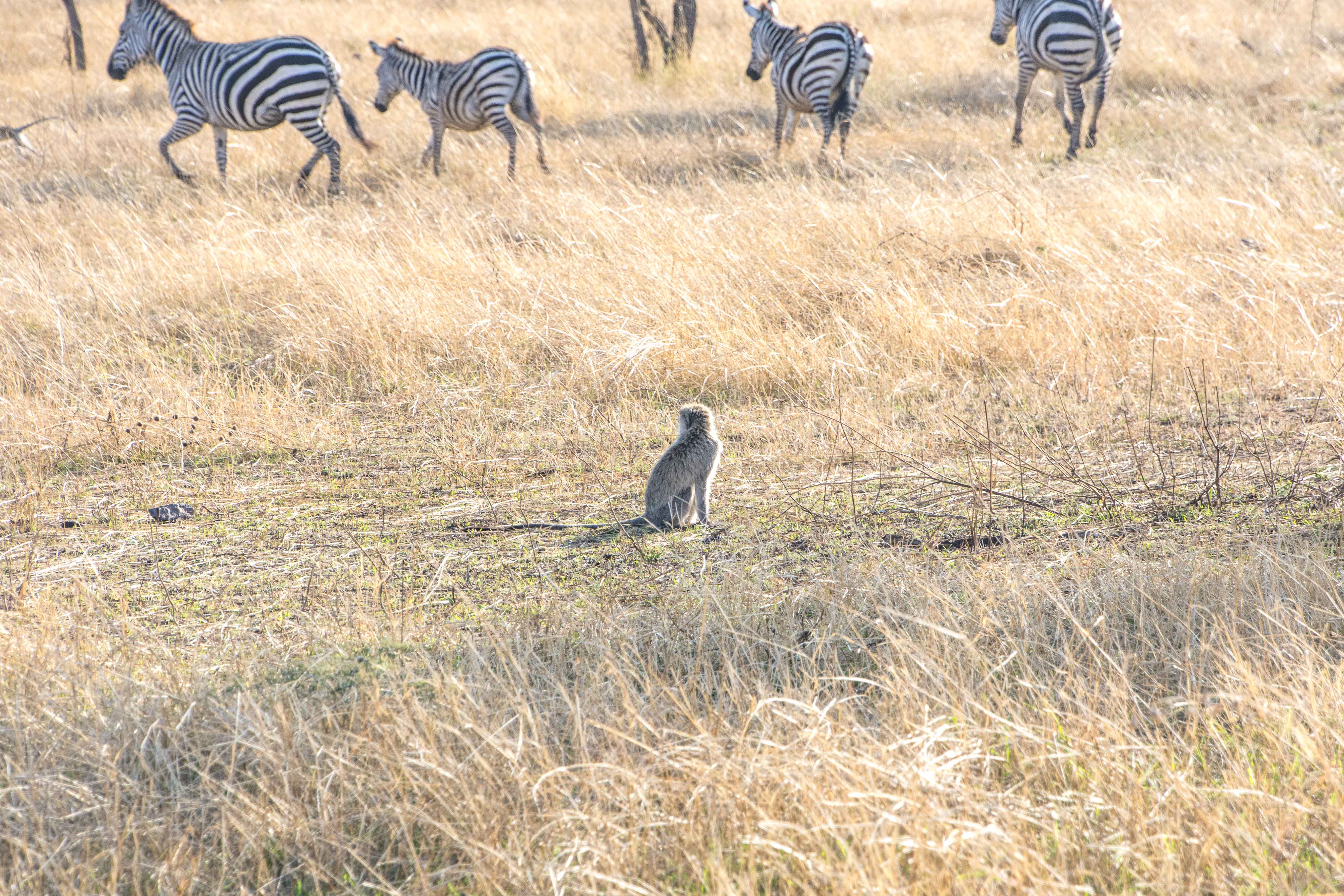
20150928-DSC_2415

Vervet monkeys

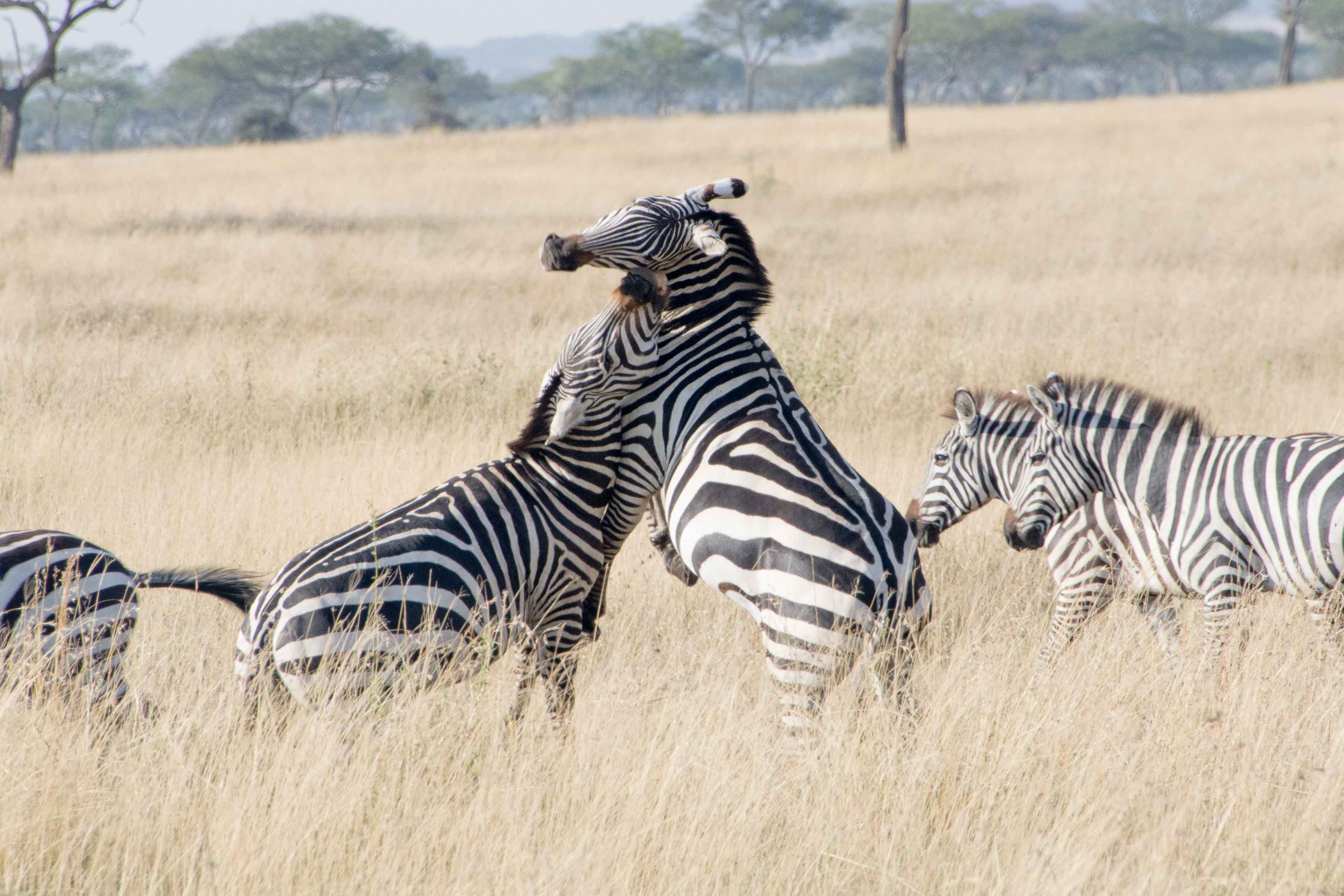
20150928-DSC_2432

Zebra fight!

20150928-DSC_2408 20150928-DSC_2423

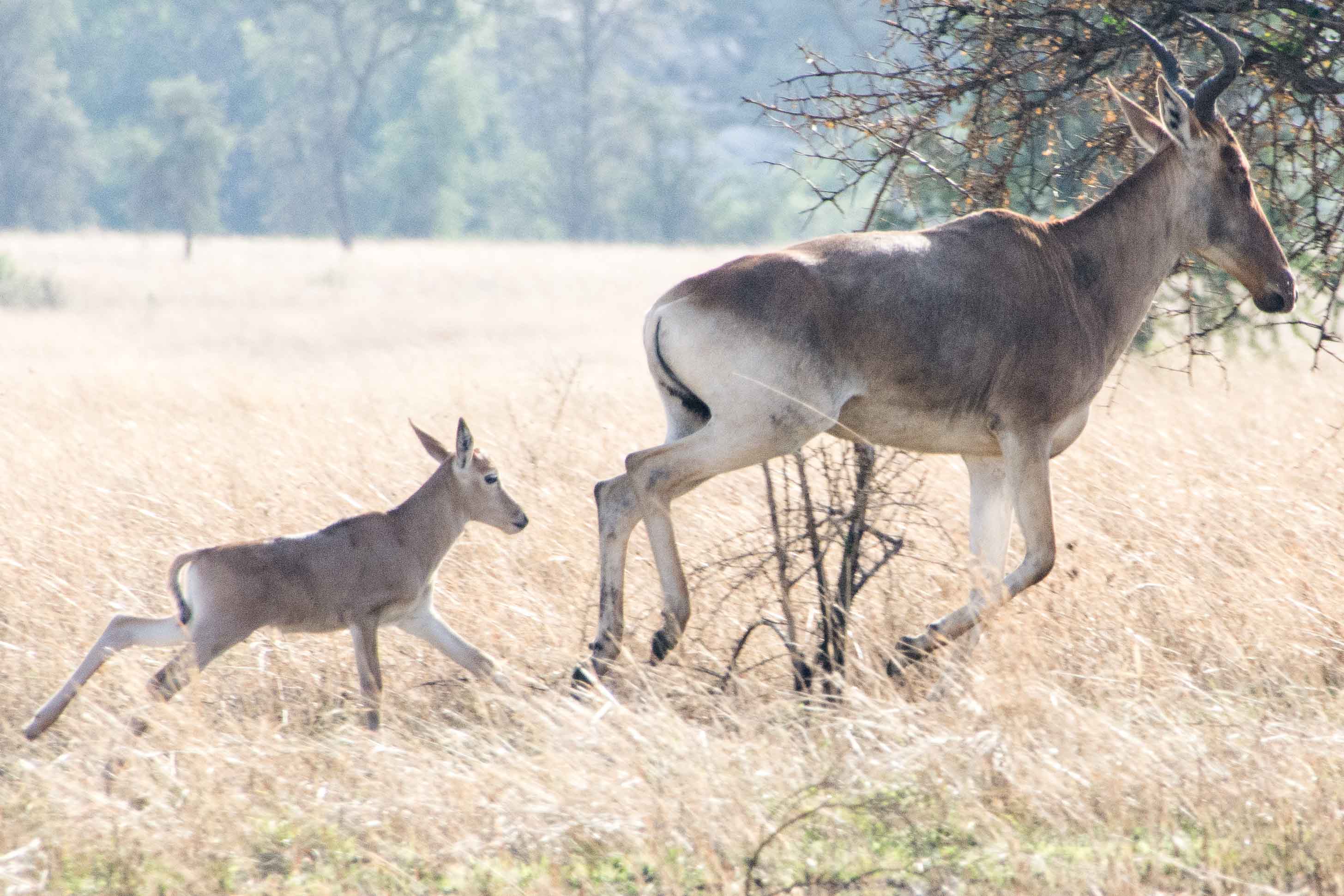
Momma and baby Kongoni

Momma and baby Kongoni

Momma and baby

Momma and baby

The savannah in the Serengeti seems dryer than what we saw in Amboseli or in Ngorongoro.  I guess there is enough to eat, but our guide tells us that the rains have been sparse so far, so the fields are not as supportive of the large herds are they have been in the past.  Still we see lots of wildlife during the day.

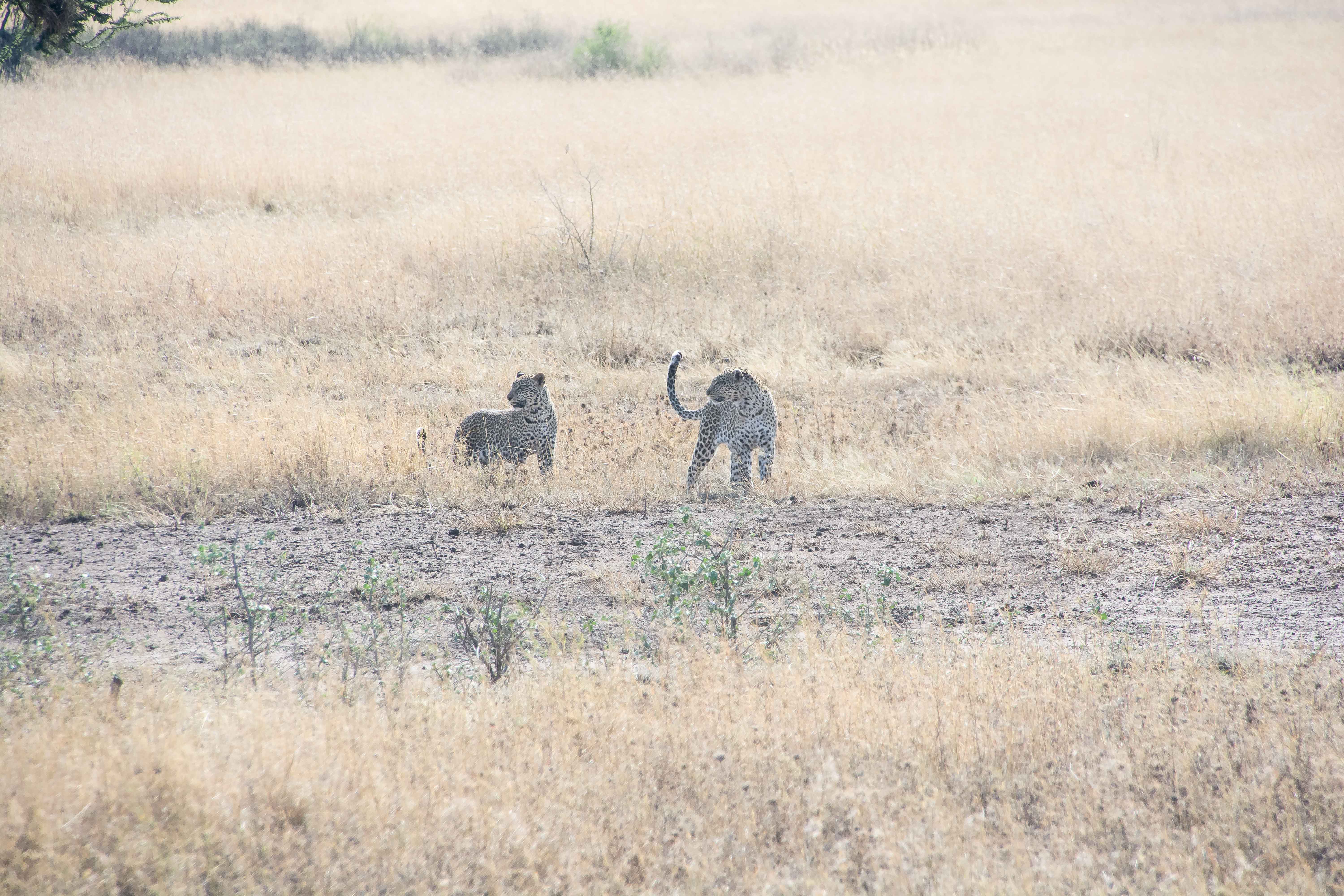
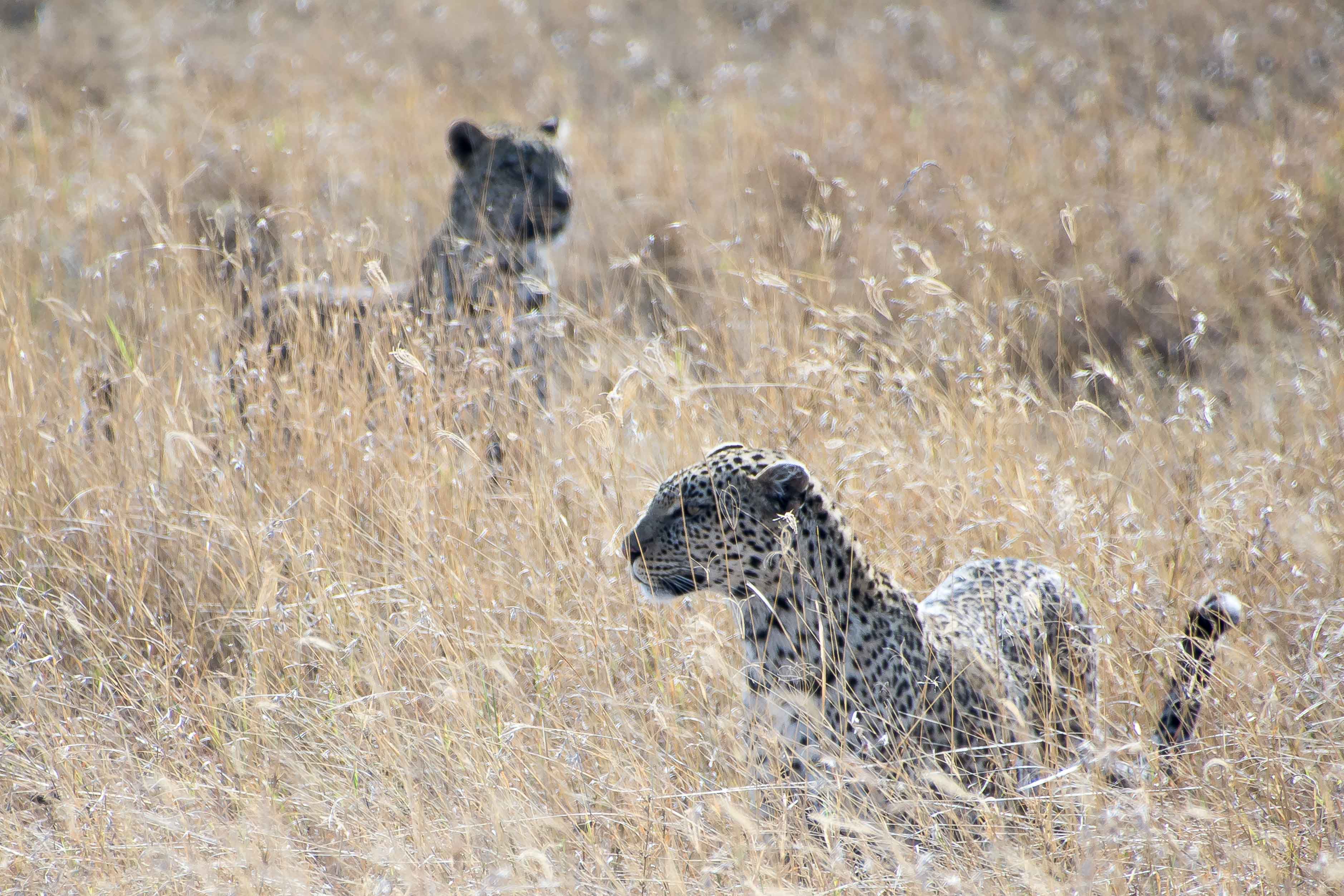
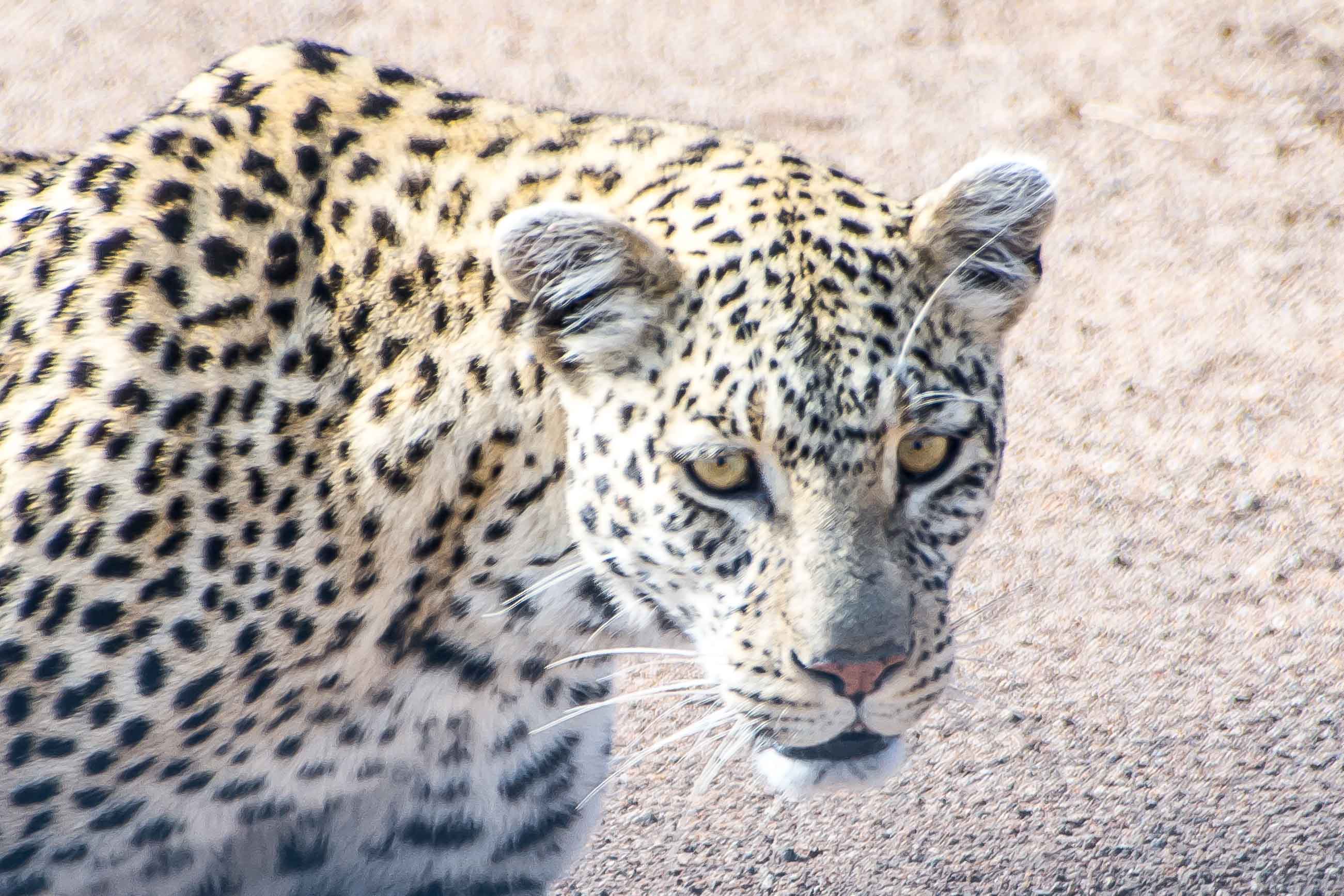
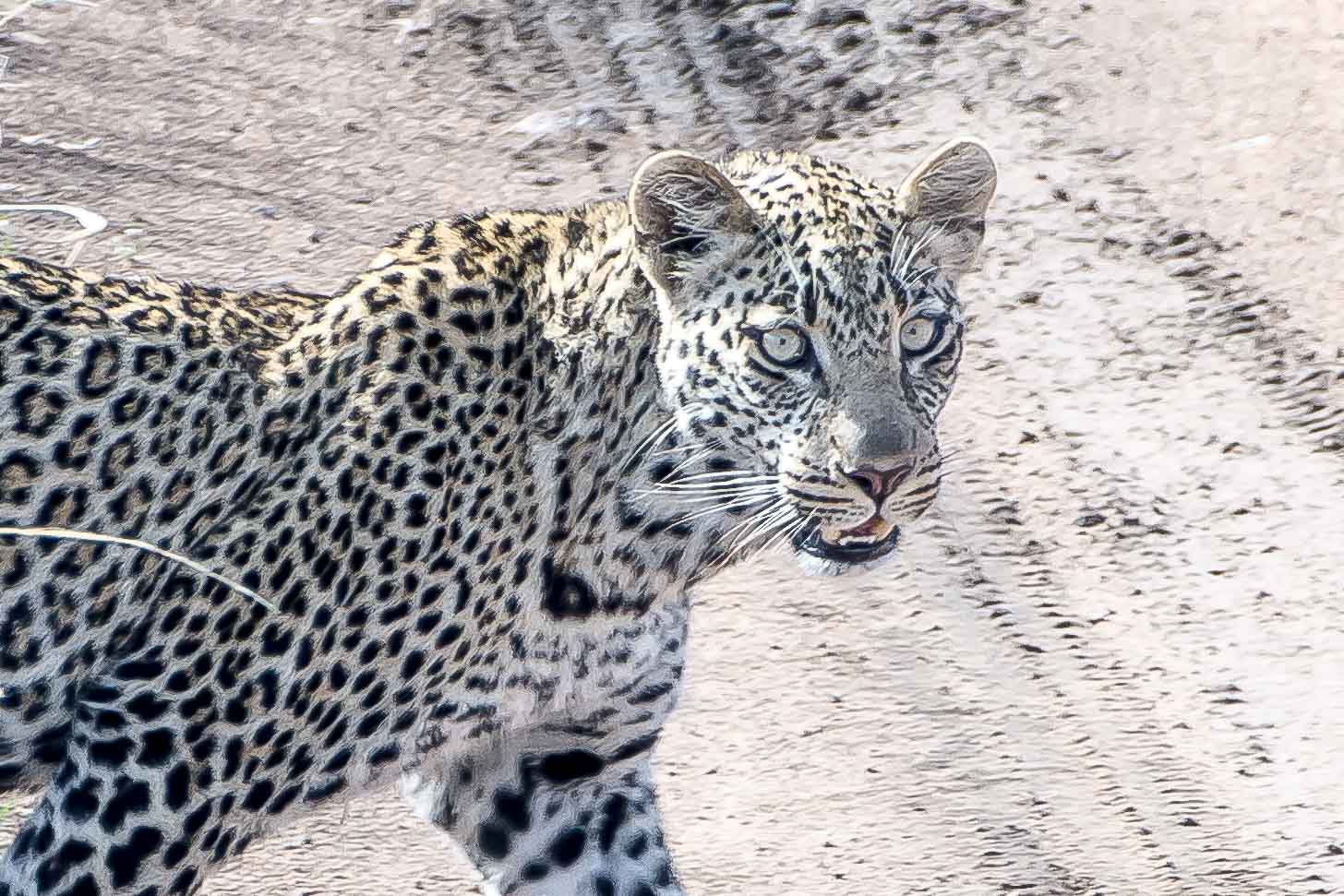
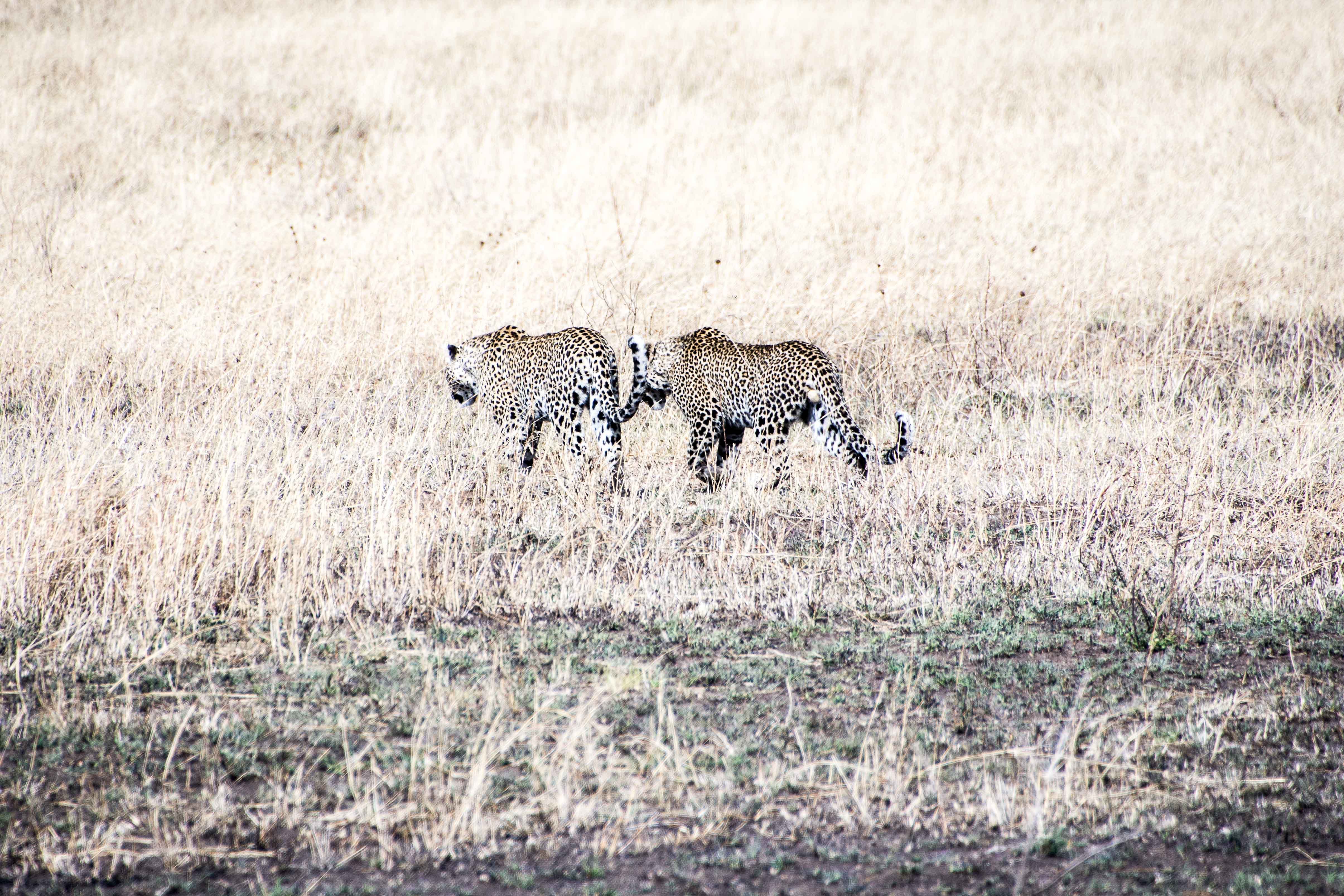
20150928-DSC_2485Our most exciting leopard story starts when Philip or Everest spied a female leopard heading toward a stand of trees and rocks.  20150928-DSC_2501We stopped to watch, and then decided that she probably was going to move through to the other side, so we moved the vehicle to be able to see her if that is what she did. Sure enough, she shortly showed up there, heading out into a field on a path that paralleled the track the truck was on. 20150928-DSC_2552We saw that she had brought a friend (male, we think). 20150928-DSC_2561The two of them walked through the tall grass, moving unhurriedly, and we did our best to keep them in sight. Eventually, they decided they wanted to cross the road, and indeed on they came. They passed in front of our truck no more than 10 feet away. Great for pictures. 20150928-DSC_2574 20150928-DSC_2576

They continued on toward another rock 20150928-DSC_2595outcropping, 20150928-DSC_2604and once they got there, we thought we saw the female kill a small field animal that didn’t move quickly enough. I guess that was their goal, as we lost sight of them and shortly thereafter, we moved on.

As had become usual, we saw a number of the larger land animals.

20150928-DSC_2634 20150928-DSC_2642 20150928-DSC_2670 20150928-DSC_2694 20150928-DSC_2751

Impala

Impala

We also saw a number of birds.

Vulture, Cape (juv)

Vulture, Cape (juv)

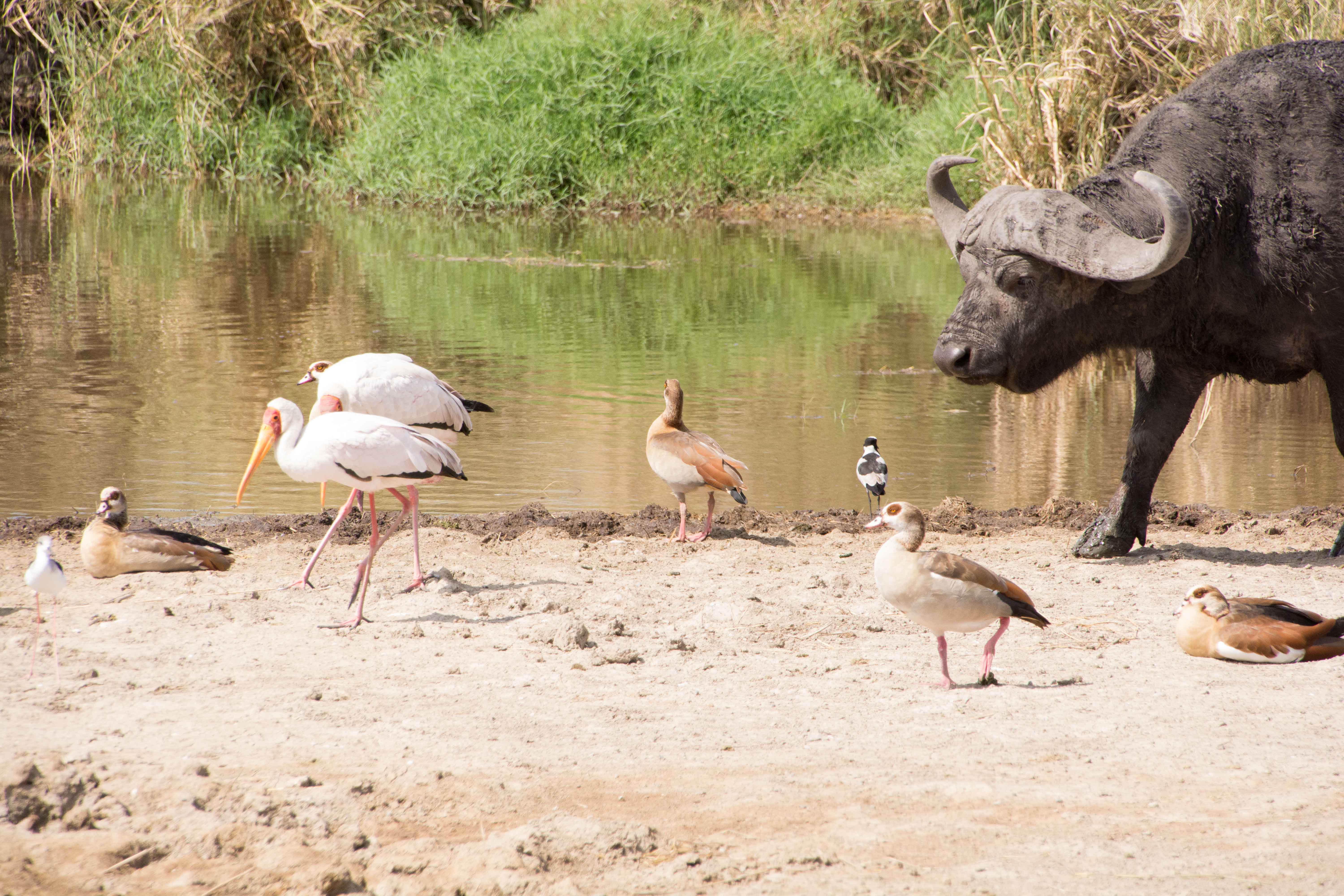
Stork, Yellow-billed; Goose, Egyptian; Stilt, Black-winged; Plover, Blacksmith

Stork, Yellow-billed; Goose, Egyptian; Stilt, Black-winged; Plover, Blacksmith

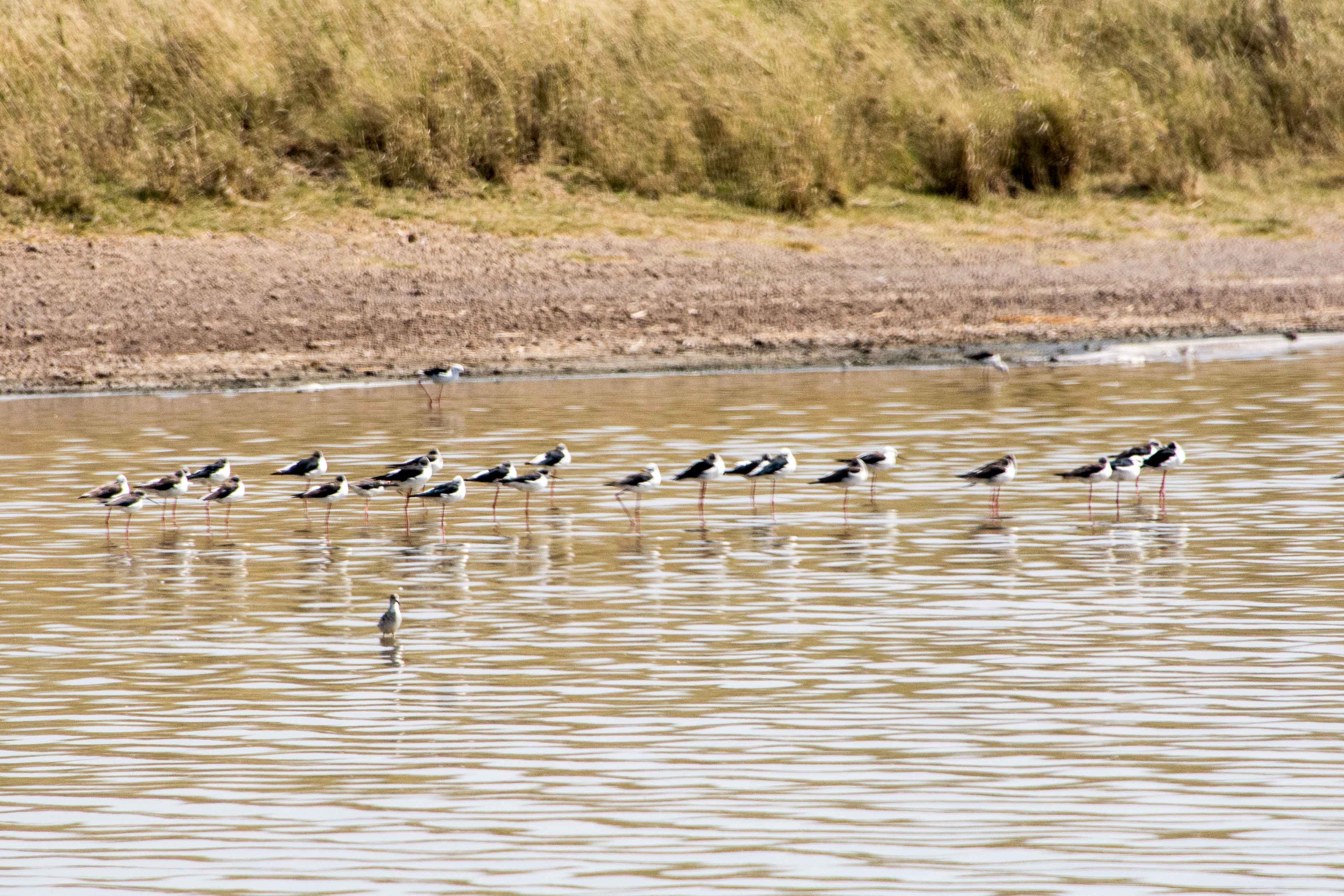
Stilt, Black-winged

Stilt, Black-winged

Weavers' nests

Weavers’ nests

20150928-DSC_2780

Vulture, Lappet-faced

Vulture, Lappet-faced

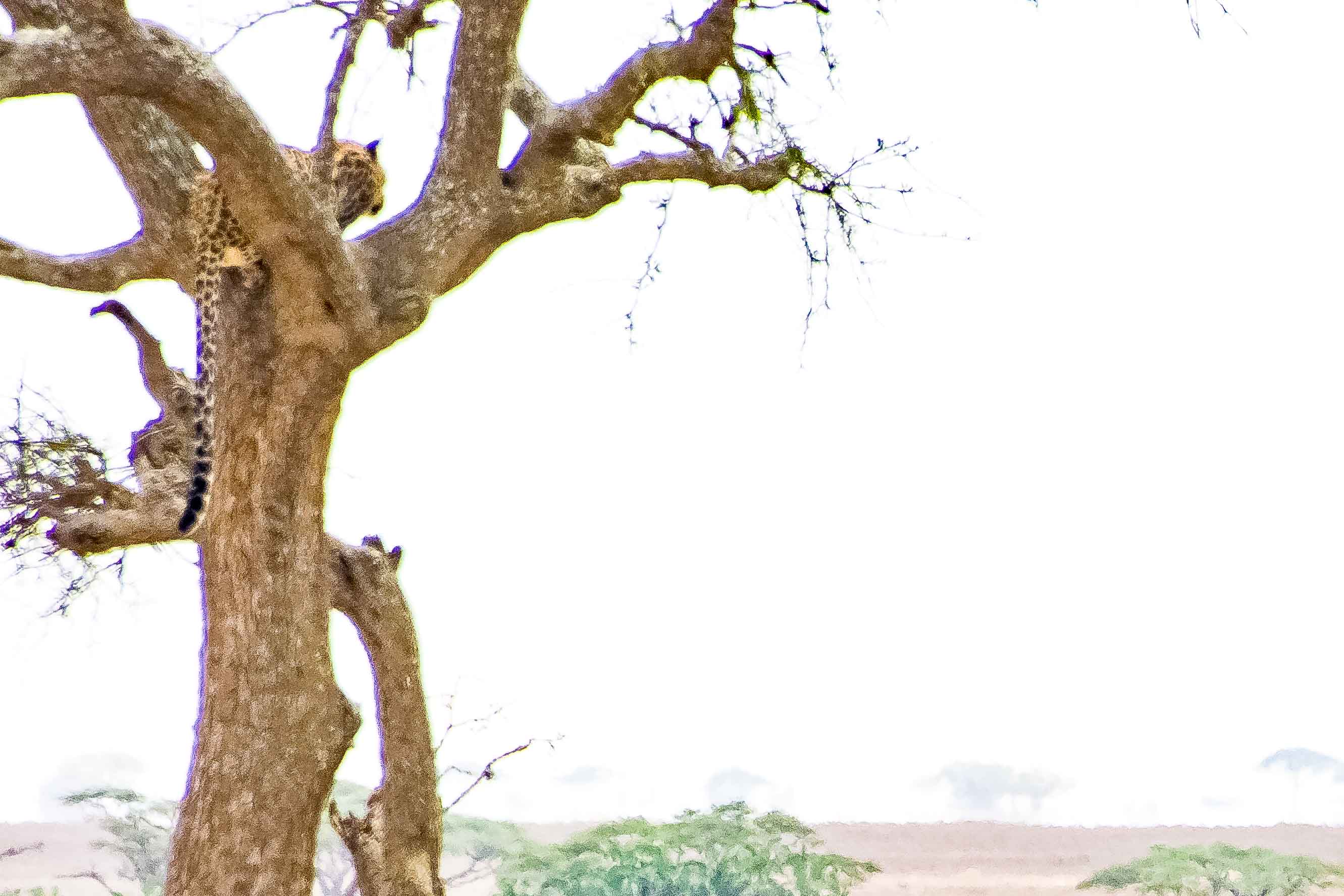
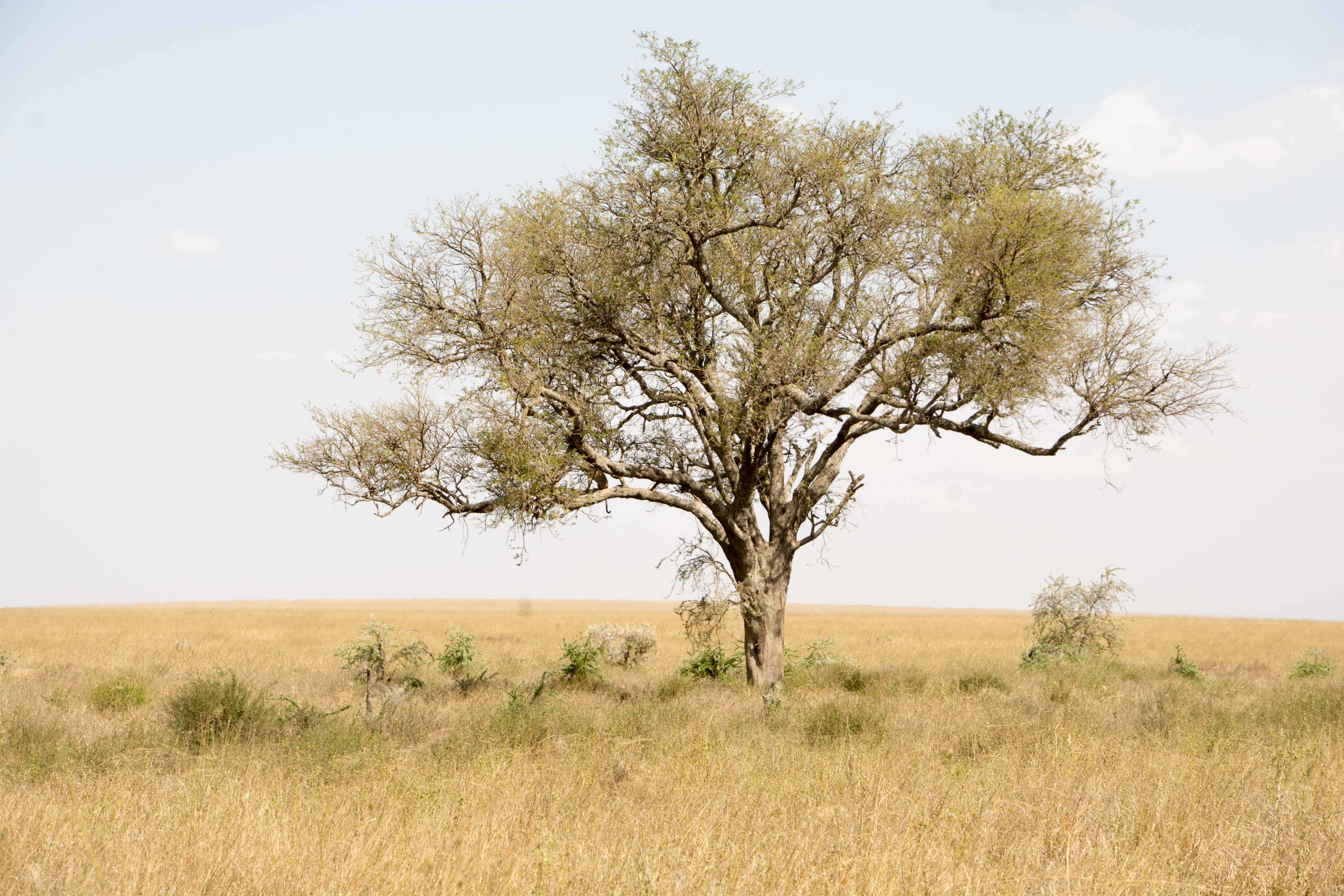
We saw other leopards today, 20150928-DSC_2810both of the two we saw were up a tree, (one in the morning and one in the afternoon) which we watched for awhile.  The leopards were watching the animals in a large field beyond the tree each was in. We tried to see what each was seeing, but didn’t see anything that would excite them to do something dramatic. It was fun to watch for awhile, and then we moved on.  Can you see the one in the tree below?

20150928-DSC_3038 20150928-DSC_3040 20150928-DSC_3049

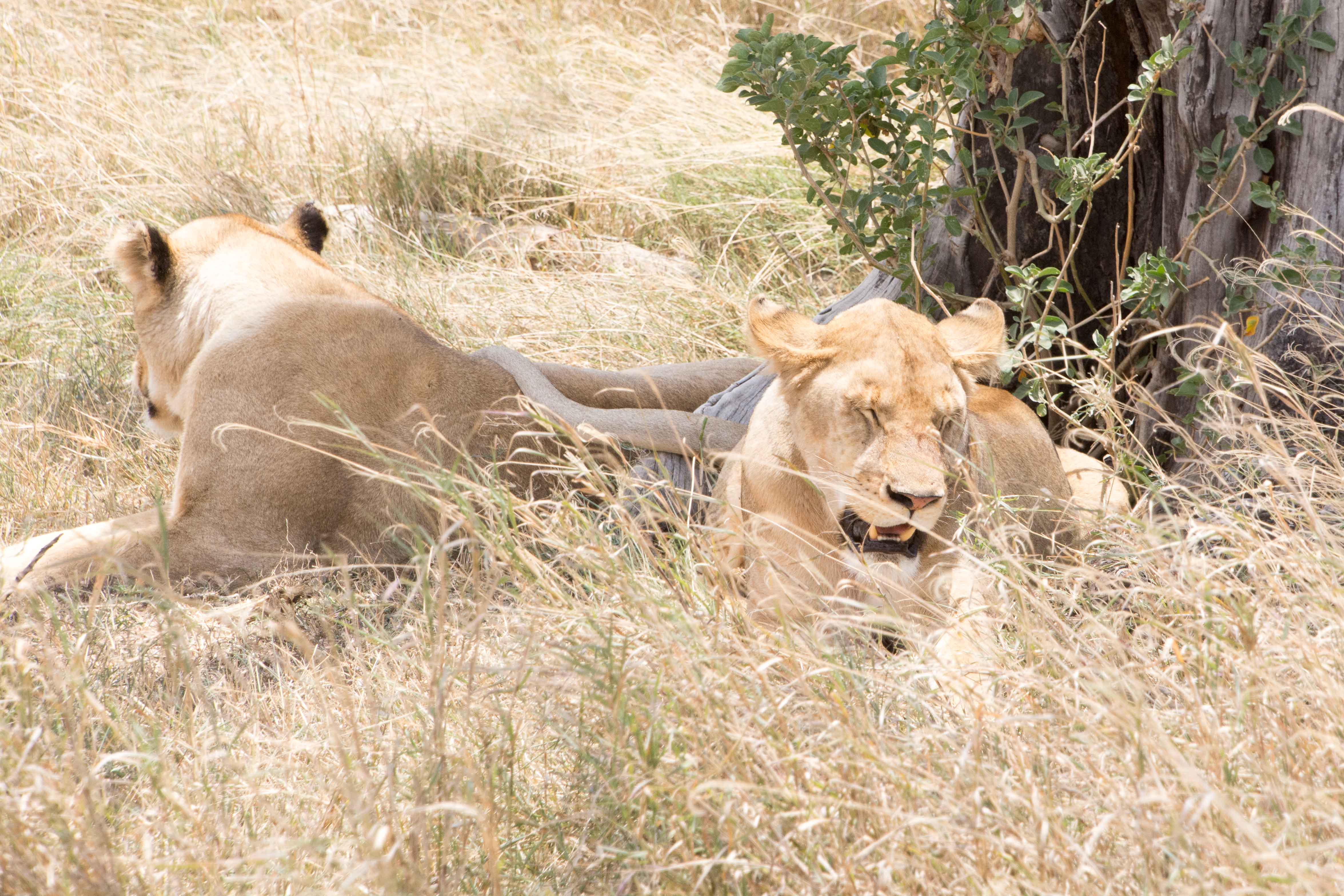
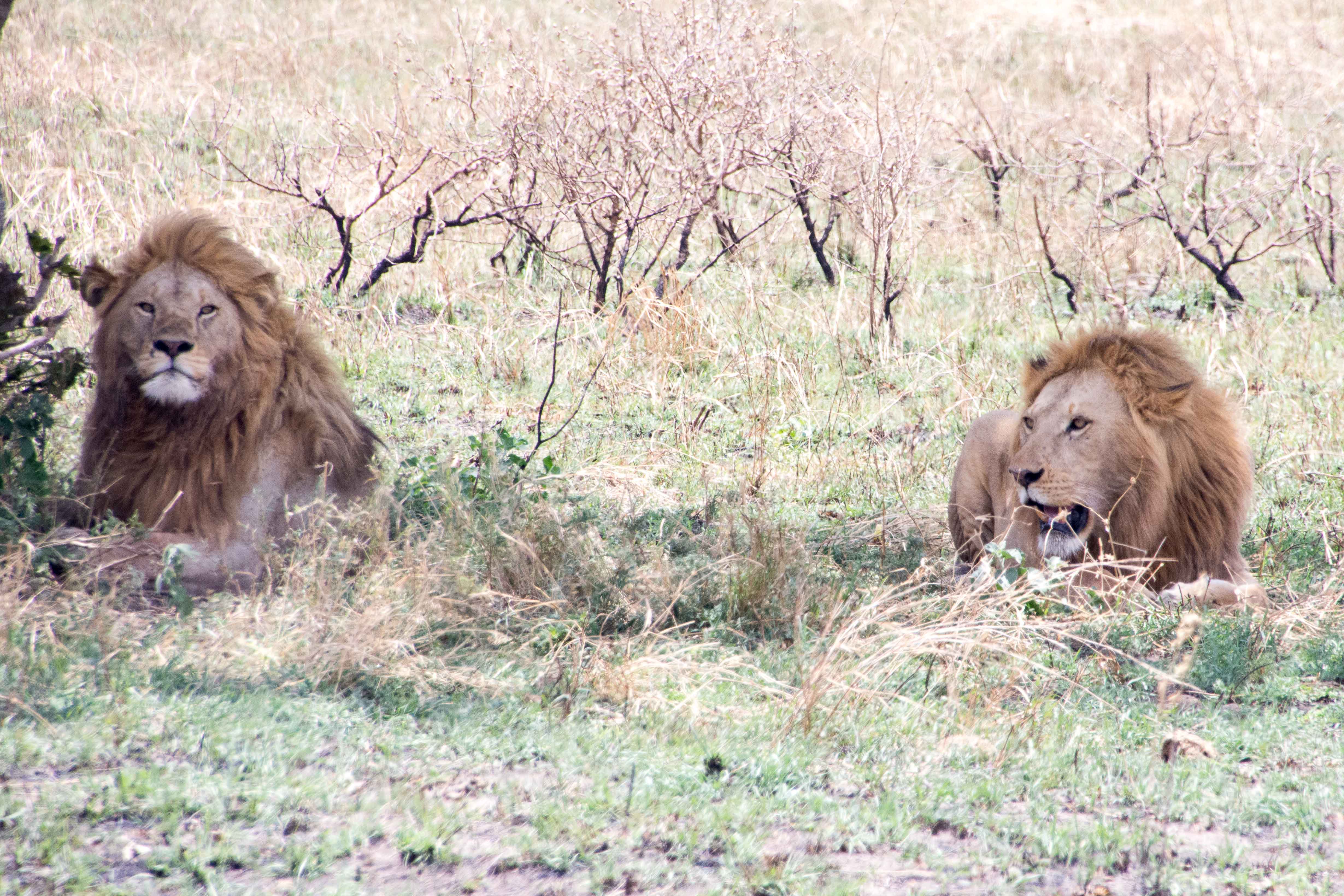
As for lions, we saw probably 30 all told. All were resting, and we saw only walking type movement from any of them. 20150928-DSC_2853 20150928-DSC_2898In one area were two females sitting under a tree, while across the path at the next tree, two males were lazing away their late morning. We watched the males for awhile, and then moved on. 20150928-DSC_3098 20150928-DSC_3113 20150928-DSC_3133The last sighting was the largest, Seven youngsters (less than a year) were sleeping under a tree under the oversight of two older females. Eventually, the two older ones and five of the youngsters cross and joined two more females and two more youngsters under a much larger tree. We watched them for awhile, then moved on.

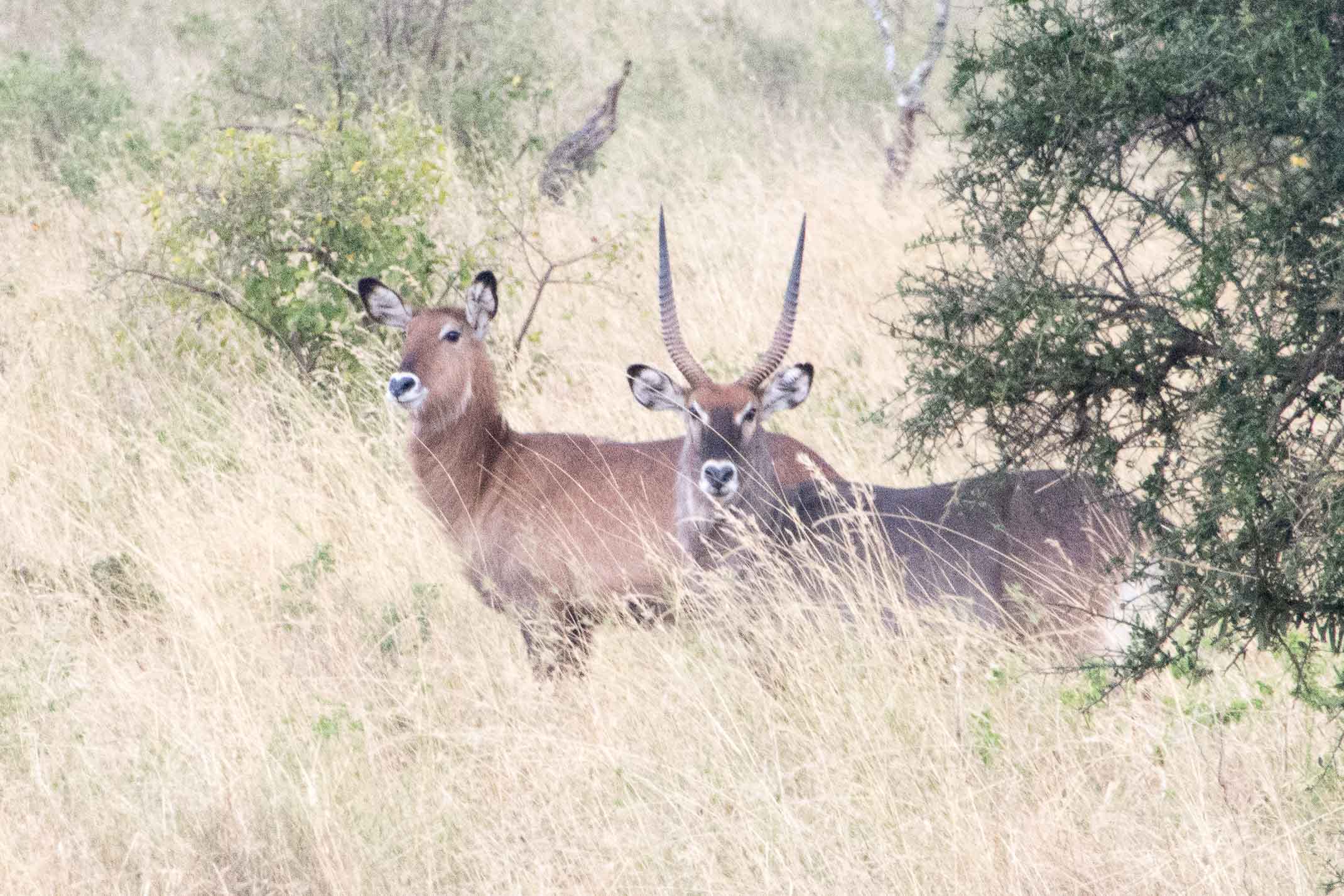
We saw some more hippos sleeping in a pond, and quite a few birds. We saw eland, kongoni, dik-dik’s, and at least one other new-to-us antelopes, water bucks. It was quite a day.

20150928-DSC_2933

Kongoni

Heron, Great Blue

Heron, Great Blue

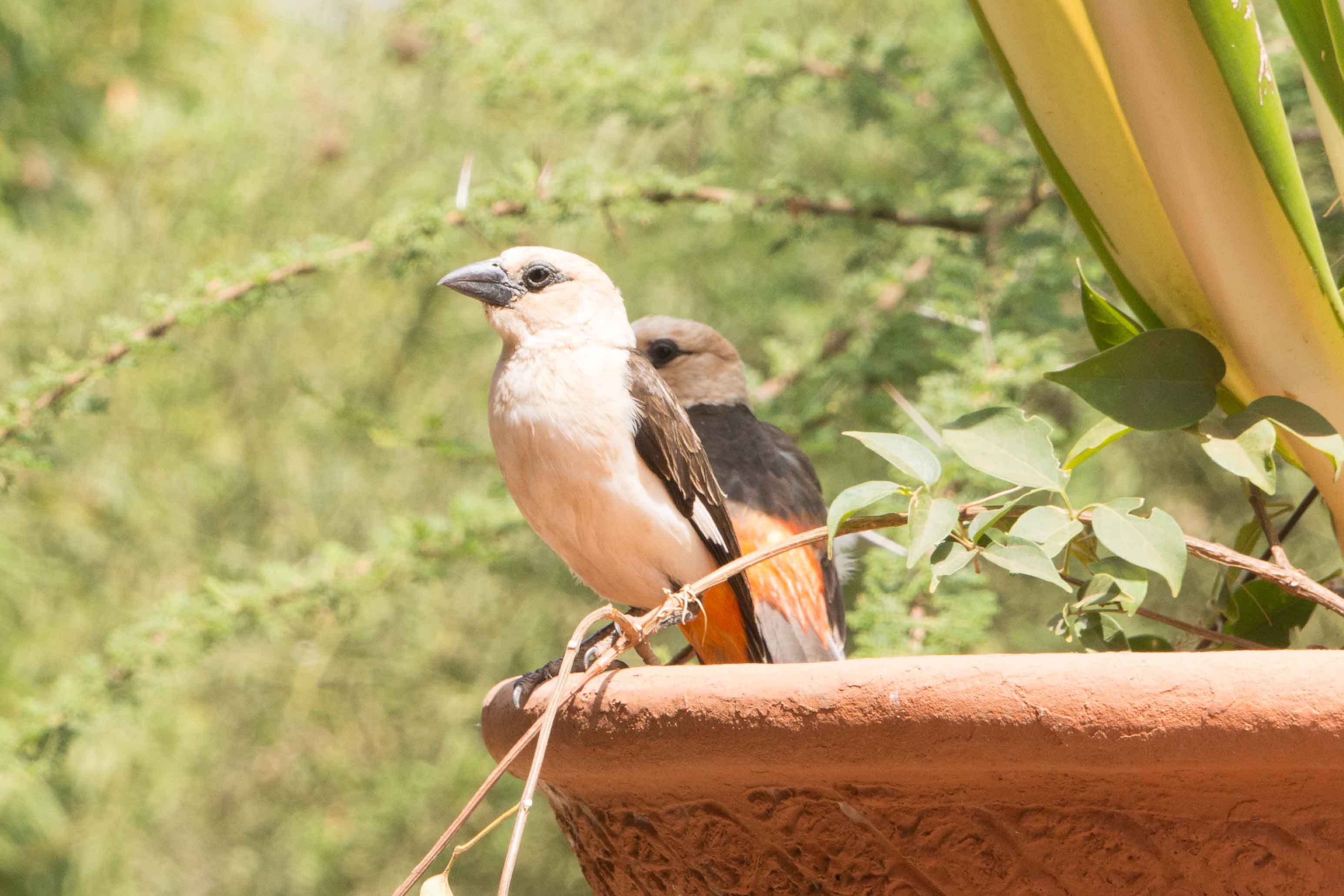
Weaver, White-headed Buffalo

Weaver, White-headed Buffalo

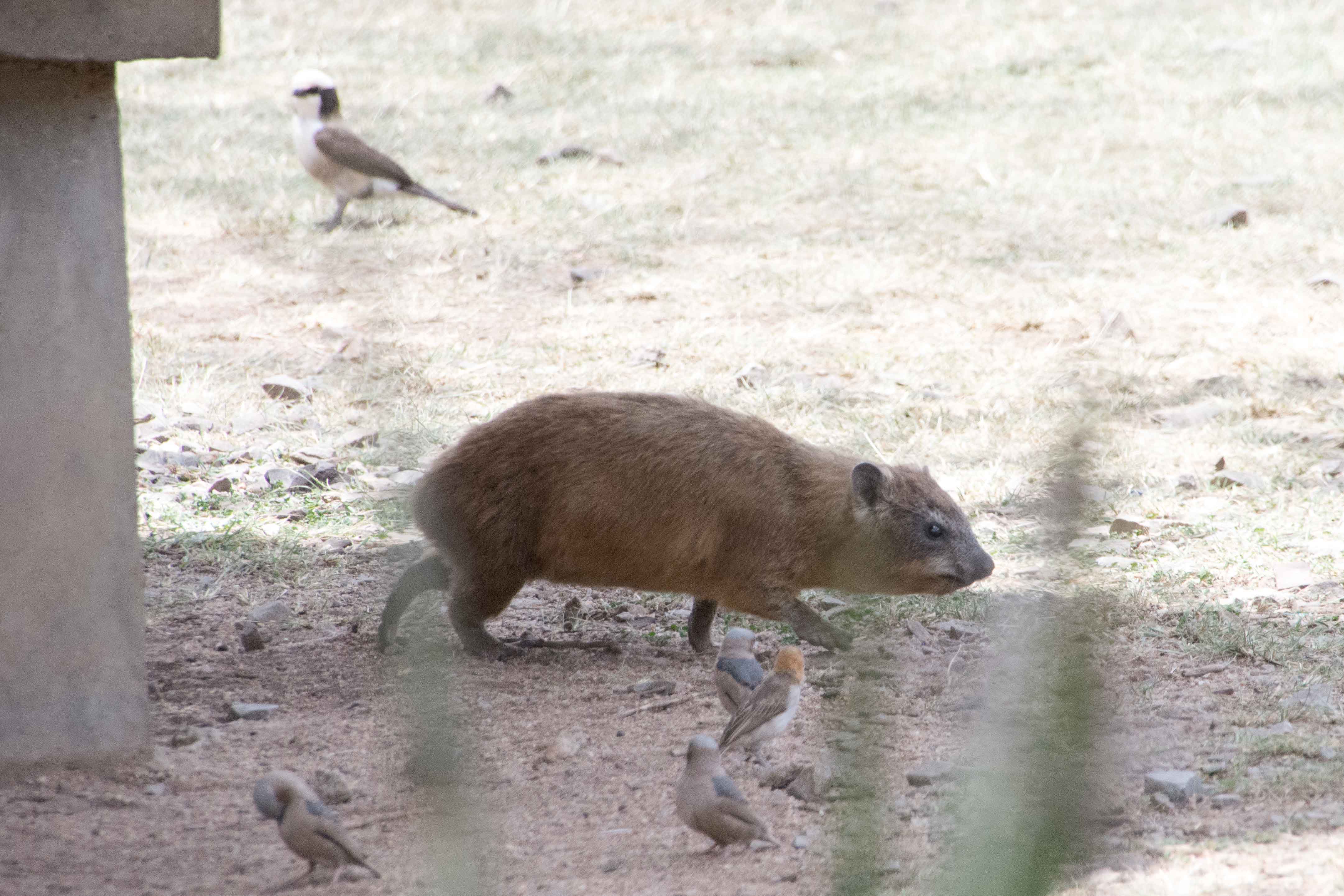
Hyrax trying to mooch some food from us humans

Hyrax trying to mooch some food from us humans

Shrike, Northern White-Crowned

Shrike, Northern White-Crowned

Dwarf Mongoose standing watch in an abandoned termite mound

Dwarf Mongoose standing watch in an abandoned termite mound

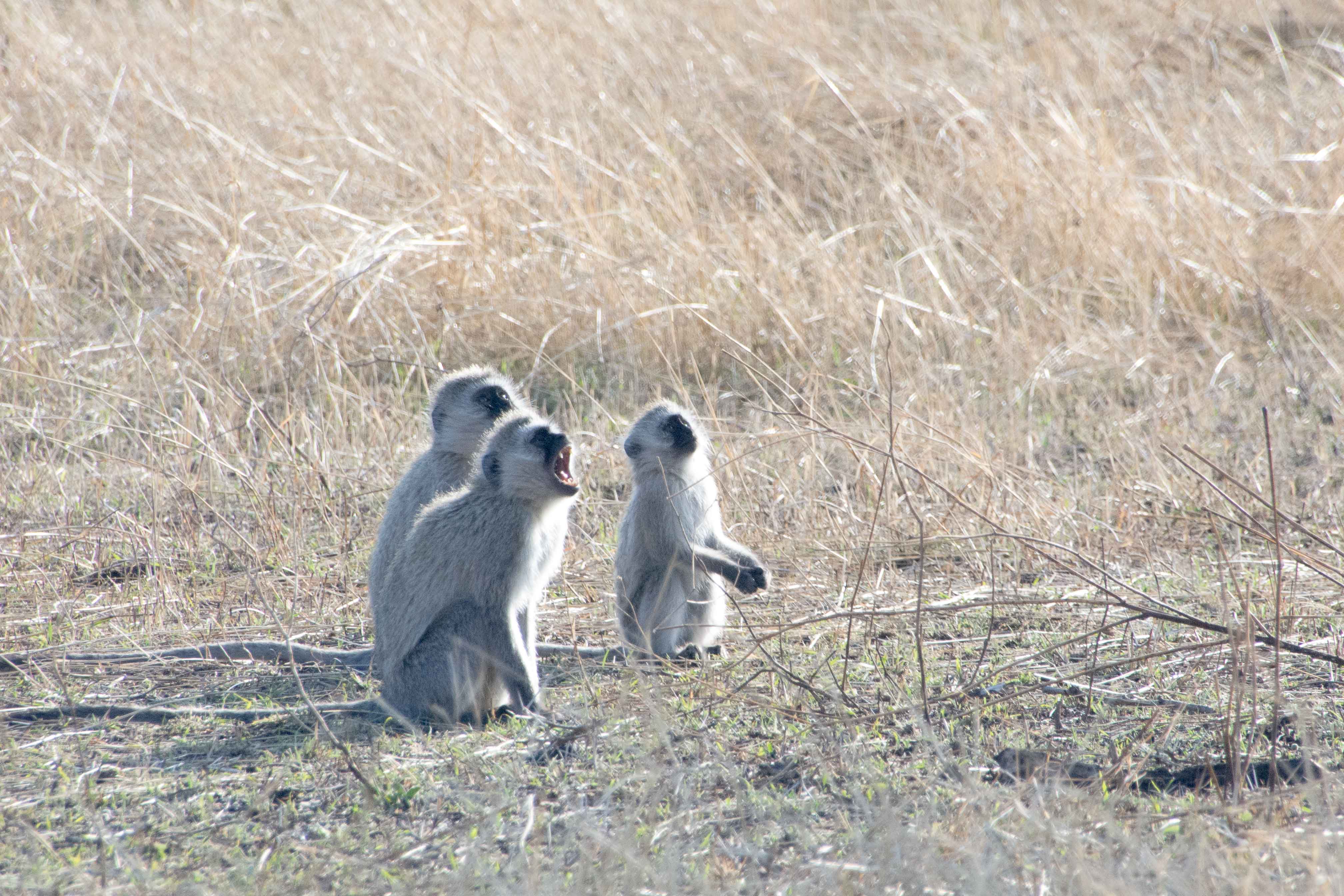
Vervet Monkey

Vervet Monkey

Water Bucks

Water Bucks

20150928-DSC_3177

Dik-diks

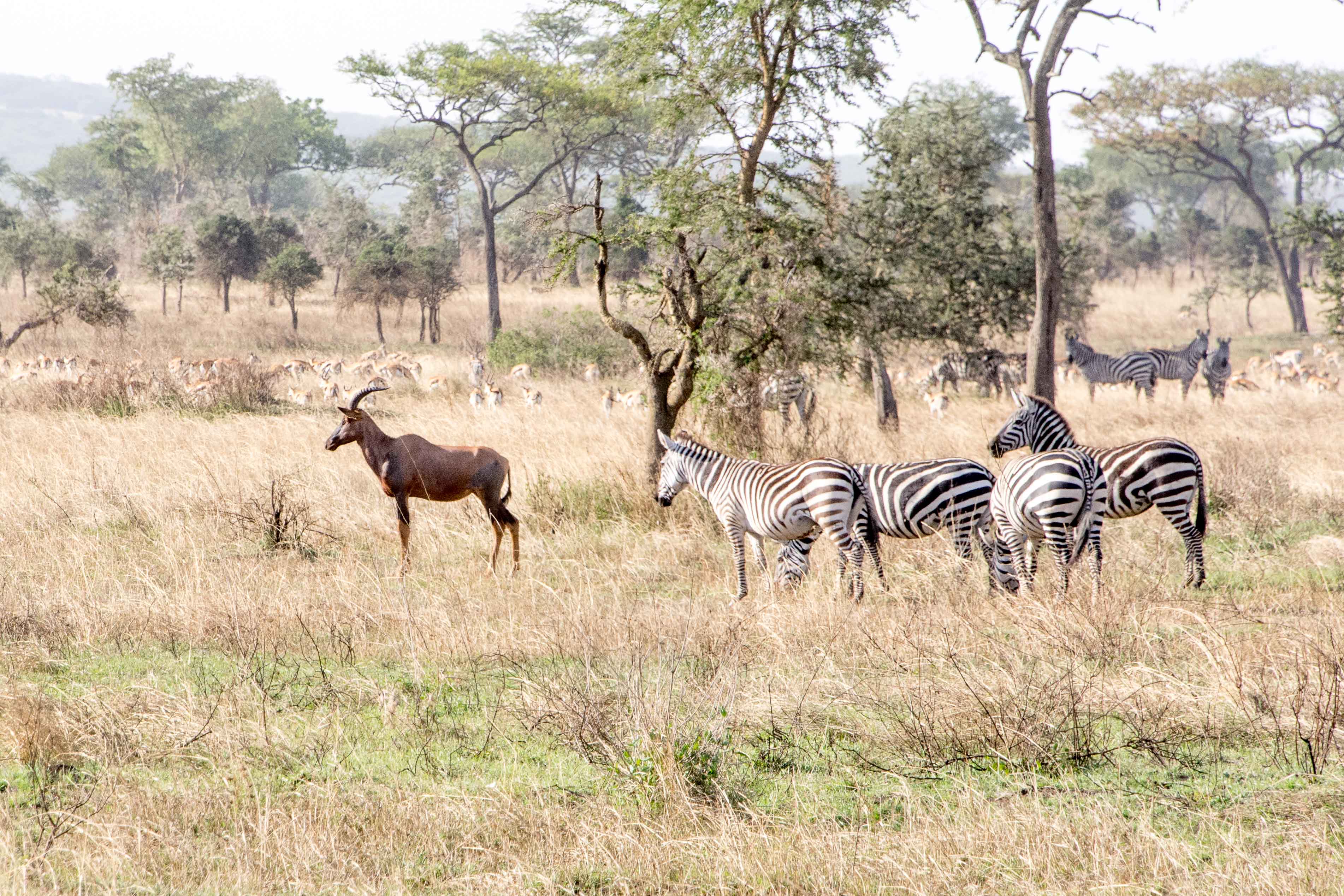
Topi compared to zebra

Topi compared to zebra

20150928-DSC_3214

Leave a comment

Filed under Blog, Travel to Africa

Fabulous Trip to Africa, 22 Sep to 4 Oct 2015, Post 5 – Olduvai Gorge to Serengeti

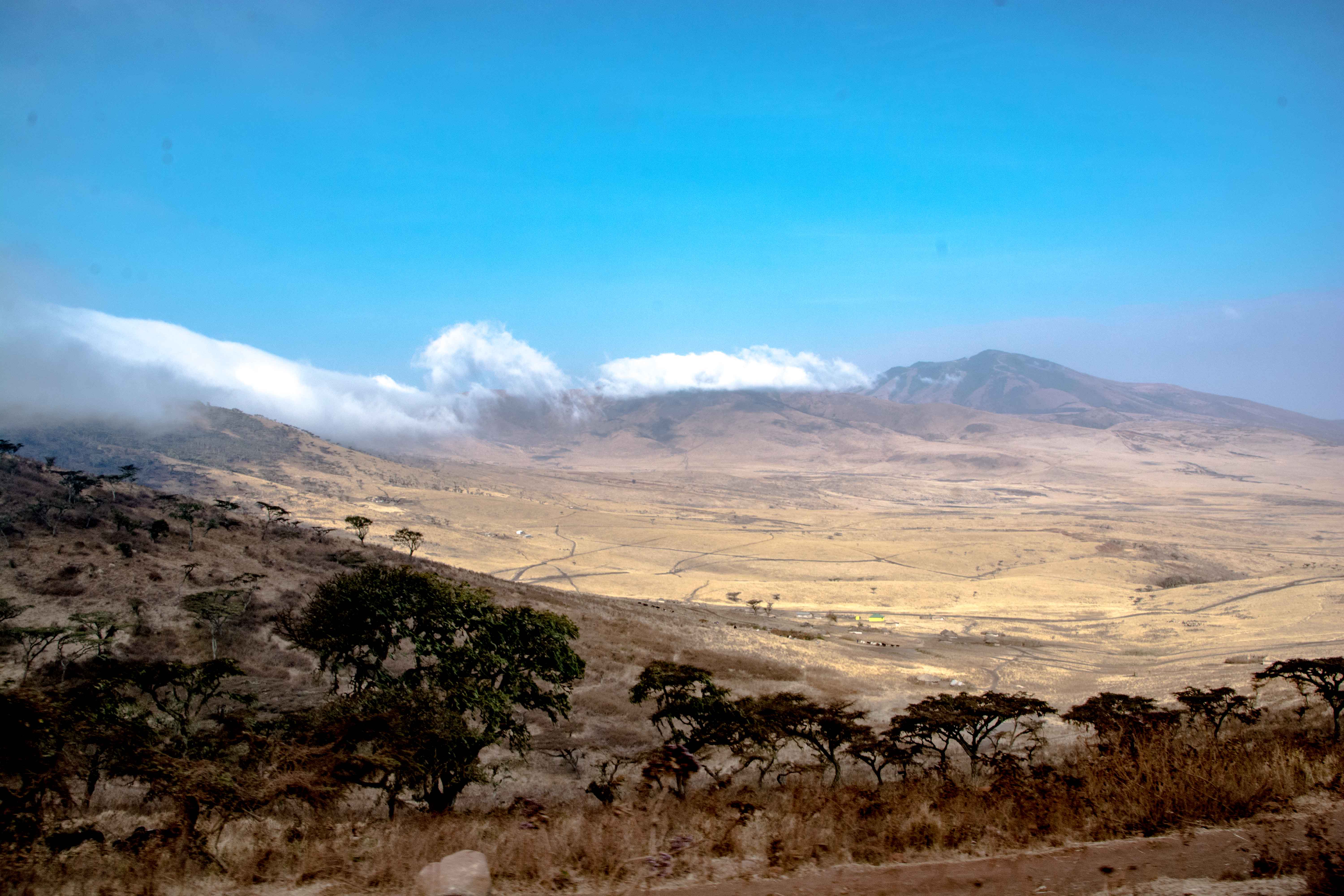
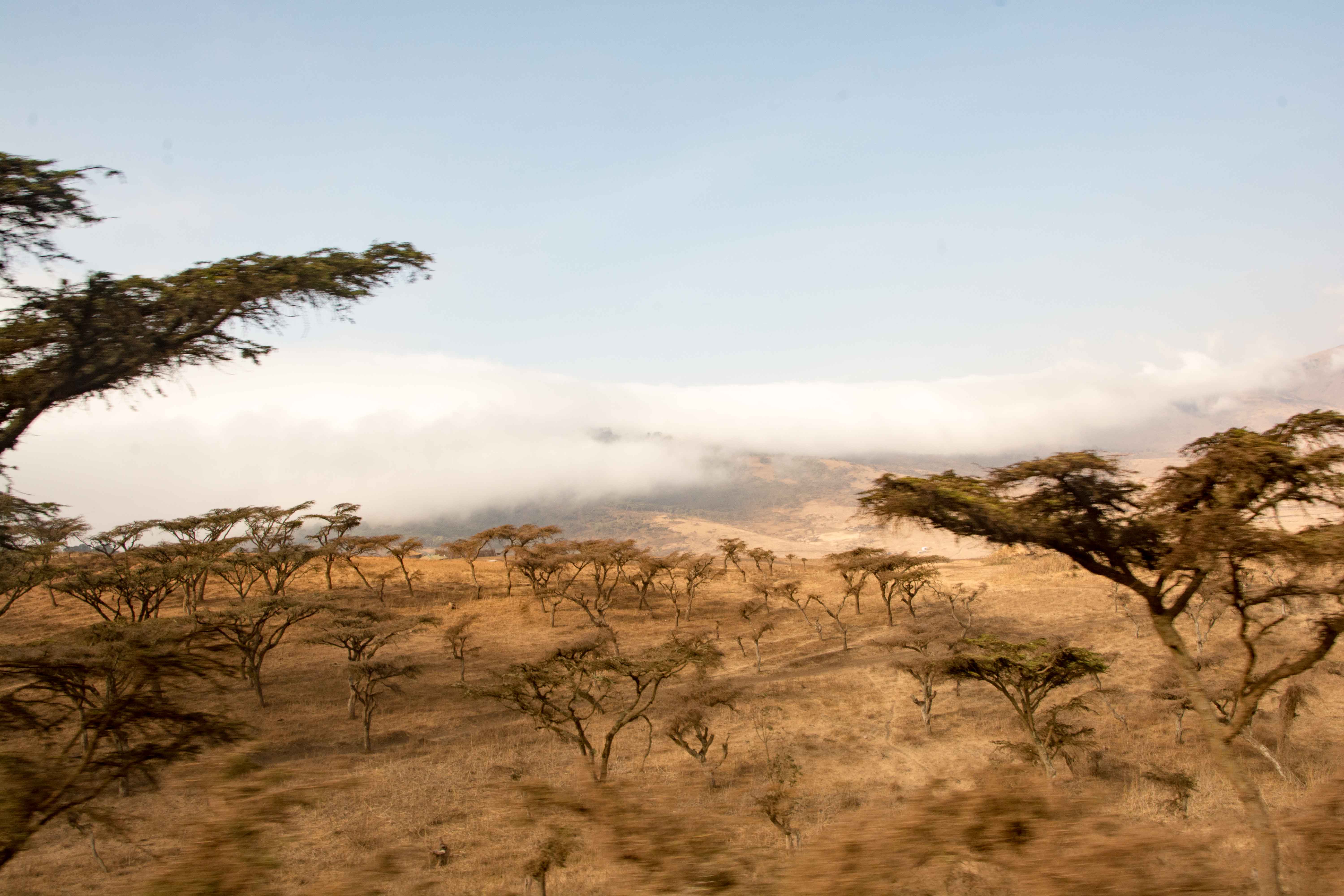
Today, it’s the cradle of mankind! Oh, what a day. Another long and hard one, based around riding in the van all day.  We started out in the morning early (as usual) and got the benefit of seeing the sun through the clouds again.  We drove by the entrance road to the Ngorongoro valley and onto the next one.

20150927-DSC_1932 20150927-DSC_1947

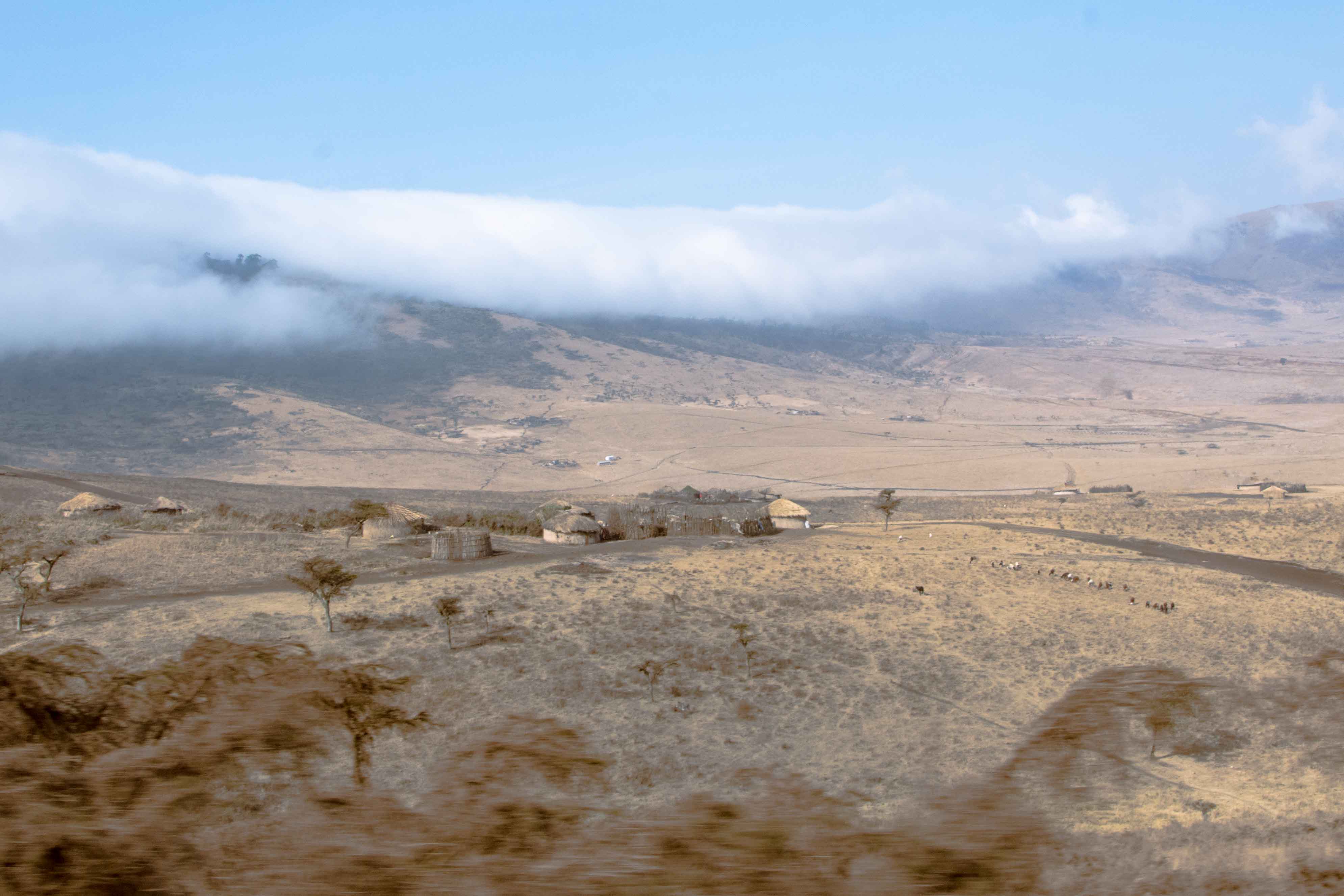
This one afforded us views of clouds still clinging to the surrounding hills, as well as views of the tribal huts that housed people in that area.

20150927-DSC_1961 20150927-DSC_1966

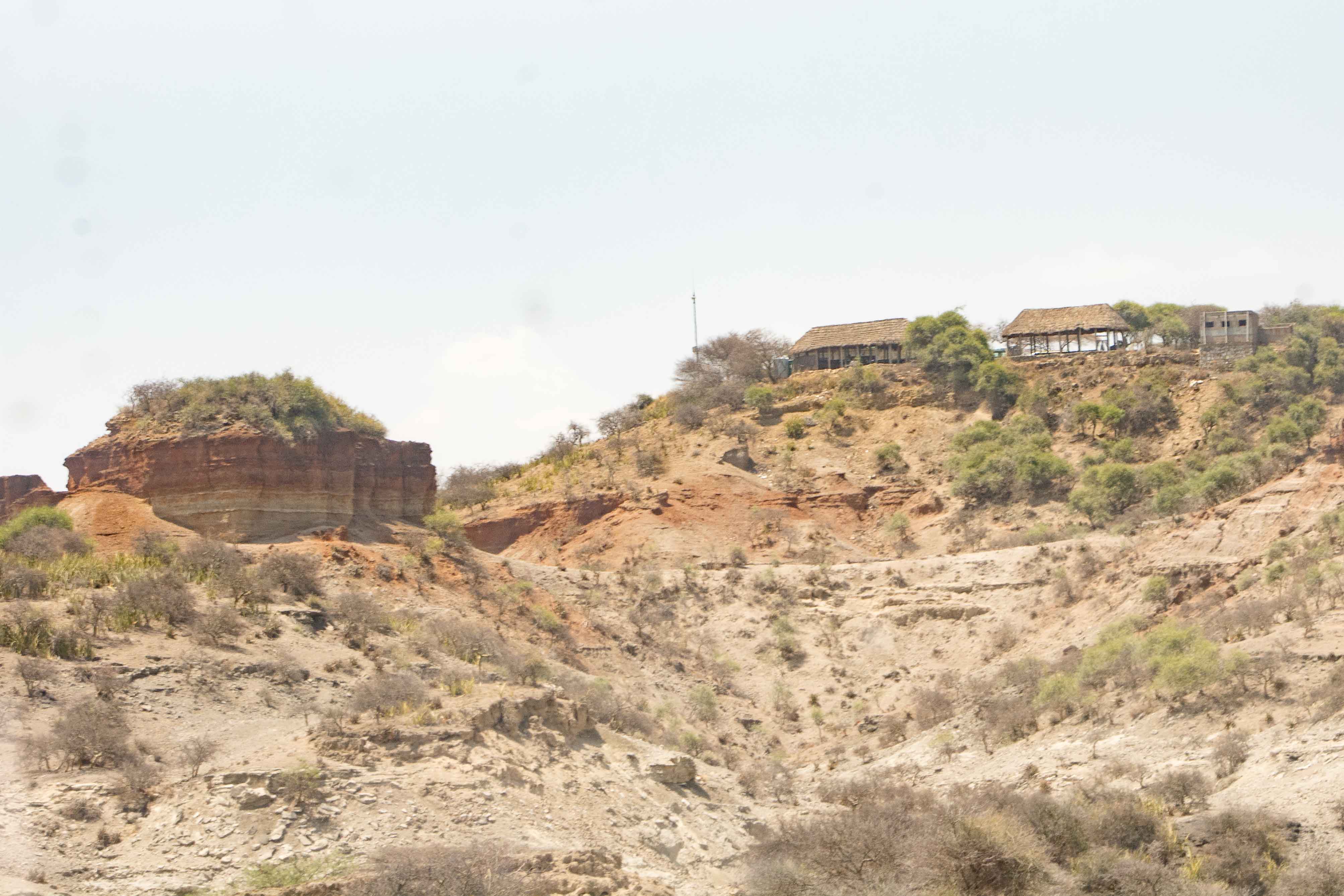
We were able to get out of Ngorongoro fairly easily, making our way to the Olduvai Gorge at the connection of the Ngorongoro and Serengeti Plain. The museum is right on the edge of the gorge, and does a good job describing the finds, and helping me remember the dates and sequence. It tells of Louis Leakey’s first experience at Oldupai Gorge in 1924, when he and a group of others were looking for dinosaur bones. He came back at the head of his own expedition in 1931. “Olduvai” was apparently a misspelling that stuck for Leakey’s publication, but locally it is known with a p instead of a v.

Looking down from Olduvai Gorge Museum

Looking down from Olduvai Gorge Museum

In 1934, he was joined by Mary, his eventual wife, as a student, along with others. Each year they came back and dug for bones, using the latest in archeological techniques. Finally in 1959, they discovered Zinjantropus, the first of several historic finds. Zinj, later renamed with a more scientific name was in the bottom most of four beds, and was determined to be 1.9 million years old. The lava base of the gorge is 2 million years old. Later came Homo Habilus (Handy Man) at 1.8 million years old, and Homo Erectus (stand-up man) at 1.6 million years old.  Mary and another colleague later (in the 1960’s?) found the footprints which had been frozen in time thought to be the prints of Austropithicus Ferensis (Lucy, found in Ethiopia, and thought to be 3.5 million years old. These footprints were found frozen in time several kilometers from the main gorge site.

After a brief lecture, one of the guides took us down into the gorge and showed us the site from its floor, and the marker which shows where Zinj was found.

Looking back toward the Museum

Looking back toward the Museum

We dropped him off, and made tracks for the Serengeti park.

20150927-DSC_2093

Starling, Superb

Starling, Superb

Weaver, Thick-billed

Weaver, Thick-billed

20150927-DSC_2100

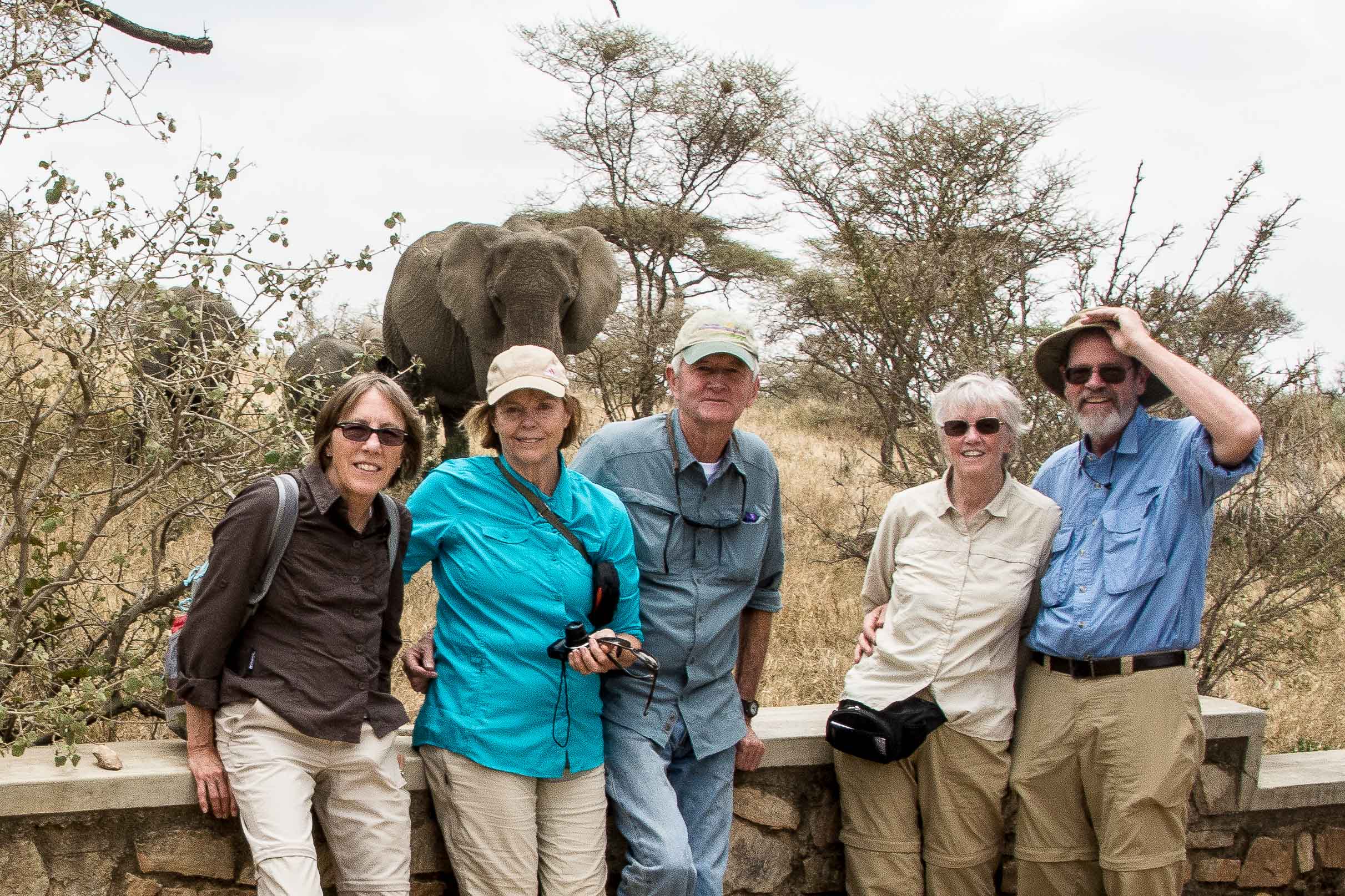
20150927-DSC_2079At the gate to the park, we stopped and ate our lunch, provided by the last hotel, the Serena.  In this park, we were visited by a number of animals, most notably four elephants, who kindly allowed us to take their pictures.  We also saw quite a few birds, including many of the starlings that are more common in the Serengeti.  Oh, and a gecko that was pink and blue!The lunch was (as might be expected) too much food, but Philip took all the extra and made up packages for giving away to those who didn’t have any.

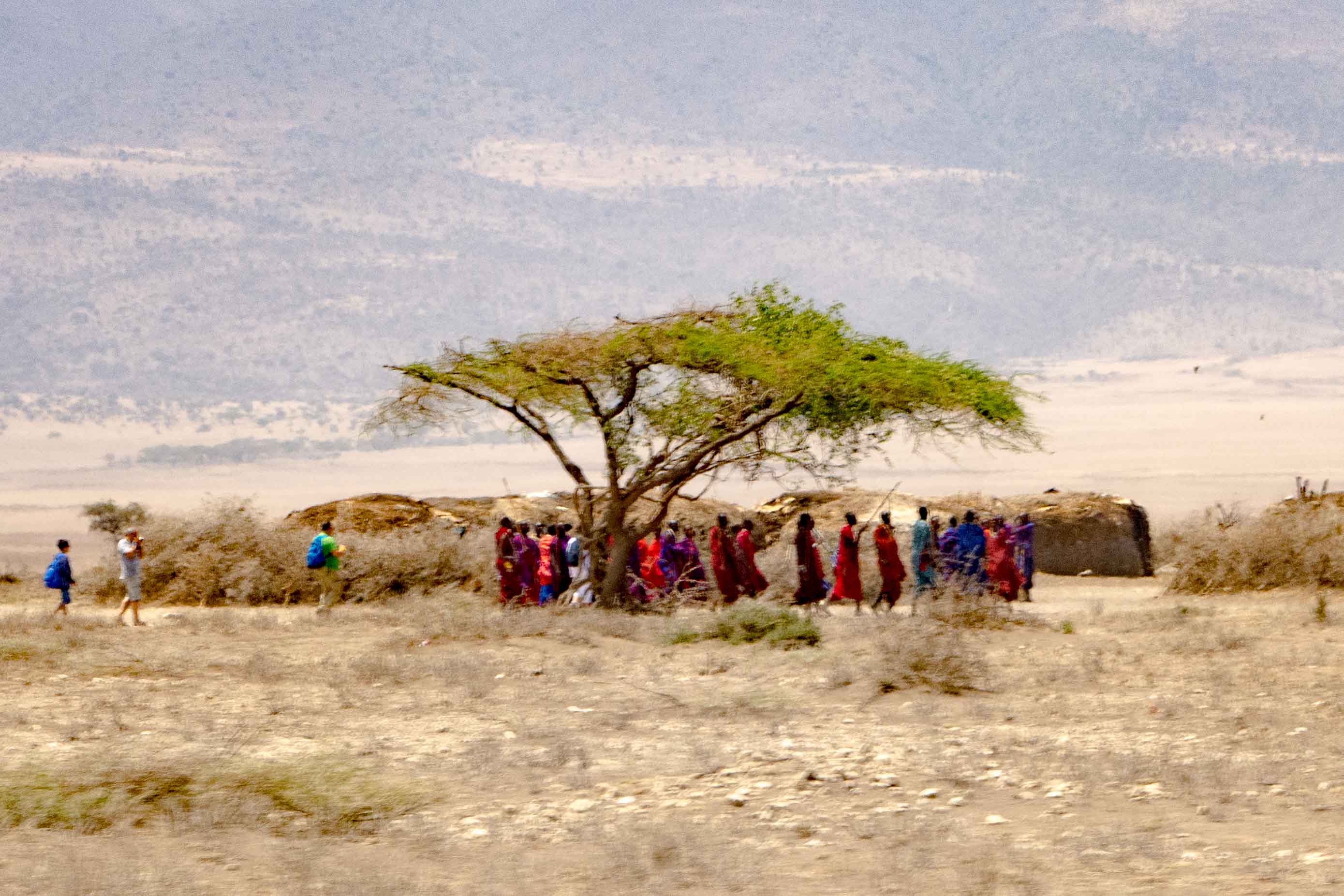
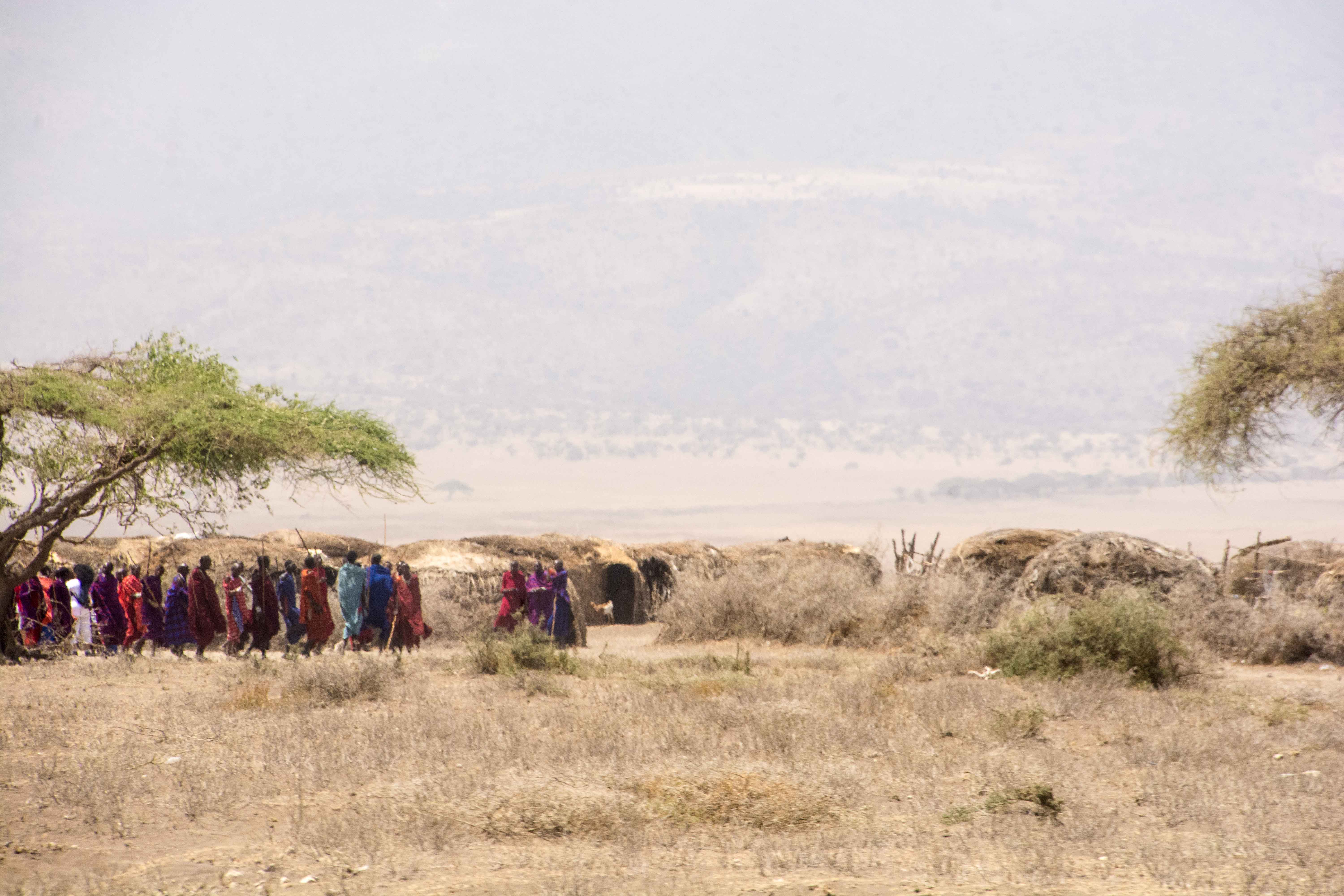
We continued on, but the road was the usual washboard, and it was noisy and bouncy. 20150927-DSC_2059We passed another native village, as we drove.  Finally a couple of hours later, we turned off into the game reserve (off the main road), and made our way to a number of spots where Philip and Everest thought we would see something. 20150927-DSC_2062 20150927-DSC_2079

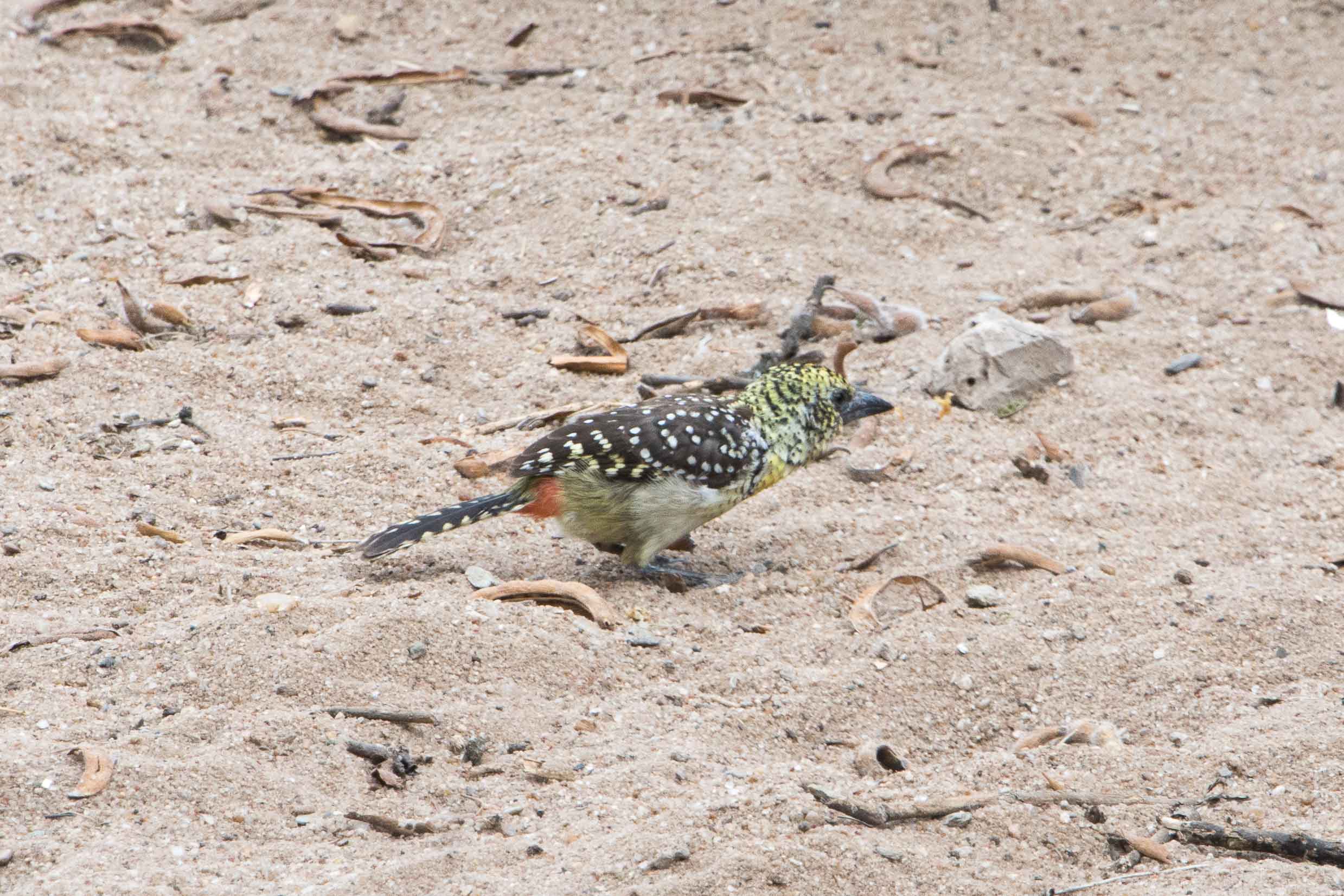
Barbet, d'Arnaud's

Barbet, d’Arnaud’s

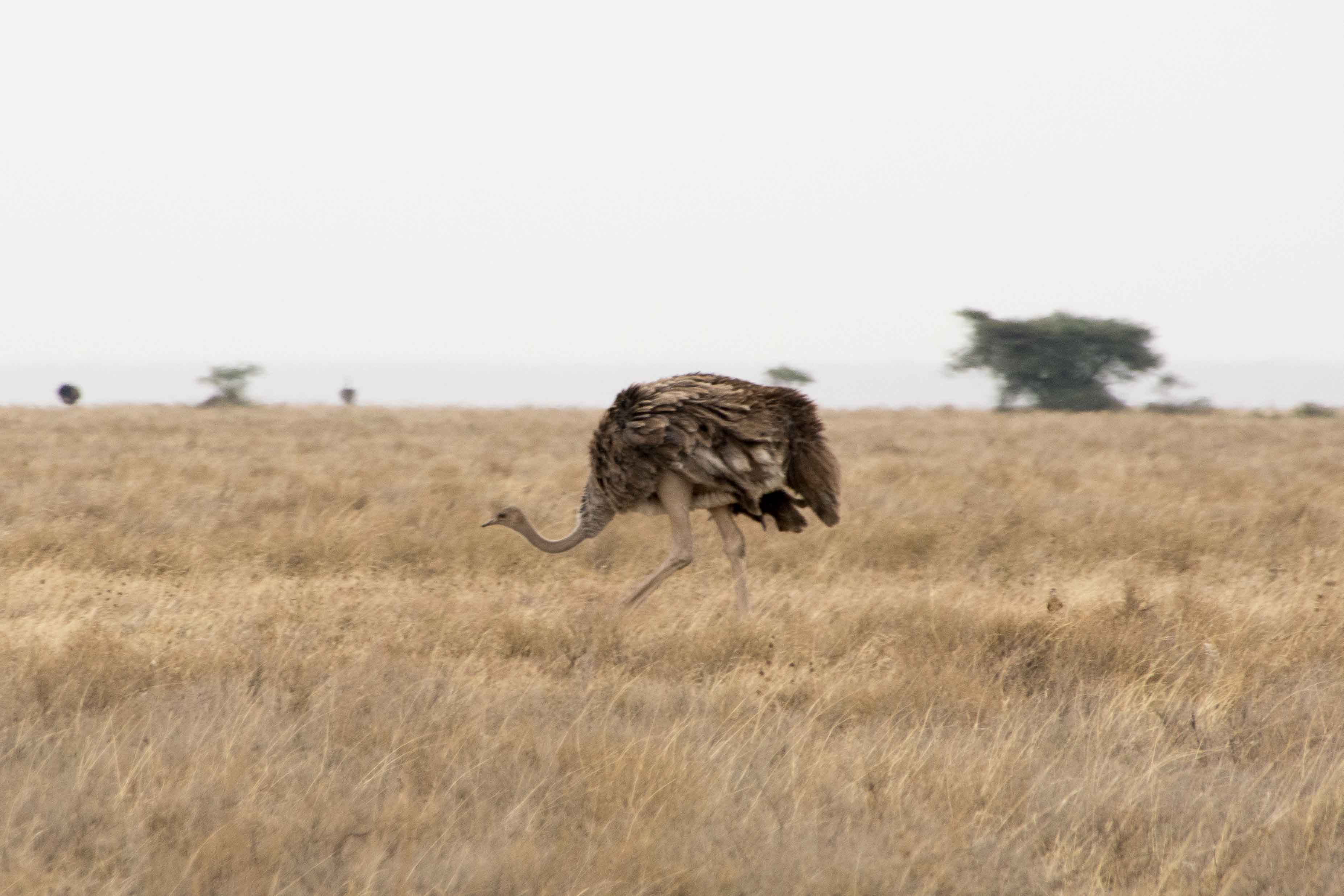
20150927-DSC_2147

Female Ostrich; the first willing to have its picture taken!

20150928-DSC_2825We saw the usual suspects, zebra, giraffes, grant’s gazelles as well as a new kind of antelope, the Reedbuck. It is larger than the gazelles we have been seeing, and has two stubbier horns on its head.

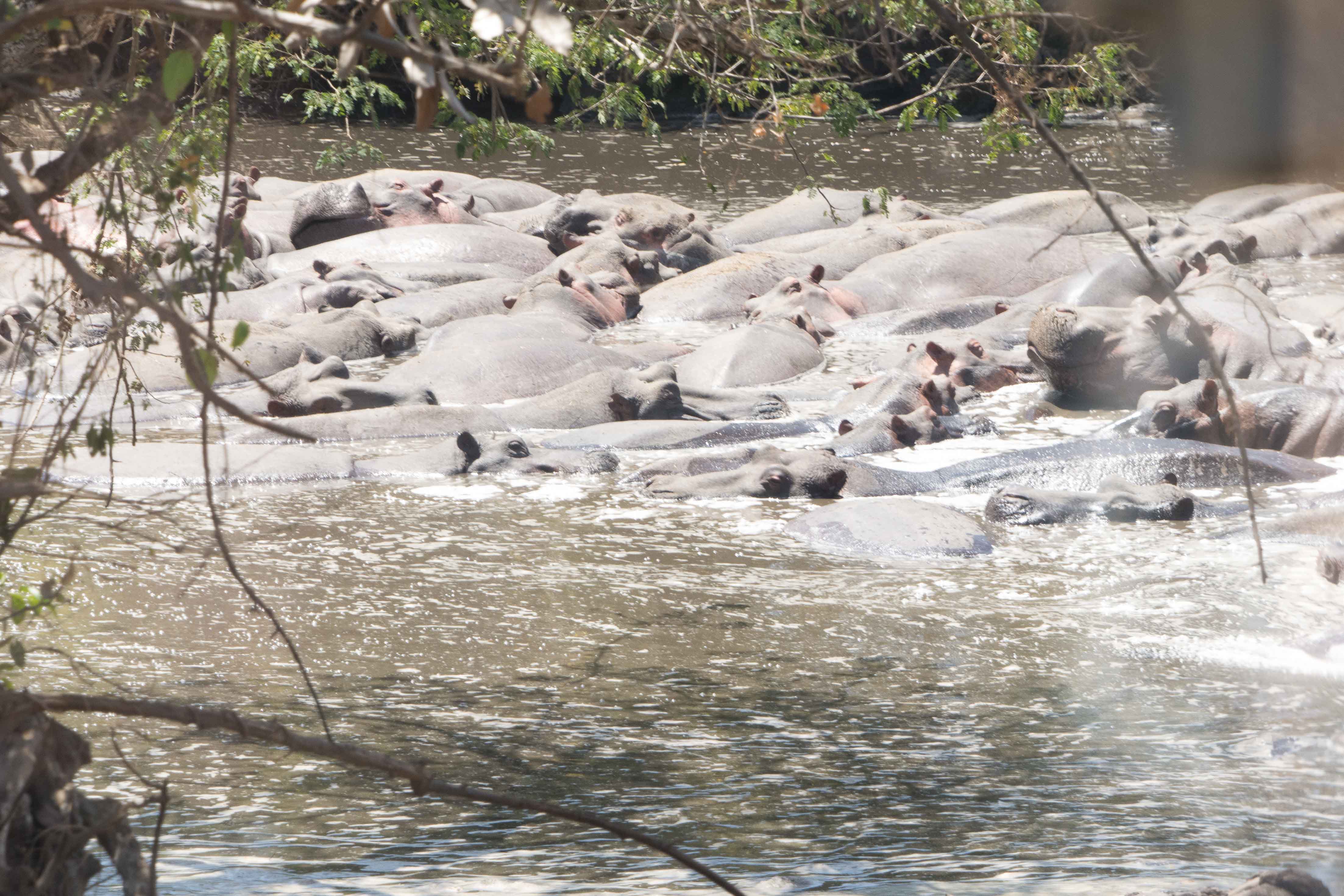
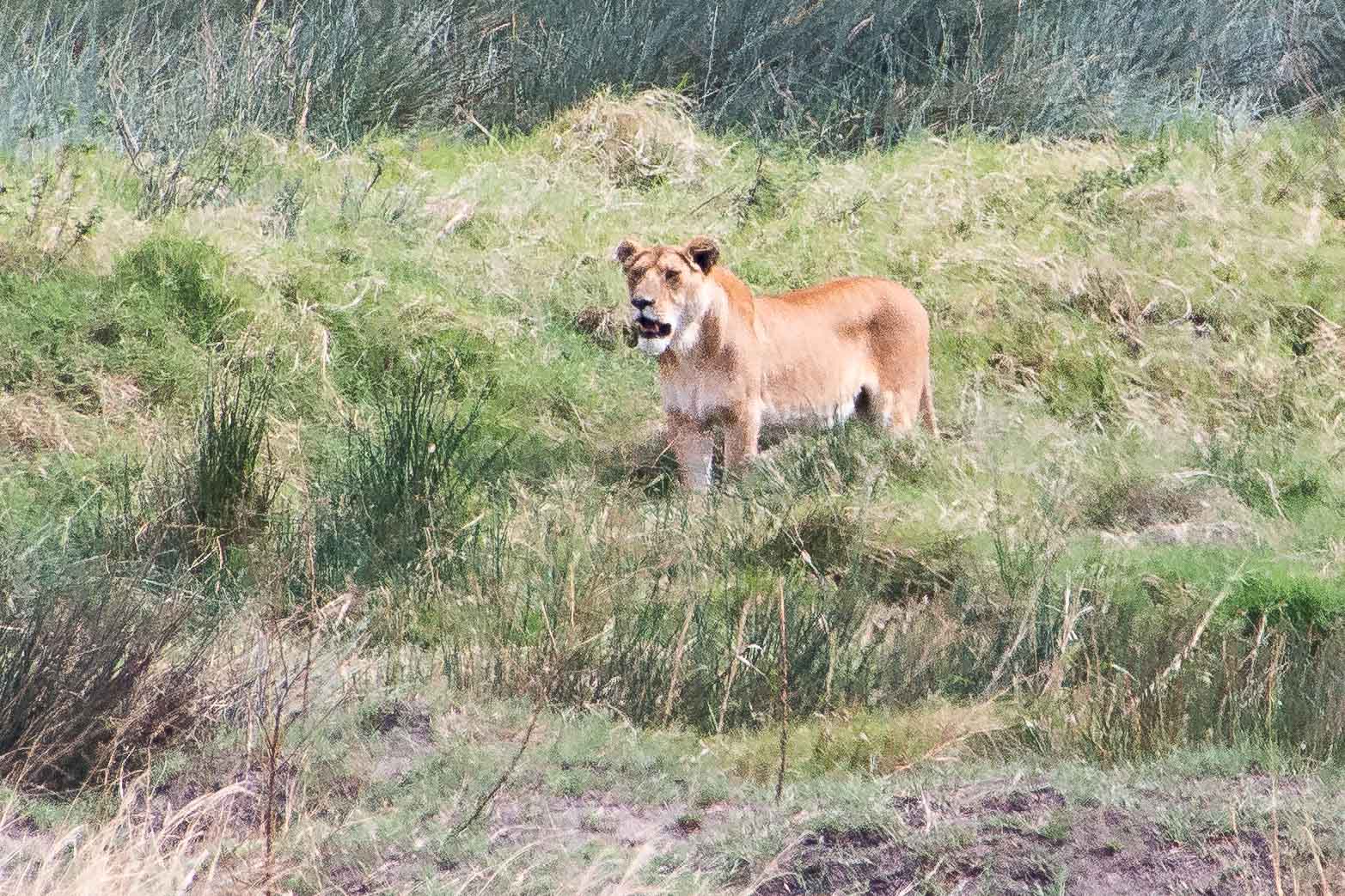
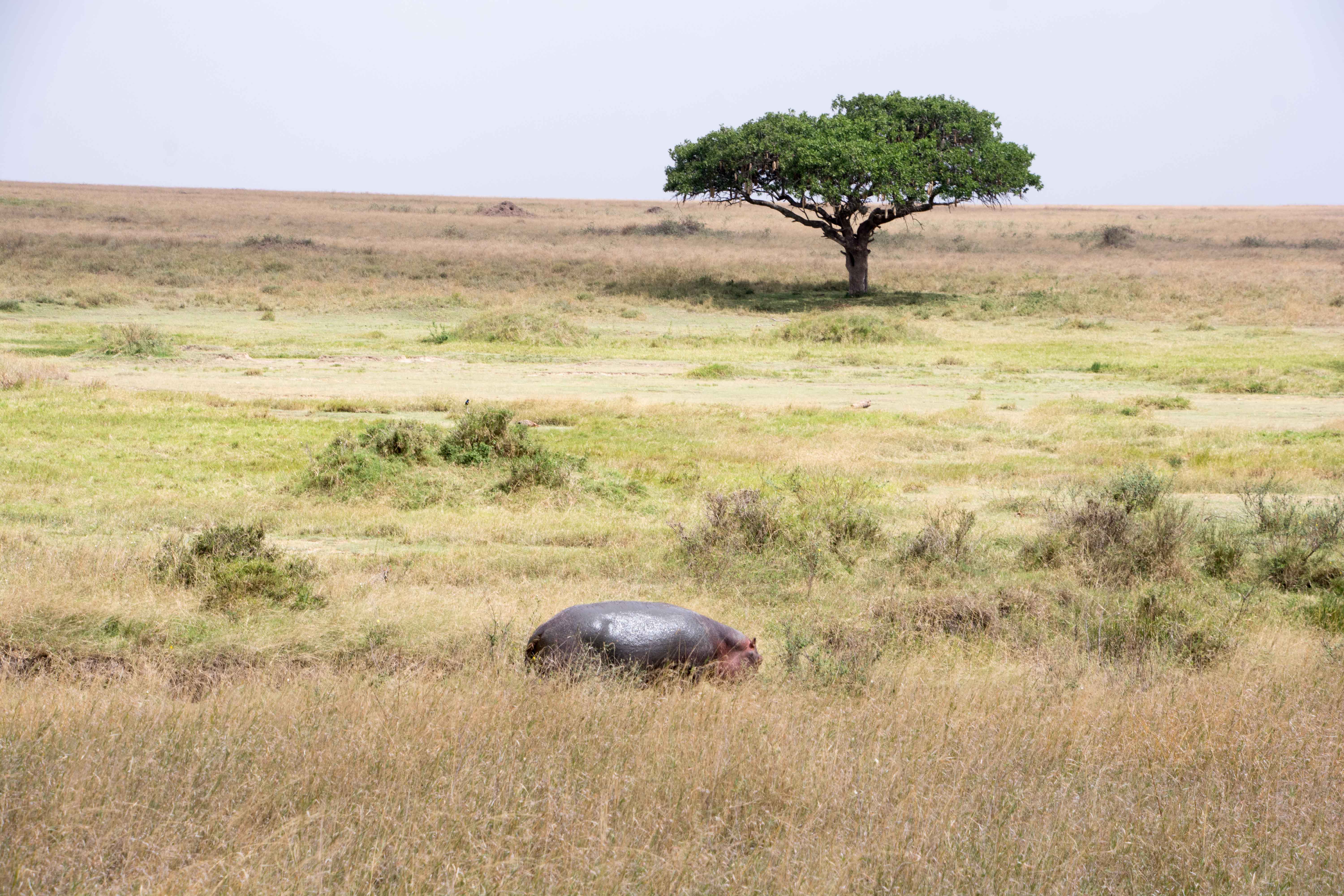
We saw a lion, sitting by itself (we presume), as well as a pod of hippopotamuses in the river we were roughly following.20150927-DSC_2301

Shrike, Grey-backed

Shrike, Grey-backed

Before we got to the pod, we saw an individual who walked along from one pond to another, and then dropped itself into the new pond to rest from its exertions.

20150927-DSC_2228 20150927-DSC_2238

Roller, Lilac-breasted

Roller, Lilac-breasted

Stork, Yellow-billed; Goose, Egyptian; Heron, Grey

Stork, Yellow-billed; Goose, Egyptian; Heron, Grey

Teal, Red-billed; Plover, Blacksmith; Stork, Yellow-billed; Goose, Egyptian; Heron, Grey

Teal, Red-billed; Plover, Blacksmith; Stork, Yellow-billed; Goose, Egyptian; Heron, Grey

Heron, Grey

Heron, Grey

20150927-DSC_2157

Kongoni

20150927-DSC_2308

Grant’s Gazelle

20150927-DSC_2350

Cape buffalo

The trip into the camp was long after that (another half an hour), and the most difficult part was it started raining! We have made it here, however, so we now are happily ensconced in our tent-mansions. This is the largest room we’ve been in on this trip, and it is all out of canvas. Hopefully the rain will subside so we can go out tomorrow and enjoy the sights of the Serengeti!

Saddle-billed stork watched with great interest

Saddle-billed stork watched with great interest

Leave a comment

Filed under Blog, Travel to Africa

Fabulous Trip to Africa, 22 Sep to 4 Oct 2015, Post 3 – Amboseli National Park to Ngorongoro caldera

Today is the long drive between Amboseli and the next major stop, the Ngorongoro caldera where wildlife has been able to grow and survive without outside interference for thousands of years.   It is 20 km across, and while not round, is close. We are staying in the Ngorongoro Serena Safari Lodge, which sits just inside the rim of this extinct volcano.

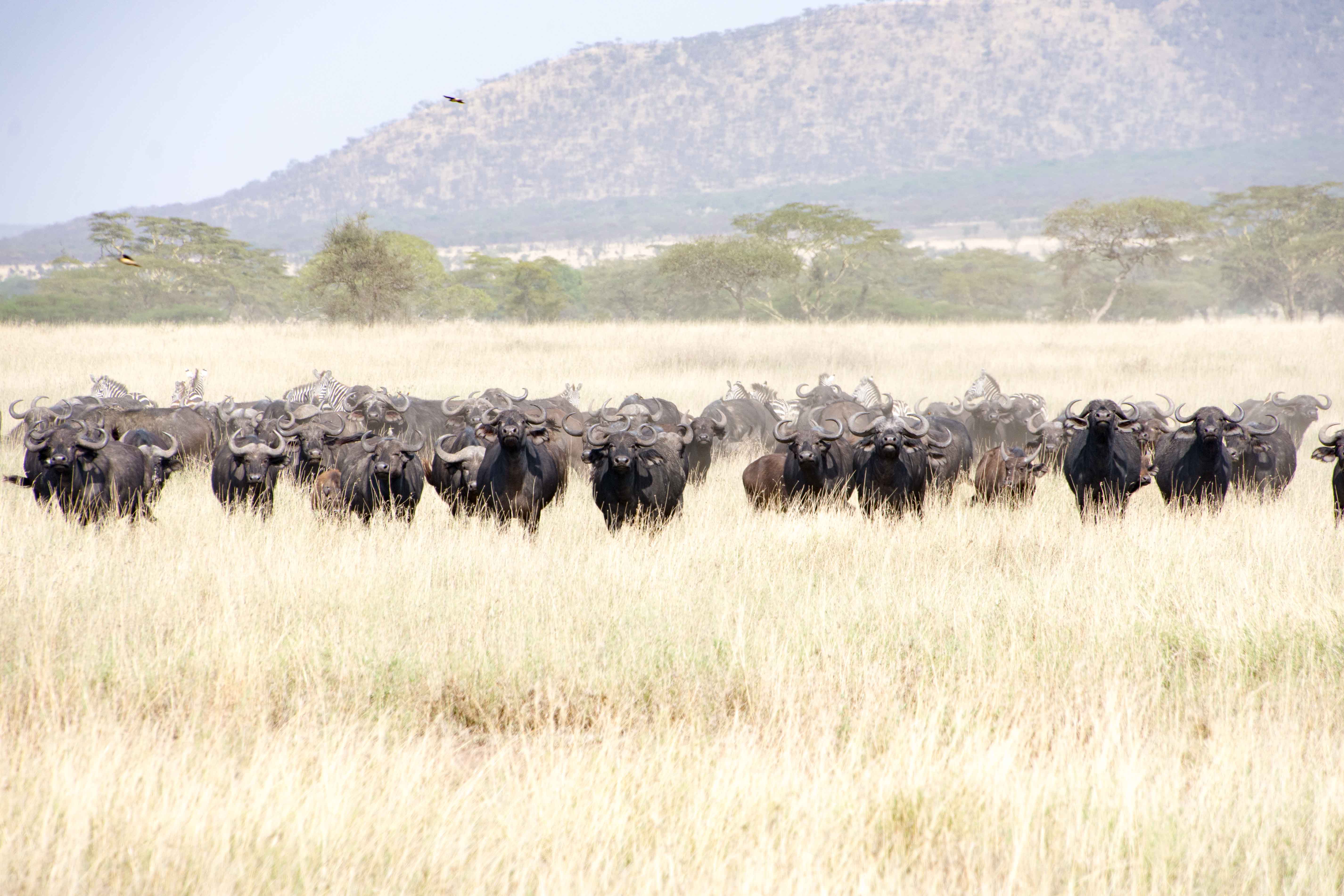
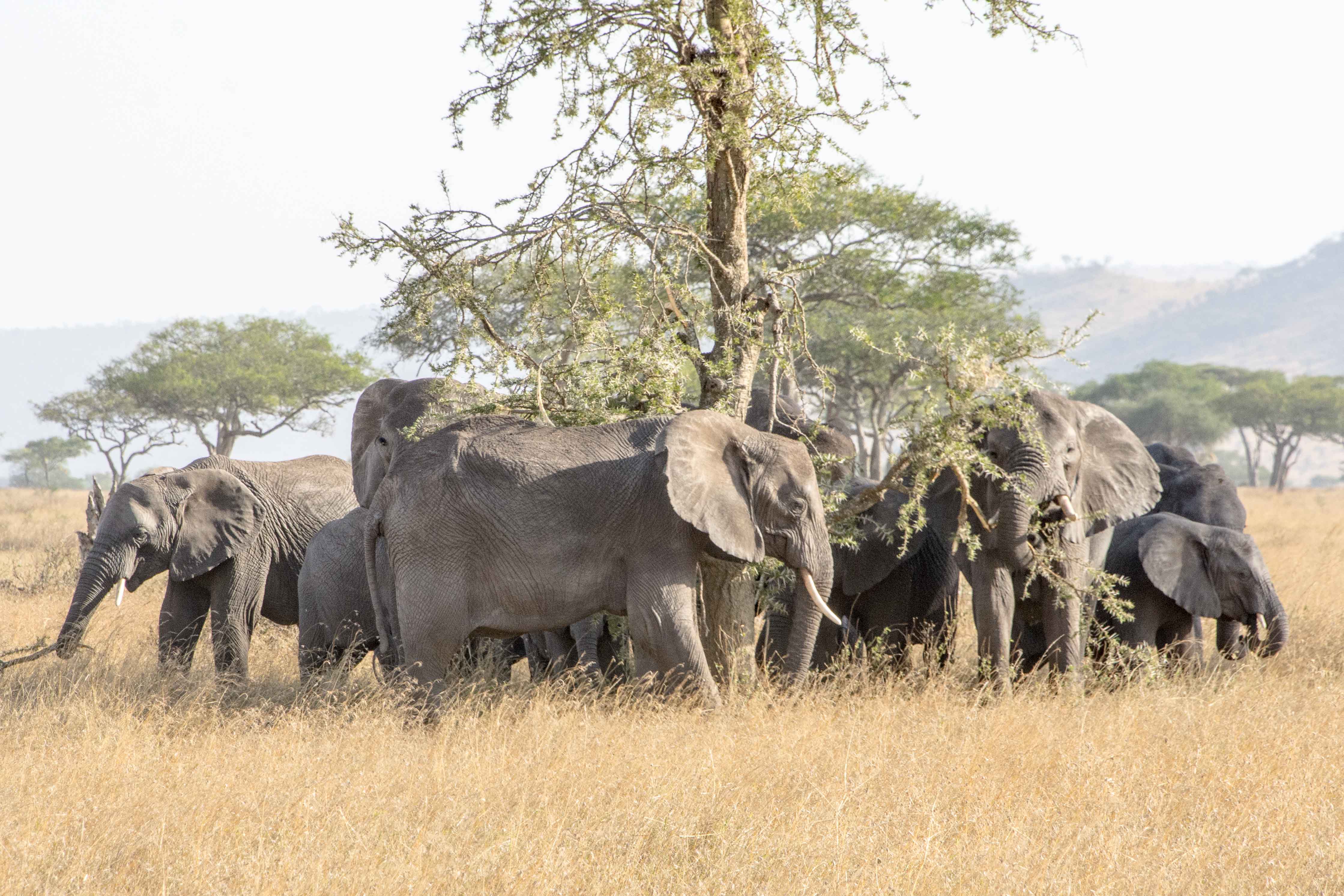
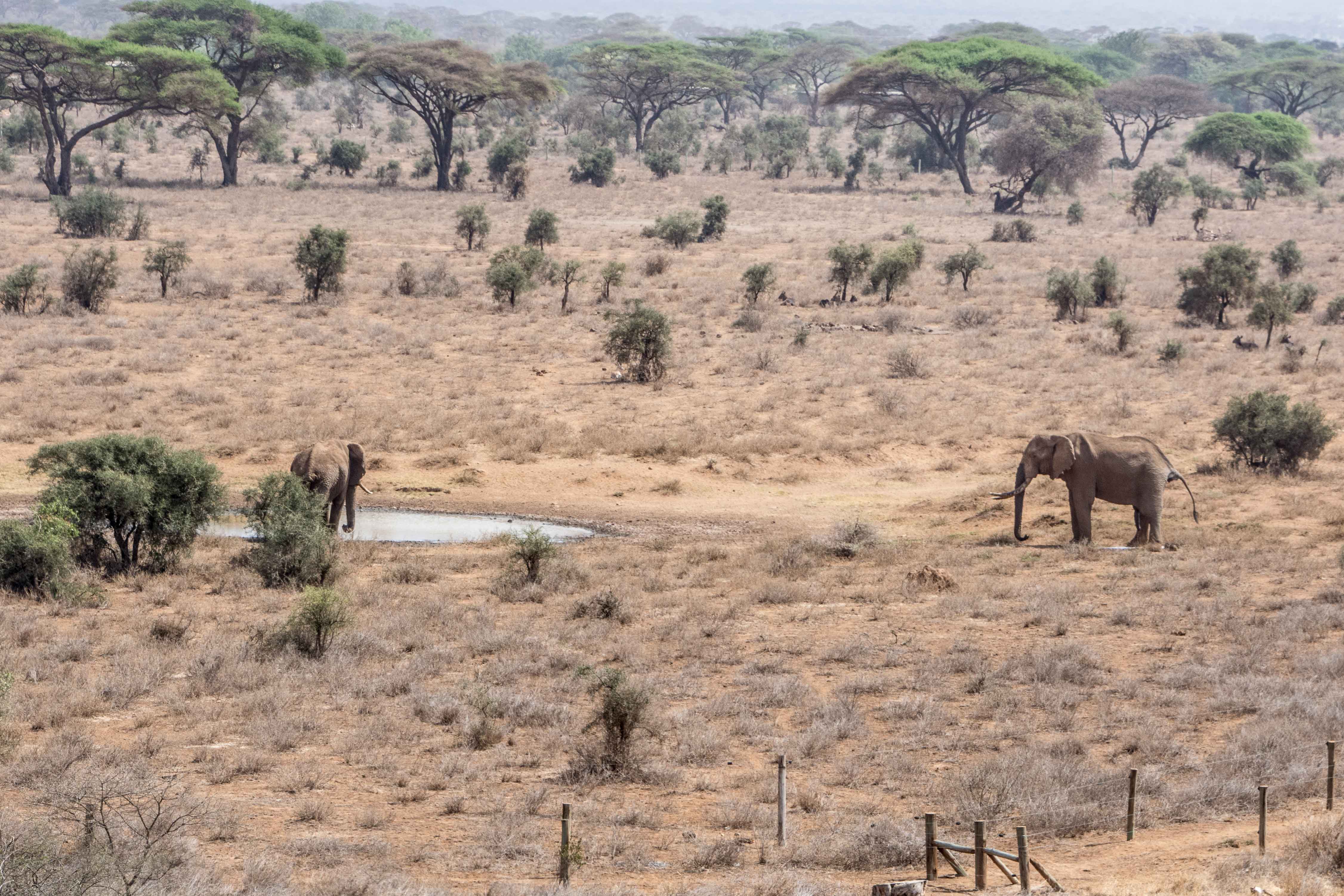
Our ride today was indeed long, 11 hours total. The first part was a “race” through the Amboseli Park, taking us quickly by many of the wildlife we had seen before, including lots of wildebeest, zebra, giraffe, a few elephants, more than a few gazelles, and even some rather interesting looking cape buffalo.

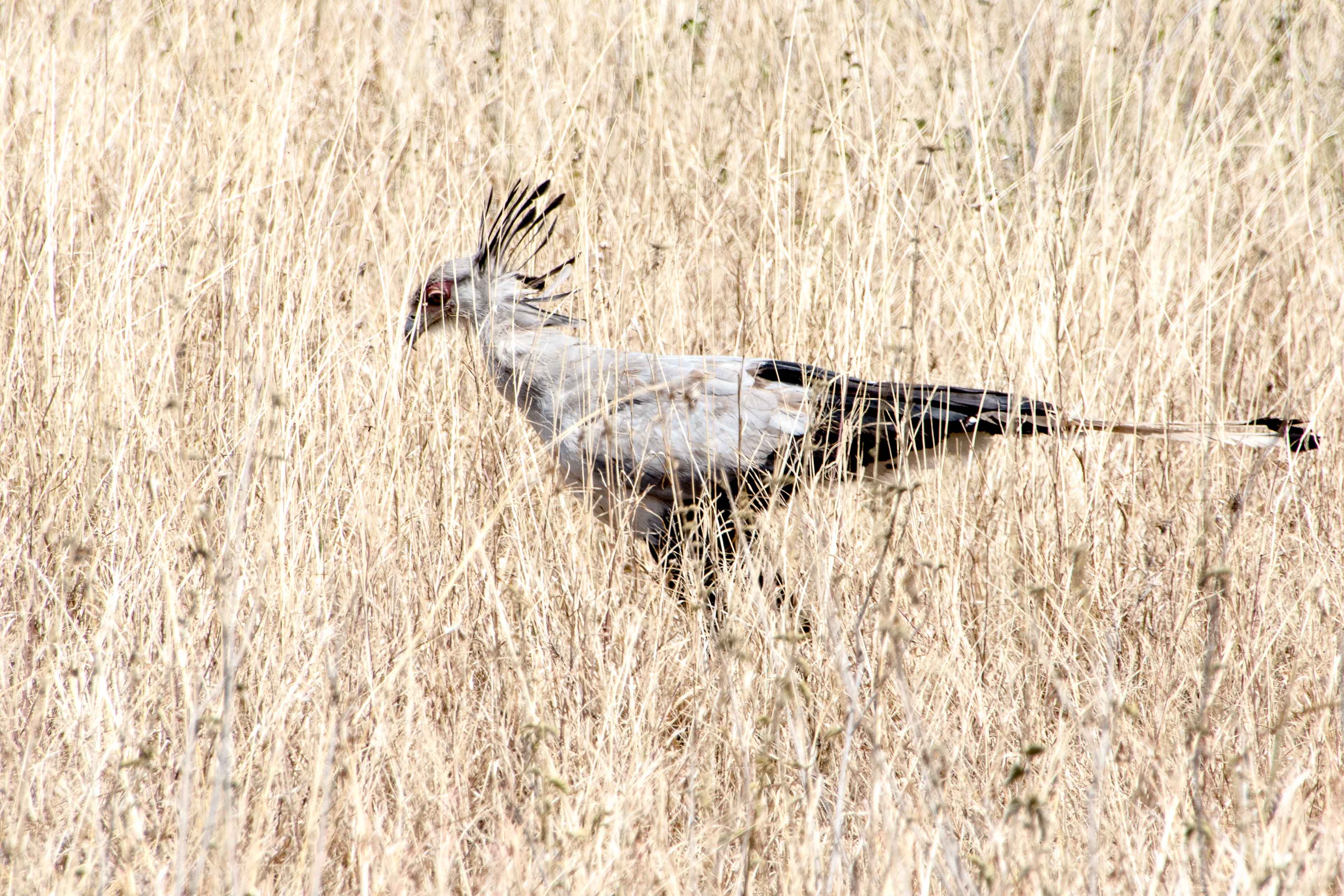
Secretary

Secretary bird

20150925-DSC_1104

20150924-DSC_0978

Out of the park, we ran on corduroy roads at top speed until we got to the border with Tanzania. Here we bade farewell to Charles and climbed on board a more modern version of the same vehicle type. This meant the springs and suspension had not been so badly treated, but of course from here on we were on paved roads so we were much relieved.  The trip in Tanzania differed from that before in that the towns we went through seemed to have a better economy. This evidenced itself in the substantial number of brick buildings as a proportion of the tin-roofed wooden shacks. The town centers seemed to have more store-fronts built from cinder block rather than wood and cloth. The trip differed also in the number of potential police (or para-police) stops we passed through. Except for two, we passed through without stopping. Phillip says that we should pass freely as tourists get that privilege. At the two stops, Everest (our new driver) was able to talk his way through, thus all turned out well.  At about 1:00, we got to a coffee plantation. This is a privately owned farm which does meals for travelers in a very nice purpose-built building. They then provide you with their pitch on the 40 steps coffee goes through from bean harvesting to drink enjoyment. Because we could be there only a short time, the daughter of the owners gave us her 15-minute version of the coffee roasting process. It was a very well done presentation, and very informative, going from first “crack” at 13 minutes to second “crack” at 15 minutes, and talking about what all this meant. We were impressed enough to purchase a couple of pounds to take home with us.  (Now having tasted it, I can attest that they grow and roast some of the best coffee I’ve tasted.)

Tanzanian Coffee plantation

Tanzanian Coffee plantation

20150925-DSC_1062

Carrying LARGE coffee bean bags on her head

20150925-DSC_1069

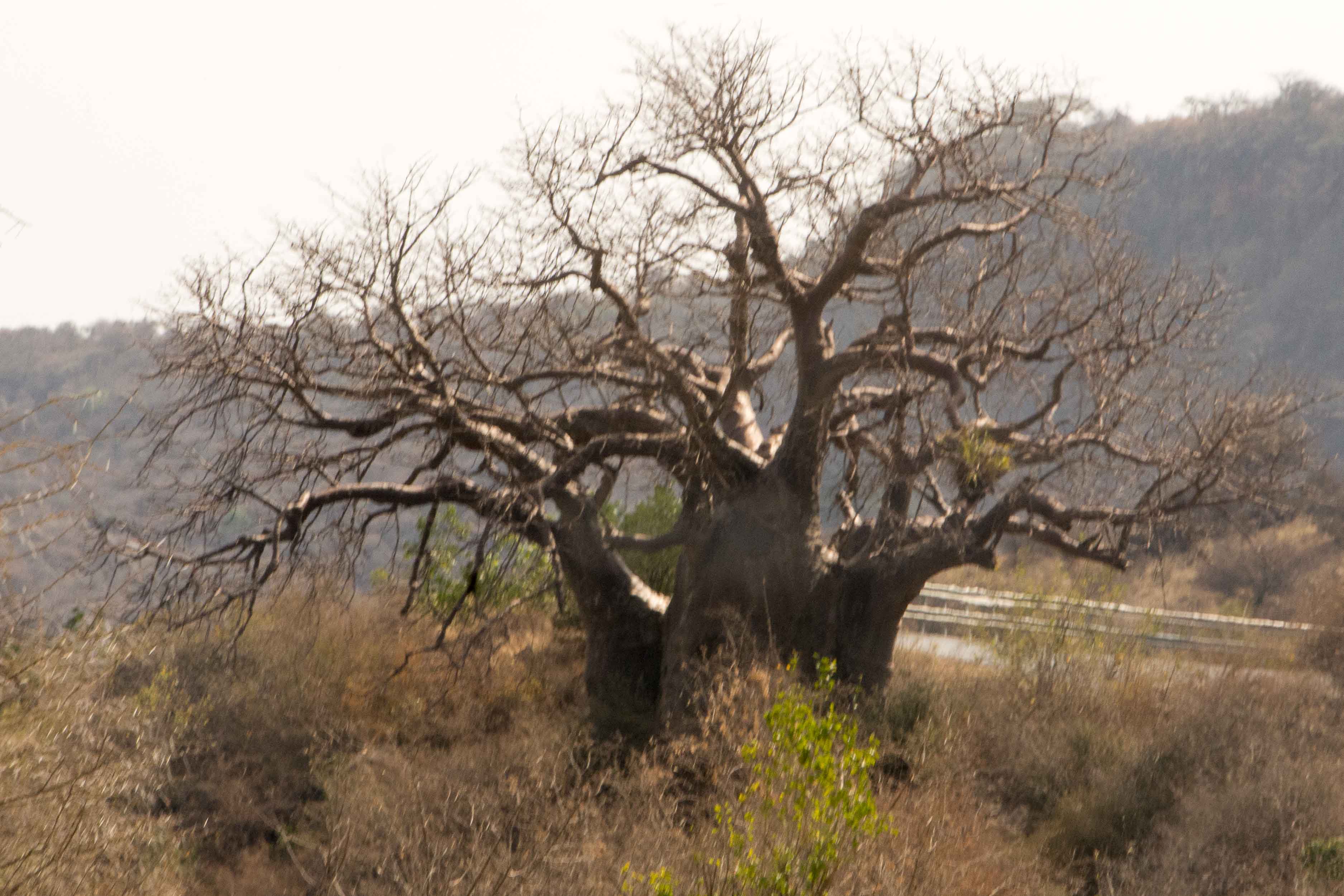
Baobab tree

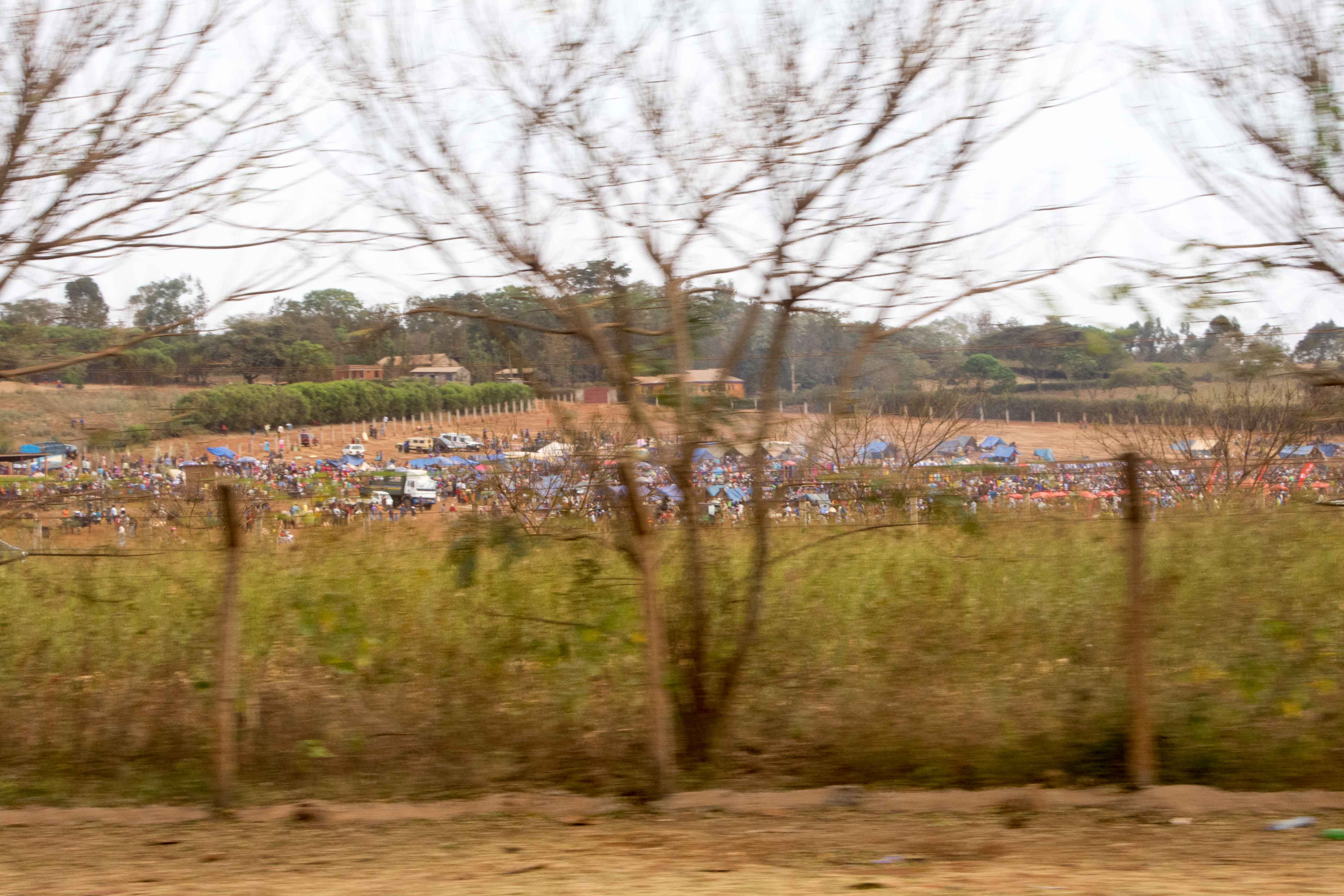
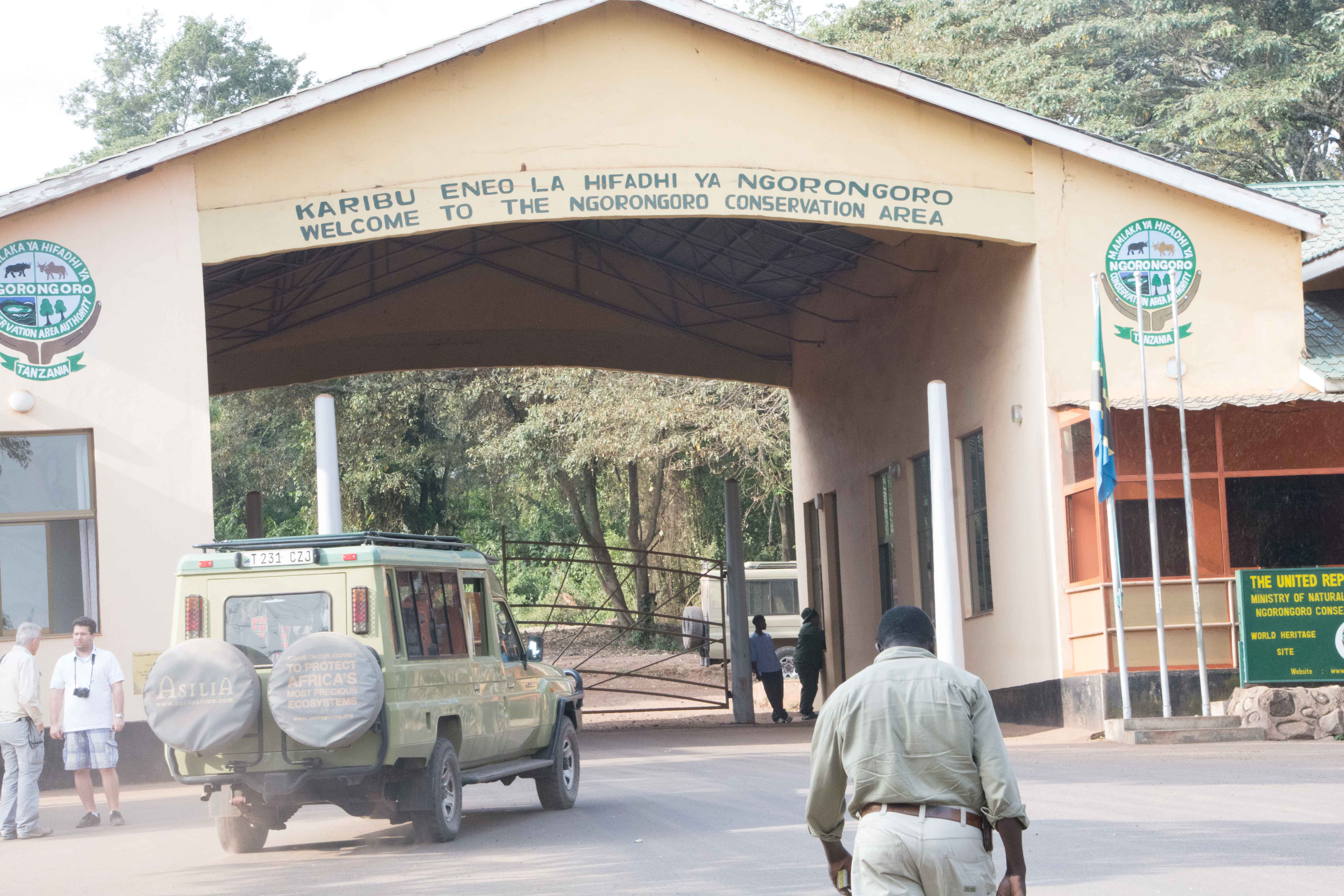
On our way through, we saw Baobab trees, something that we saw more of on our trip in 2009.  As it turned out, this was the only time we saw them on this trip.  We also passed a very interesting “car-boot” sale — notice the amount of blue covering the booths.  Finally we got to the Ngorongoro entrance.

20150925-DSC_1099 20150925-DSC_1101

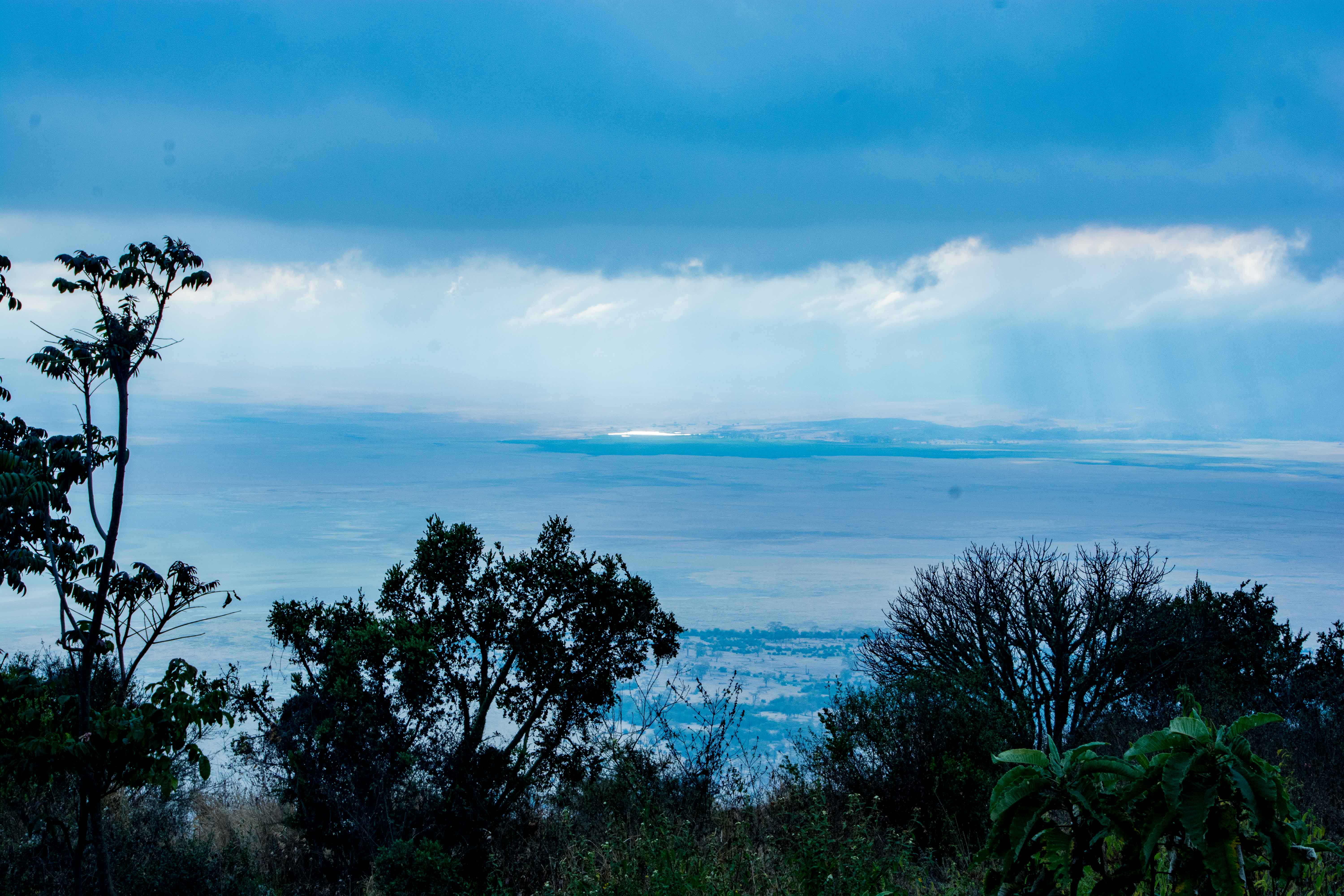
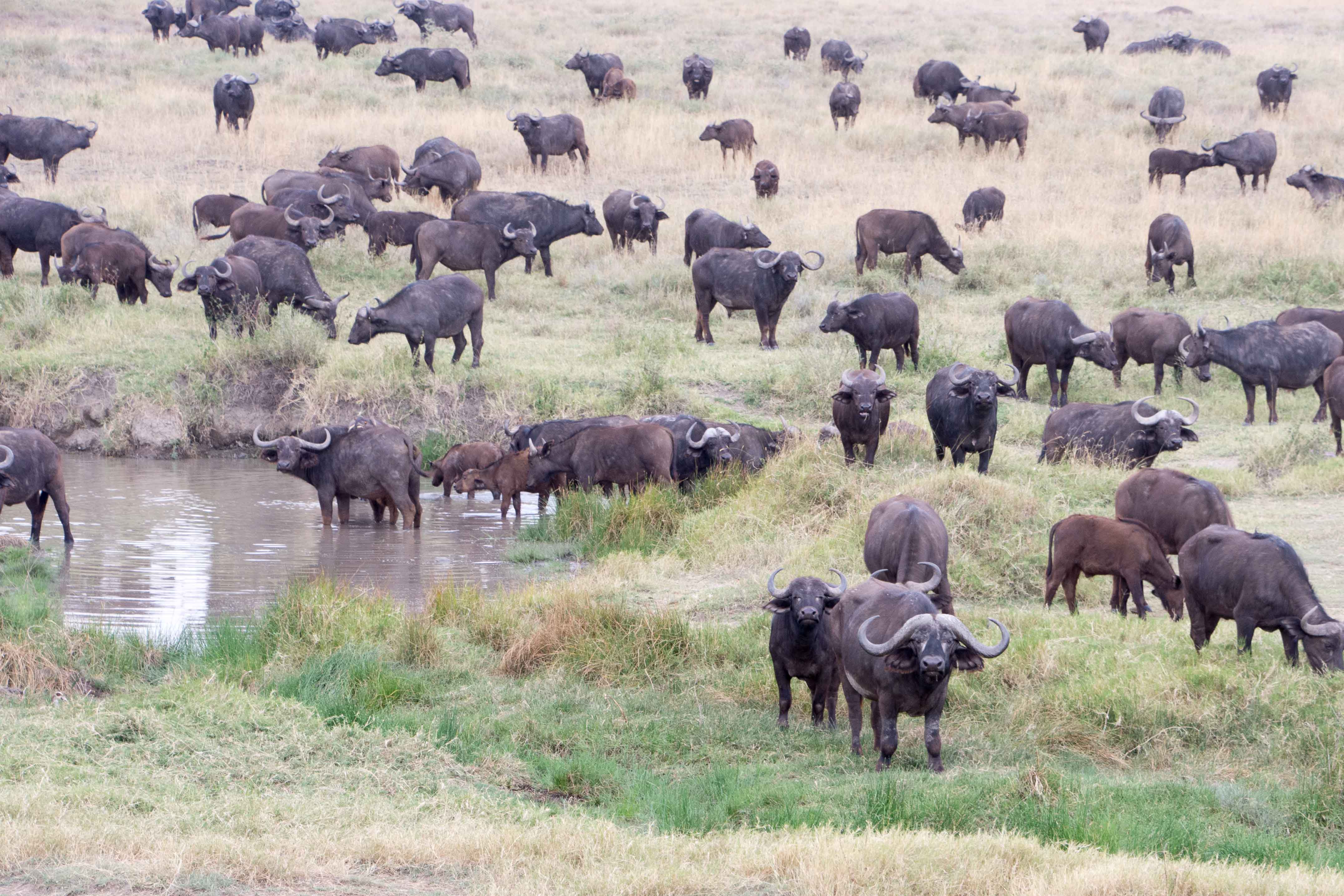
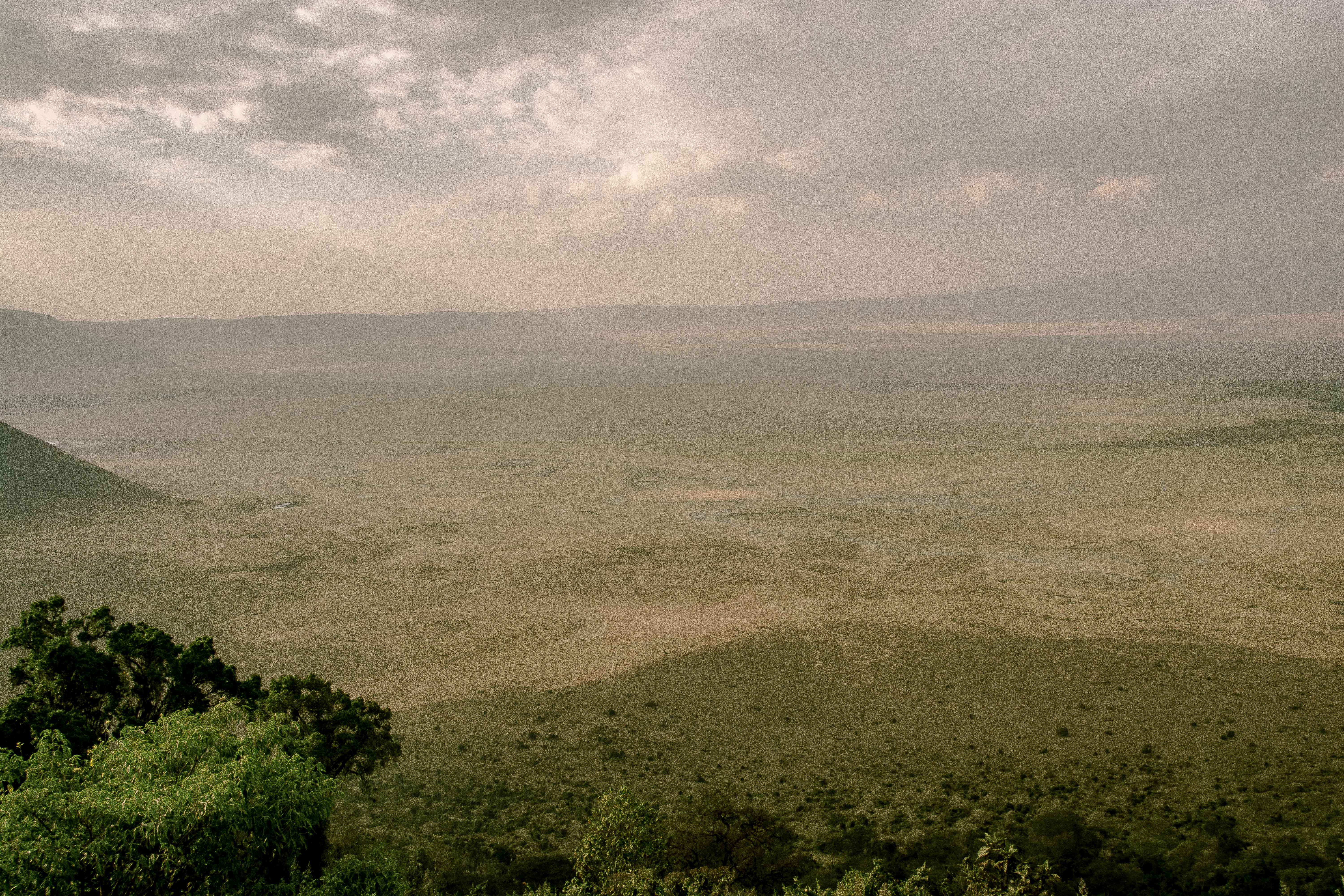
When we got to the Ngorongoro volcano caldera, we found a lookout point and were able to view the expanse of it. It really is quite spectacular, and we are all looking forward to our exploration tomorrow.  The banner at the top of this post shows cape buffalo as they were beginning to bed down for the night at a great distance down in the crater.

20150925-DSC_1095 20150925-DSC_1127

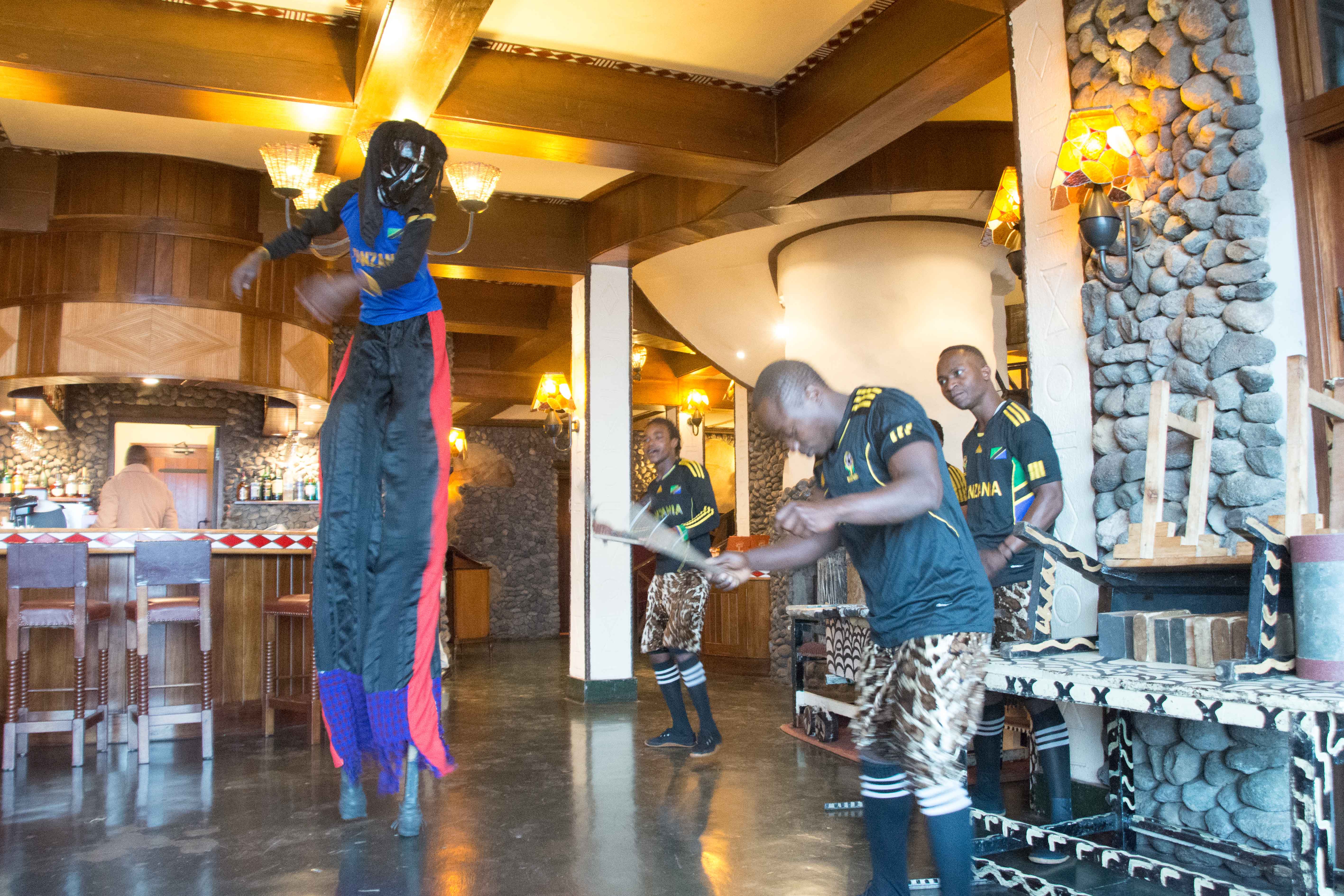
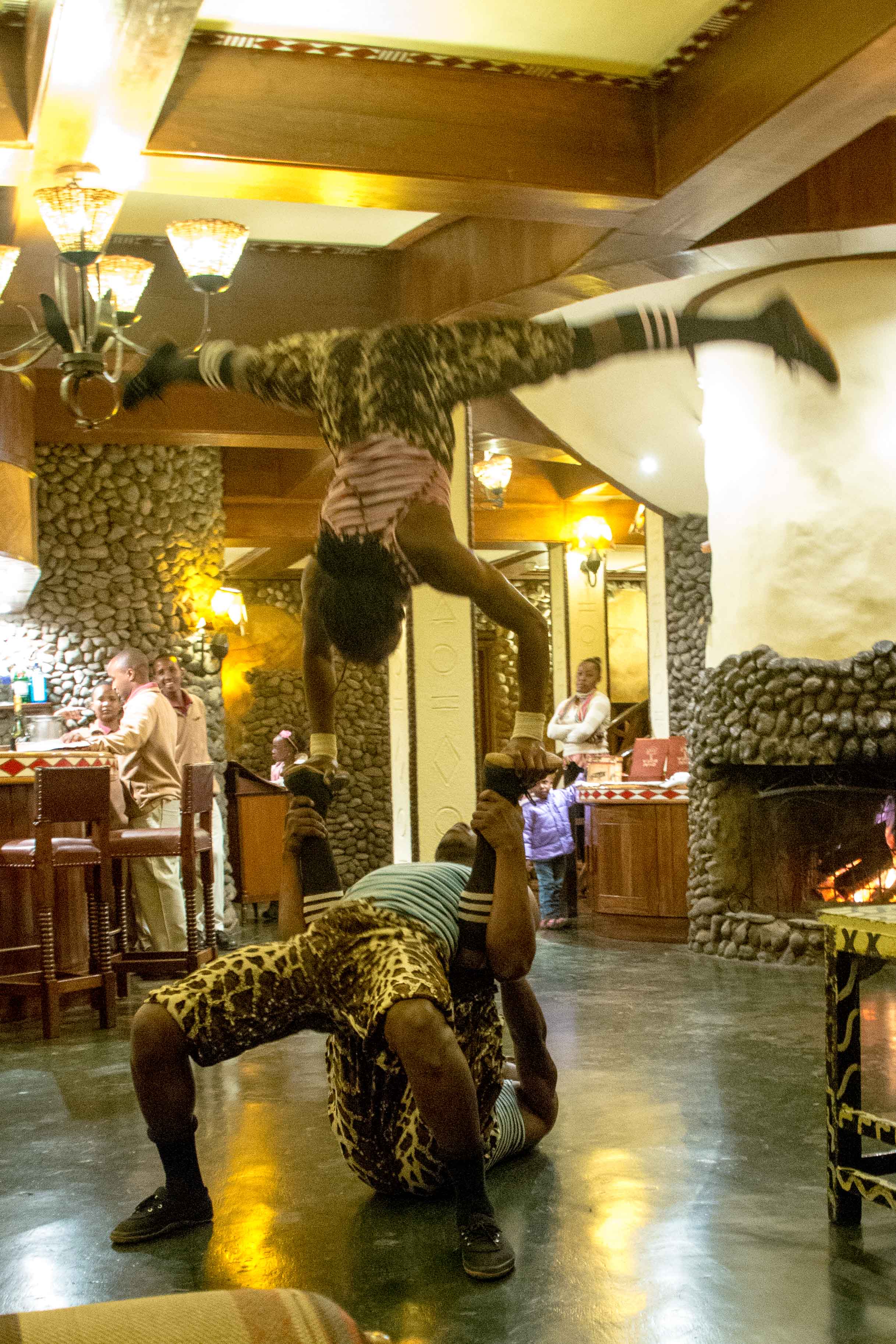
On our way to dinner at the new safari camp, we found the lounge was a place of entertainment, including a dancer on some stilts which put him into the overhanging lights (he was careful not to hurt himself), and a band of gymnasts who performed lots of tumbling on the hard floor without mat protection of any kind.  Their towers got high enough to require them to avoid the lights as well, but they were very well practiced, and made it look like part of the act.

Dancer on stilts

Dancer on stilts

Gynnasts without mats

Gynnasts without mats

Leave a comment

Filed under Blog, Travel to Africa

Fabulous Trip to Africa, 22 Sep to 4 Oct 2015, Post 2 – Amboseli National Park

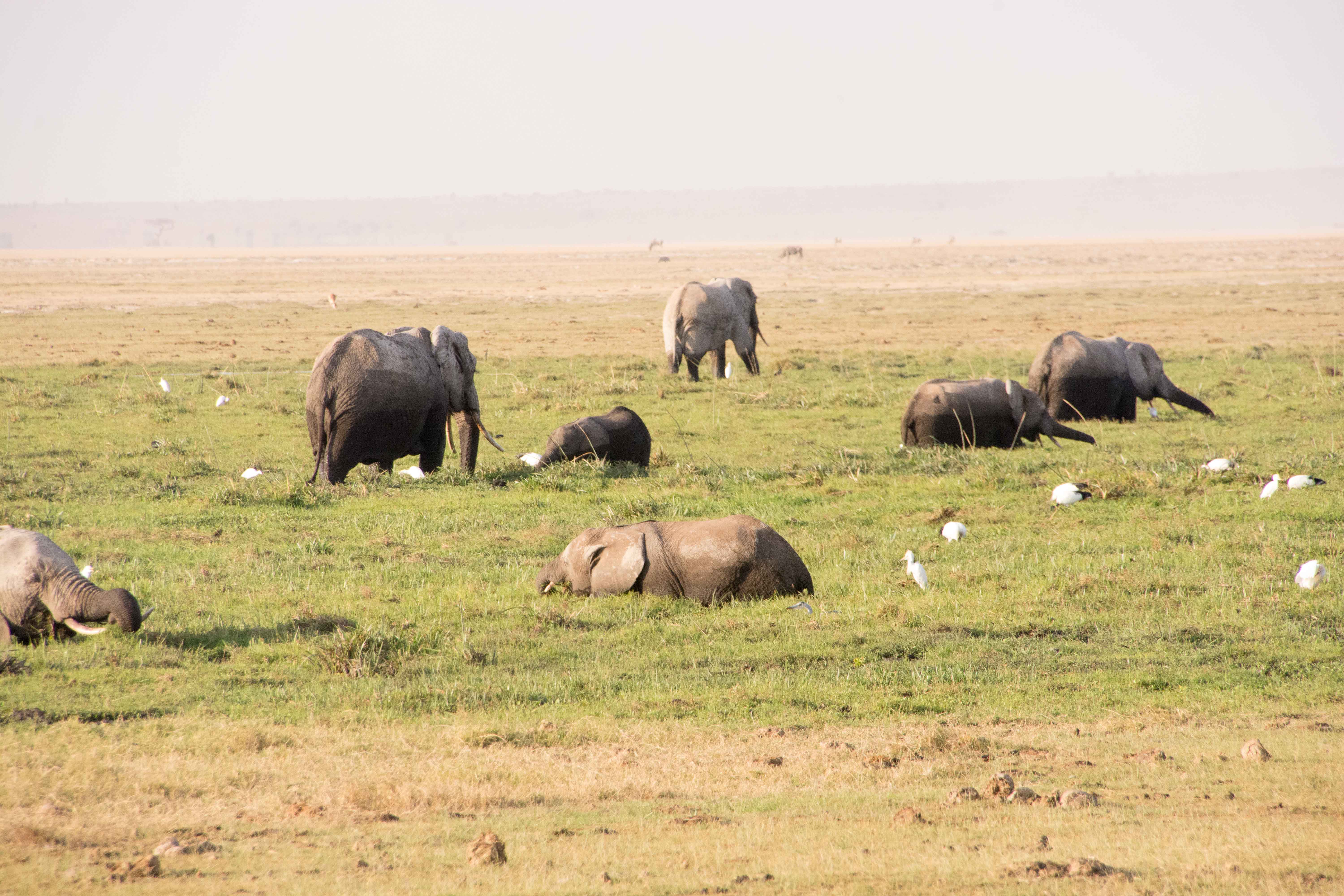
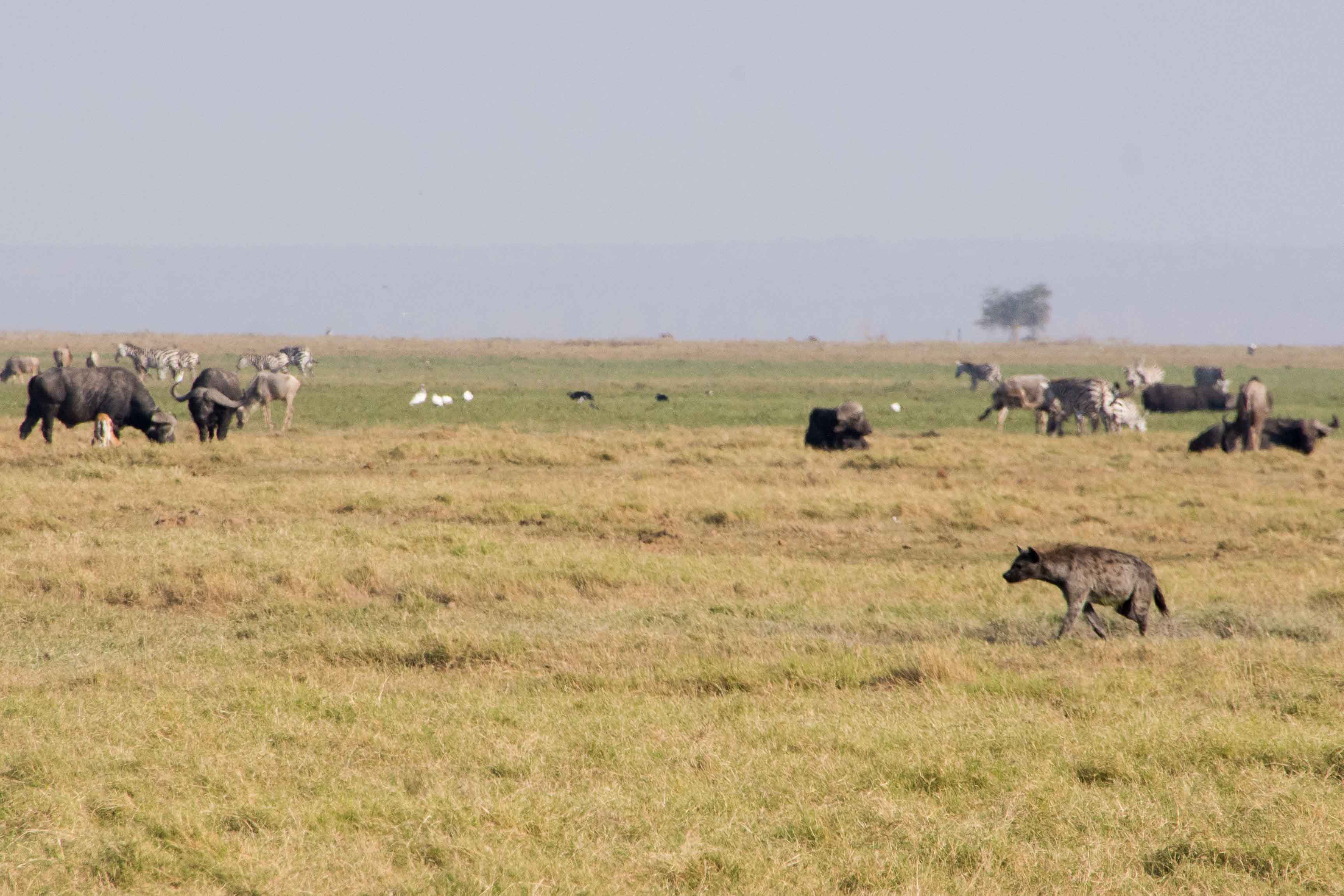
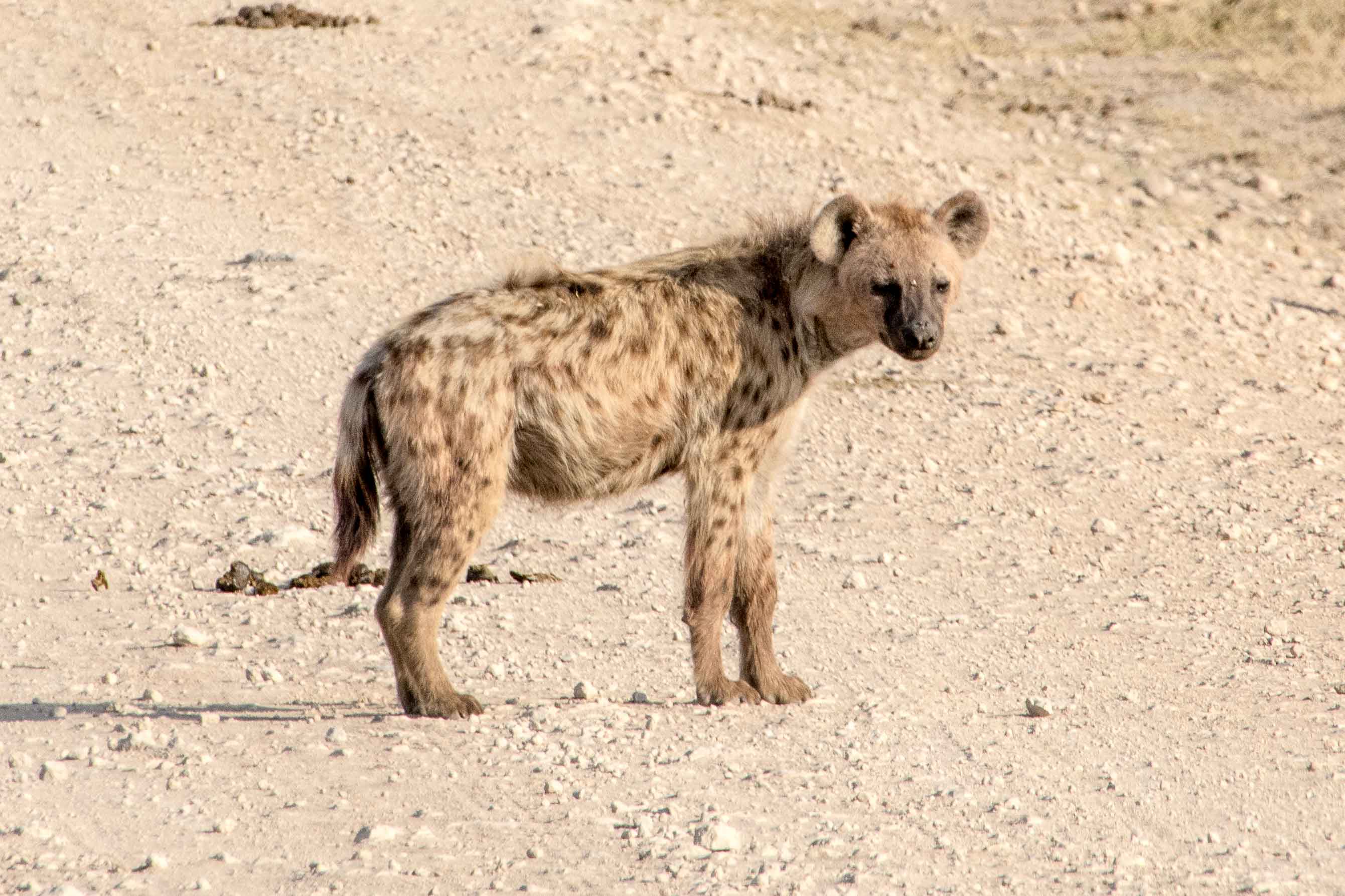
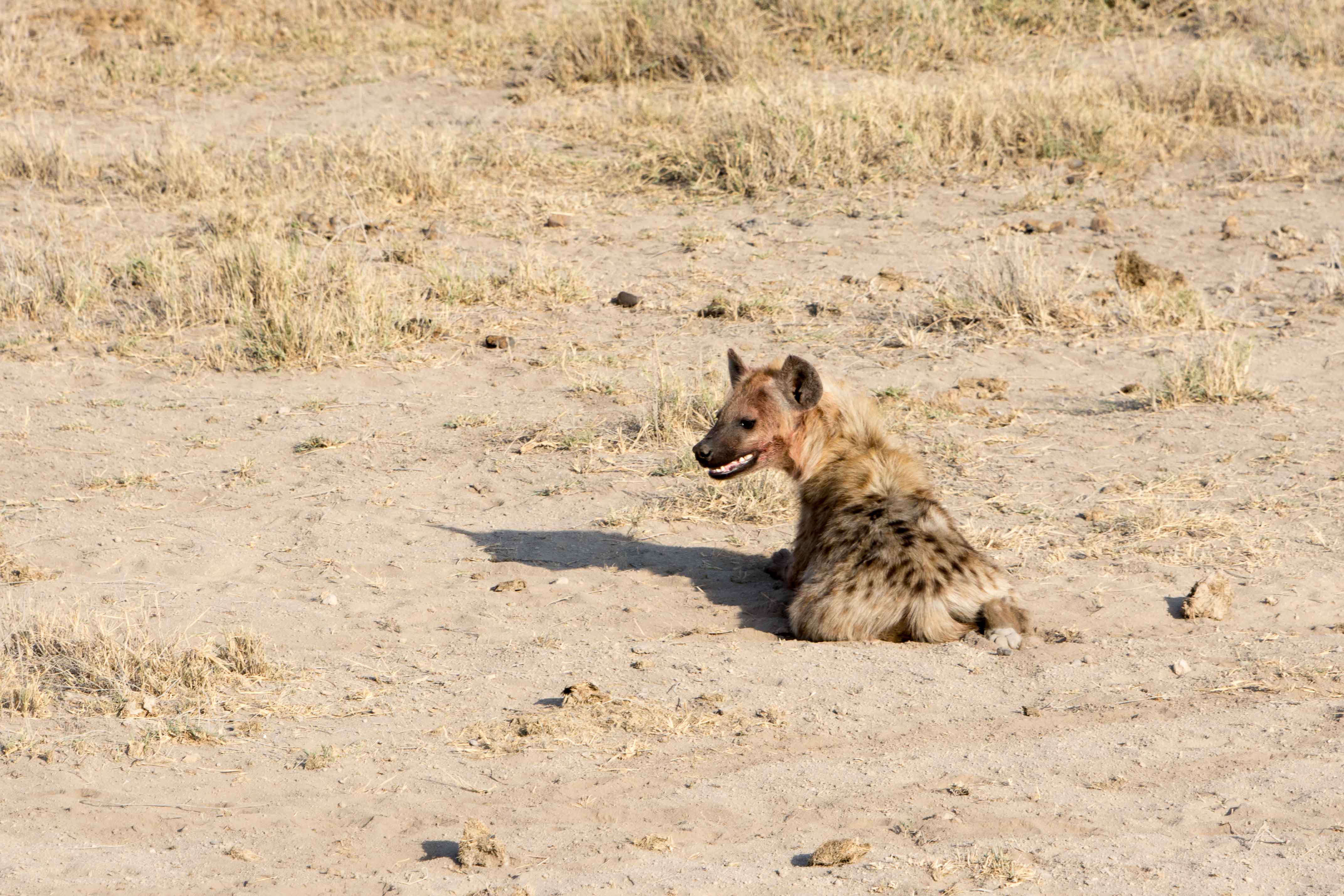
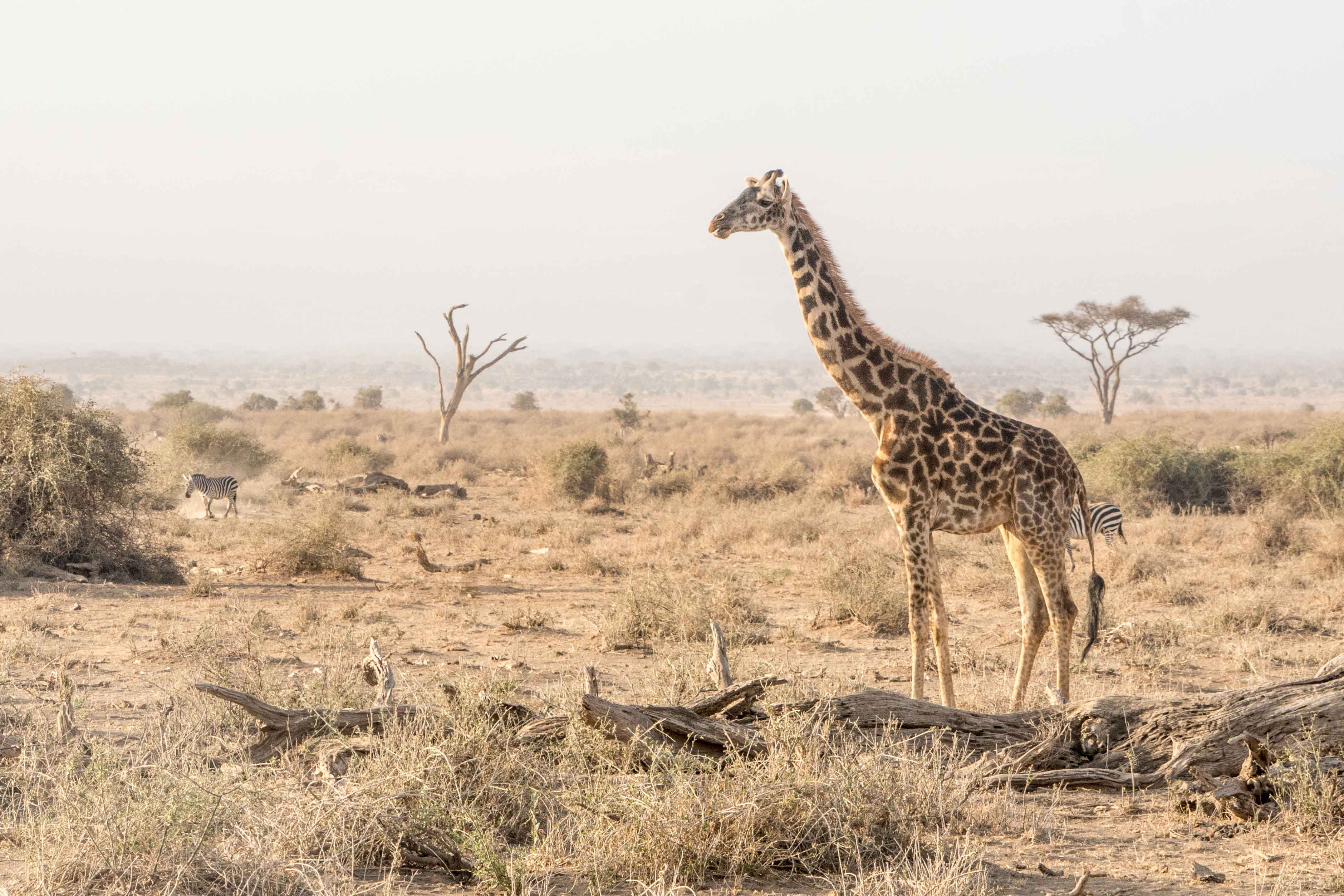
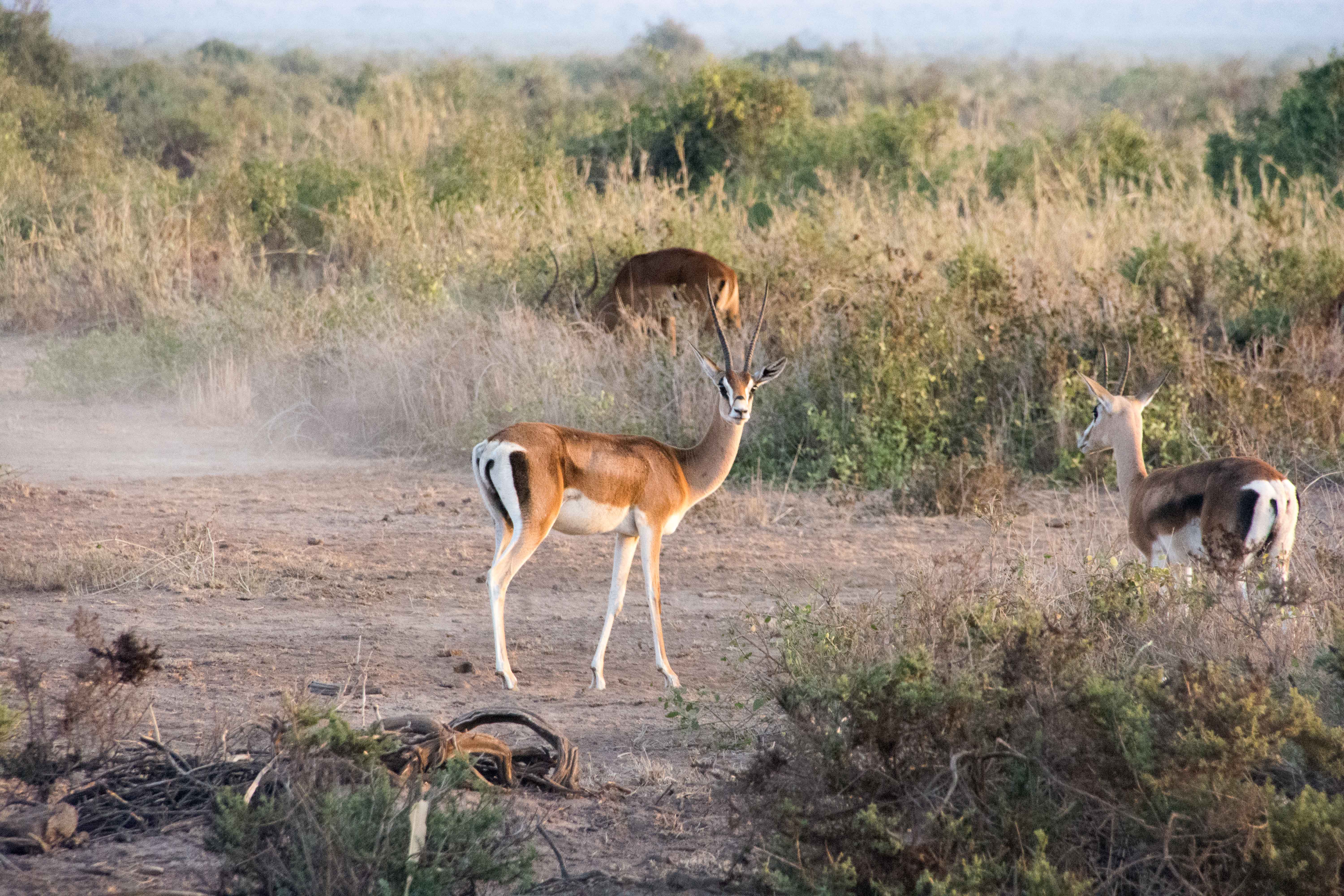
We got up early (5:45) and got to the park by 6:30. There were a plethora of animals, including all we had seen yesterday, as well as elephants in larger family groups, giraffes, gazelles and hyenas scaring all they came near.

20150924-DSC_0344

20150924-DSC_0279

Amboseli Park, It is not uncommon for many different animals to share the forage. (7)

Amboseli Park, It is not uncommon for many different animals to share the forage. (7)

20150924-DSC_0771 20150924-DSC_0659 20150924-DSC_0485 20150924-DSC_0420 20150924-DSC_0395 20150924-DSC_0386 20150924-DSC_0359 20150924-DSC_0230

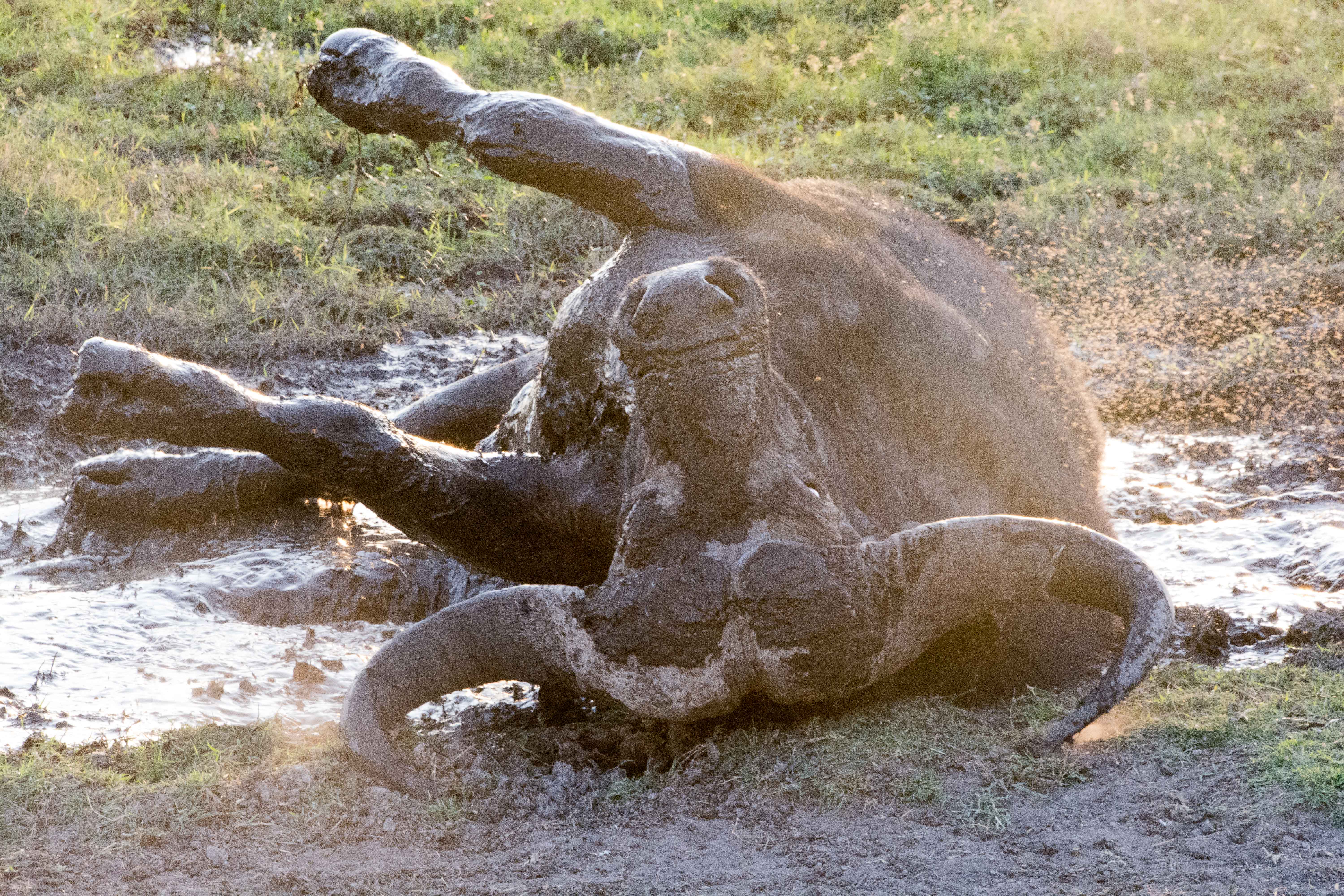
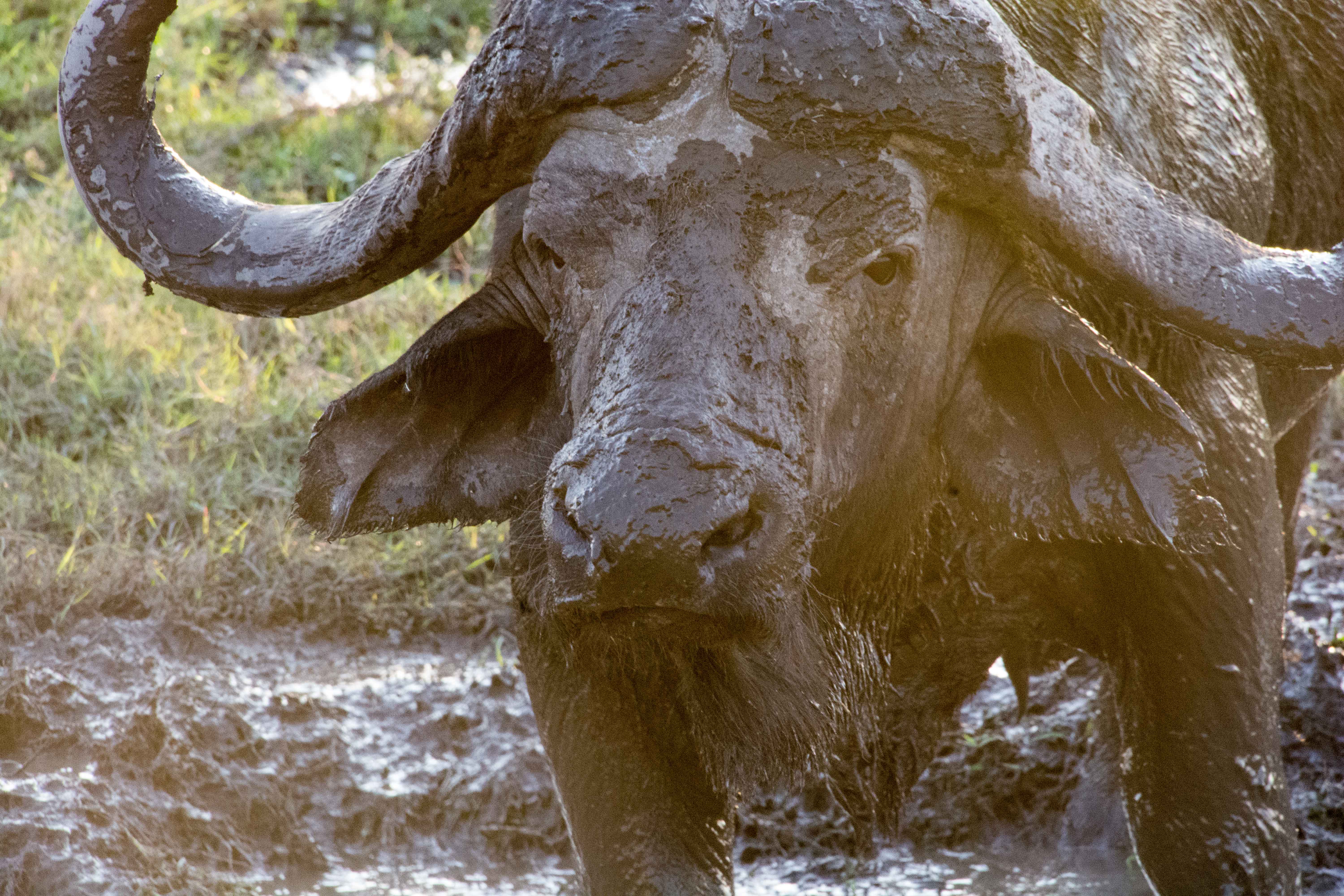
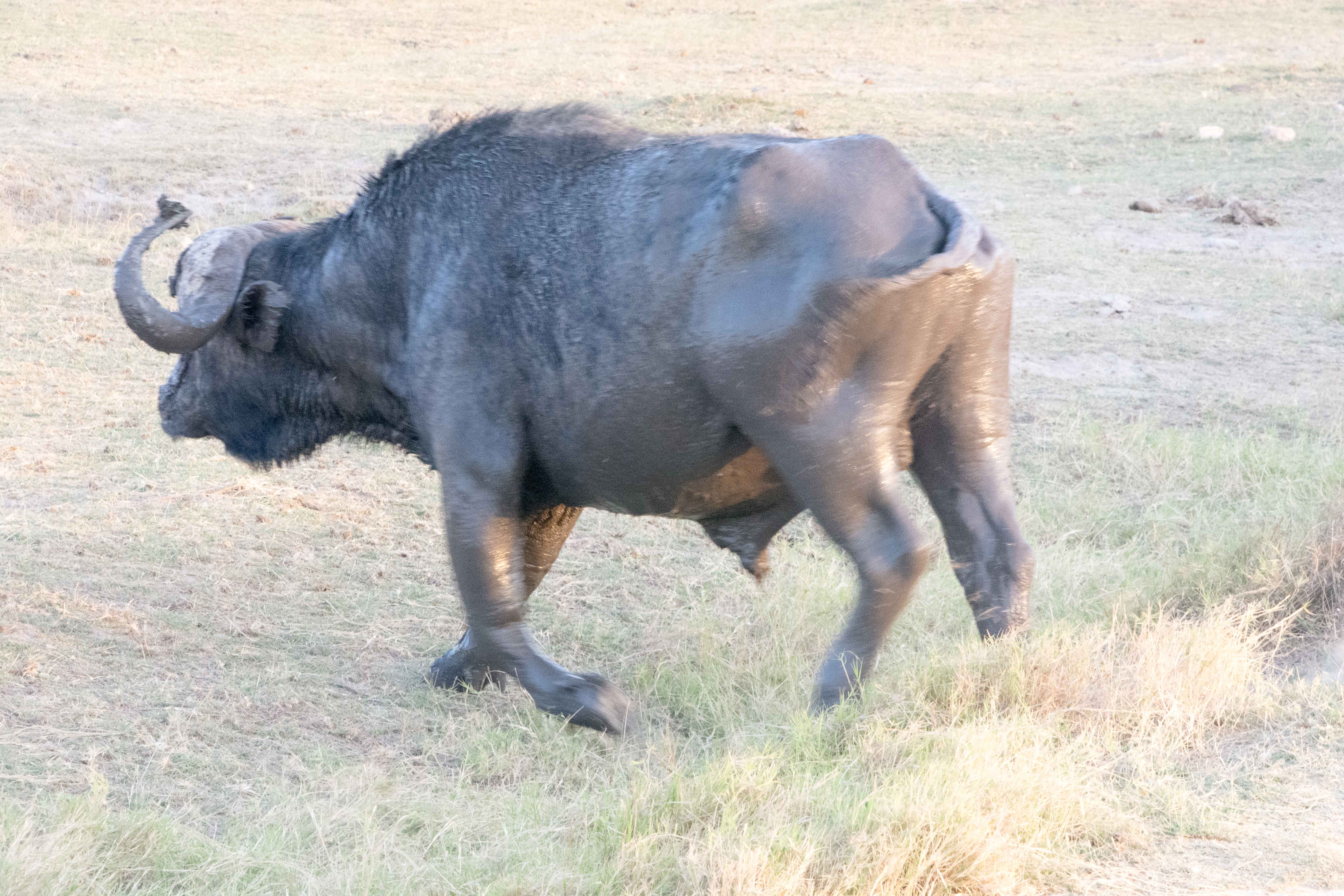
We got close to the cape buffalo herds, as scary as they looked.   We drove by one old male who was wallowing in a mud puddle close to the road trying to get enough mud on himself to keep the flies off.

20150924-DSC_0908 20150924-DSC_0913 20150924-DSC_0928 20150924-DSC_0940

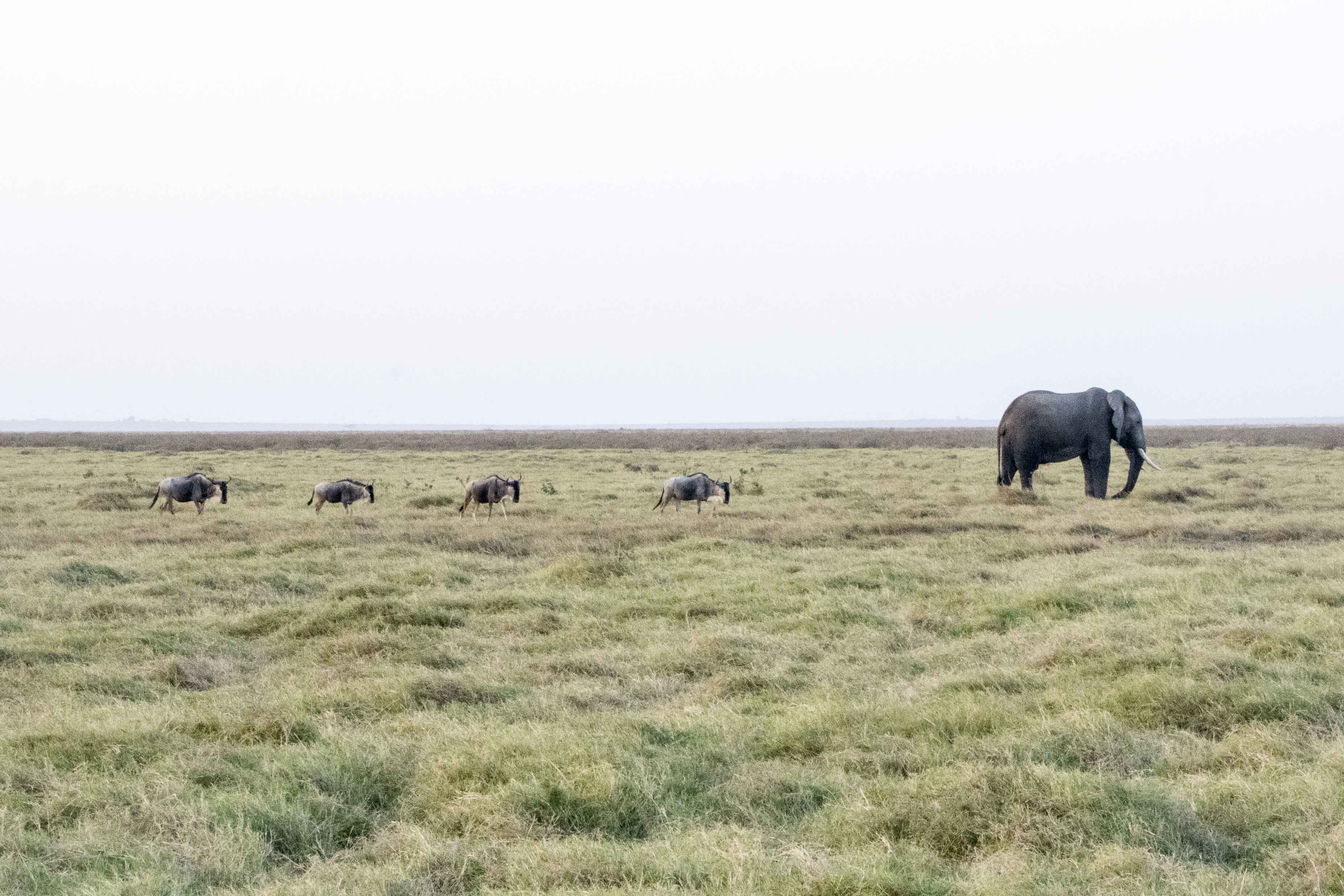
An hippopotamus made its way across our view at one point, going from one watering hole to another presumably looking for better forage.  The wildebeest wandered all around us, and at one point there were a group of four lopping across the savannah headed toward an elephant male standing on his own.

20150924-DSC_0435 20150924-DSC_0967

We did see a couple of lone baboons lopping across the savannah close to us.

20150924-DSC_0330 20150924-DSC_0627

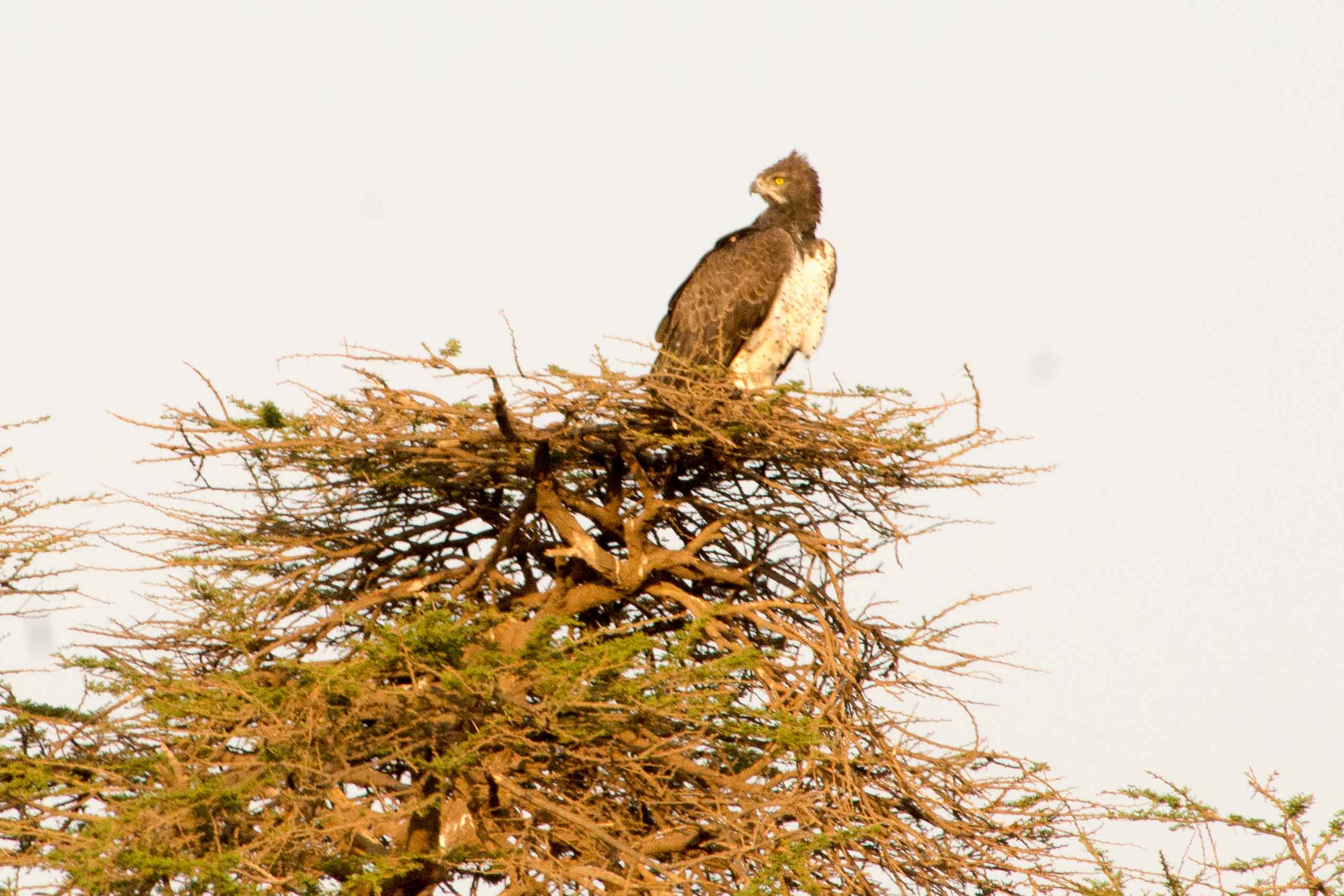
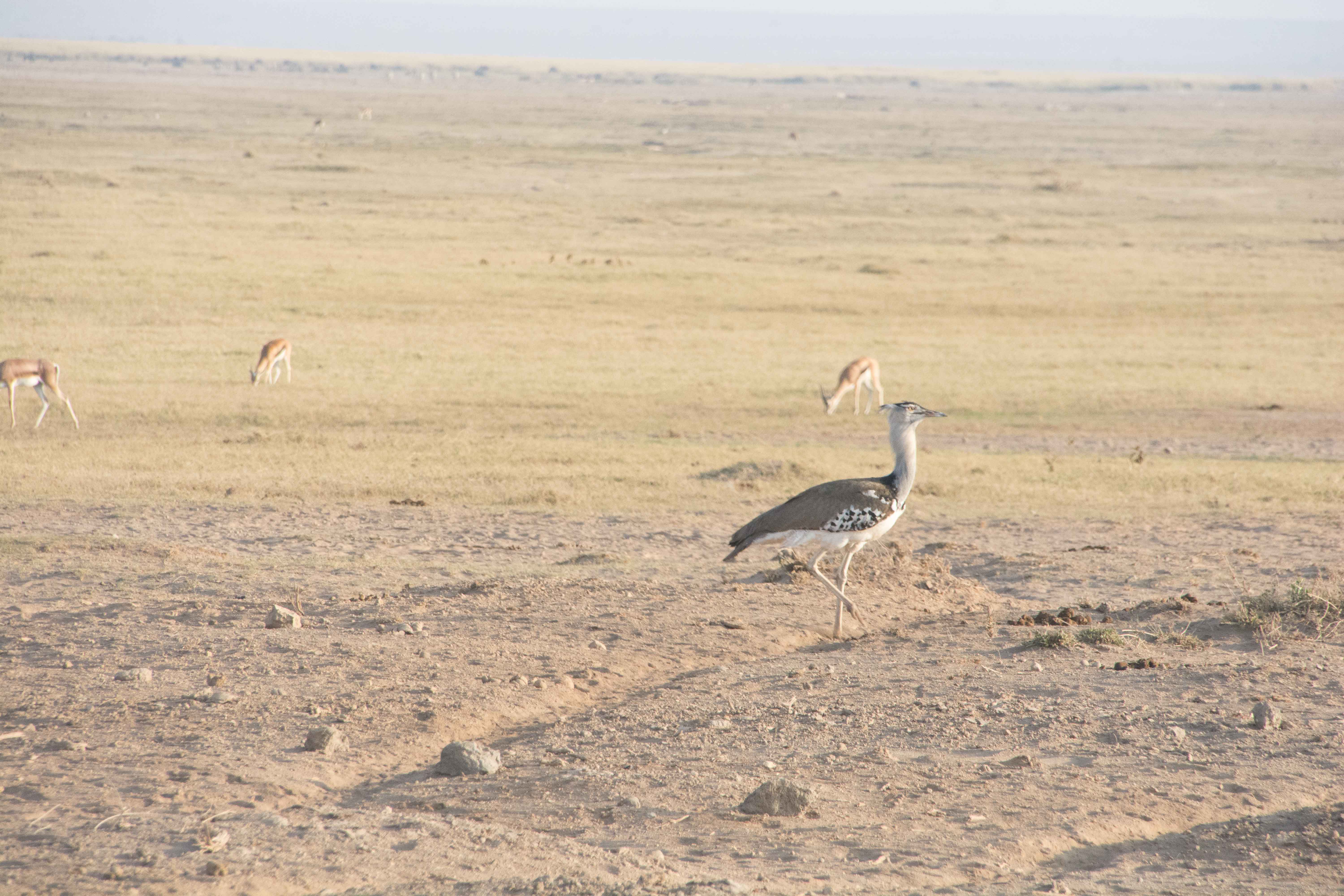
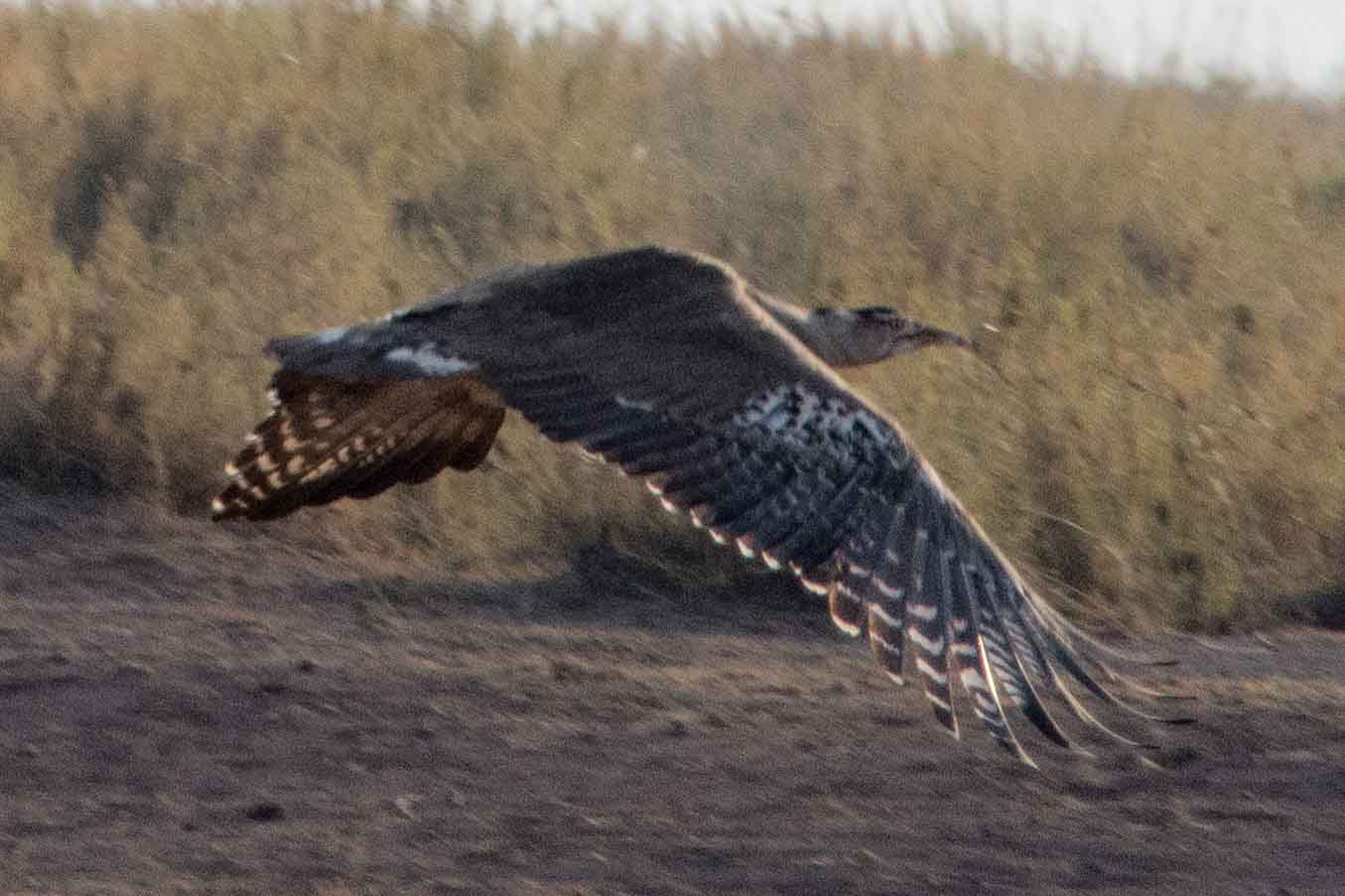
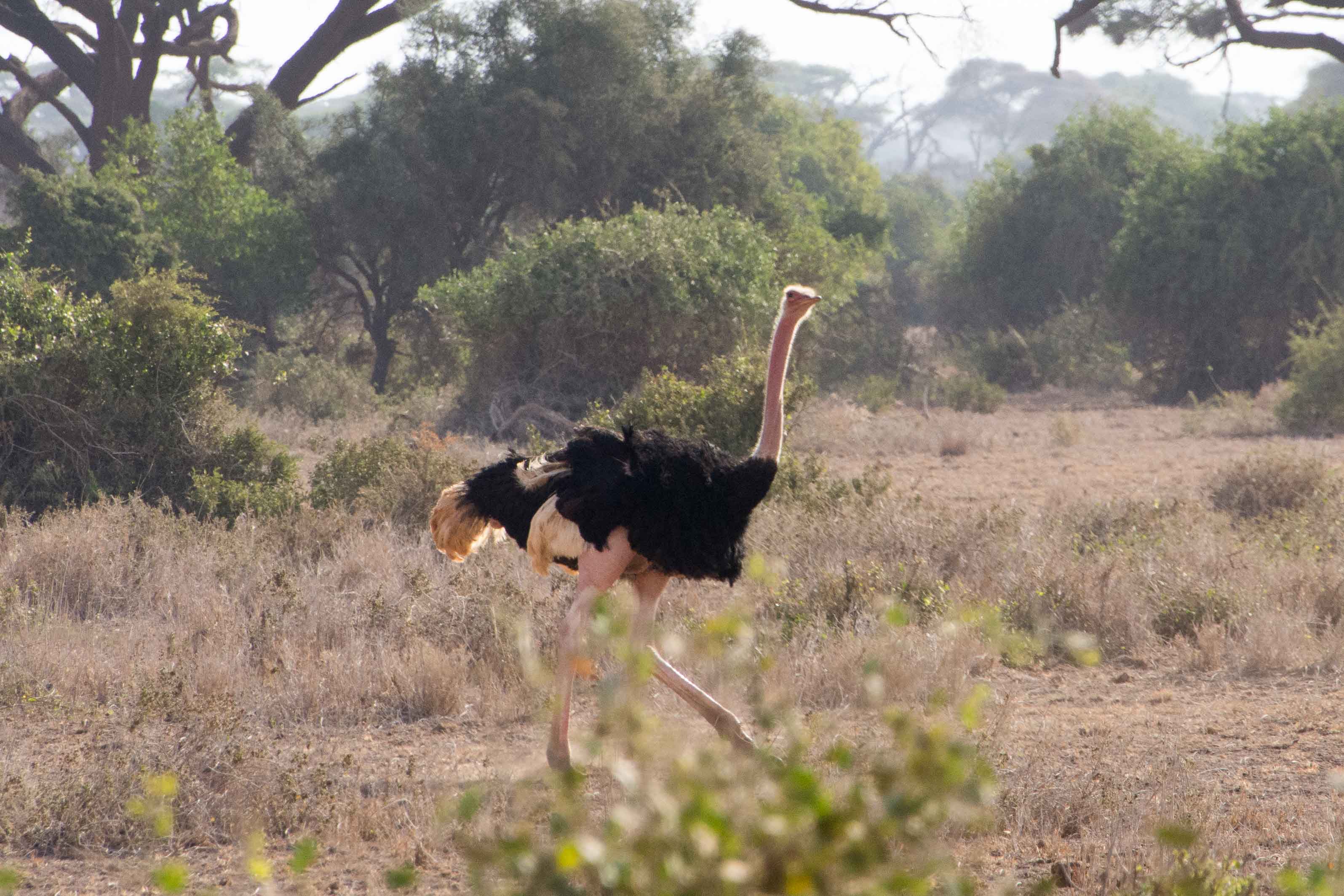
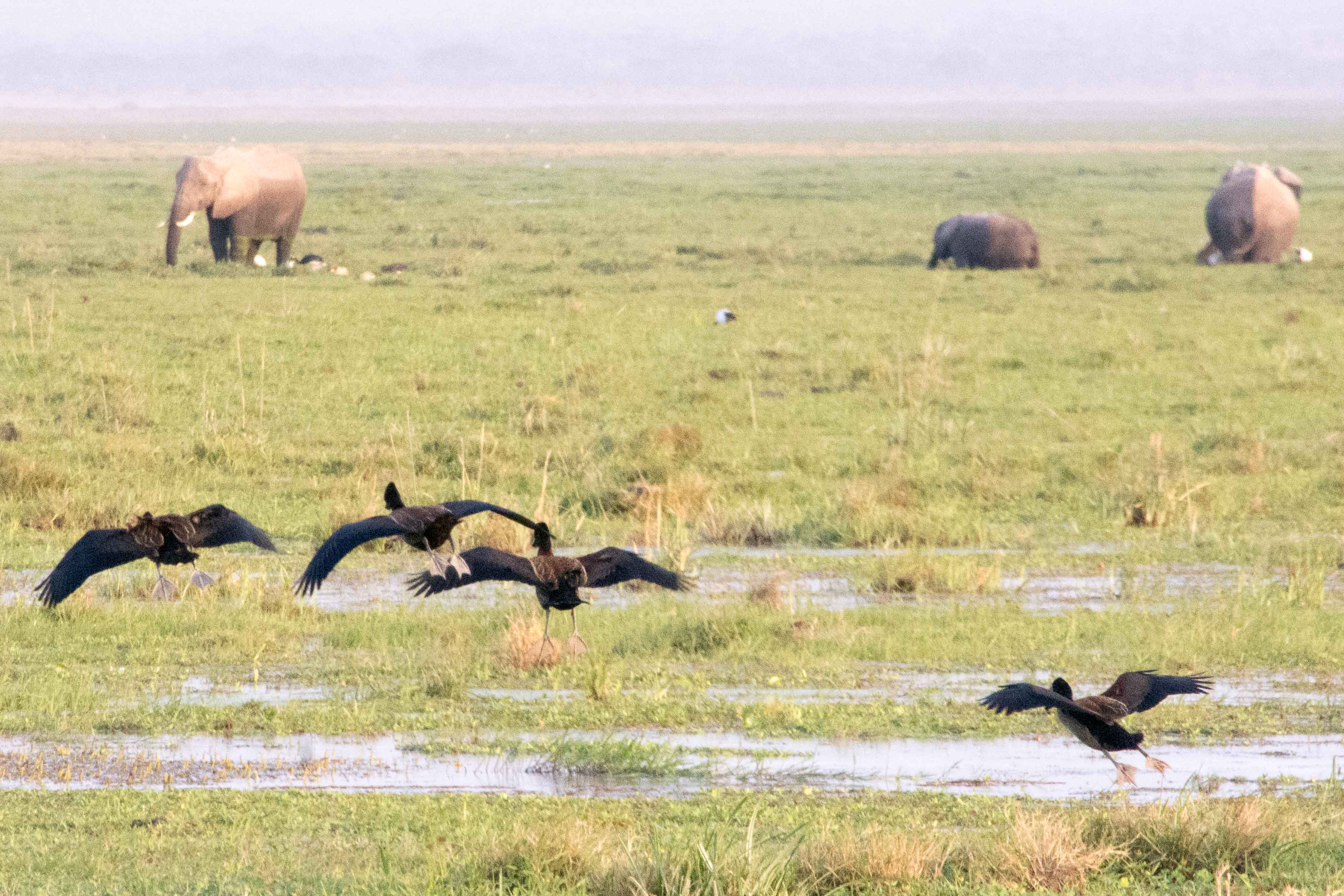
More birds showed up as well, even an example of one of the largest eagles, the largest of the flight-able birds, as well as an ostrich off in the distance.

Martial Eagle

Martial Eagle

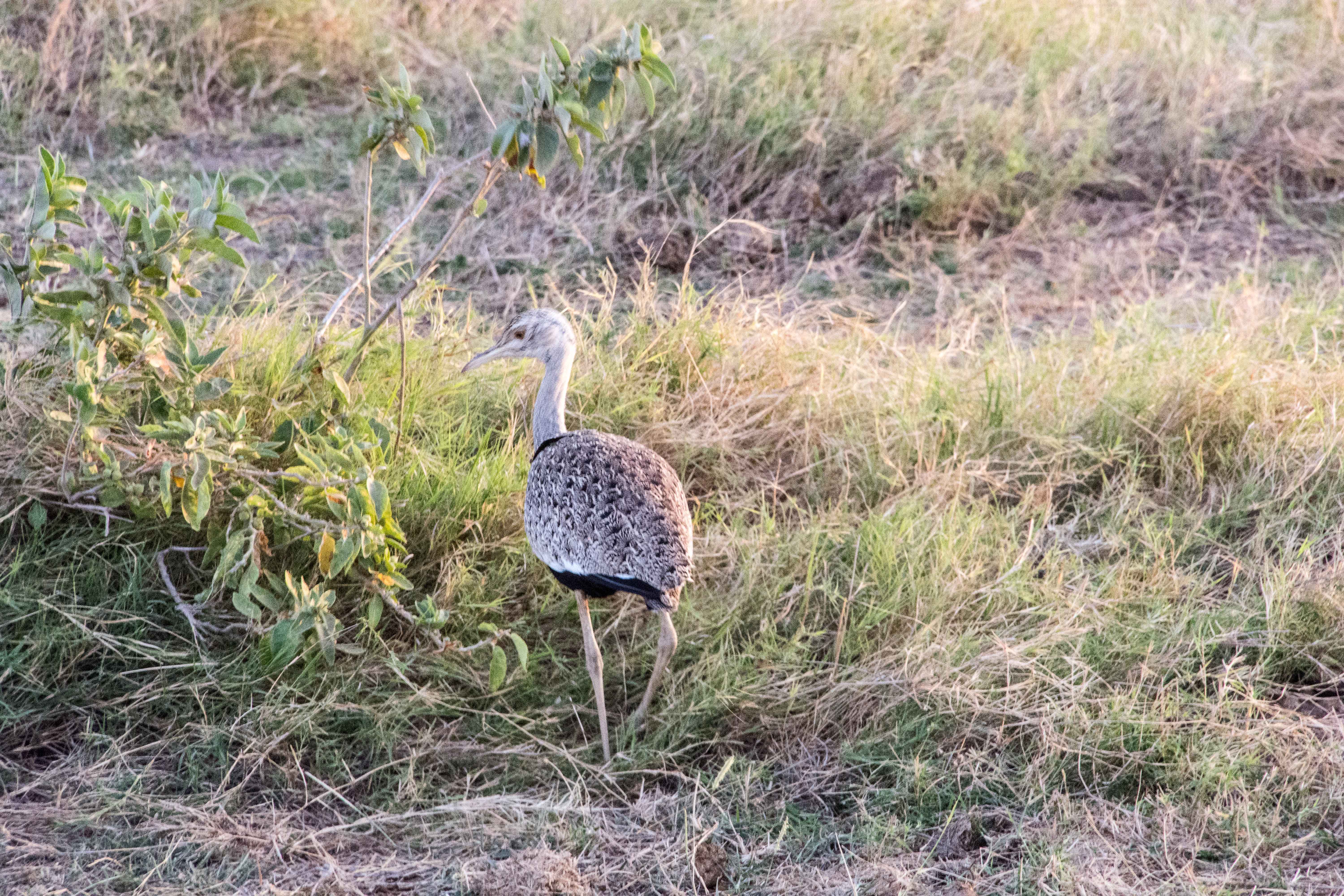
Kori Bustard

Kori Bustard

Vulture, White-backed

Vulture, White-backed

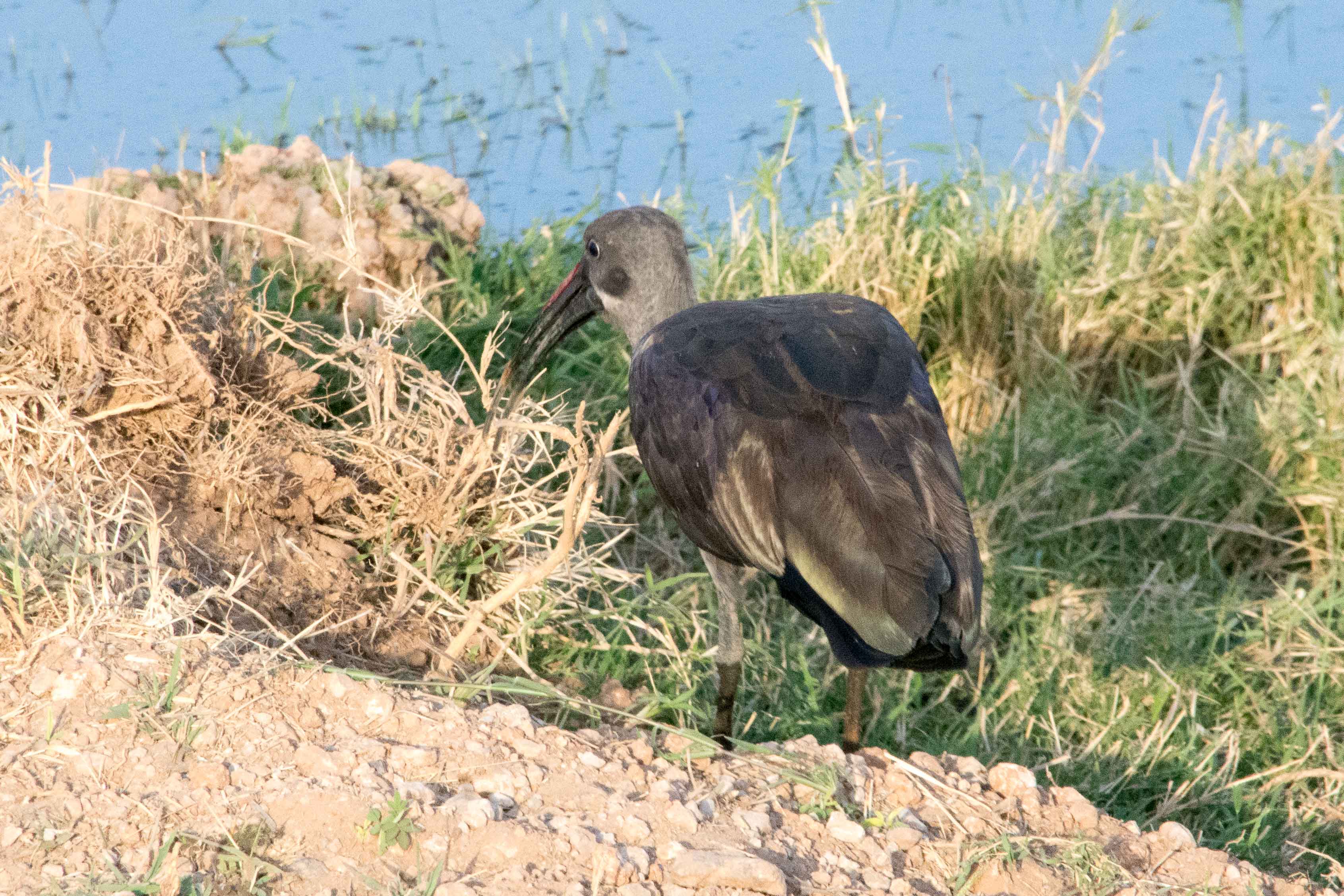
Ibis, Hadeda

Ibis, Hadeda

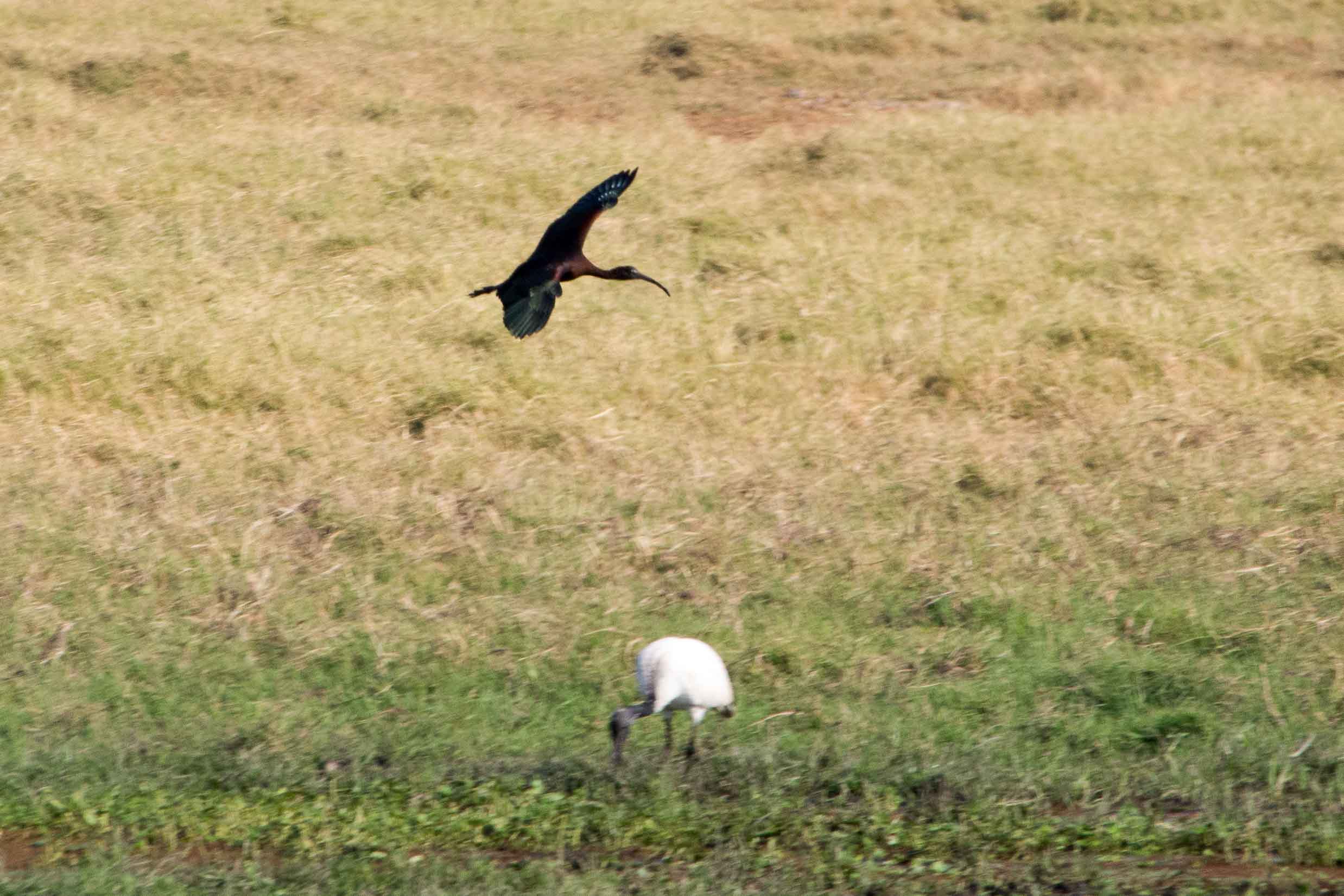
Ibis, Glossy; Ibis, Sacred

Ibis, Glossy; Ibis, Sacred

20150924-DSC_0568

Lapwing, Long-Toed

Lapwing, Long-Toed

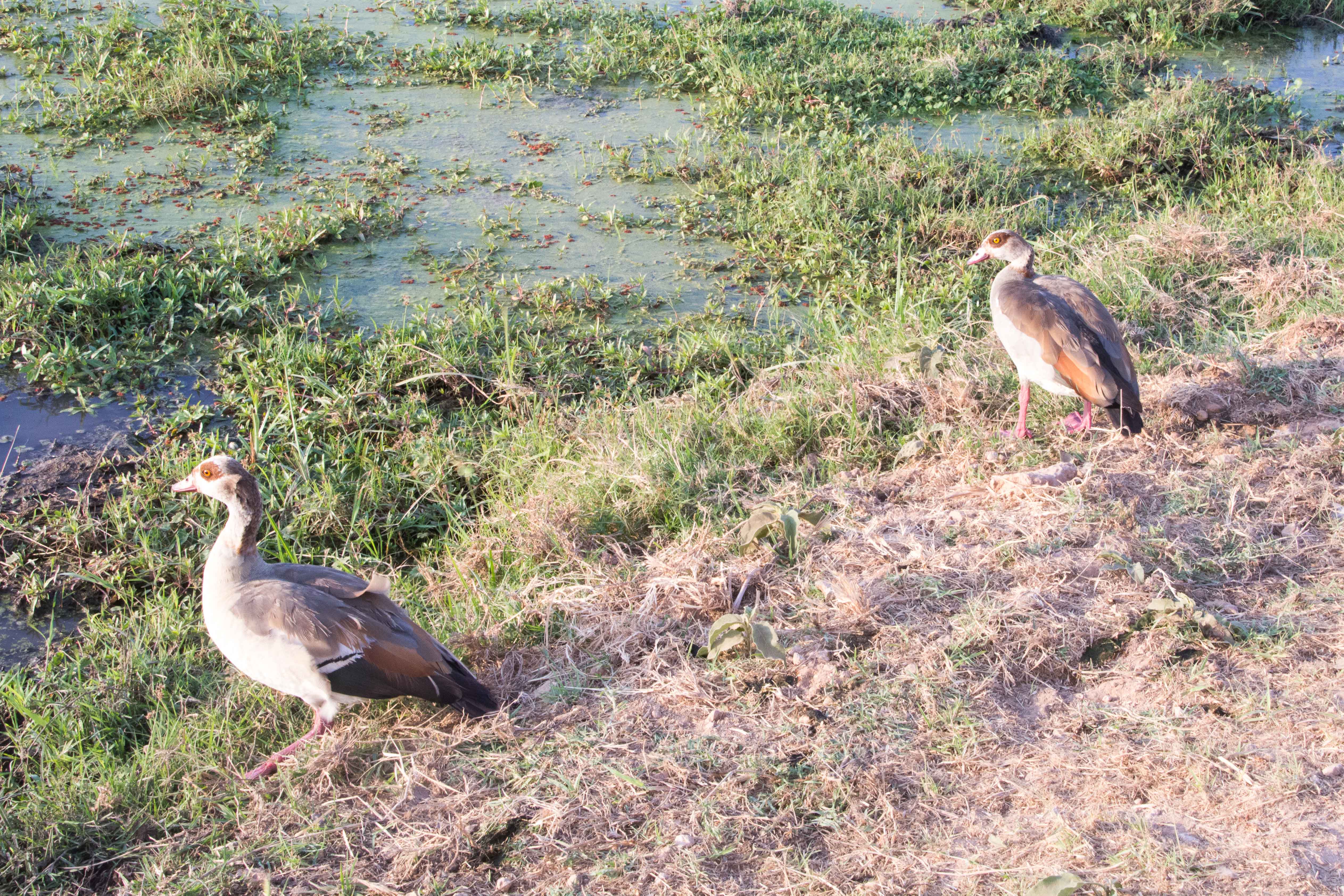
Goose, Egyptian

Goose, Egyptian

Ibis, Hadeda

Ibis, Hadeda

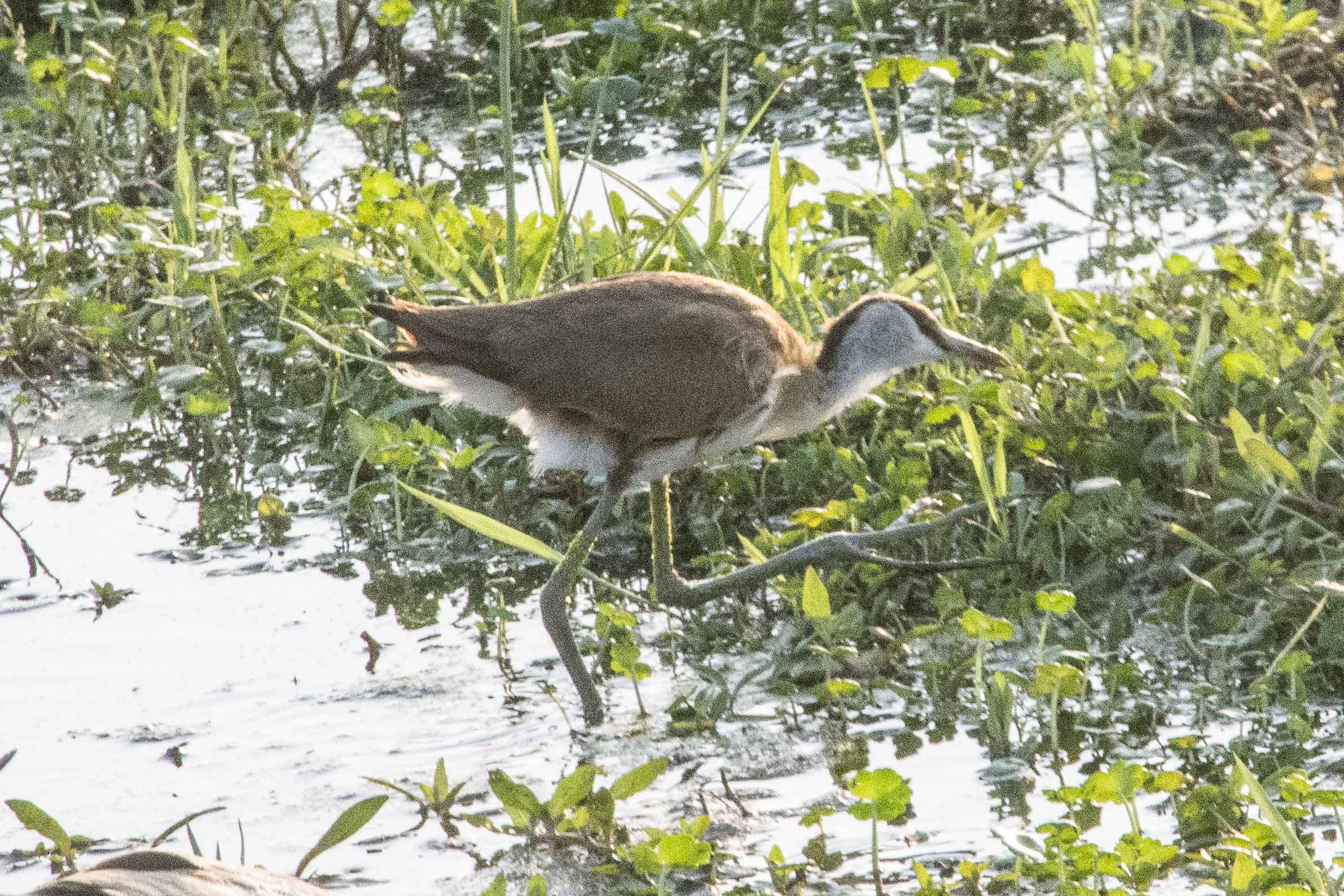
Jacana

Jacana

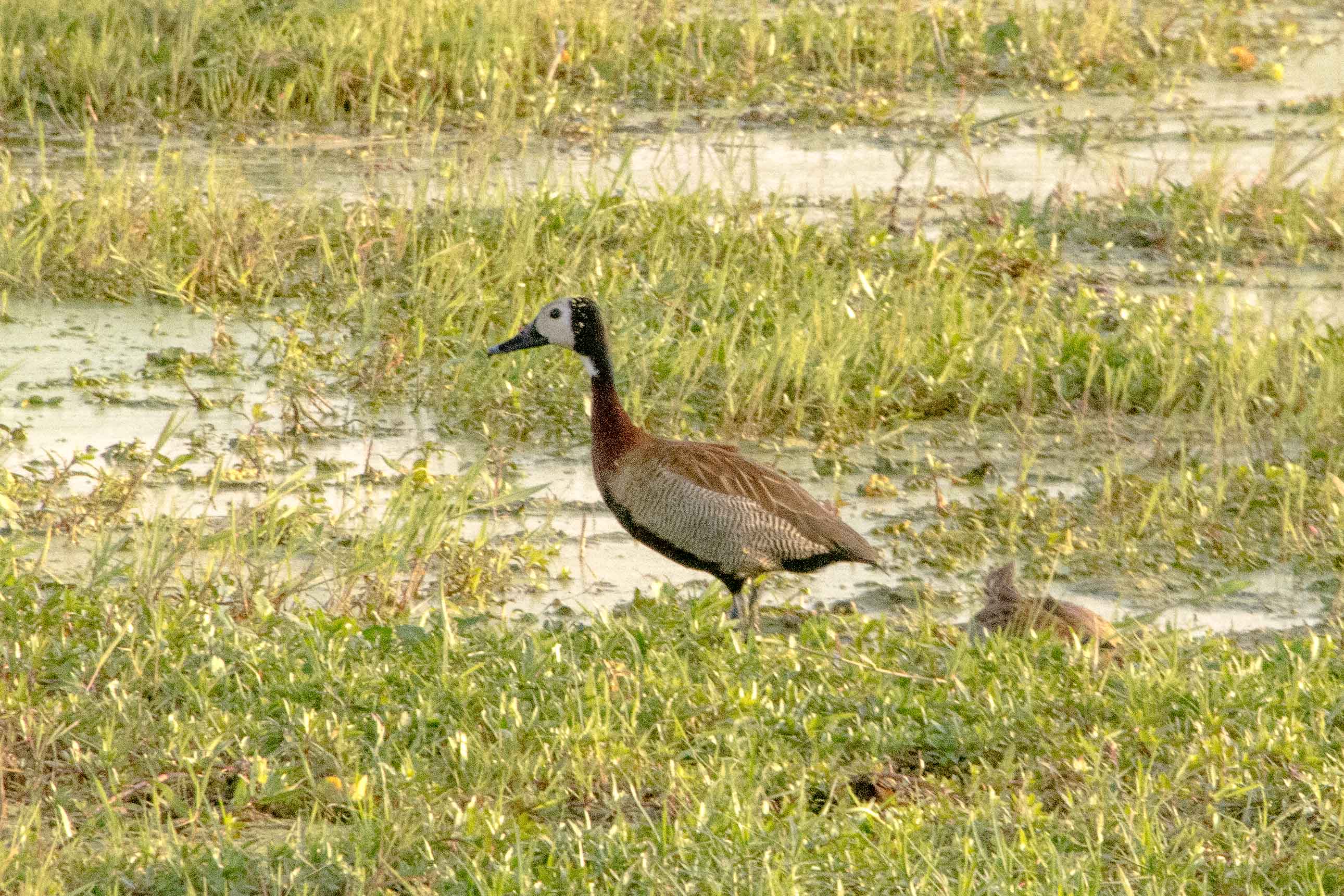
Duck, White-faced

Duck, White-faced

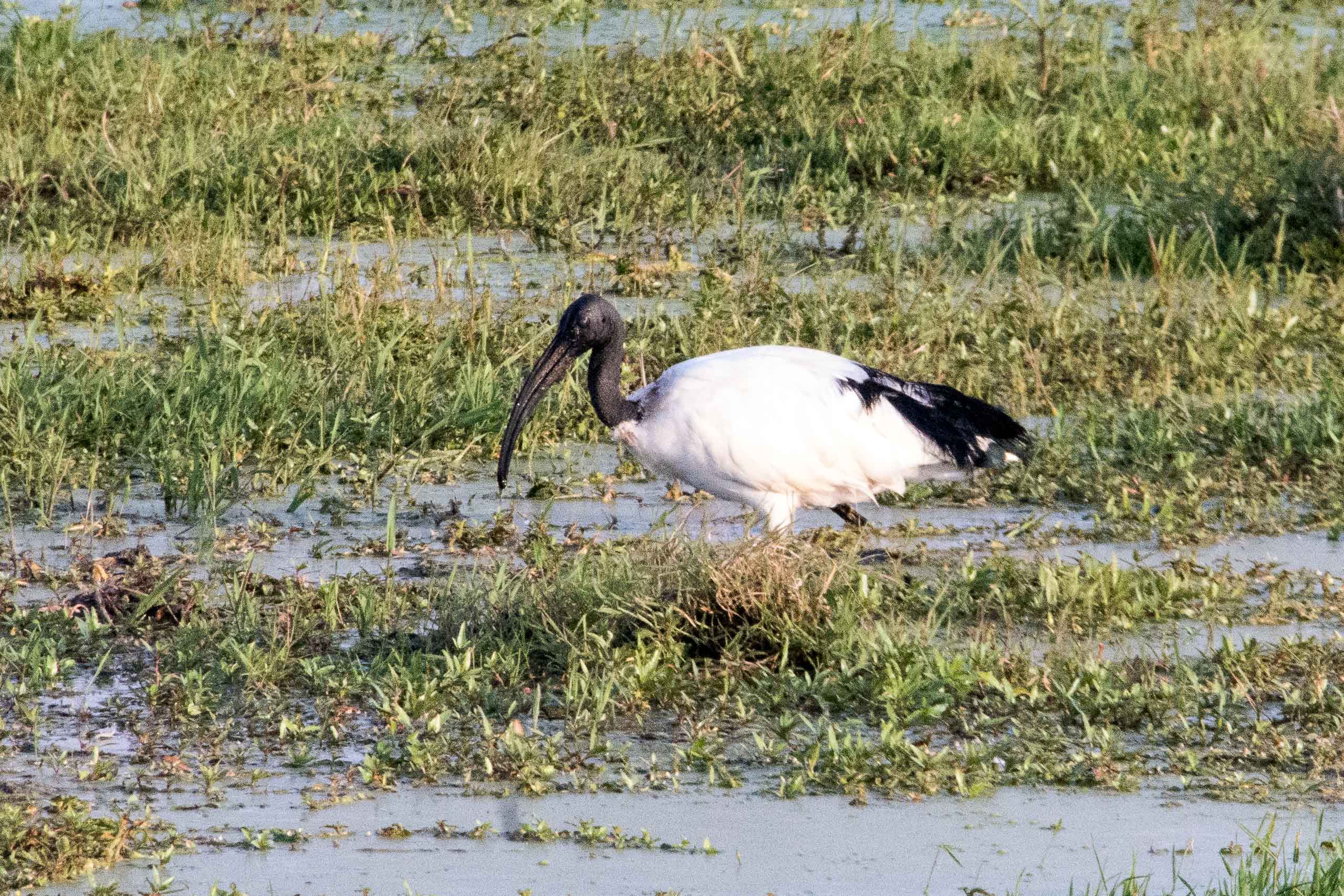
Ibis, Sacred

Ibis, Sacred

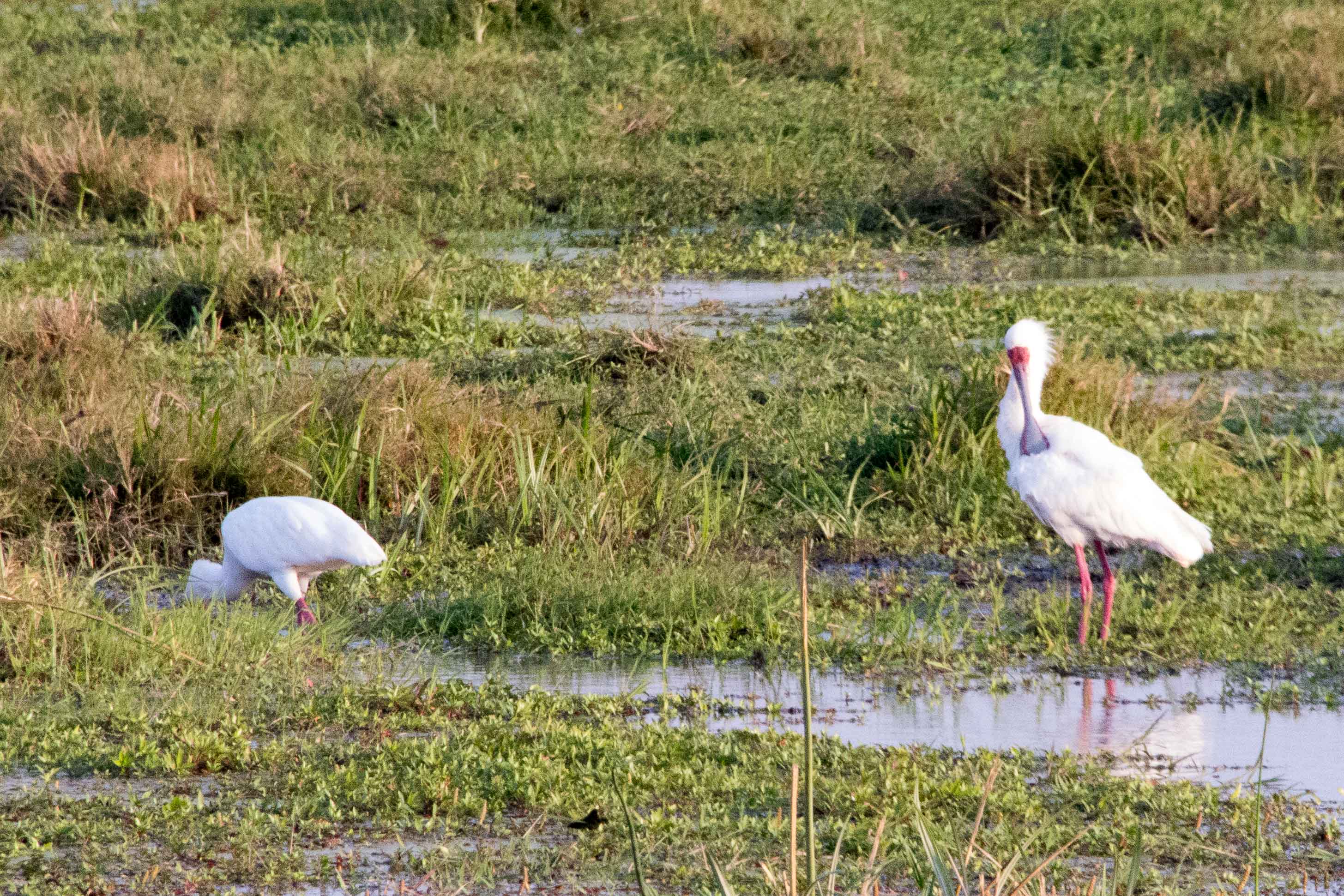
Spoonbill

Spoonbill

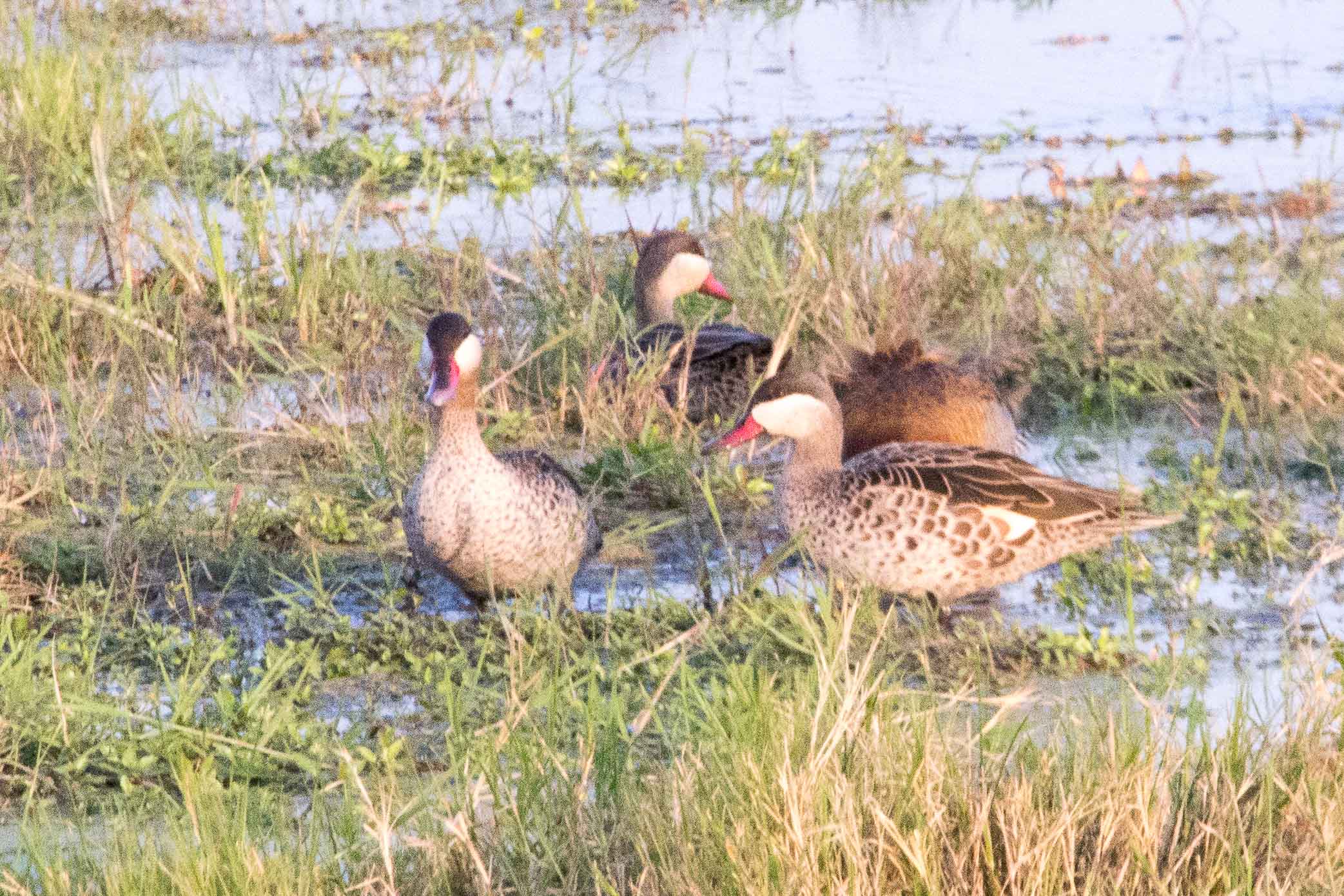
Teal, Red-Billed

Teal, Red-Billed

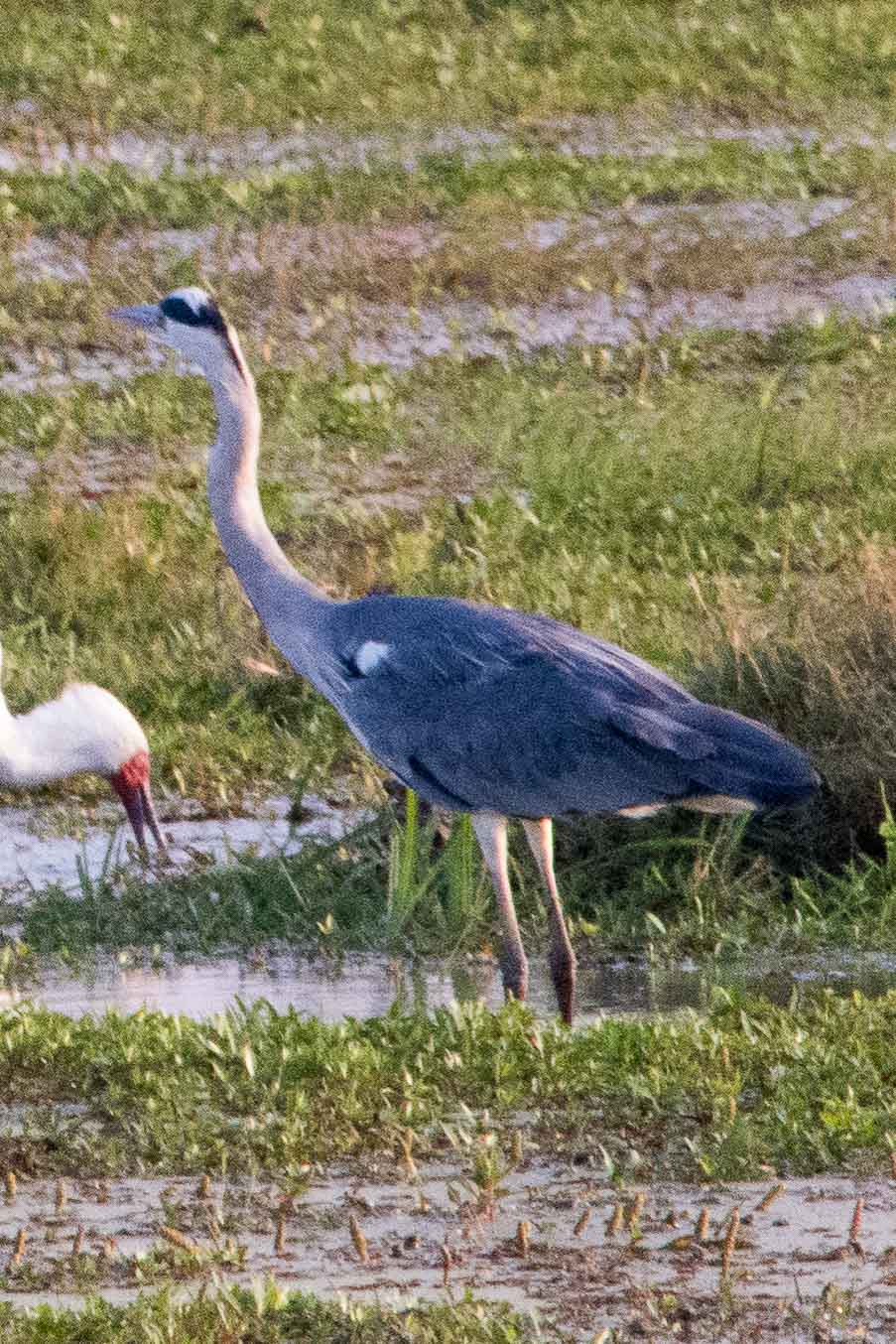
Heron, Great Blue; white bird unknown

Heron, Great Blue; white bird unknown

Duck, White-faced

Duck, White-faced

Bustard, Harlaub's

Bustard, Harlaub’s

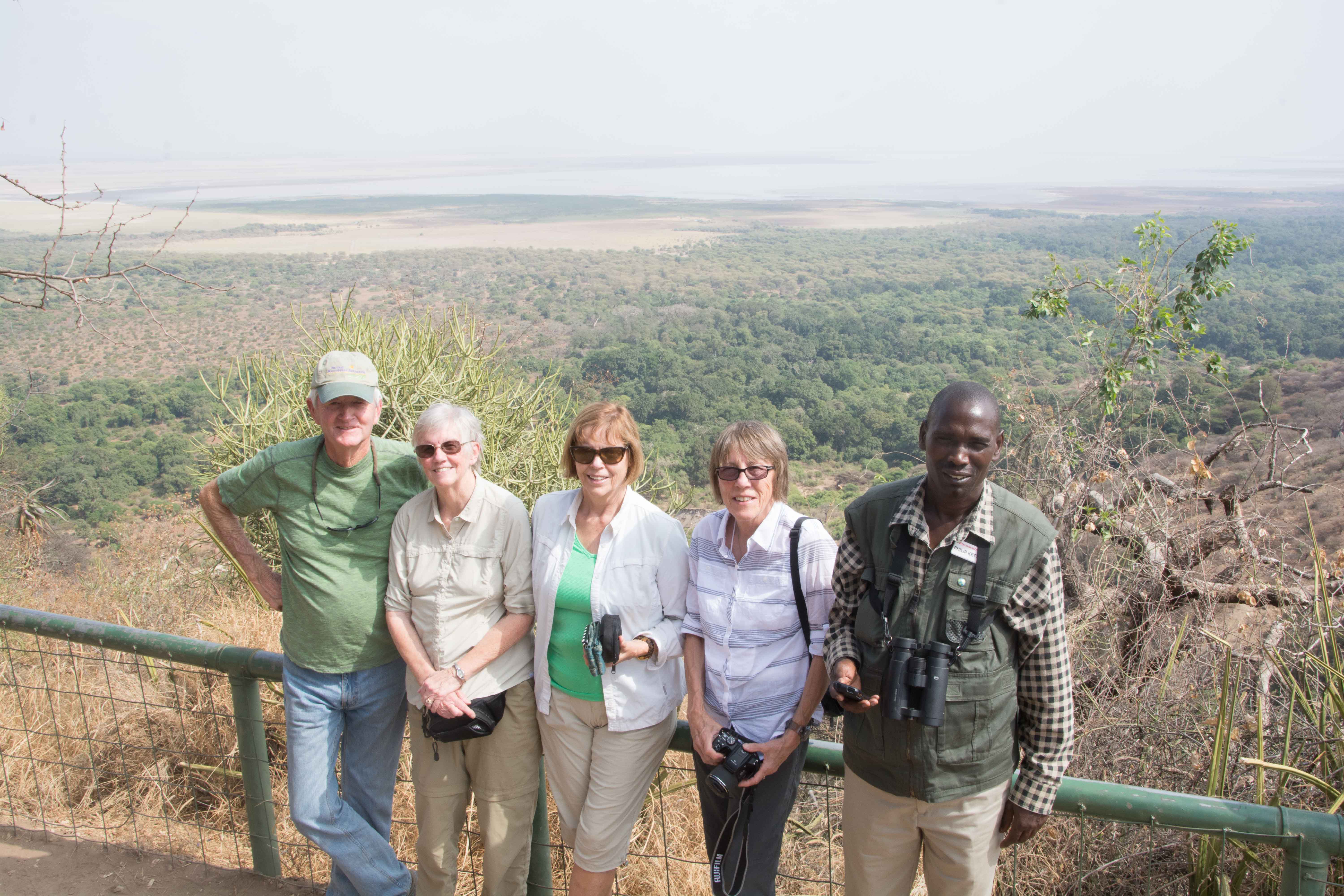
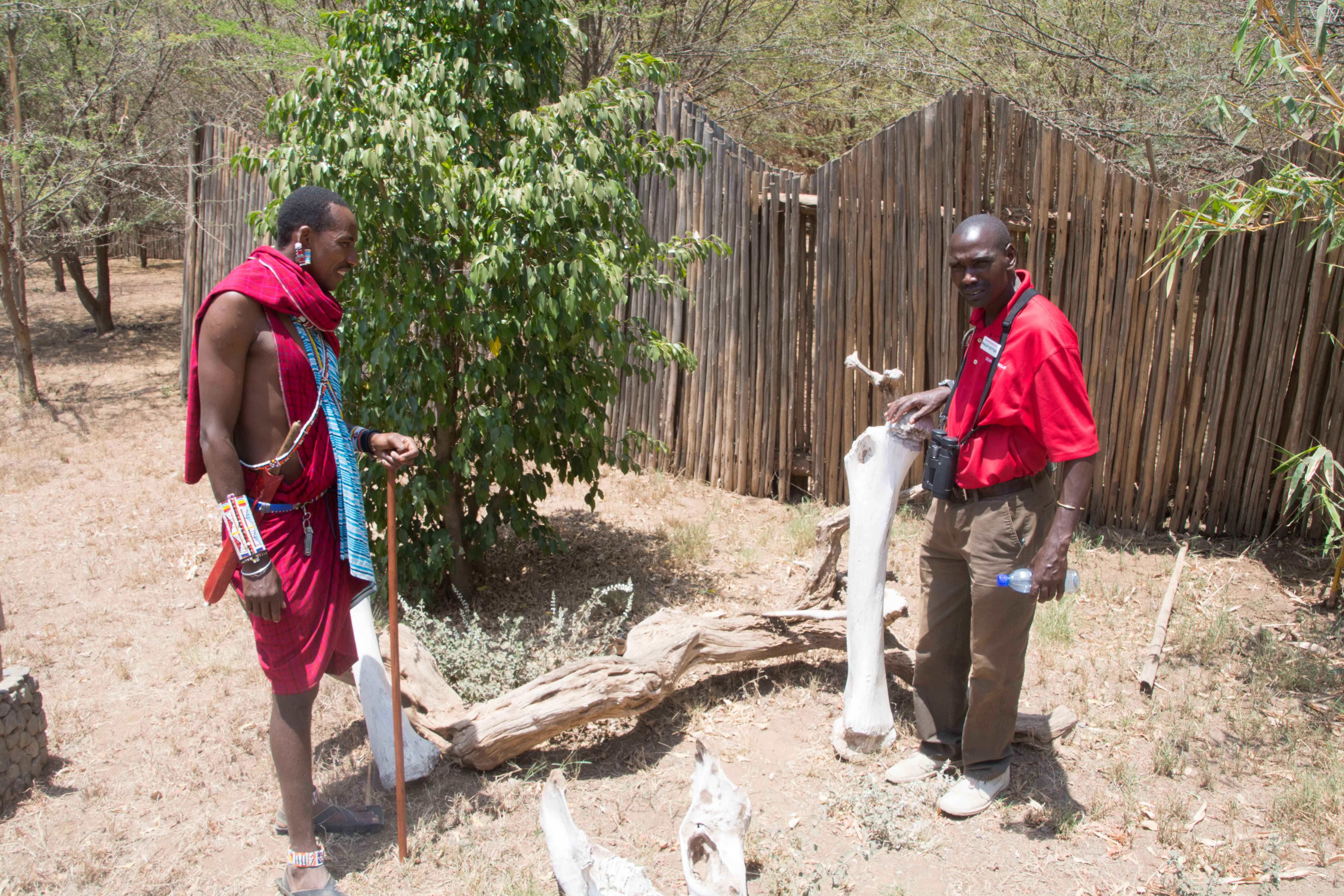
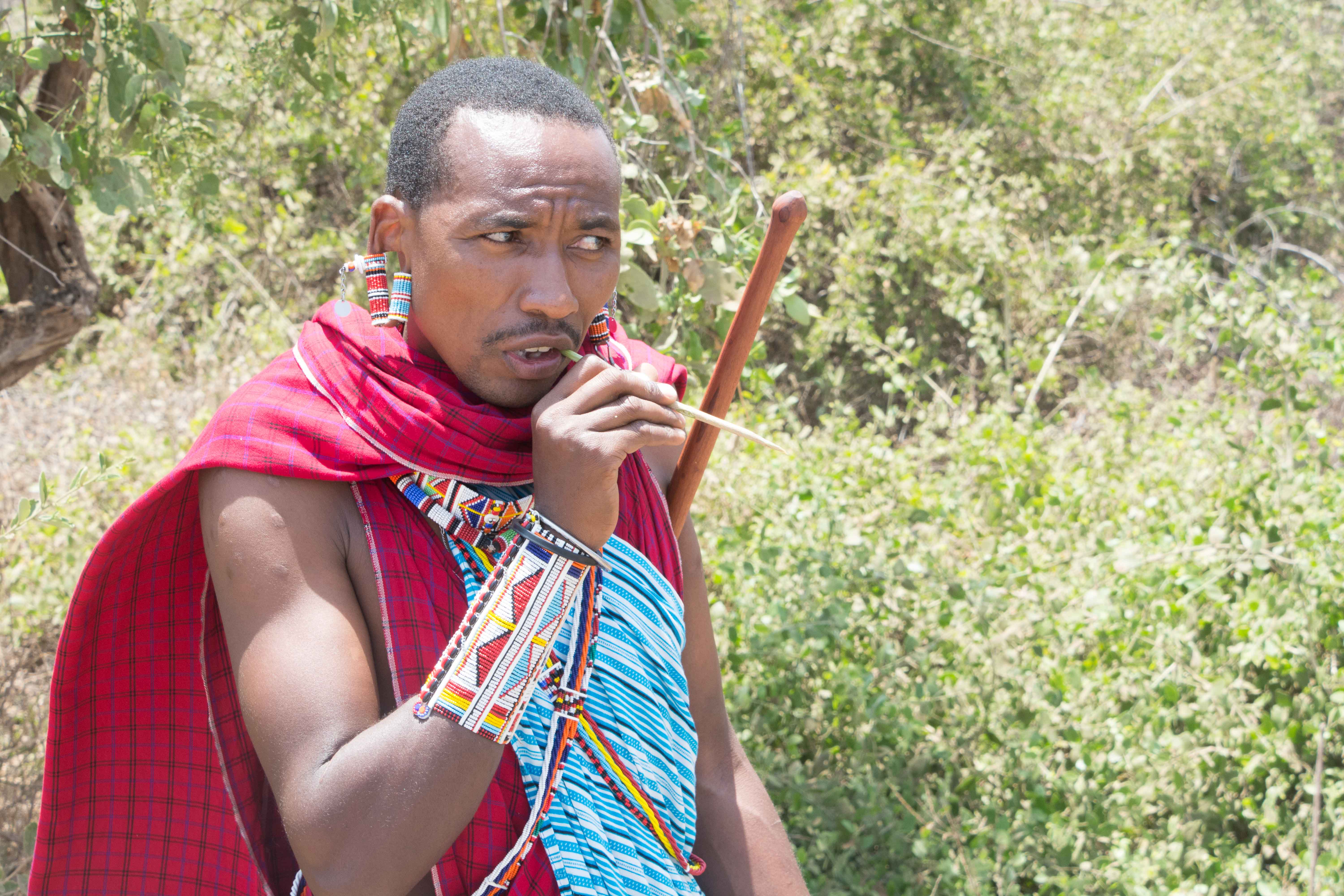
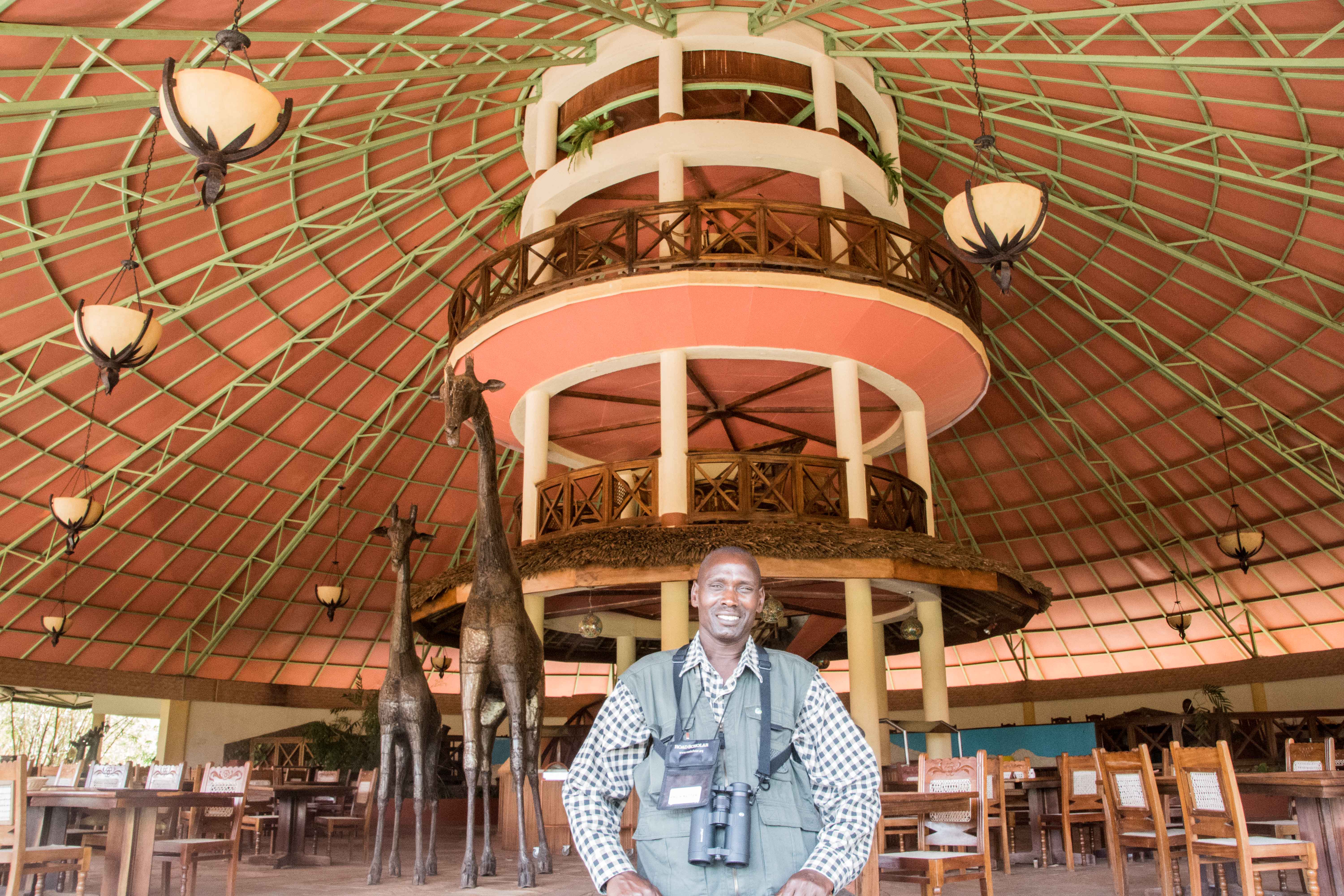
We learned a lot about eastern Africa from our guide Philip Keter. He was joined after his talk by a Masai tribesman dressed in the traditional costume, and the two took us around the perimeter of the hotel compound and showed us some of the bones kept near the signs, and some of the plant life that grew within its confines.

20150924-DSC_0525 20150924-DSC_0531

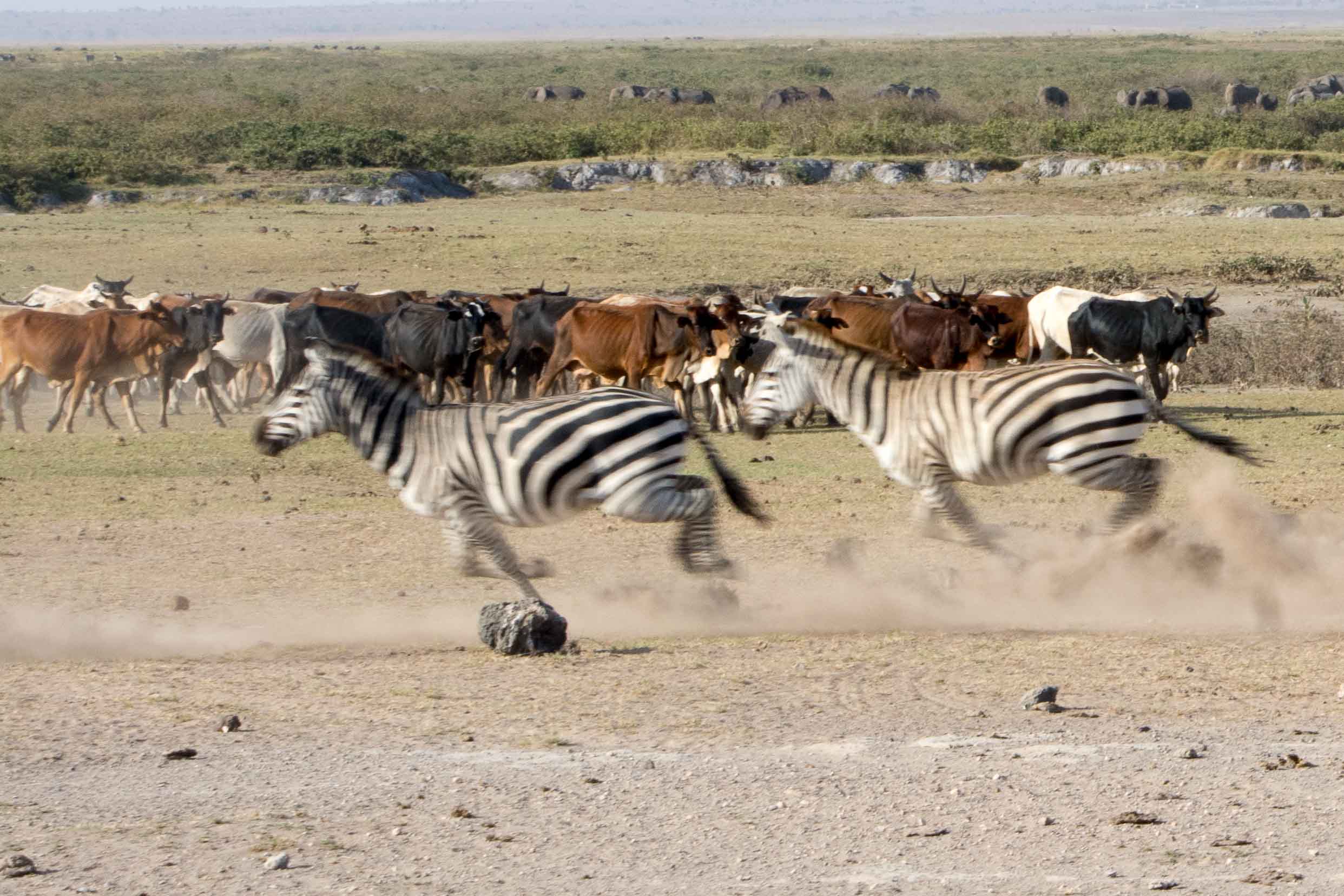
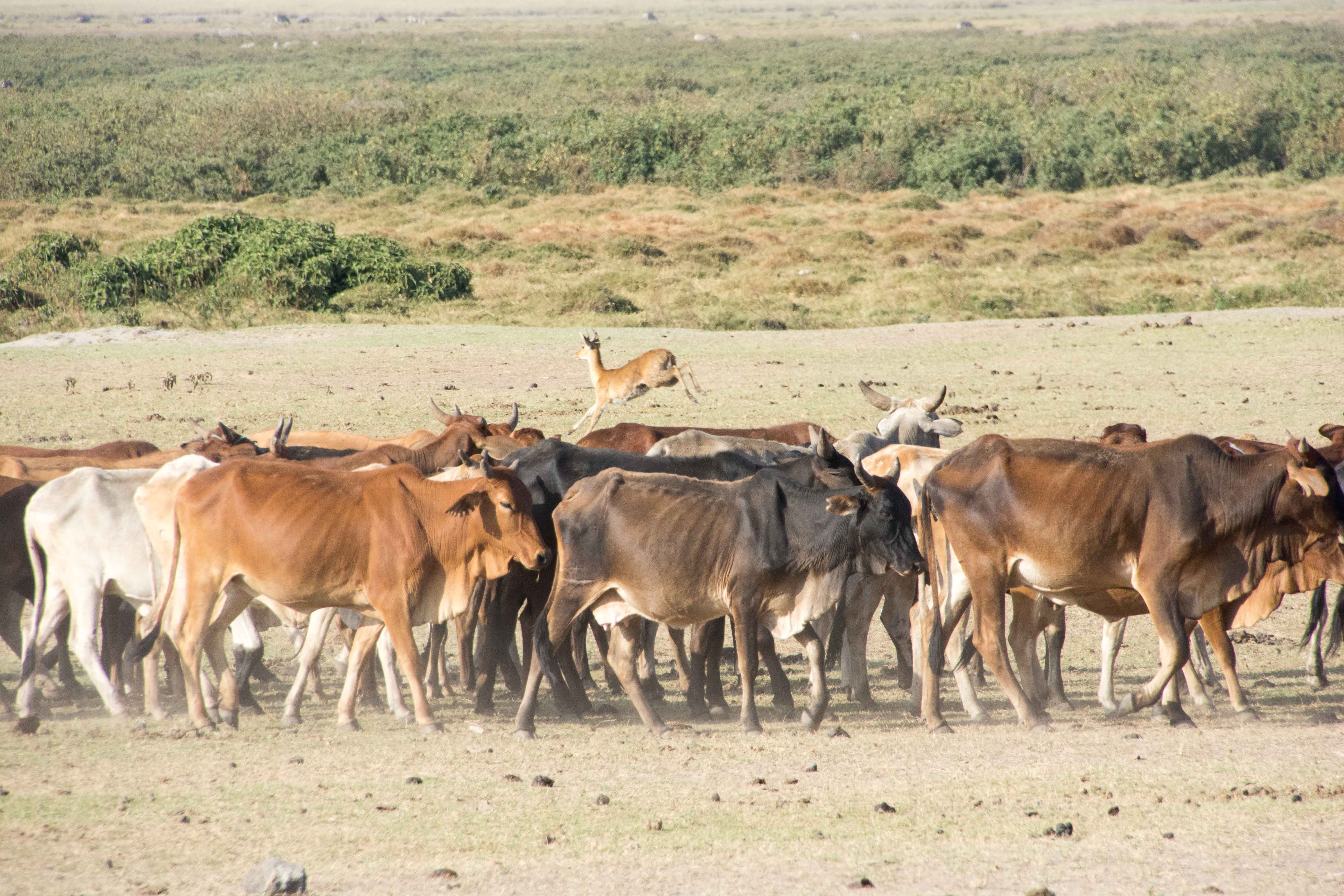
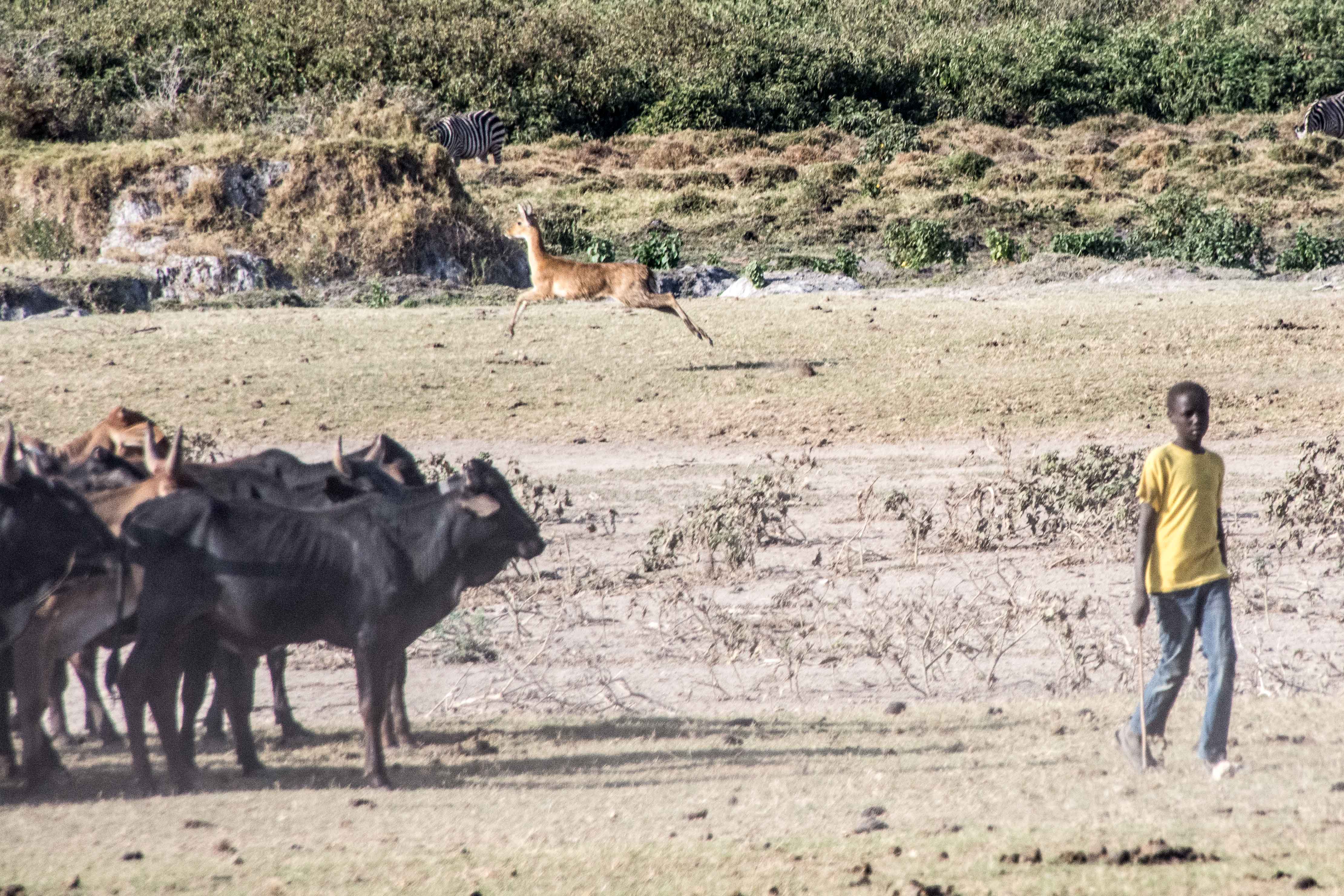
The Masai groups traditional occupation is livestock, which now means cattle, sheep, and goats.  As we travelled in the park, we saw a large such herd that had permission to forage in the park, overseen by younger boys who were off from school as the result of a teachers’ strike.

20150924-DSC_0592 20150924-DSC_0604 20150924-DSC_0605

Tomorrow promises to enable us to see even more animals!

Leave a comment

Filed under Blog, Travel to Africa

Fabulous Trip to Africa, 22 Sep to 4 Oct 2015, The Beginning

Off we go on another trip!  This time our goal was the Great Migration in the plains of Kenya and Tanzania.  Once again we were in the capable hands of Road Scholar, and with Gwen’s great aid in getting us ready (a much more complicated process than going to Europe, for example, what with visas, immunizations, and clothes requirements), we flew first to London (on 17 Sep) to see relatives and friends, a play (“Kinky Boots”), and to time-adjust partially.

On 22 Sep, we got on our British Airways flight, joined by Gwen’s great friend, Gretchen Hurlbert, and traveled the 8 hours to Nairobi.

It was a pleasant journey, and a nice introduction to business class on British Air. The food was great, the service as well. The two ladies each had seats next to the windows, and those turned out to be cold enough to where they commented on it, but the aisle seat I was in was “just right”. We got in as scheduled, late in the evening, and shortly met up with our tour guide, Philip Keter and the driver Charles after we got through the usual customs and passport control dance and picked up our bags from the carousel. We also met the other pair we are to tour with, Dee and Bruce Dwelley, from Northern California.  The group of us got along really well throughout, and so the tour was very successful in this way.  Philip and Charles took us to the Eka Hotel about half an hour away from the airport, and there is where we stayed the rest of the night.

Wed 23 Sep: Nairobi to Amboseli Park, and out on our first safari

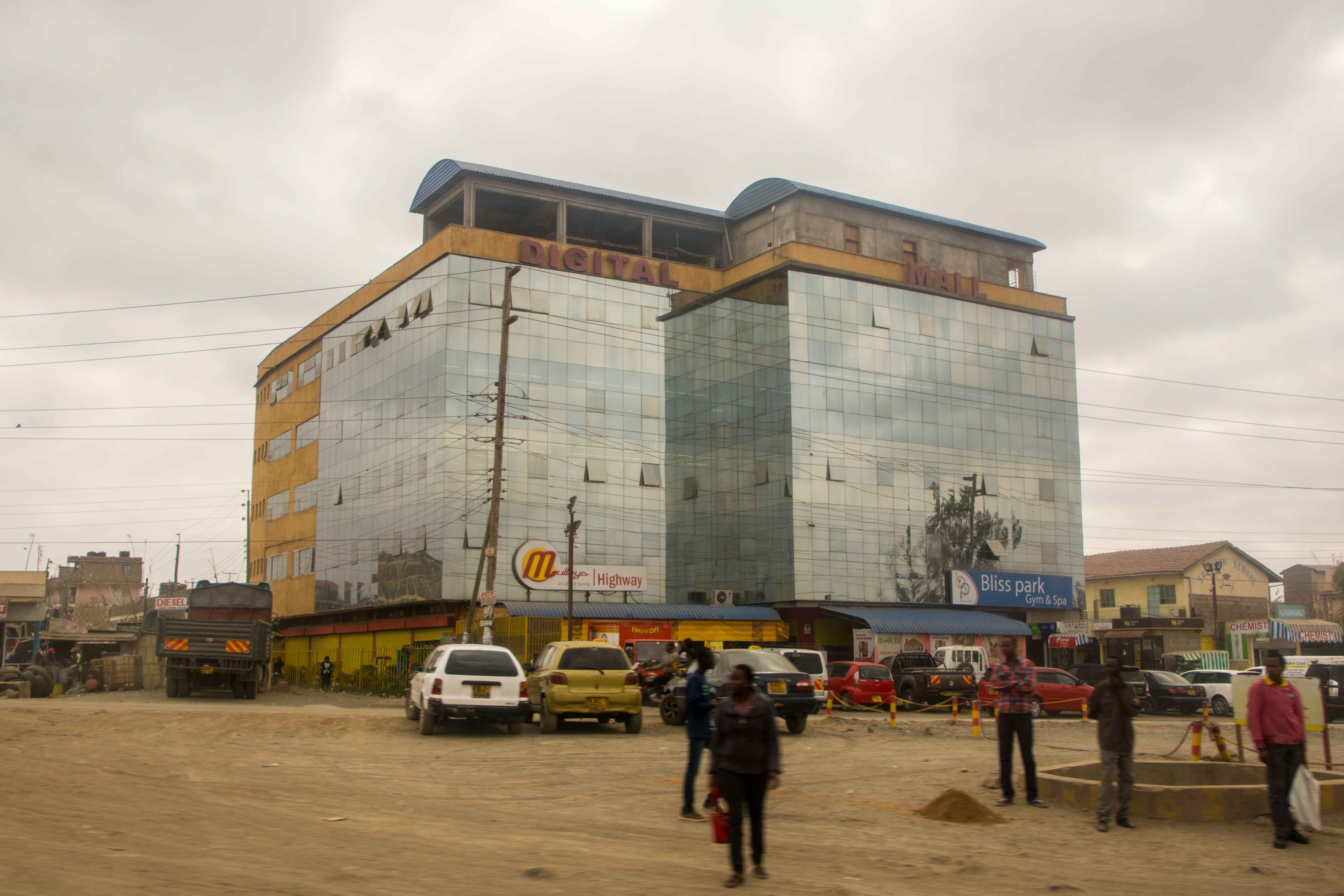
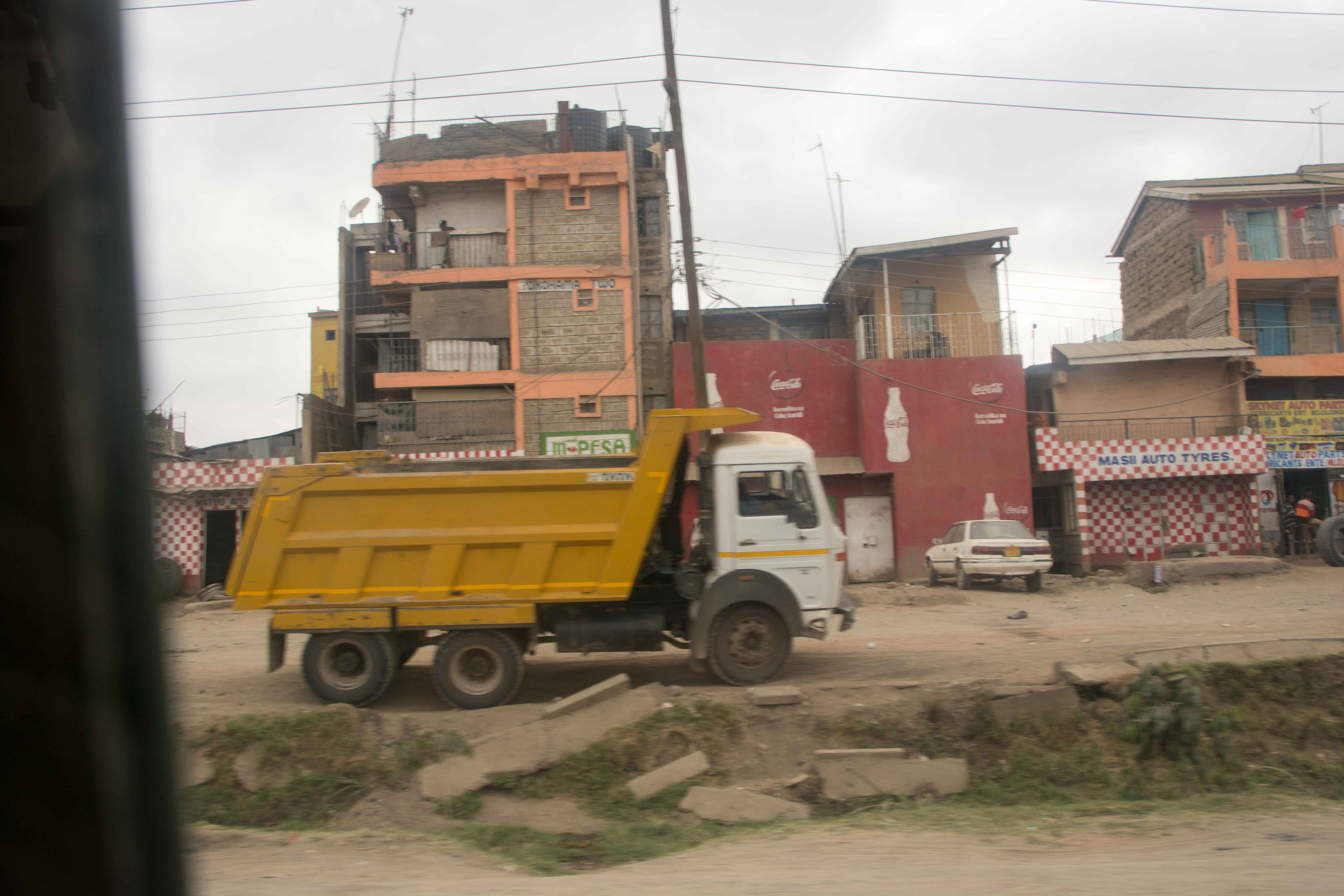
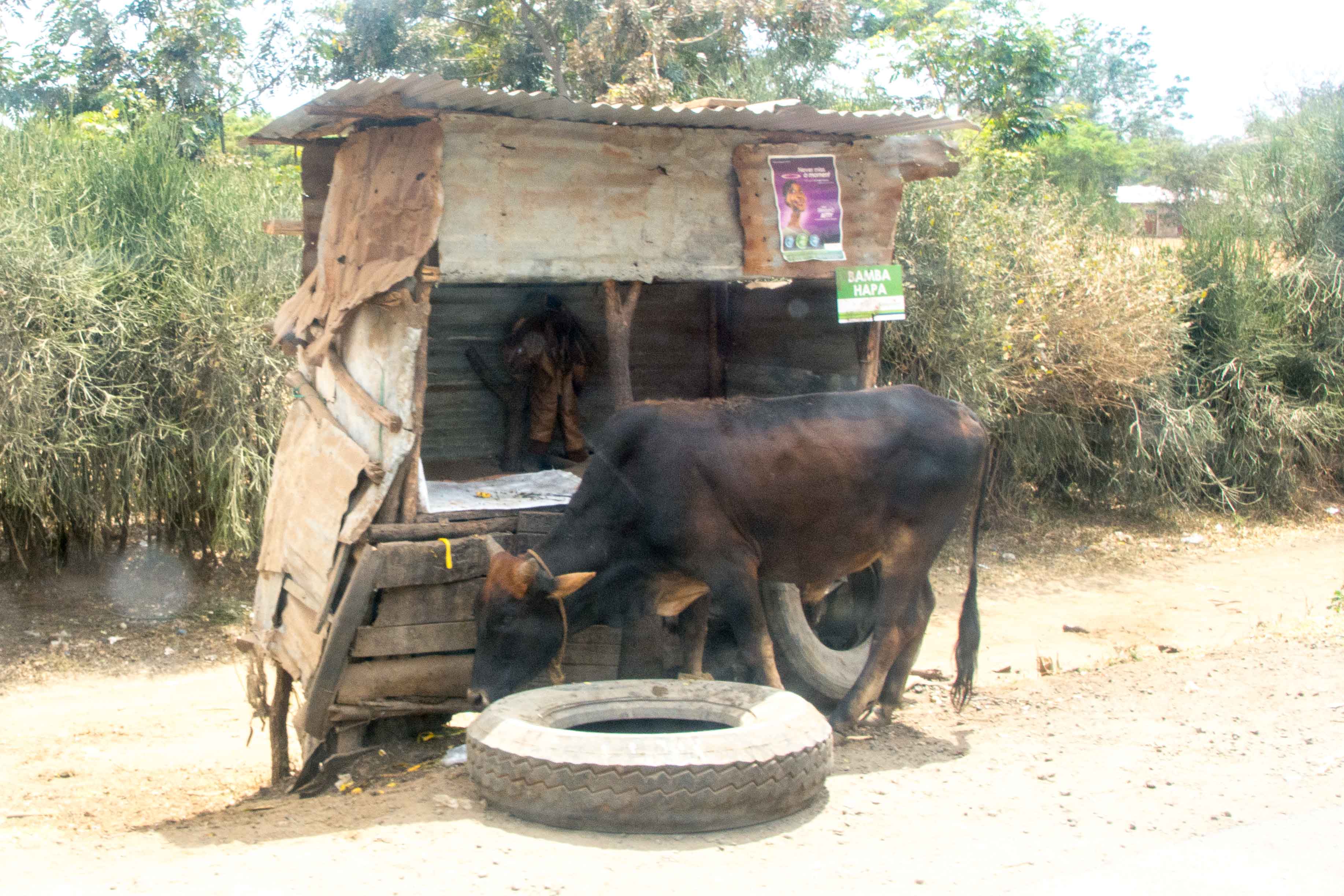
In the morning, we arose and after a very pleasant breakfast buffet, packed ourselves into the van that was to be our safari ride for the next few days, and off we went. The trip to Amboseli Park took four hours, and had a variety of very interesting sights as we moved from Nairobi urban life through its gradually thinning suburbs, and finally out to the rural farm land and the small town markets that exist near Amboseli.

The Amboseli Park area is quite something, and we are glad we made it! (We learned that evening that the park is over 350 square kilometres.)

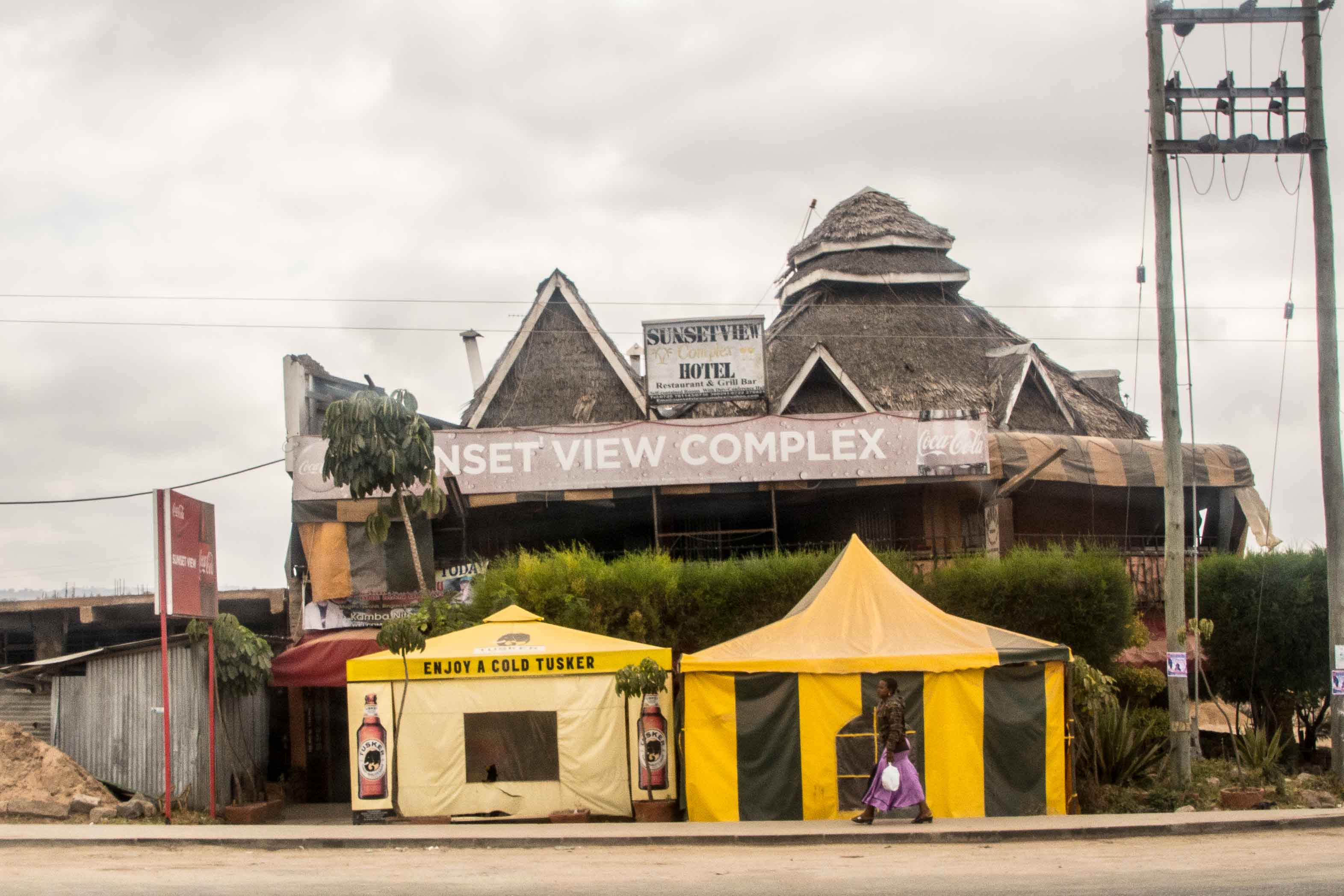
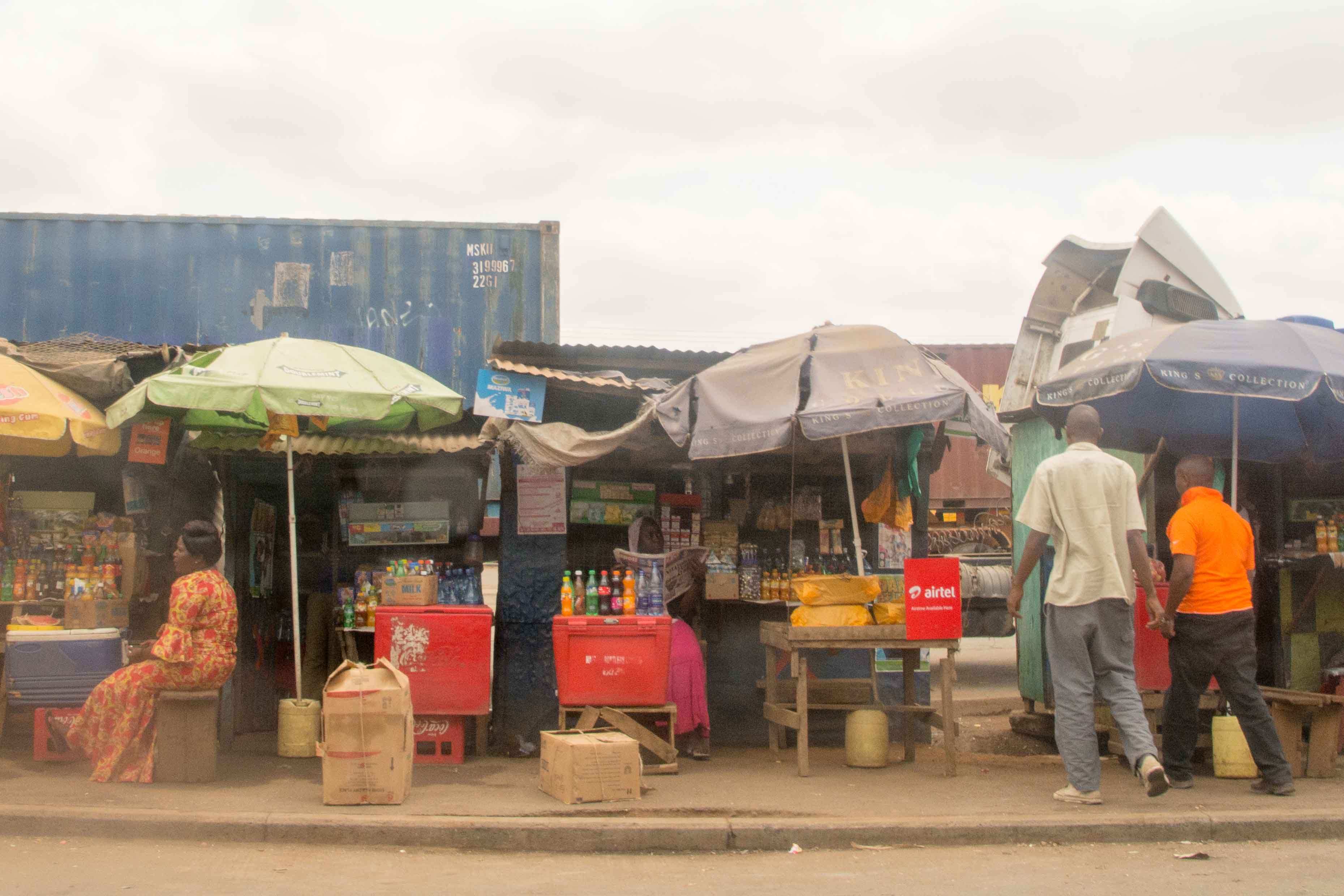
The trip to the park kept me interested most of the time (as opposed to sleeping, which is what I thought I would be doing). The buildings we passed through as we moved out of the hotel’s location on the outskirts of Nairobi proper are not high rise, getting to three or four floors only. The bottom floor fronted a number of businesses, not unlike those found all over Europe. These included car dealerships, grocery stores, bars, hotels, taverns, hardware markets, and a variety of specialty consumer shops including electronics and furniture, as well as the occasional lawyer’s office or something business-to-business.

20150923-DSC_9819 20150923-DSC_9822 20150923-DSC_9821

The business that Phillip said delineated the outside of town was the cement manufacturing plant. Indeed that took a lot of space, and was quite clear to see. Other manufacturing concerns filled in the area around and after it, however. I have to give him credit, things began to be more suburban after that. More housing, street markets, and so on.

20150923-DSC_9850 20150923-DSC_984820150923-DSC_9840

As we got further out, the space between the small towns expanded. The trip itself took all of the four hours, with the look-and-feel of the place not really fully changing until we took off on the side-road to Amboseli’s entrance and our hotel which is just outside the entrance.

20150923-DSC_9876 20150923-DSC_9873 20150923-DSC_9868

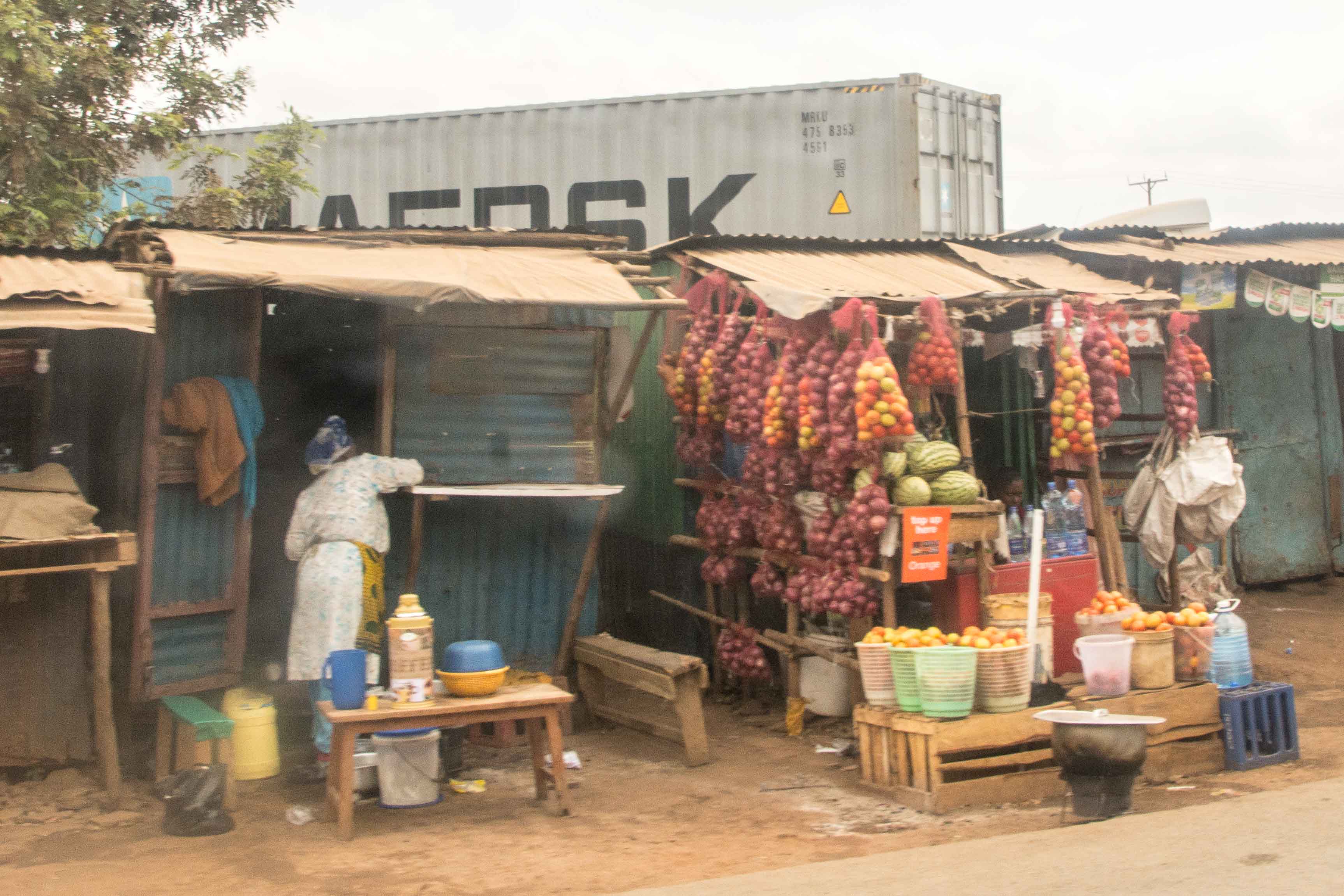
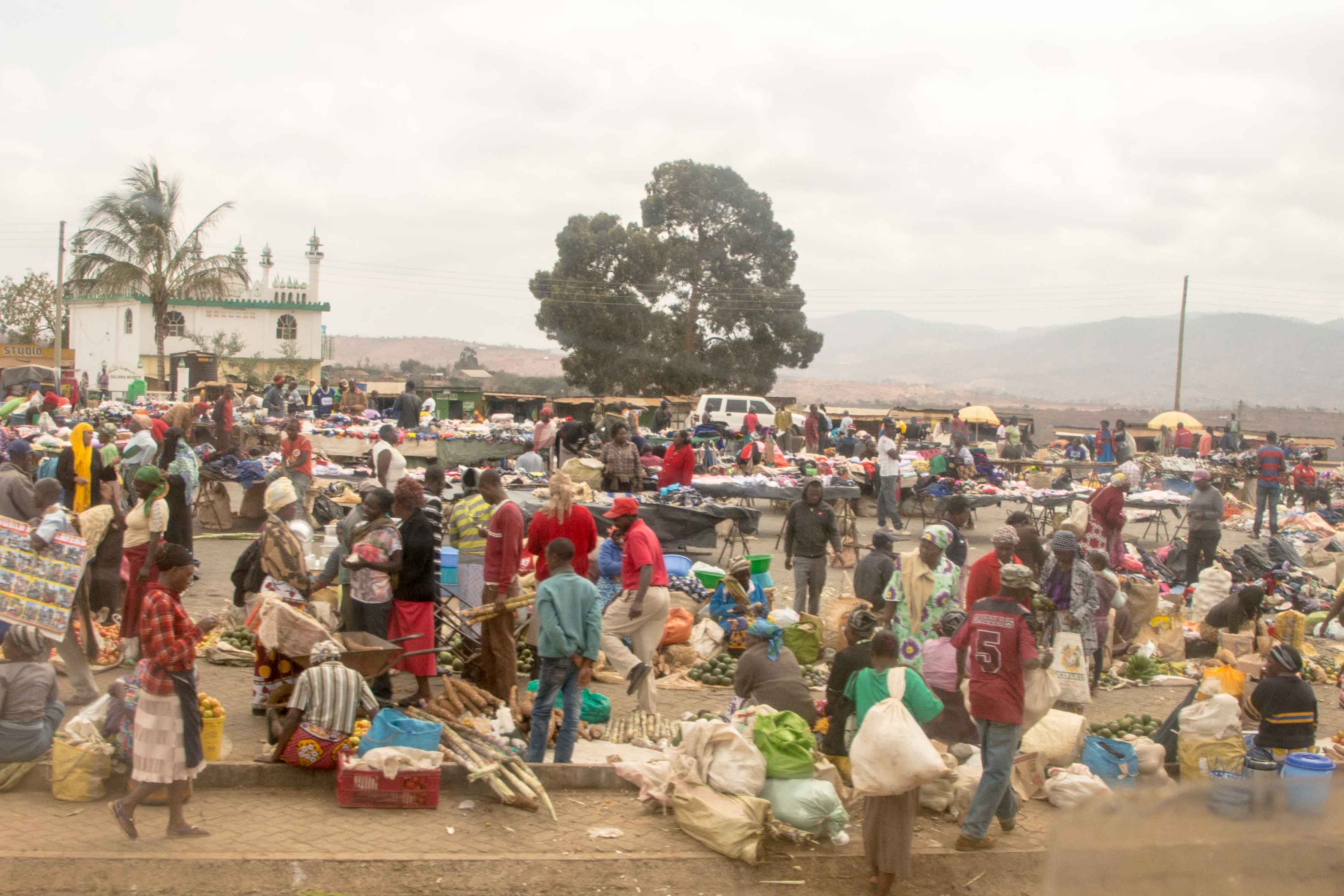
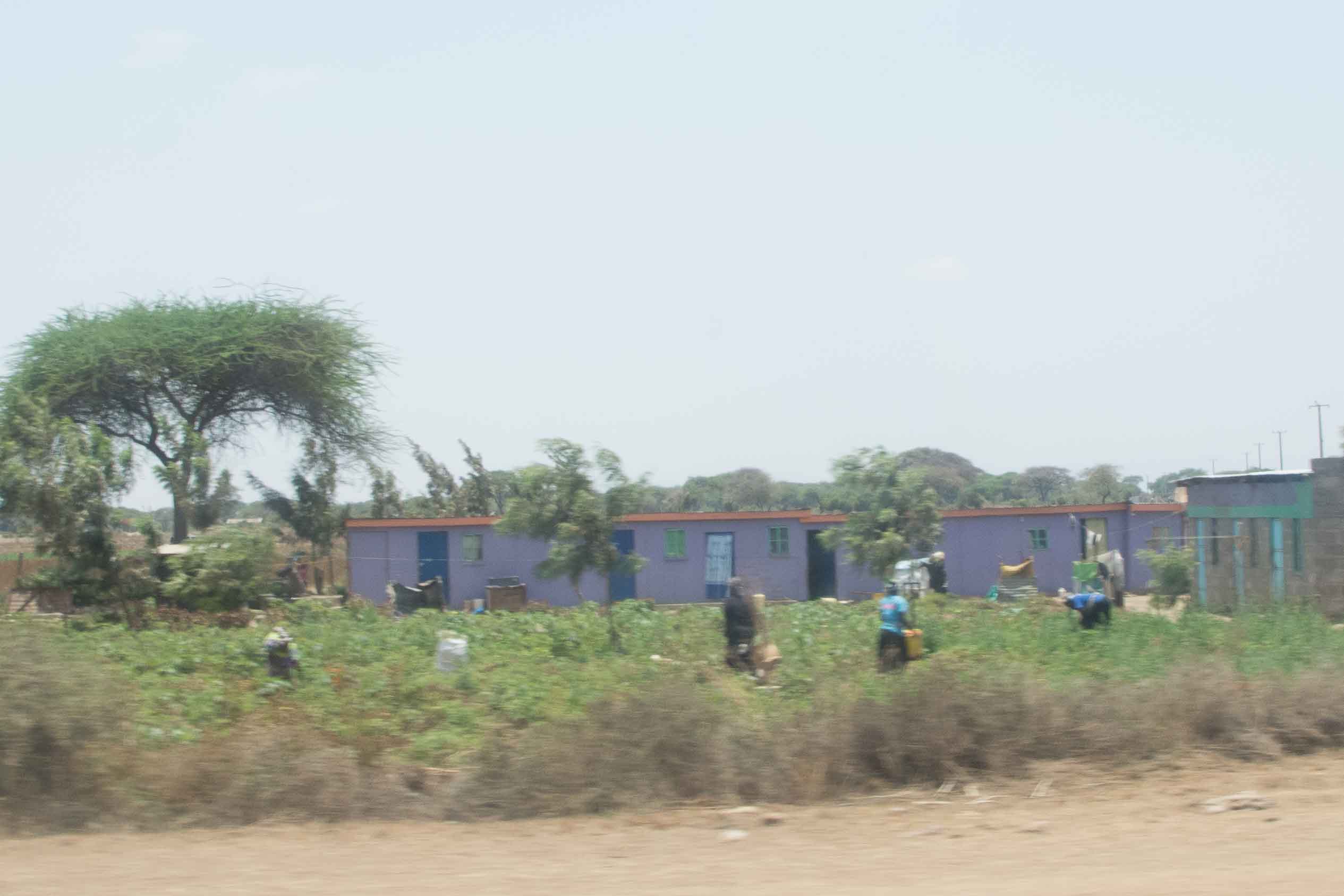
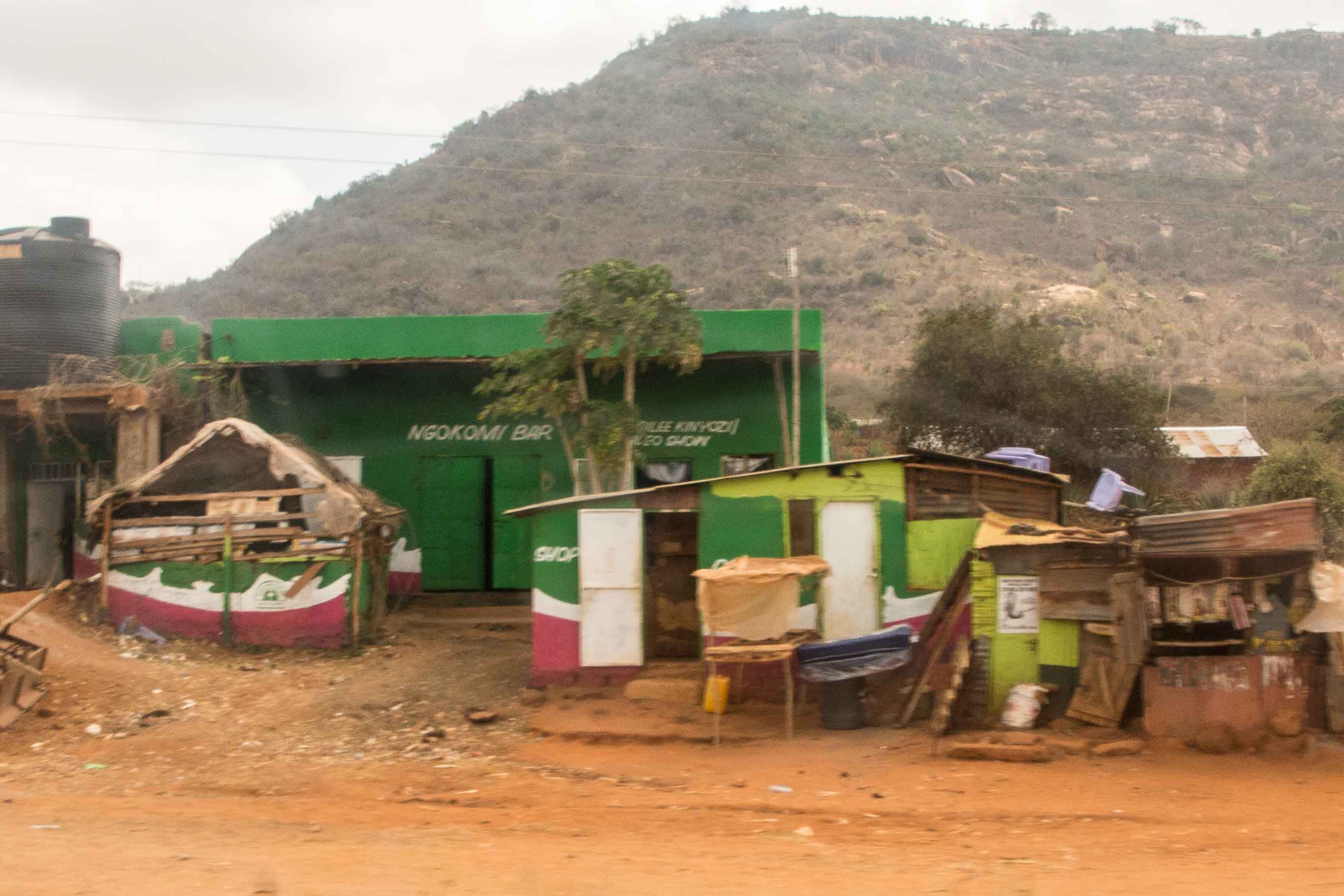
The markets were probably the most interesting. One of the first we saw was indeed market day for all the surrounding area. There were numerous stalls each selling something different (well, many stalls sold onions apples tomatoes and squash in one form or another). The market fronted more established shops which were housed in ramshackle rectangles often of tin or wood, with hand-panted signs indicating the goods to be found within. These shops continued for several city blocks in either direction from the market square, and appeared to fold back behind the front lines offering more than one street of these kinds of shops. As we continued on, the number and quantity of housing types decreased, as well as the actual number of houses of each type. The markets were to be found where the main drag used speed bumps to slow traffic to a stand still — just long enough to allow the potential customers in the vehicles to get a good eyeful of the merchandise on offer by the purveyors walking between the lanes and holding their wares up to the windows for those inside the vehicles to view.

20150923-DSC_9860 20150923-DSC_9901

20150923-DSC_9863

The last 10 to 15 kilometres were driven at breakneck speed by Charles along the corrugated dirt road from that turnoff through to Amboseli Park. He later explained that driving as fast as he could over the corduroy road forced the car to skate over the top of the corduroy strips essentially smoothing the ride out for the car and the passengers. It’s a good theory…

We arrived safe and sound, and disembarked from the van in front of the Kilima Hotel. After checking in, Phillip sent us off to our rooms to freshen up and gather as soon as we could at the lunch table. We did, and enjoyed our lunch with the group of us.

Philip Keter, our guide for the trip., Amboseli Safari Hotel

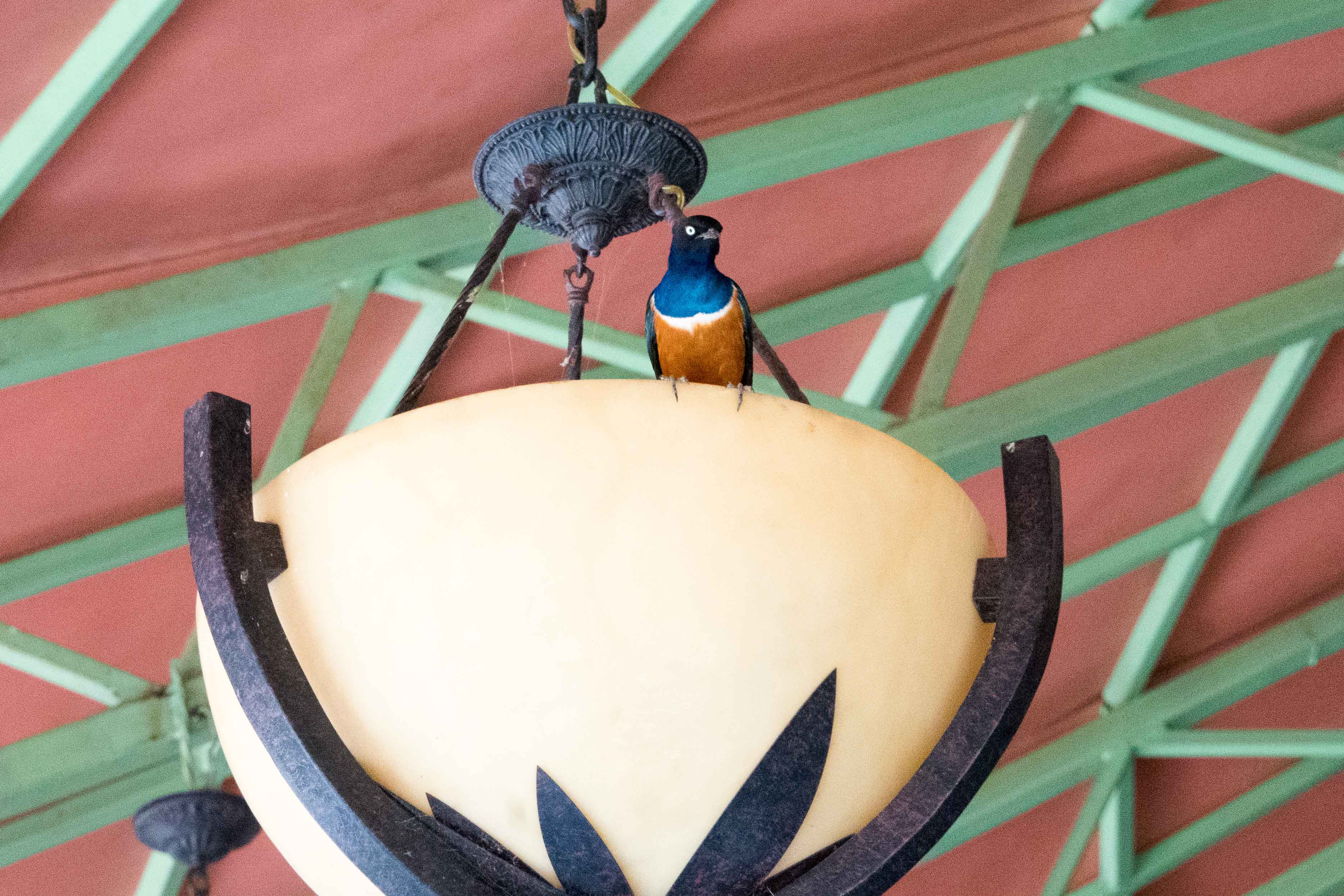
Superb Starling, Amboseli

20150923-DSC_9970

White-Headed Buffalo Weaver

20150923-DSC_9955

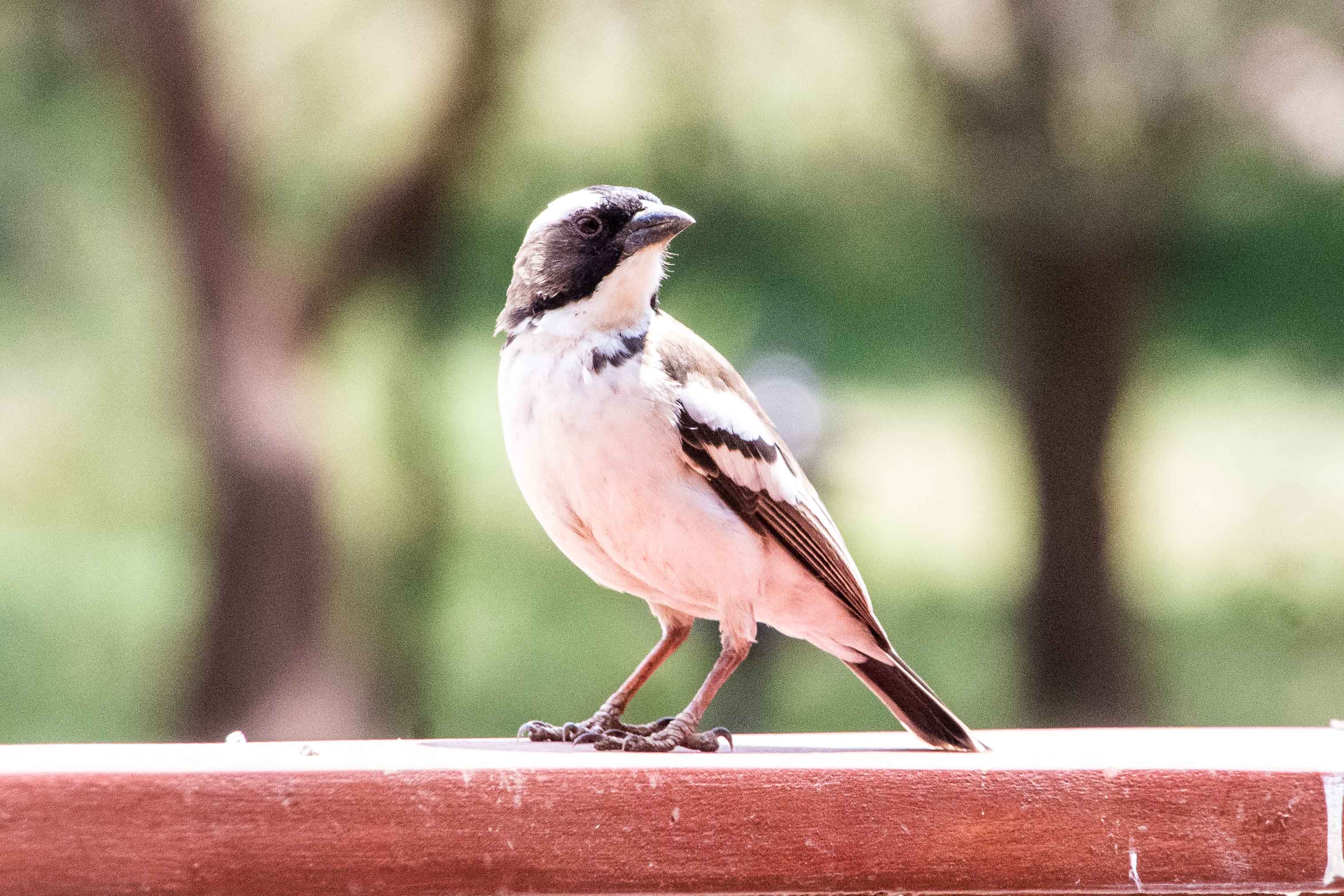
White-Browed Sparrow-Weaver

20150923-DSC_9998

Above the restaurant in the hotel is a look-out overseeing a small pond. Today, elephants were enjoying it.

Starting at 4:00, we got in the slightly reconfigured van (it’s top was up) and into the park we went.

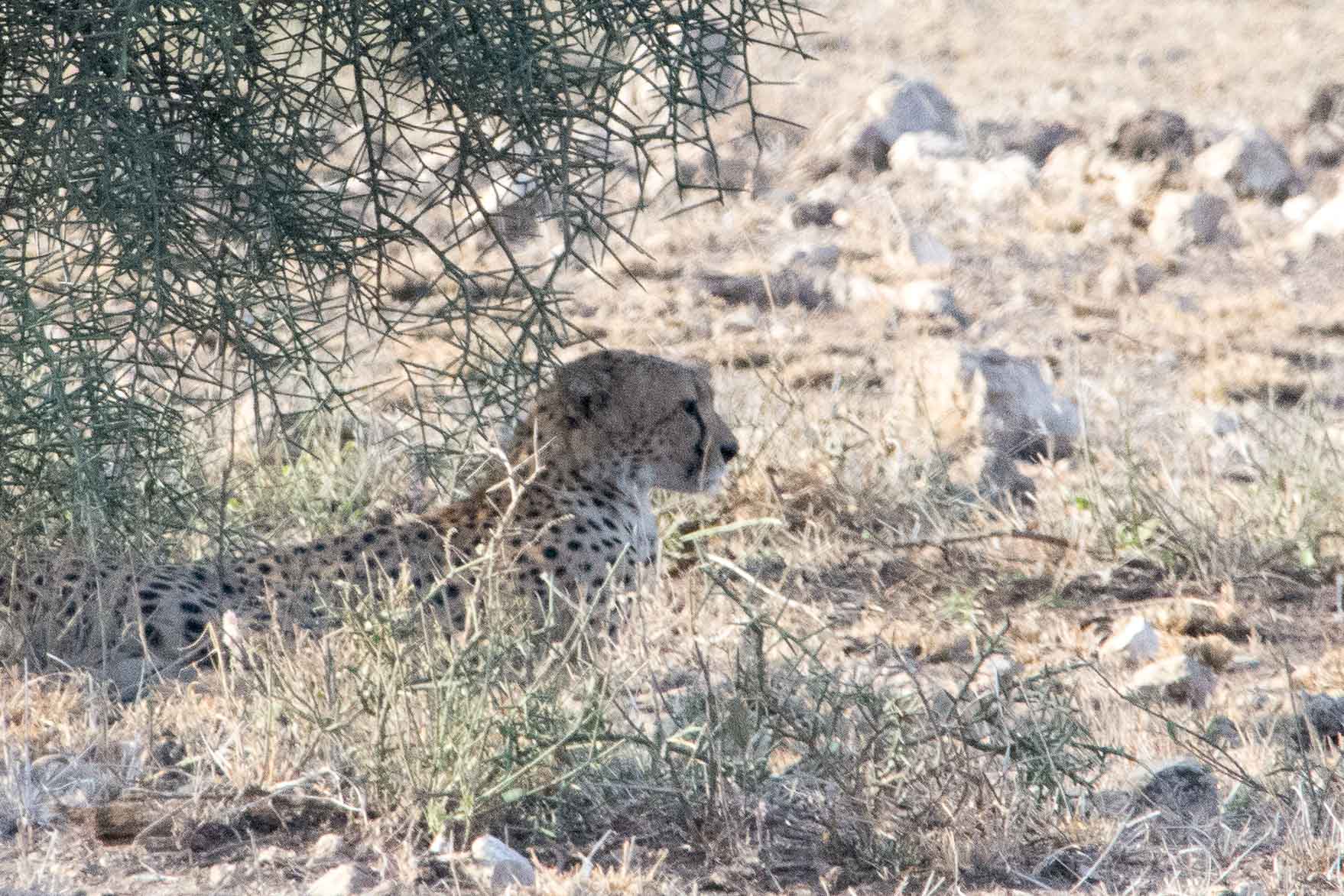
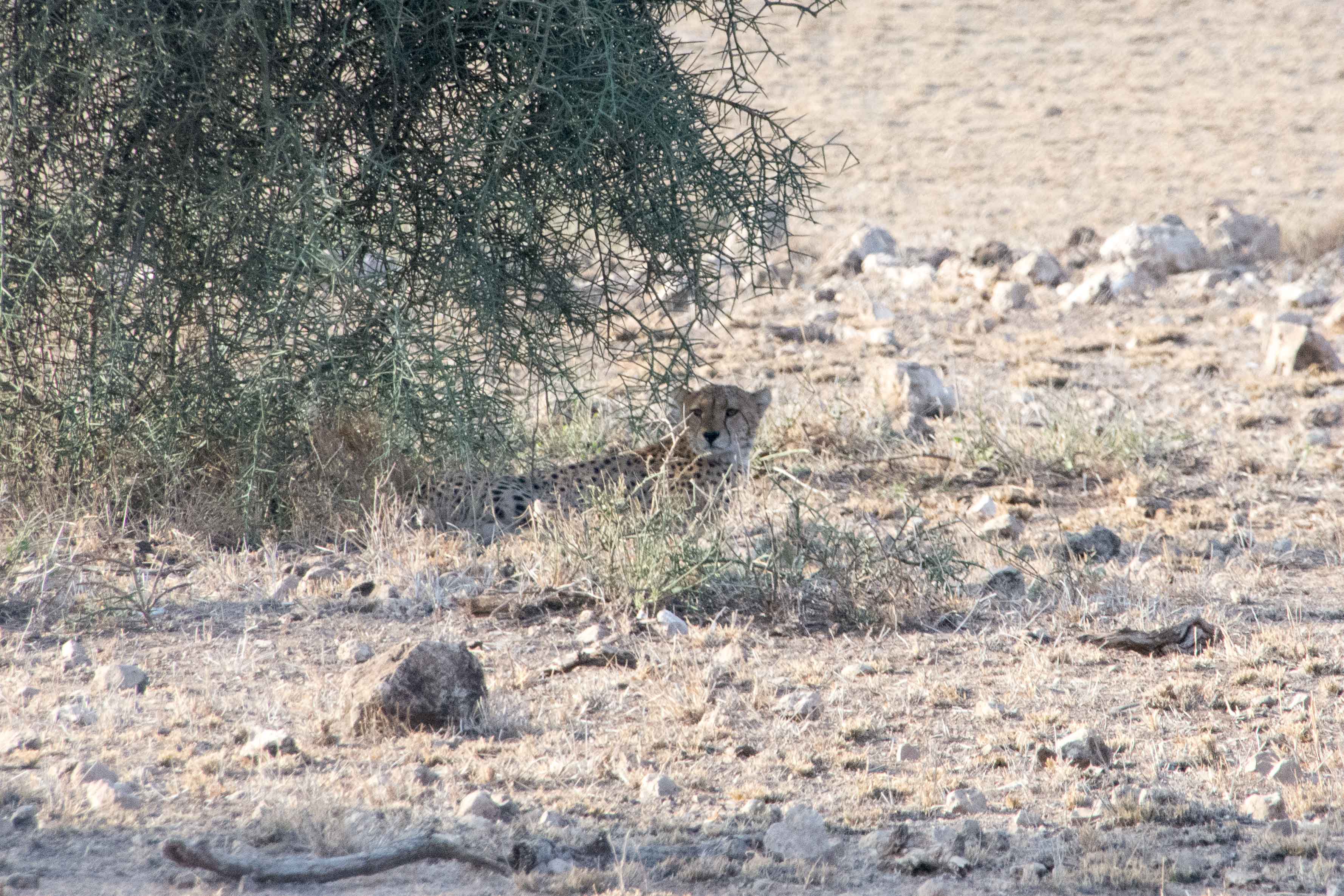
That proved to be an excellent start to the adventures ahead, enabling us to see elephant, Grant’s Gazelle, giraffe, wildebeest, zebra, warthogs, an eagle, and even a cheetah and a lion.

20150923-DSC_0021 20150923-DSC_018220150923-DSC_0143 20150923-DSC_0134 20150923-DSC_0109 20150923-DSC_0108

Traffic jam in Amboseli Park.

Traffic jam in Amboseli Park.

20150923-DSC_005120150923-DSC_003020150923-DSC_0209

Leave a comment

Filed under Blog, Travel to Africa

Palm Springs, CA to Clarkston, MI, Day 12, 13, 14 May 17, 18, 19

May 17

We get up this morning, get ourselves packed, eat a HI Express breakfast, and head out for St Louis. It’s a four hour trip, and not very exciting. At this point in the journey, we are not very excited by driving anywhere, and this is no exception. We get to St Louis, and try to visit the Campbell house in town. It turns out to be a parade day (Memorial Day parade??), and we (our navigation systems as well as our dead reckoning) are just unable to find a route that gets us past the parade where the Campbell House is. So, giving that up, we come back to the hotel, register, and go looking for the Missouri Civil War Museum in the Jefferson Barracks historical site. This one we find without hindrance. The museum presents its artifacts well and uses them to tell related aspects of Civil War history effectively, but unhappily doesn’t do a good job of helping one see the role Missouri played other than superficially. I am disappointed as my knowledge of the Civil War primarily concerns the battles in the eastern part of the country and the political turmoil centered in Washington, D.C. and Richmond, VA.  I was hoping for some broader enlightenment concerning the war midwestern states, not only the battles but the political and social aspects as they were before, during and immediately after the war.  They do present a video listing some 500 battles that took place in Missouri, but there is no indication (other than number of casualties) of the impact any of these battles had on the people who lived there, or on the broader strife. The best presented material is to be found in the large central room on the main floor.  The artifacts there are well presented, grouped to show their use during the Civil War. In general, I was not as impressed as I thought I would be. We retreat back to the hotel, and then go out to dinner. Tomorrow we’ll go see the Arch, and then it’s time to start for Michigan!

May 18

As advertised, today is the day of the Arch!  The only problems are the traffic into town and the parking once there.

May 2015-9627 May 2015-9622Once we find parking, we walk to the Arch, and I make my way up to the capsule line.  Capsules run up the inside of each of the two legs of the Arch taking those who don’t mind the height to the room at the top.  As it turns out, the room is well closed in, the views to the outside world are through windows in the Arch’s side panels, so there is no feeling of looking over the edge. May 2015-9617 It is high up, however.  Gwen opted out, and well she should – the capsules hold chairs for five people each, with a four foot door closing you in for a four minute ride to the top.

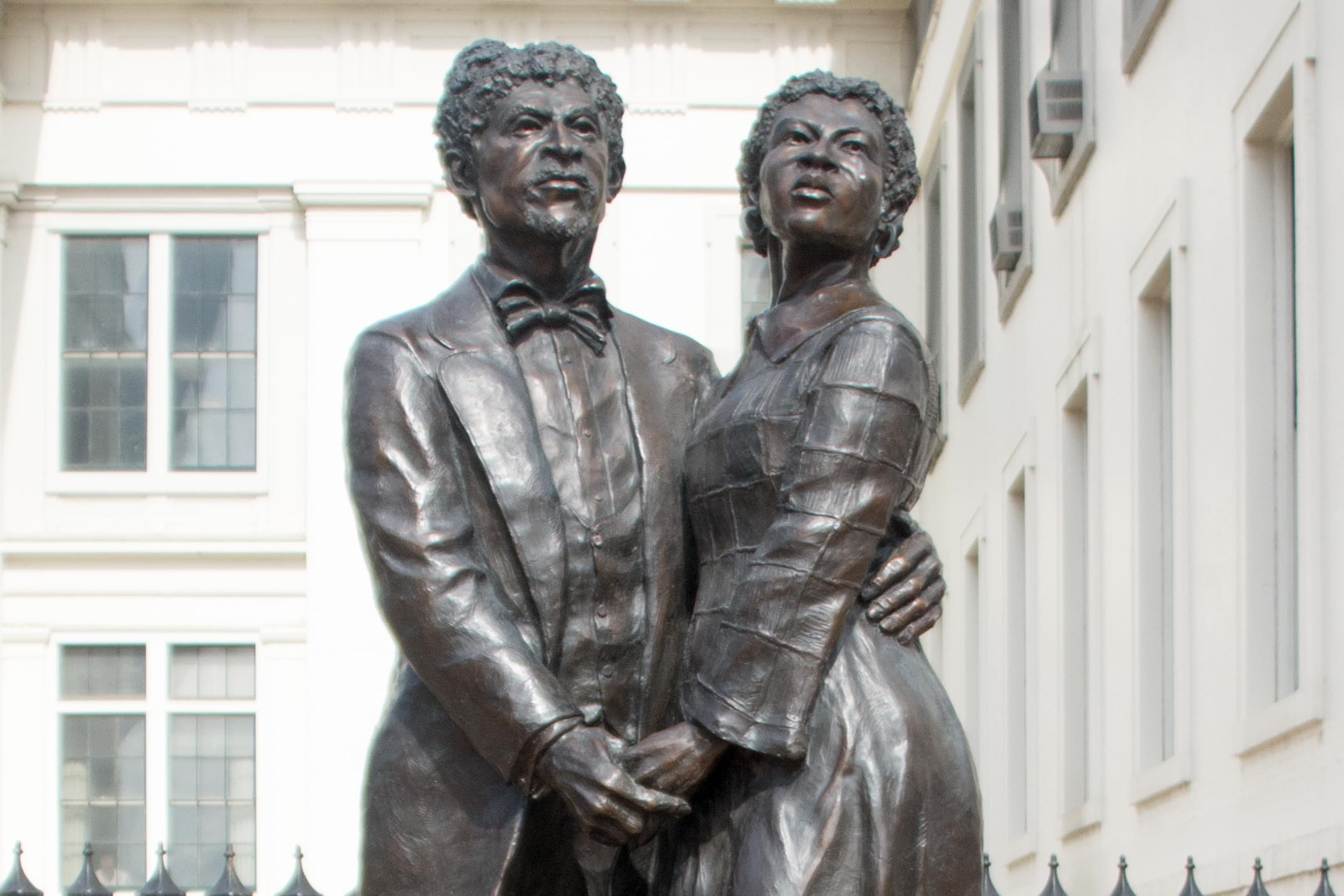
Dred and Harriet Scott

Dred and Harriet Scott

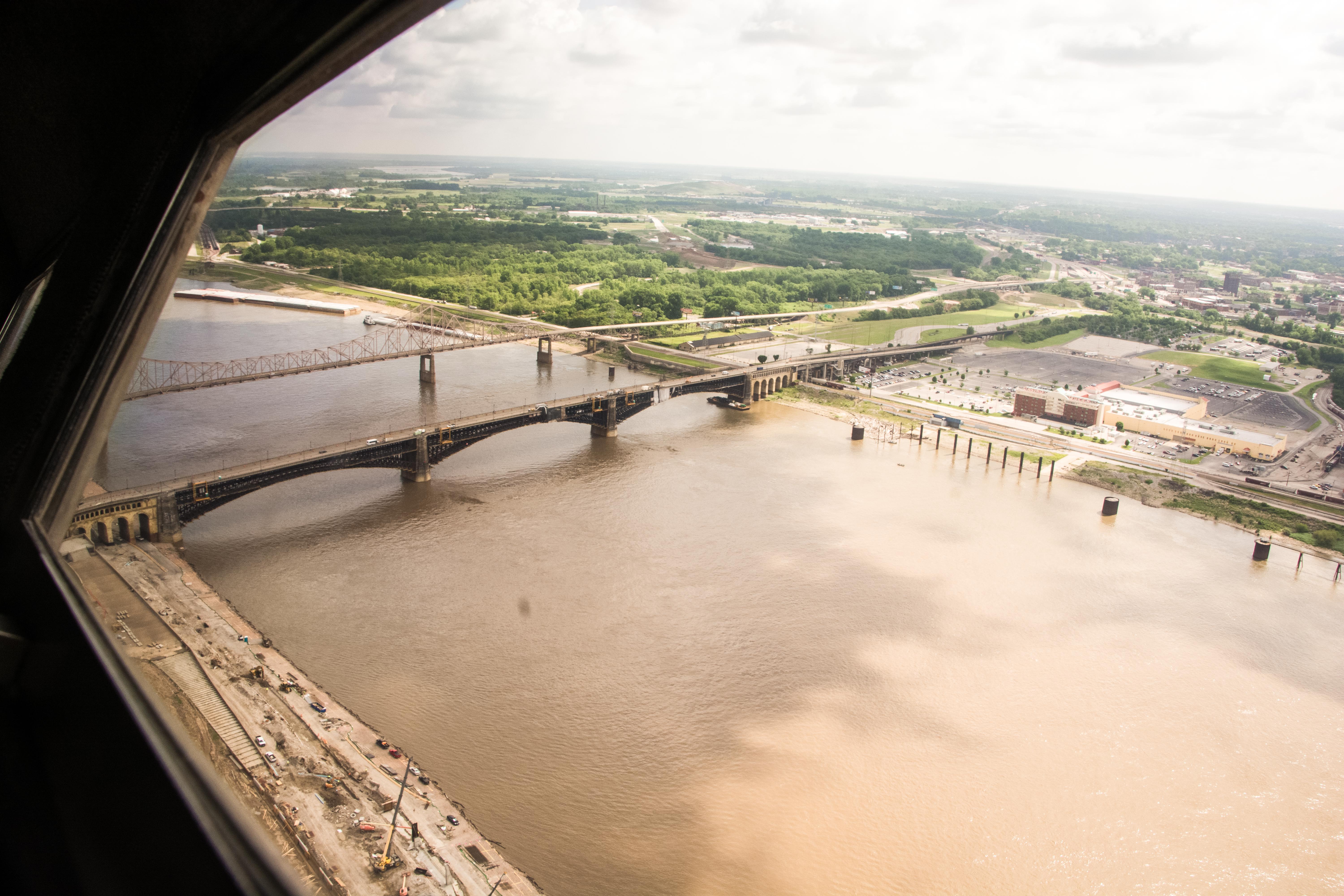
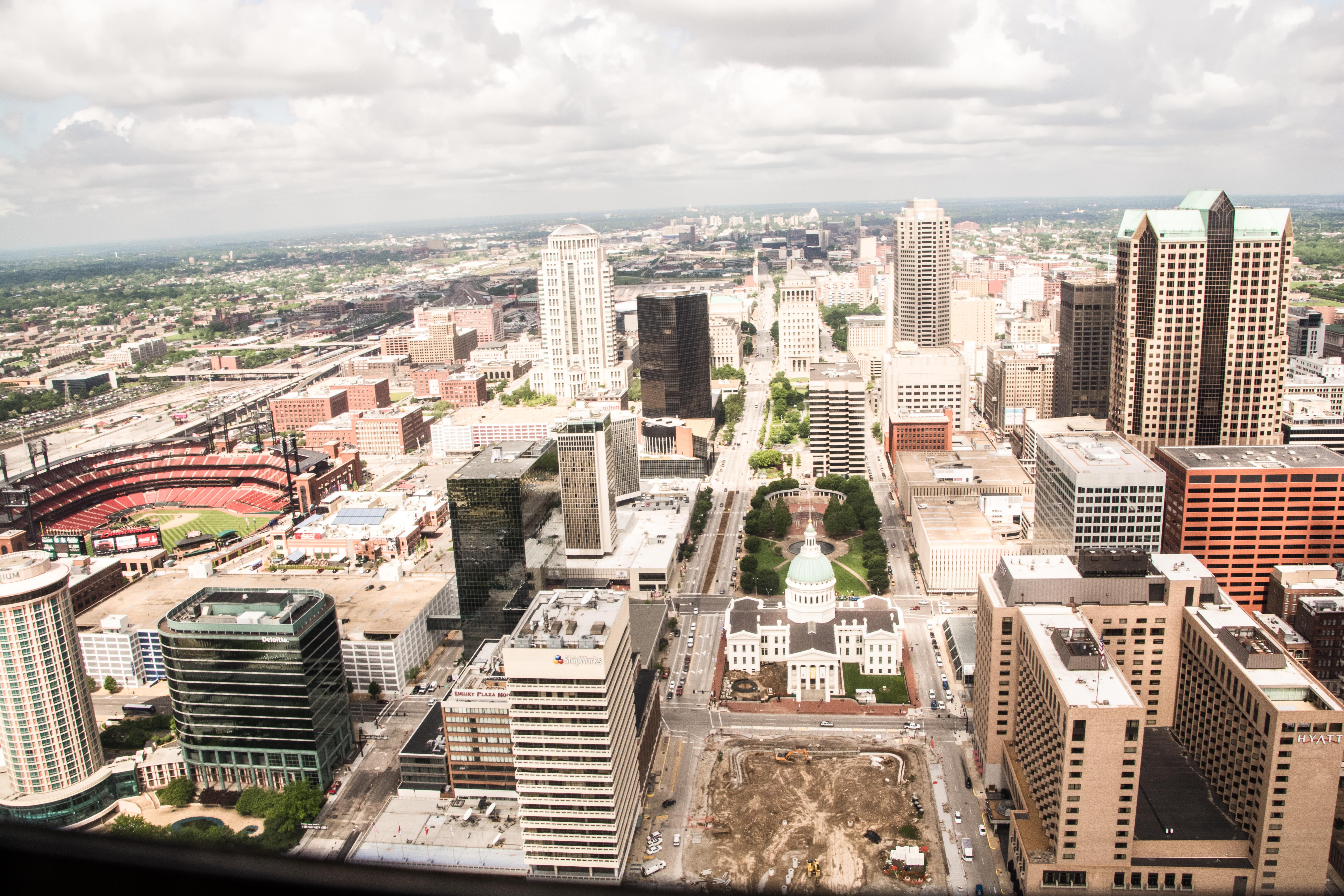
Coming back, they say, takes three minutes, but the capsule does not feel like it is going any faster.  The view from the top is spectacular, with St Louis, its old Courthouse (home of the Dred Scott decision) and Busch Stadium on one side and the mighty Mississippi on the other.

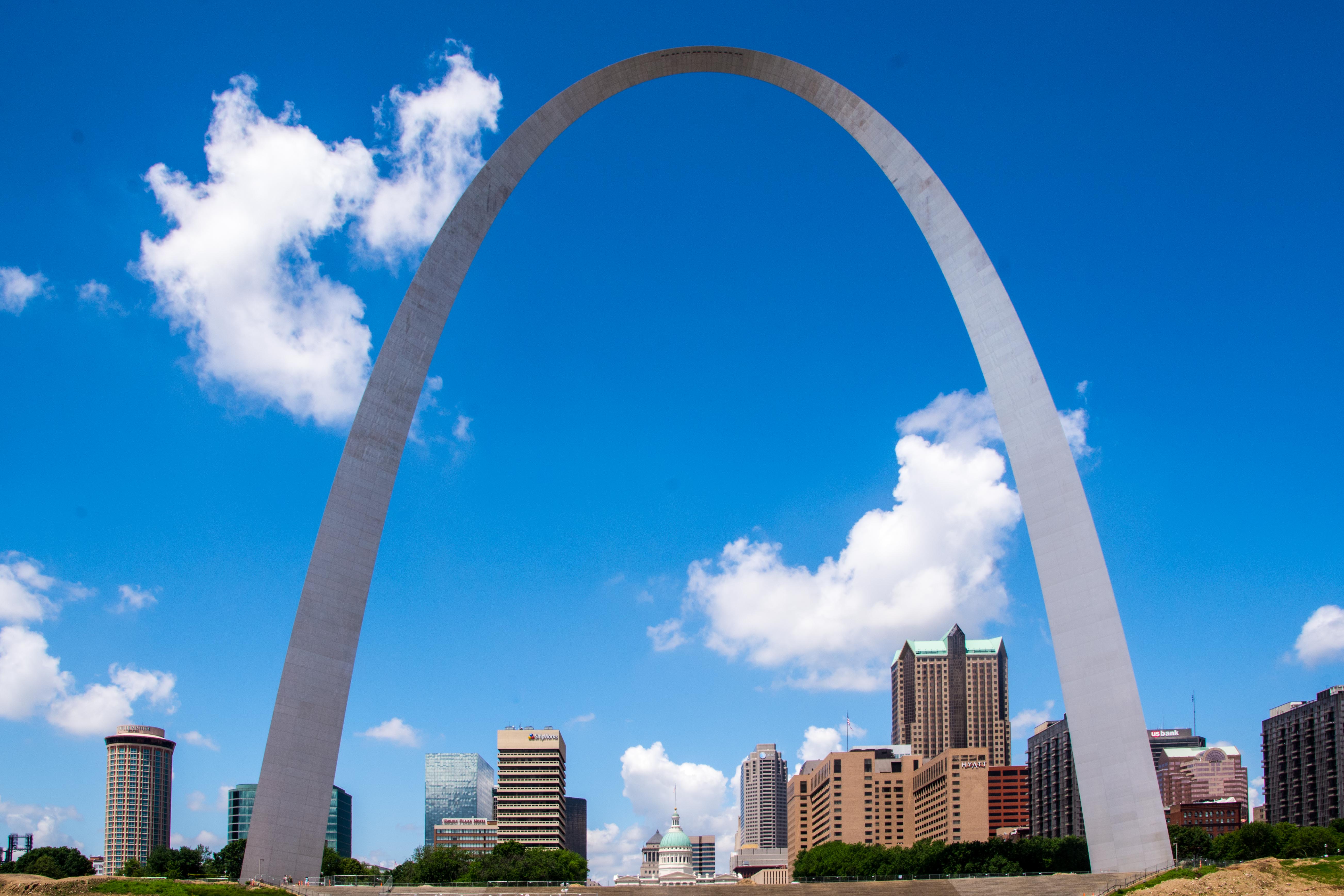
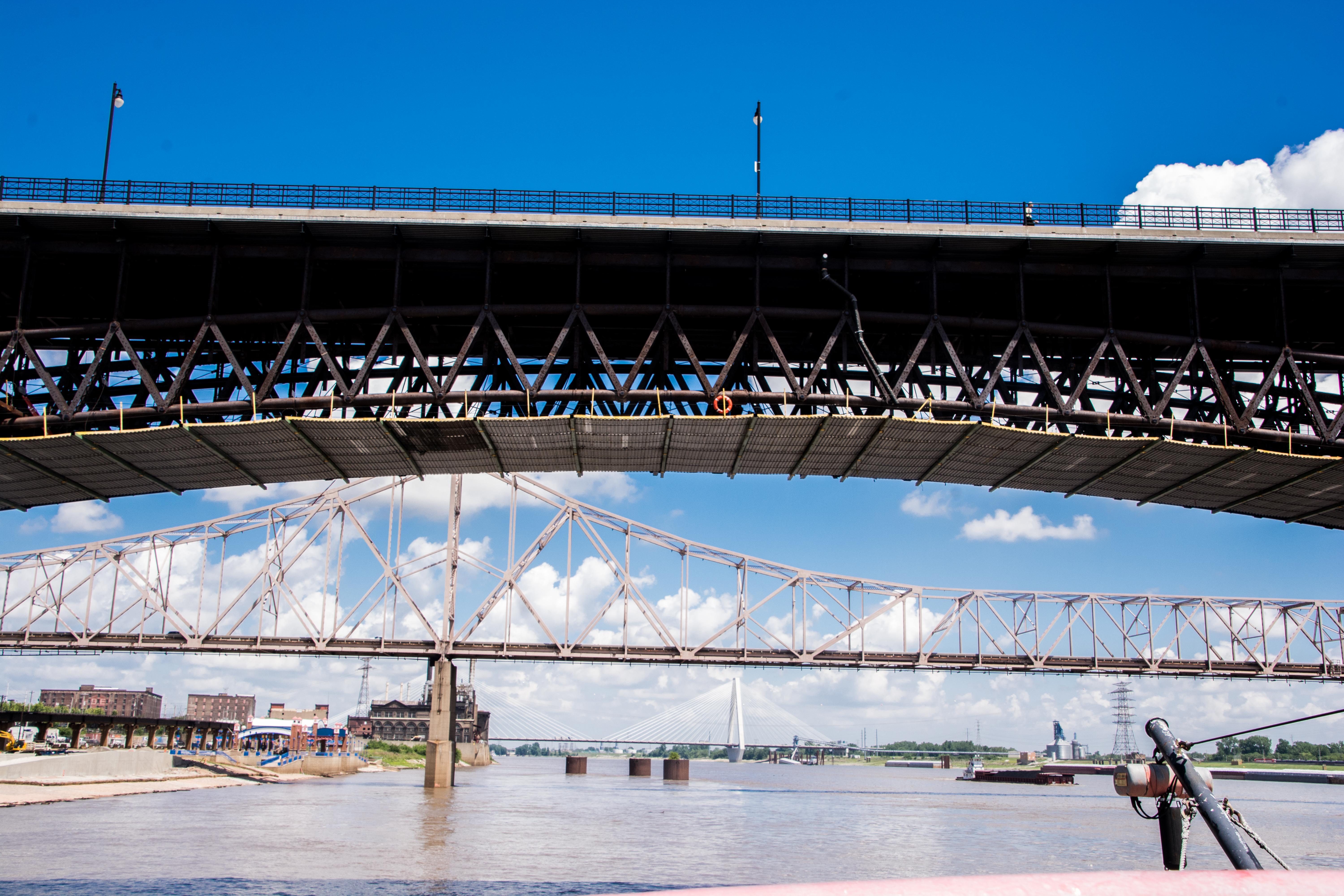
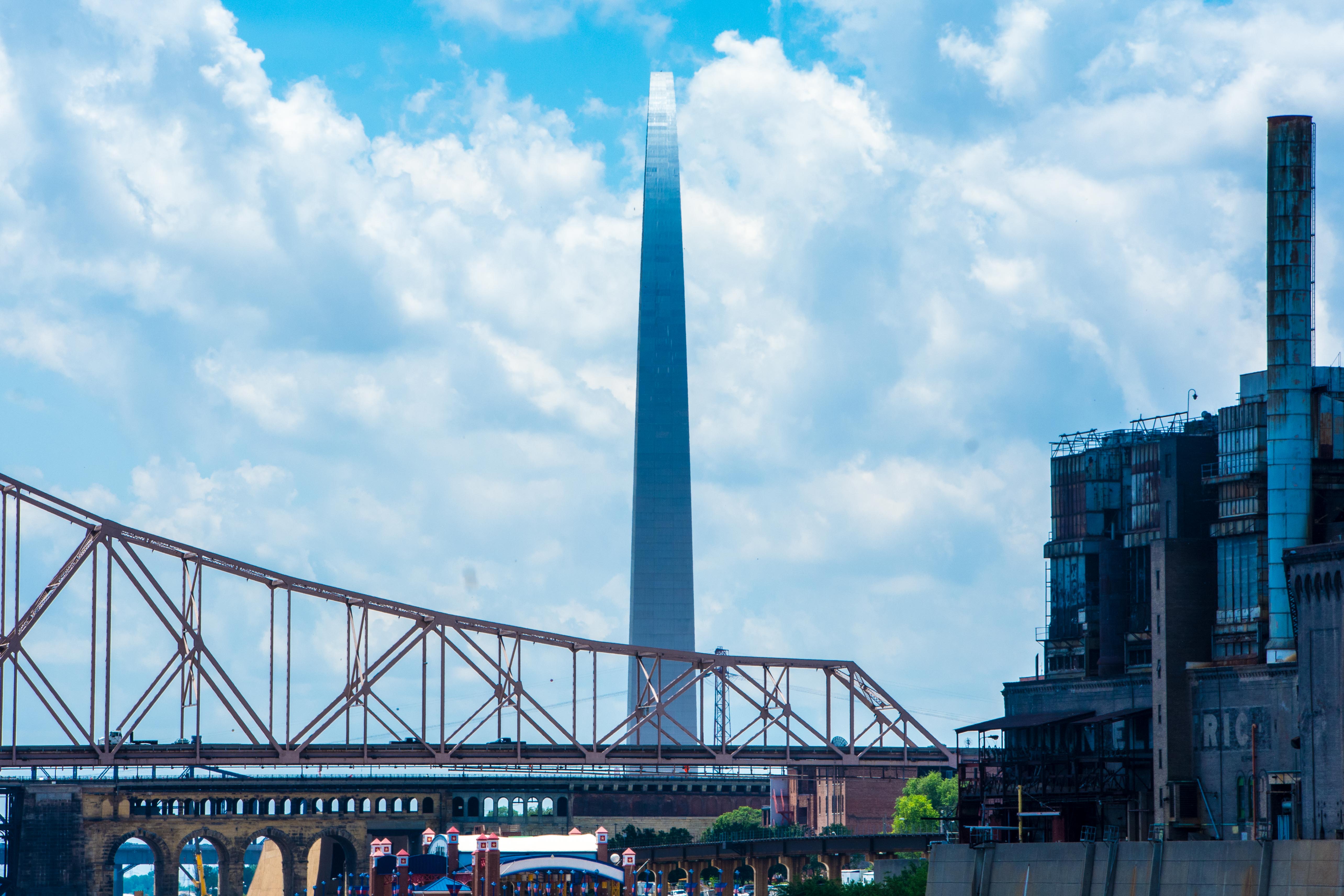
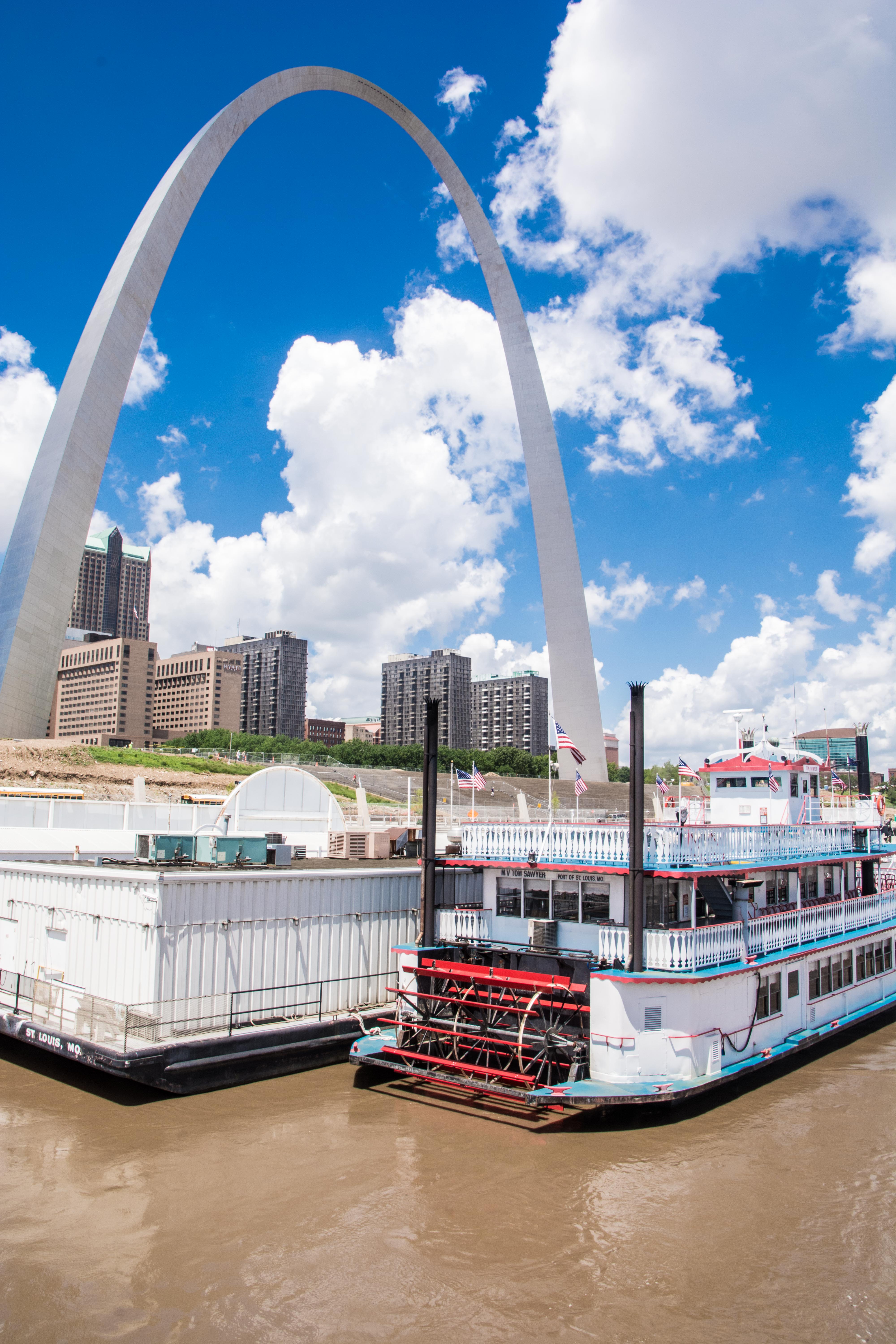
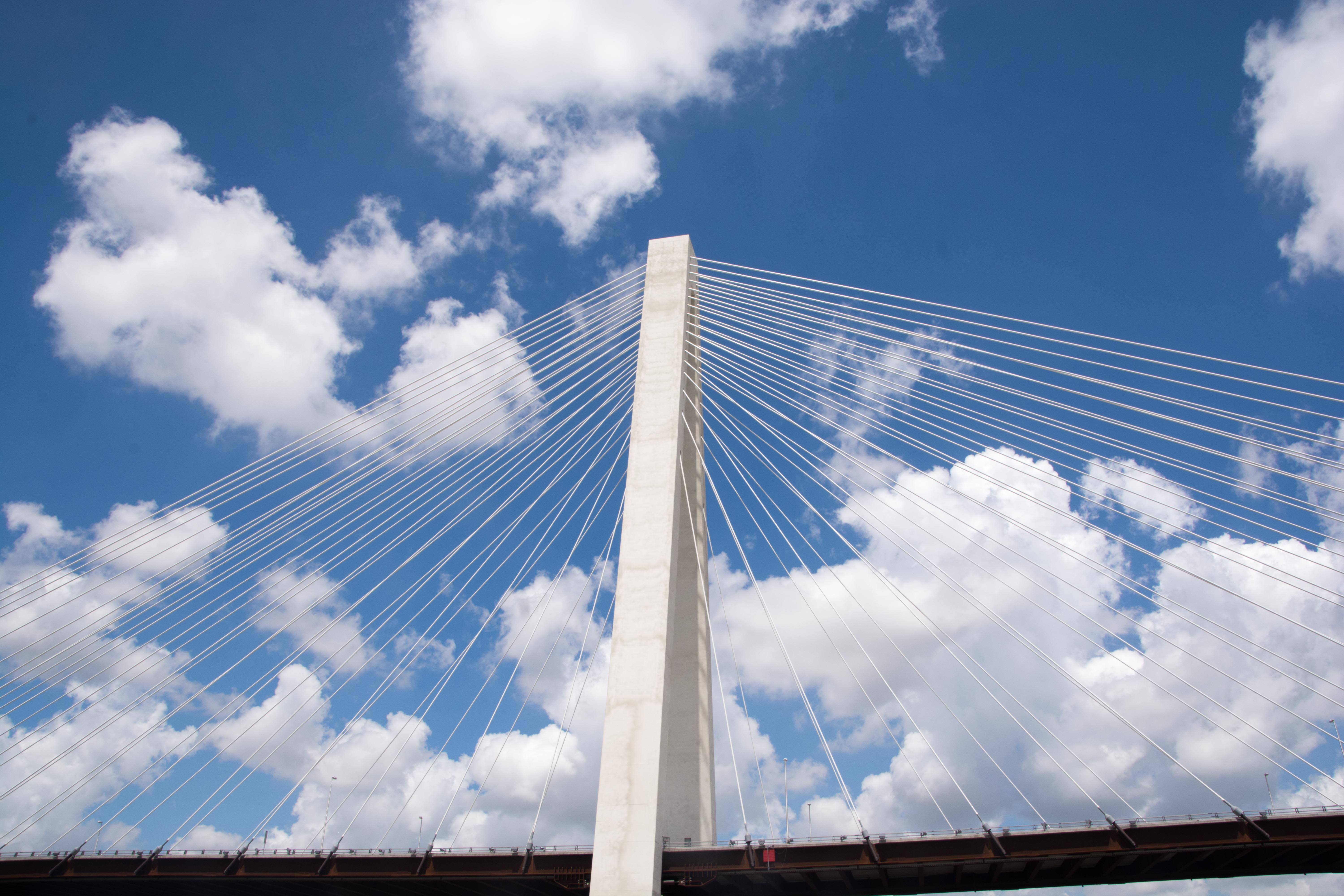
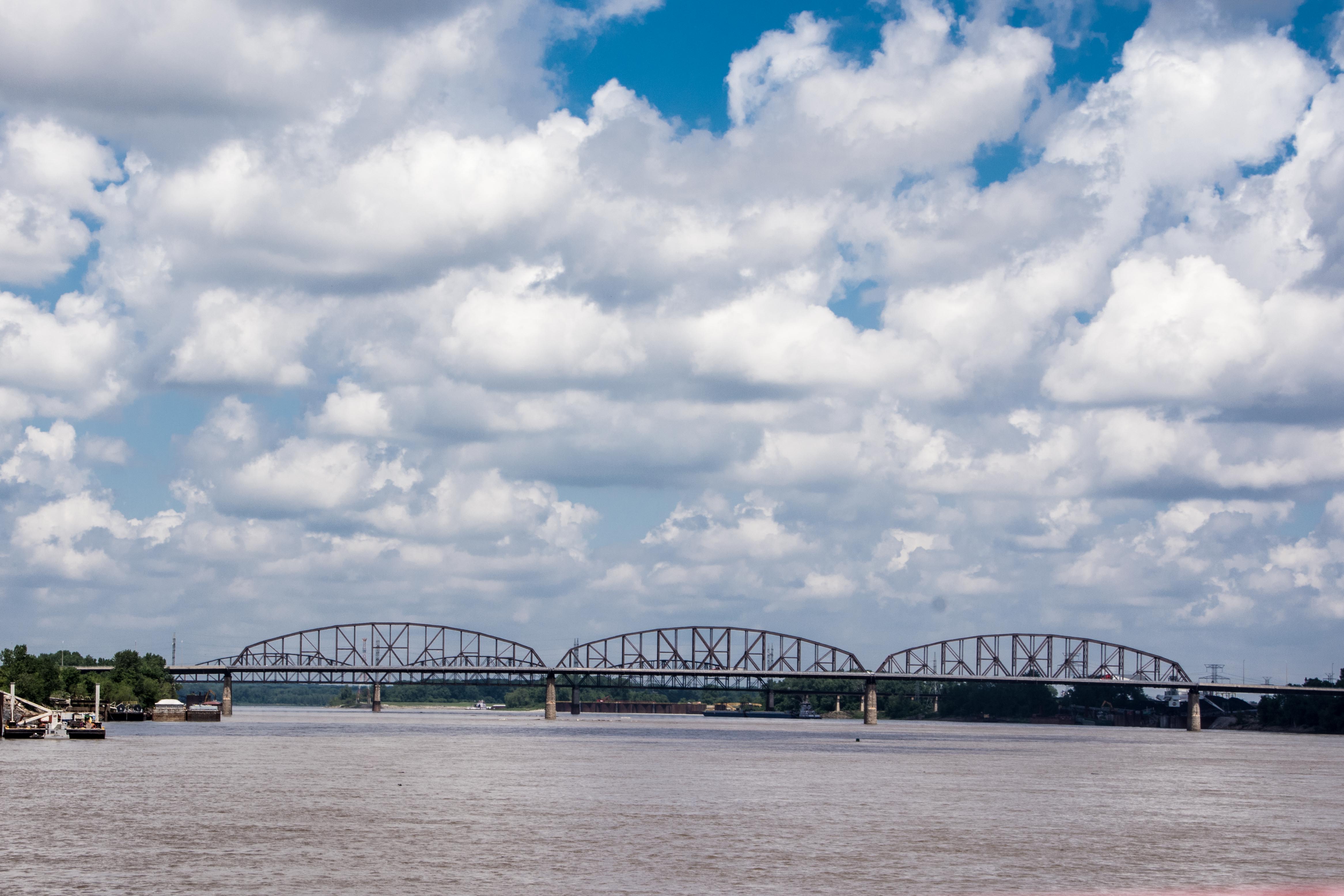
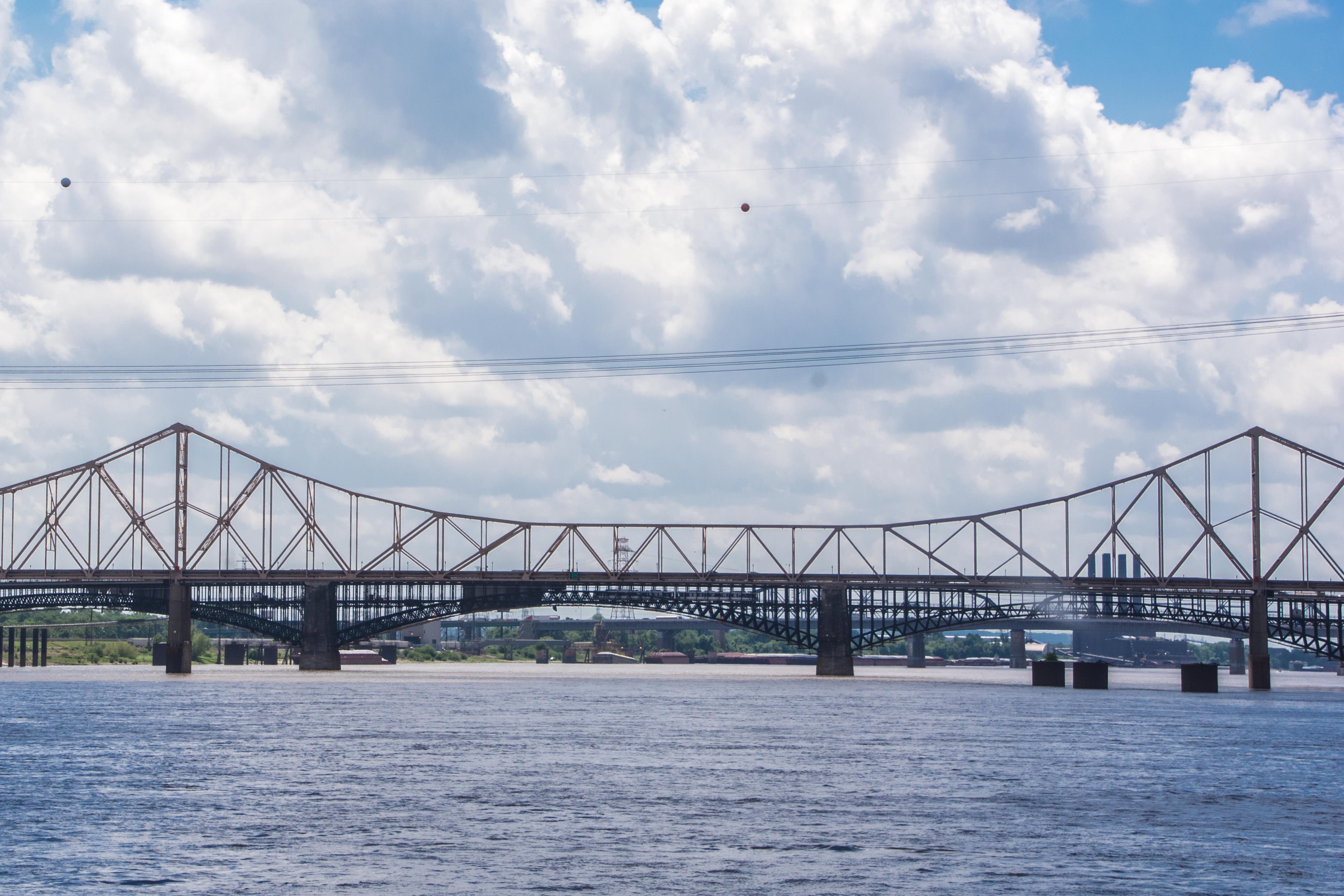
There was a great video they provided in the visitor center which showed the construction of the Arch. As an acrophobic, the movie made me just a bit queasy, with views from the 630 foot top as they worked to fit the last triangle in place. A tremendous engineering feat, however! May 2015-9697 May 2015-9707We then walked to the paddleboat Becky Thatcher on the Mississippi just below the Arch, and spend the next hour moving up and then down the Mississippi. We go up-river under three bridges and back and then under two more down the river. The bridges make for some intriguing pictures, with lines everywhere overlapping and crossing adding geometry, ambiguity and interest.  May 2015-9760 May 2015-9730The Arch can be photographed from different angles as well. There are a number of barges lining the river, unloading or loading dry cement, grain, or oil. We are told the river tugboats push up to 12 barges at a time up stream (toward the upper Mississippi) and over 36 at a time downriver (toward the lower Mississippi). May 2015-9792 May 2015-9724 We walked back to the car, after visiting the Basilica on the way, and revisiting the visitor center in the old Courthouse.  Much to my chagrin, the parking lot near the old Courthouse where we found a parking spot charges a lot more than they advertised on their signs, even after making us climb to the sixth floor to find a non-reserved parking space. We pay it, and get on the road.  May 2015-9741 May 2015-9754St Louis is, in summary, a disappointment.  We have now seen the Arch, the one thing that we feel is worth the visit, so it is unlikely we will be back. A little after 6:00, we arrive at the Holiday Inn Express just outside Indianapolis, a nice half way point to our MI home.

May 19

Our trip from Indianapolis to Clarkston is uneventful, happily, and we are happy to get home.  The house has not fared as well as we would have liked, and it takes us time to get it back in shape, but we will take advantage of our lessons learned for next year and beyond.  This brings this trip and its blog postings to an end.

Leave a comment

Filed under Blog

Palm Springs, CA to Clarkston, MI, Day 11 May 16

We are in Independence, MO, a suburb of Kansas City, and we plan to visit the Truman House, the WW I Museum, and two interesting museums in downtown Kansas City: the Museum of Jazz and the Museum of the Negro Baseball Leagues.

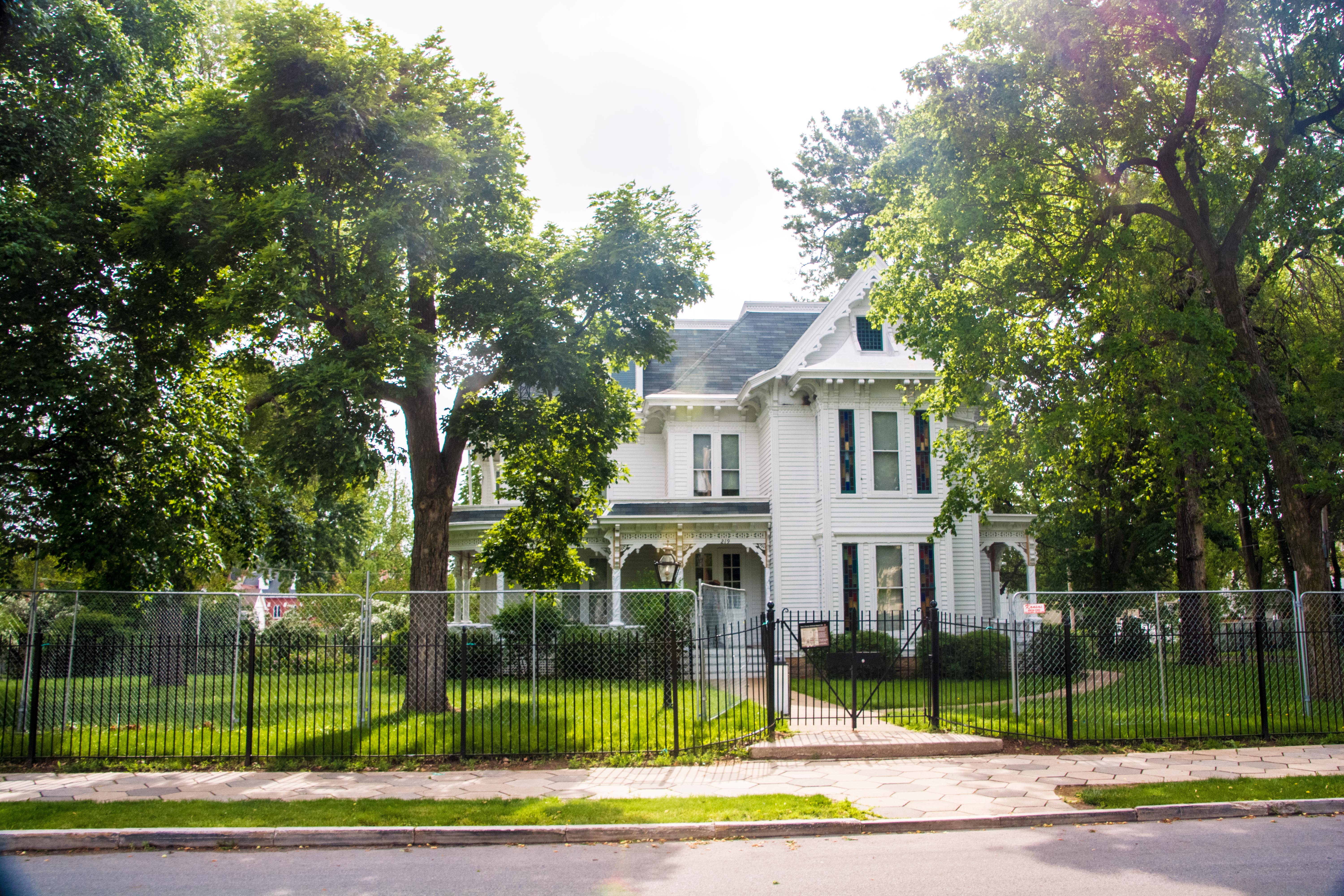
We want to get to the Truman House early, as their tours only accommodate eight patrons at a time, and are only run hourly. So, we show up at the National Park Service office in downtown Independence at 8:15, easily obtaining the first tickets for the 9:00 visit. As it turns out, we are the only ones in the 9:00 group. May 2015-9510The house itself is as Bess Truman left it upon her death (Harry died in 1972, Bess in 1982). It is approximately 6000 square feet in floor space, and was built by Bess’s grandfather between 1867 and 1885. It has two floors, is set on the corner of Truman Ave. and N. Delaware St., in what at the time of Harry and Bess’s occupation was the better part of town. It was occupied by Harry and Bess from the time of their marriage in 1919 until Bess’s death, after which it was bequeathed to the U.S., being overseen by the US Park Service.
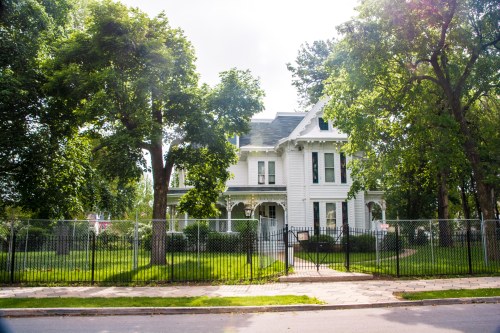
Our guide is James, a park ranger, who is extremely knowledgeable of the house’s history, Harry’s and Bess’s biographies, and all things related to the house. He does an excellent job of guiding us, starting on the back porch and taking us into the kitchen and first floor living rooms, telling us about each one as we went through. We discuss Harry’s legacy, and the historical changes in the popular opinion regarding his presidency.

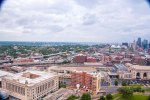
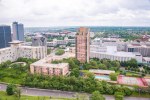
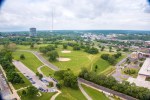
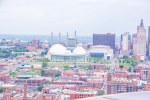
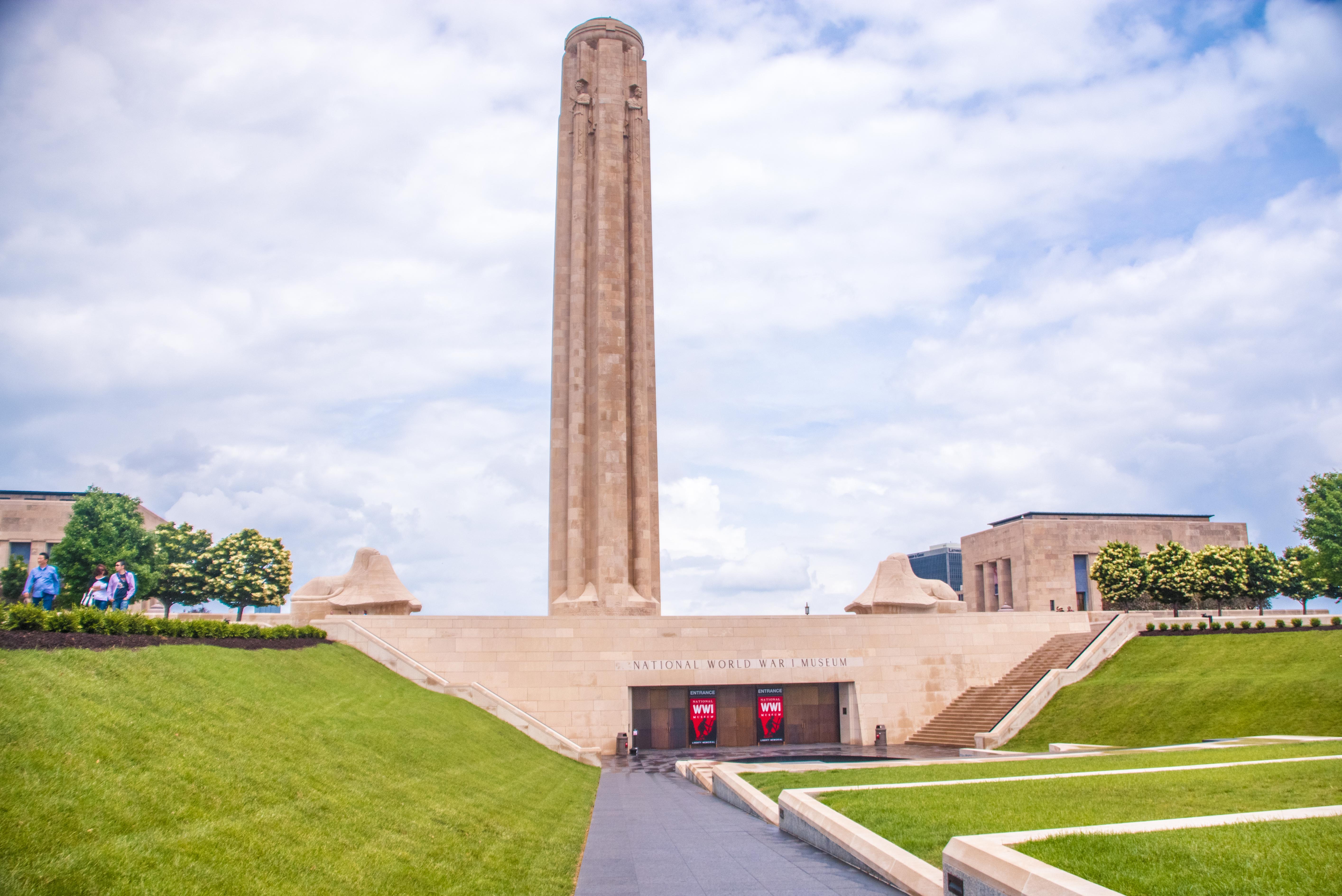
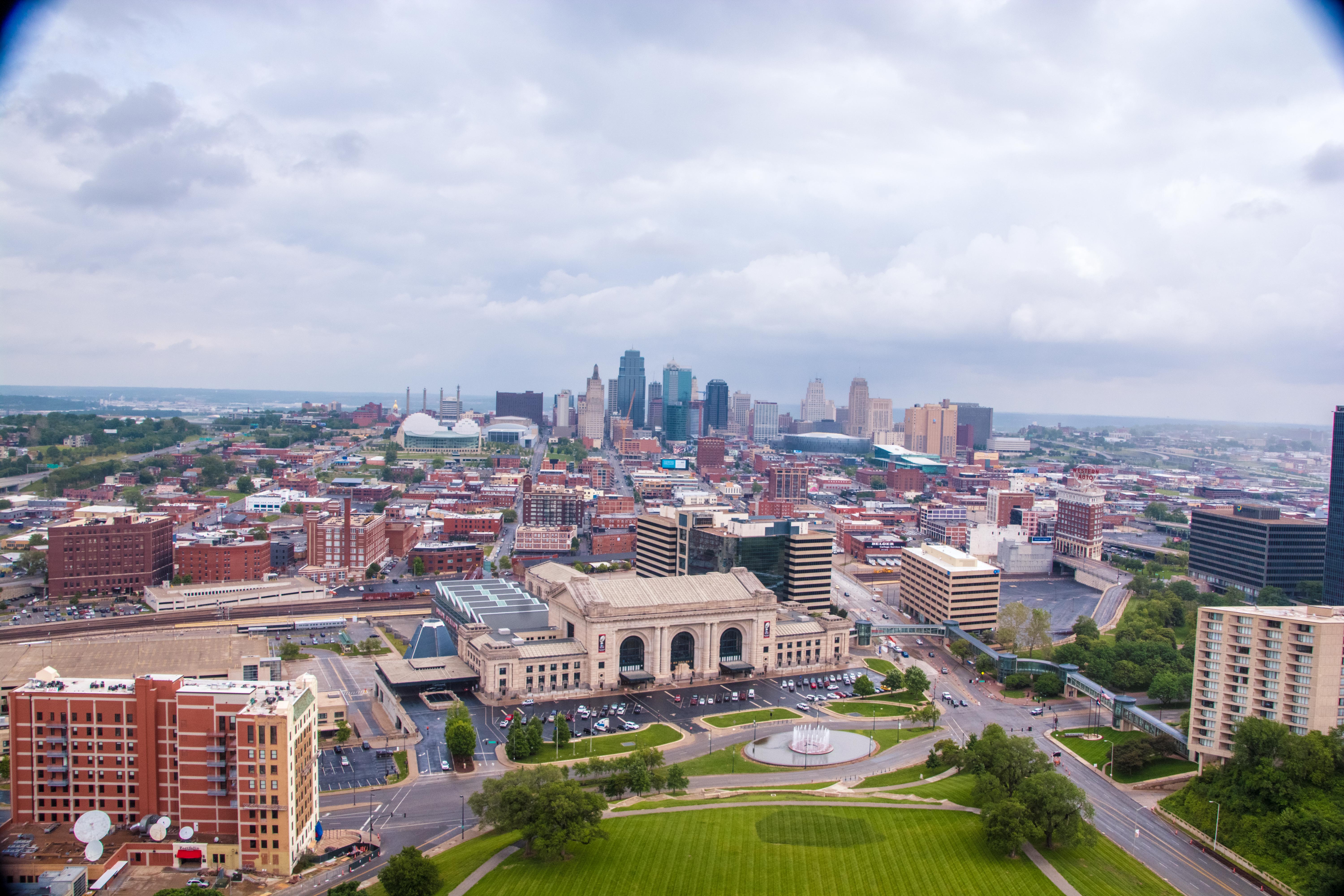
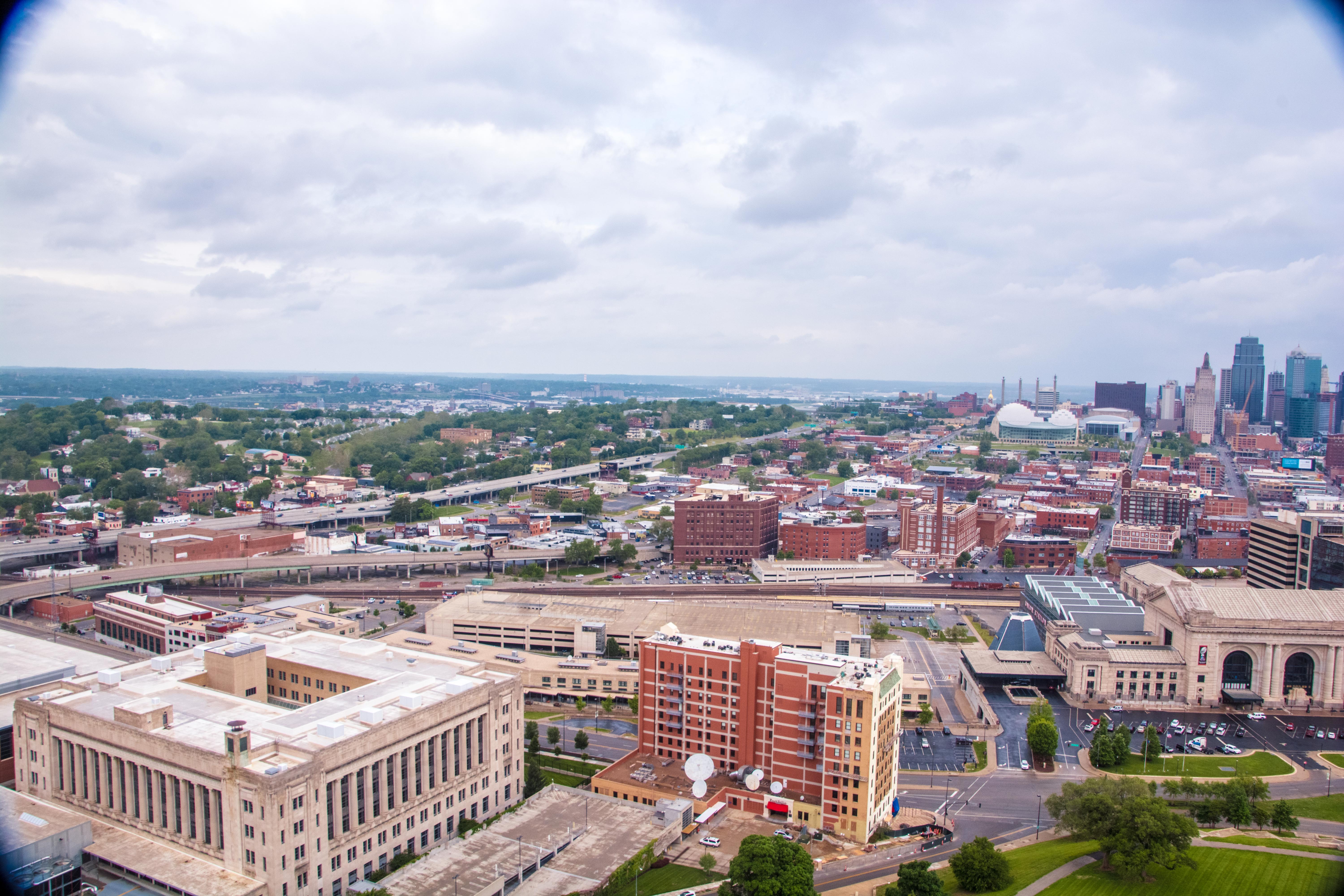
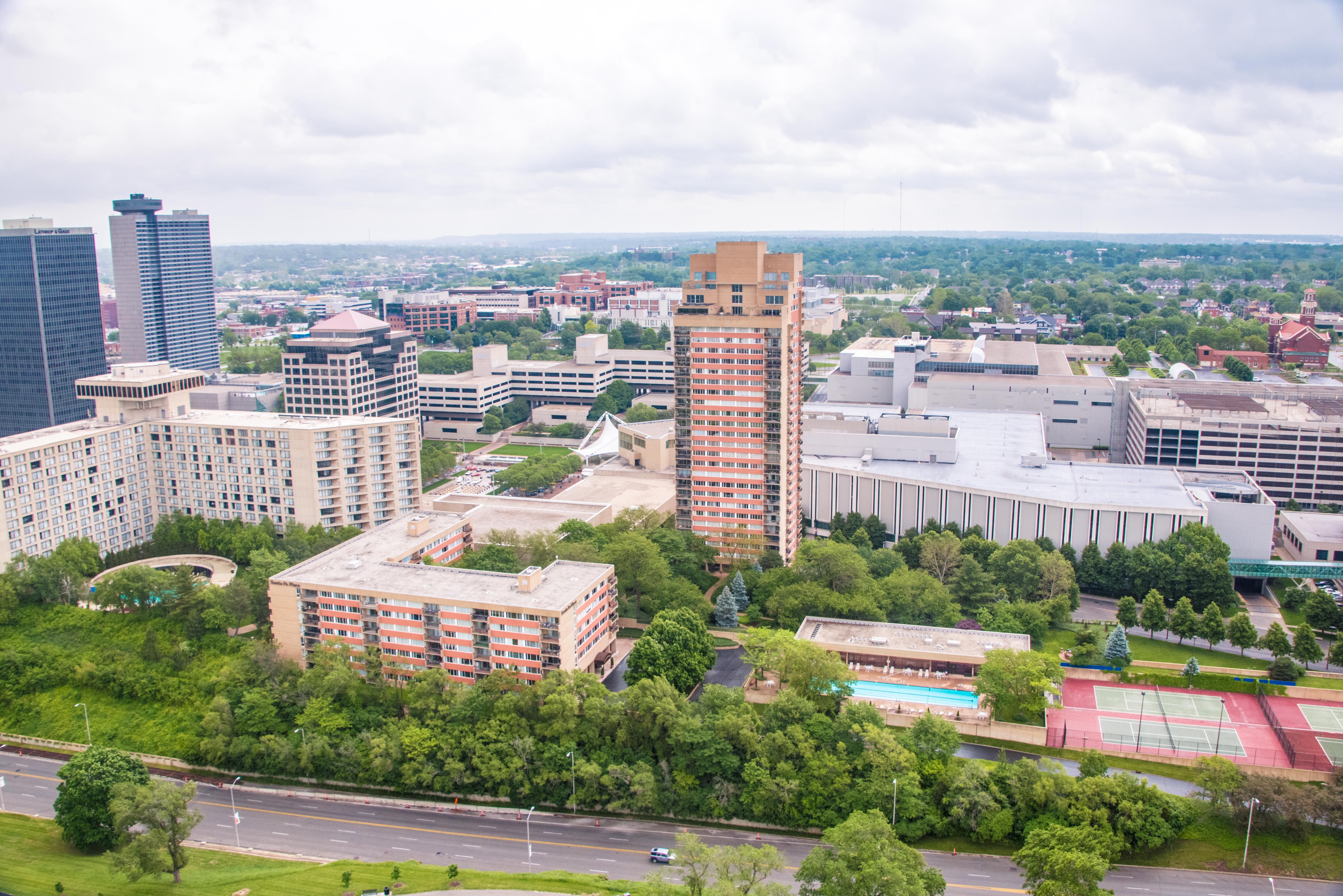
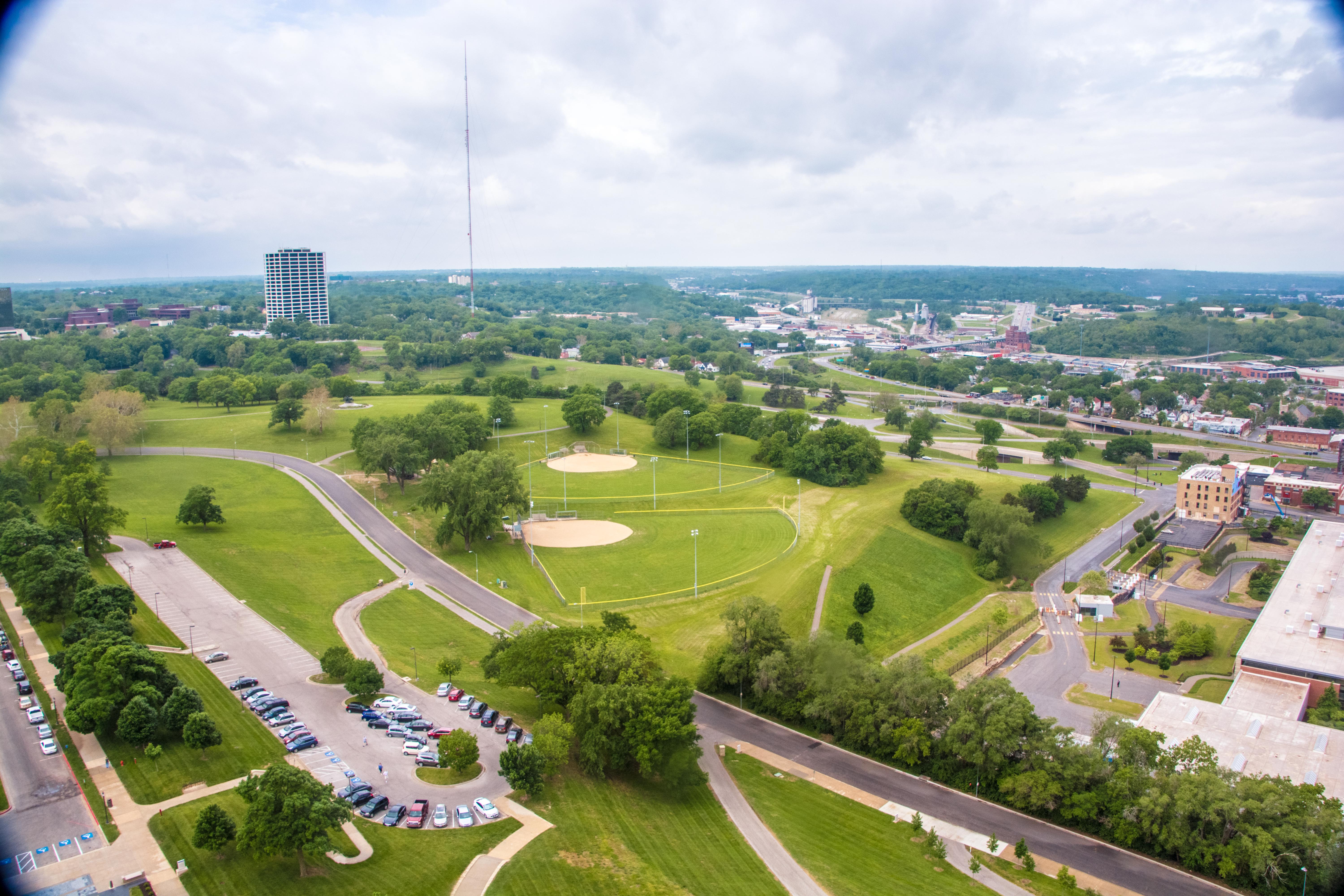
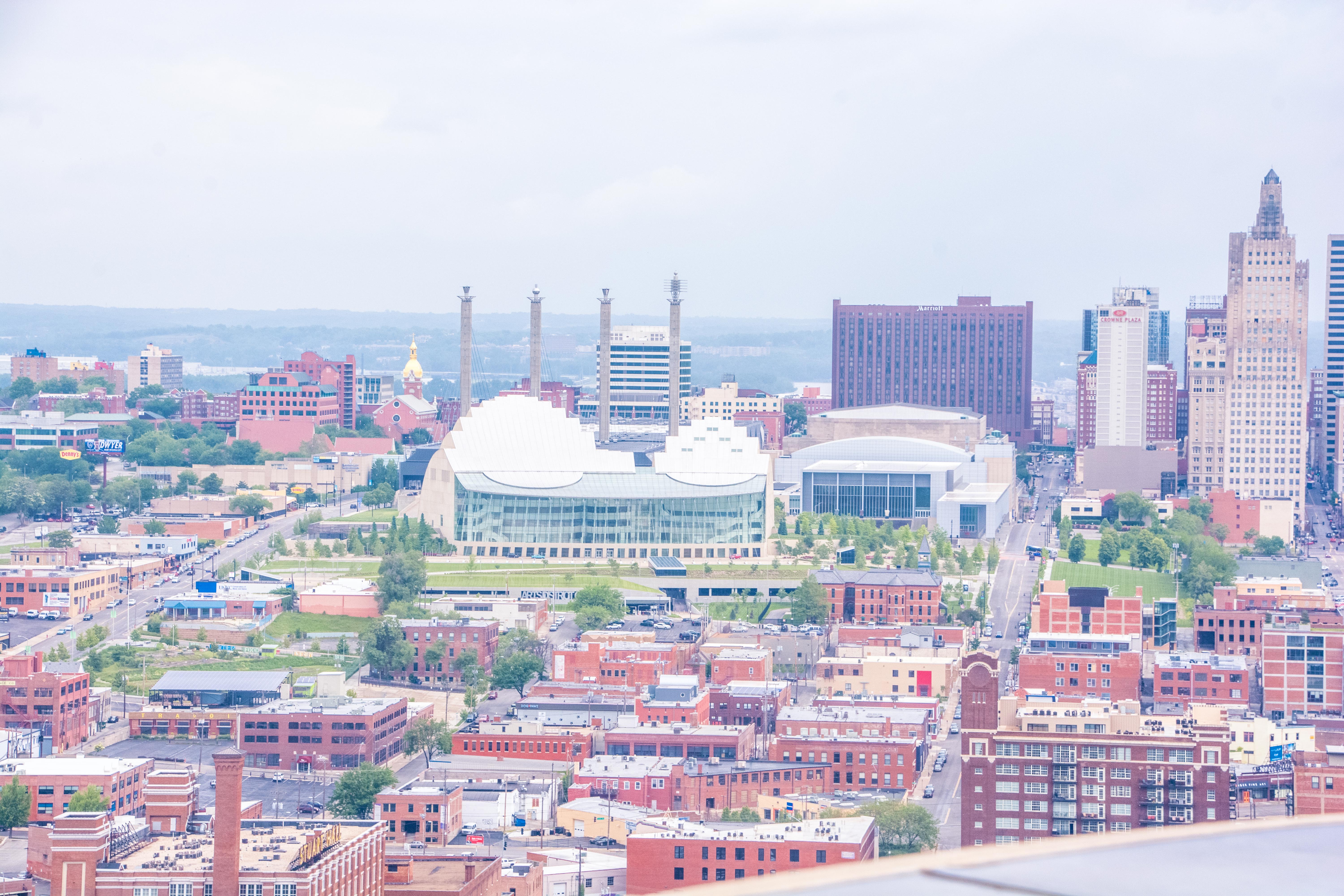
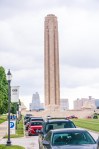
From there, we go over to the WW I memorial.  May 2015-9572I had not heard of this memorial until we started to investigate what to see and do in the Kansas City area.  Since I have done a lot of reading about WWI, I am really anxious to see what they have to offer.  As this is a memorial as well as a museum, there is much more to it than just a collection of artifacts artfully arranged.  The memorial includes a tall tower that provides a full 360 degrees of spectacular views of Kansas City from the top, after a multi-story elevator ride and two-floor stair climb to get to the observation deck.
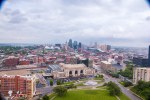
May 2015-9521 May 2015-9526 May 2015-9529 May 2015-9532 May 2015-9537 May 2015-9541


May 2015-9552

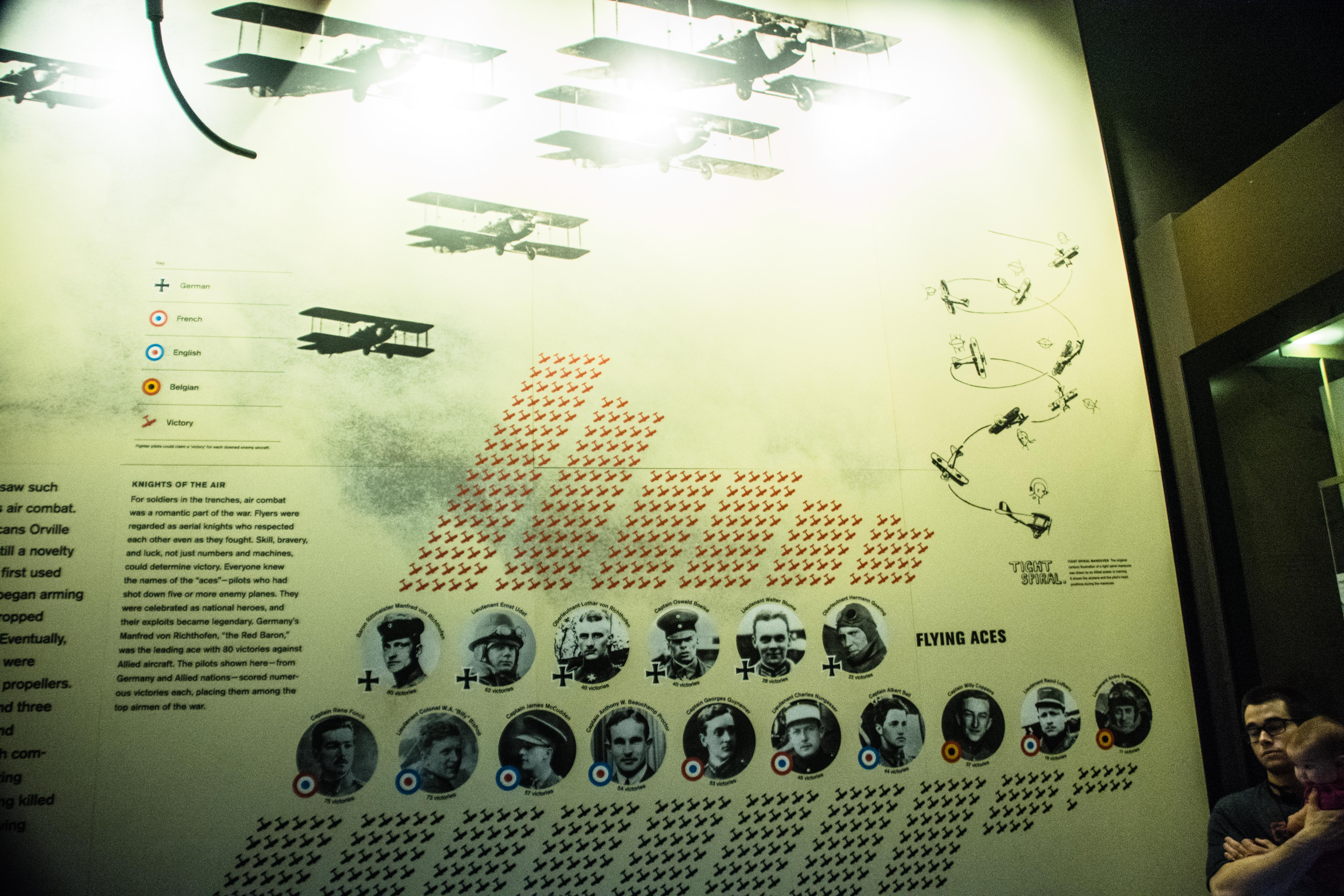
Top Aces of WWI, including the number of planes shot down by each

At the base of the tower is the Memory Hall, entirely devoted to the display of a WWI timeline / compendium, developed in 1919-1920 to tour Europe.  It circulated for awhile, and eventually made its way to become part of the WWI Liberty Memorial Museum built in Kansas City from 1920 to 1926.   May 2015-9553The main part of the museum is downstairs under the tower and the ground level rooms.  The museum starts with a video showing the lead-up to WWI, focusing on the assassination of Archduke Franz Ferdinand of Austria in Sarajevo and the events that surrounded it.
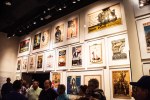
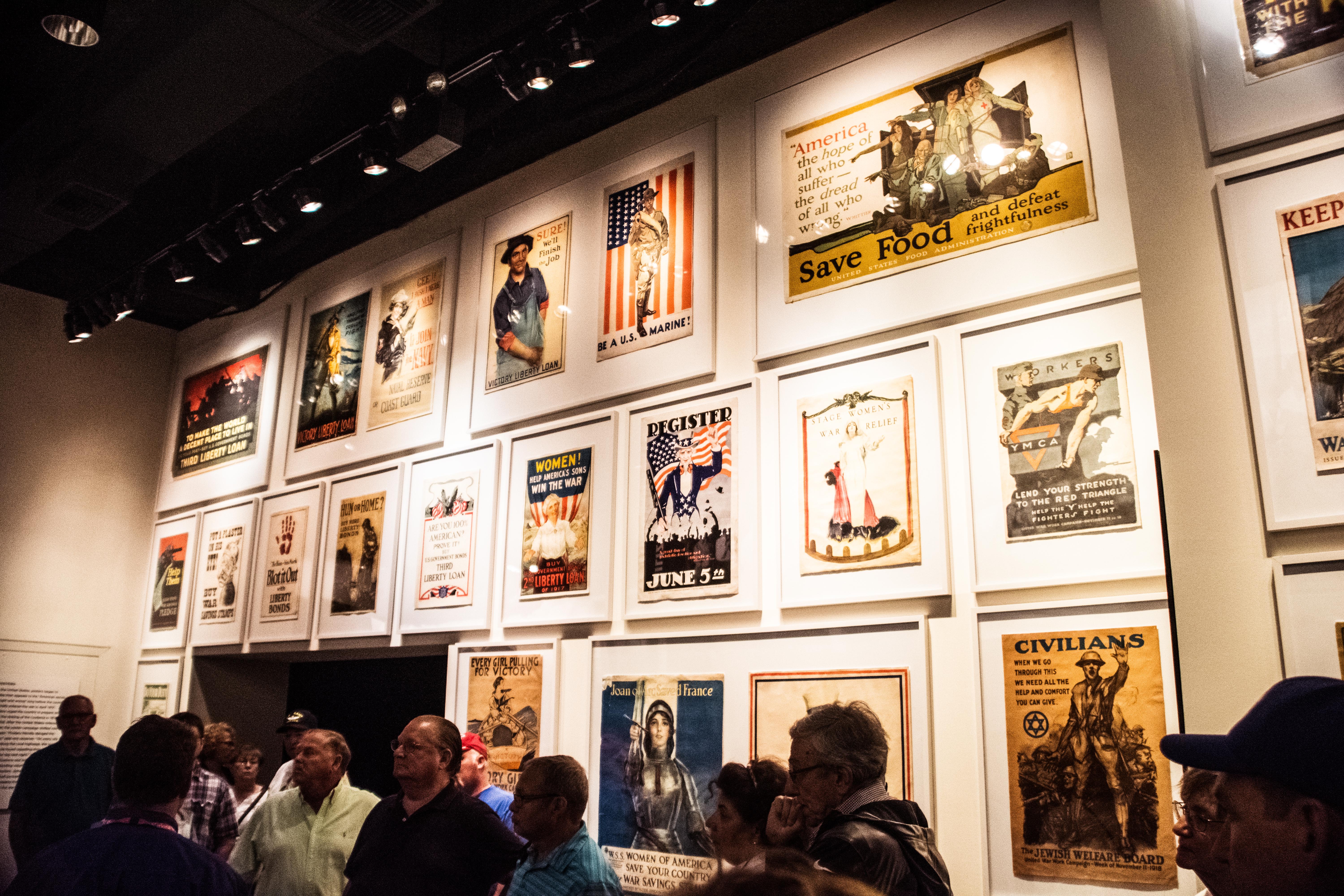
Advertisements that sold the war to the US population
Advertisements that sold the war to the US population

May 2015-9560

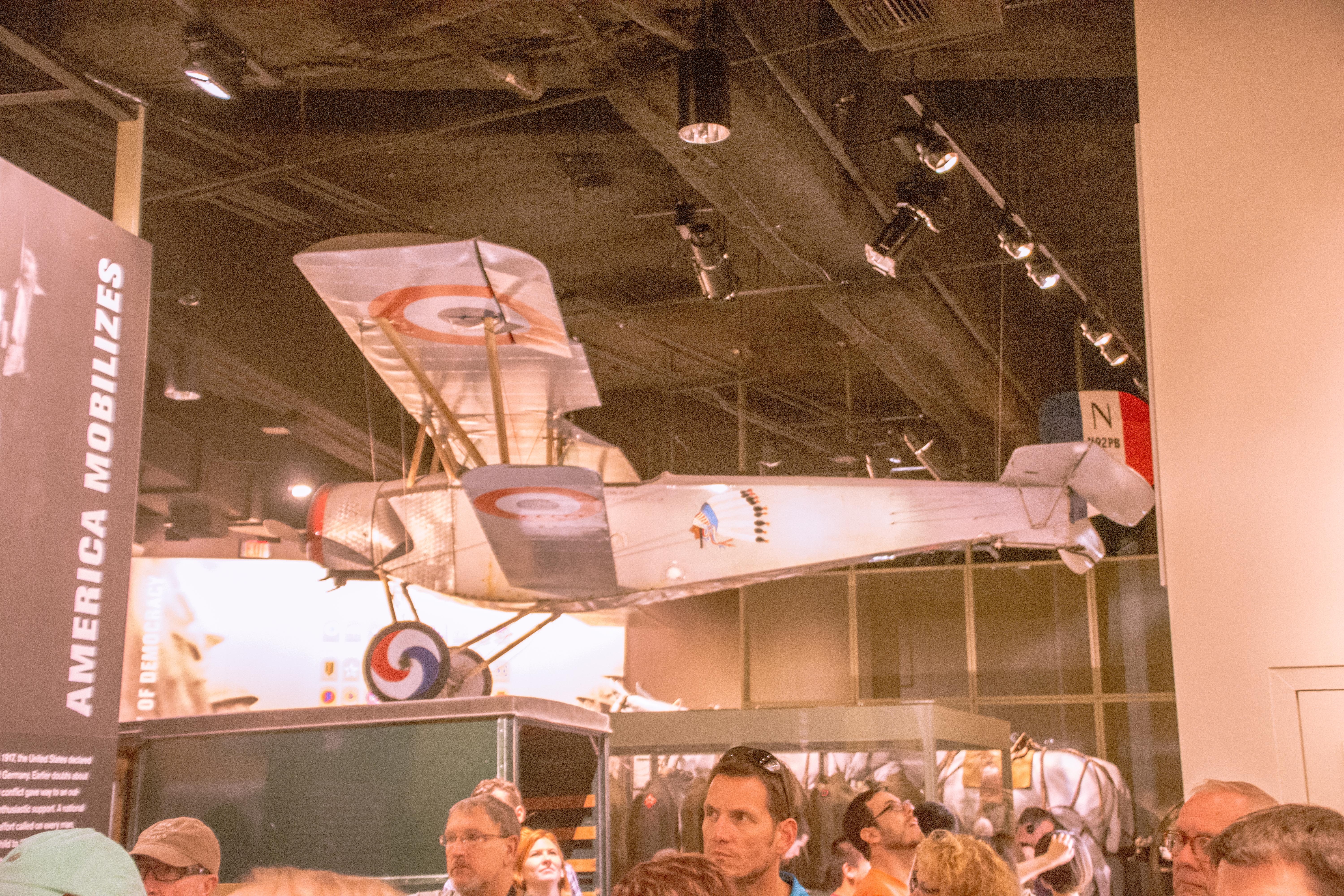
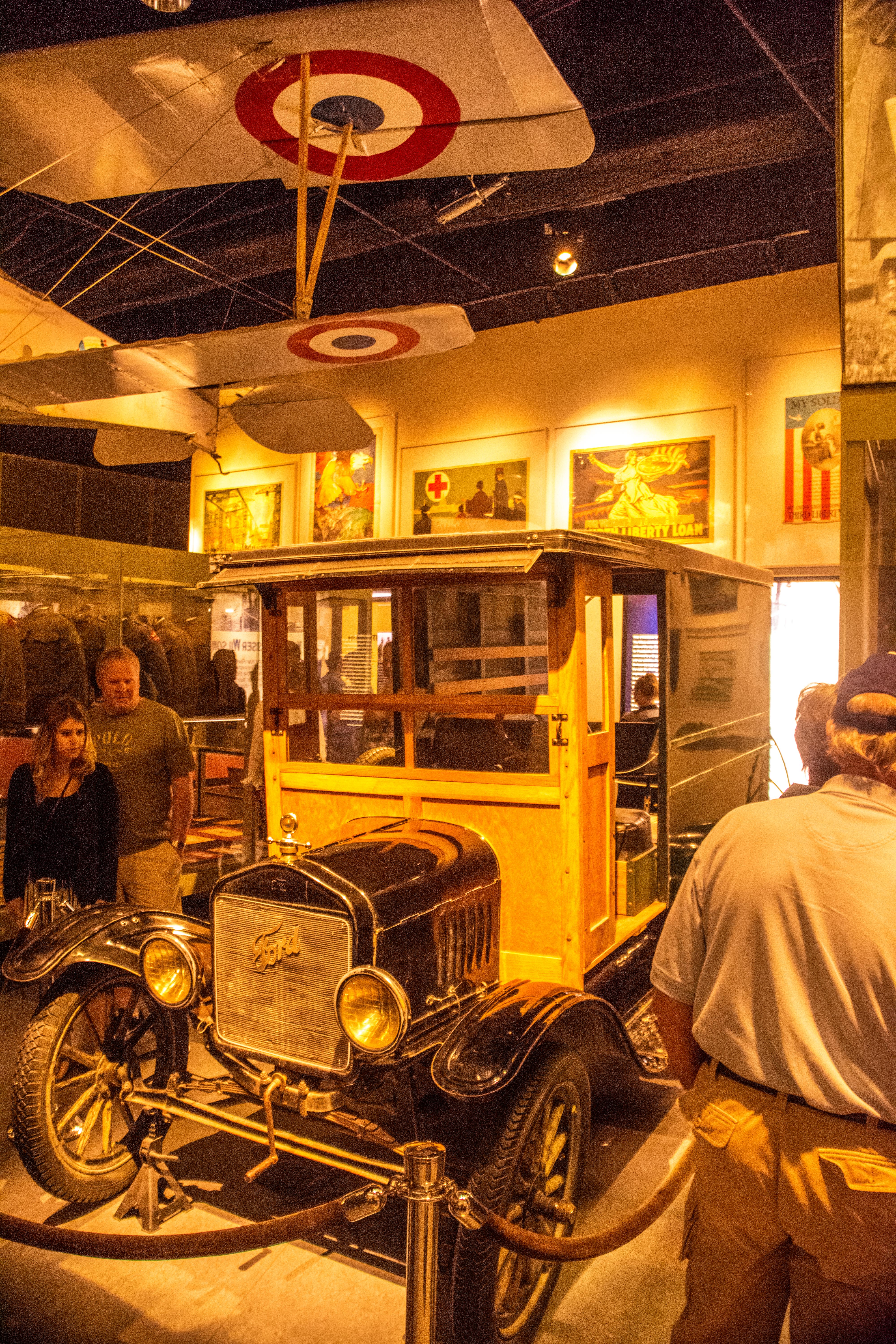
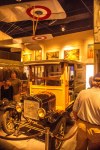
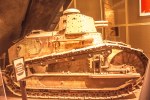
Vehicle of WWI

Then it is out into the first hall that includes information and artifacts around the first years of the war.  I find I am part of a group led by a history professor of a local college, who is substituting for a buddy who is a docent at the museum.  His specialty is WWI, so he does an excellent job talking about each exhibit, not in detail, but rather weaving the story of the war to put the displays into context.  Then it is back into a video bringing out the next stage, and then on to the next exhibit hall. May 2015-9564 This goes on around the exhibit halls, providing quite a detailed pictorial and visual record.
When we approached the Museum, we found a parking space along the street that leads into the Tower, and were immediately accosted by a man driving a golf cart wanting to know if we would like a ride to the Museum.  We were hesitant, as we believed ourselves capable of the walk, but he enticed us by telling us this was his job, and as it was early, there were no other potential customers around.  So, we agreed, and found that the golf-cart ride was the result of an anonymous benefactor and that the service had started only this week.  As luck would have it, there is one at the door to take us back to our car as well, so we availed ourselves of the luxury.
May 2015-9515The museum, we agreed, is one of the best museums we have visited.  It’s arrangement and presentation emphasizing the story and how each element contributes to that story goes a long way to helping us understand what went on in WWI, and how that has shaped the world since.  Our compliments to the curators who put it together and keep it going!

After this, we go to downtown Kansas City to visit the Negro League Museum, and then finish up with the American Jazz Museum, located right next door.

The Negro League Museum is very well done, starting off with a short video summarizing the history of the negro leagues.  It starts with the first blacks in major league play, way back in the period right after the Civil War.  For political reasons, owners of the professional teams soon decided that they wouldn’t play negro teams any more. They took on occasional negro players at first, but those players had to put up with considerable challenges to continue playing. It wasn’t too long before even those opportunities disappeared. Subsequently, negro teams were formed and barnstormed, playing heavy schedules going from town to town playing whatever teams would challenge them. In the 1890s there were over 60 such teams circulating the US, mostly in the East, mid-west and south, wherever there was a large enough population of blacks to supply the players and the audience for the games.

Around the turn of the twentieth century, a pitcher named “Rube” Foster joined one of these teams. He did very well as a pitcher. Eventually, he came up with his own team.  Subsequently, he engineered a meeting amongst the main negro team owners they had been playing against. The result was an organized National Negro League. This was 1921. Two years later, a white guy did a similar thing, coming up with a competition league. Quickly, an agreement was done enabling a “negro world series” to be played between these two leagues.  This competition between the leagues went on for many years, although the negro world series did not always get staged for a variety of reasons.

Many legendary players played for the negro teams. The most famous was Leroy “Satchel” Paige, a pitcher who could strike out 9 batters in a row predictably. His career lasted long enough so that he played in the late 1940s for the newly integrated National League / American League. There were other nationally famous black players who played in the negro leagues, “Josh” Gibson, “Cool Papa” Bell, for example. Then, in the 1940s, the pressure for equal opportunity for black players set the scene for Branch Rickey (of the Dodgers) to sign Jackie Robinson. He was chosen as the one to break the color barrier in white baseball because of his relative maturity (he was 26, engaged to be married, been in the military, and had been a four-sport starter for UCLA, including football where he was one of four black players on the team).

The museum does an excellent job, and is one I would definitely come back to, as there was more information than I could possibly absorb in the couple of hours we spent there. I’m only sorry there are so few pictures of the Negro League games, either stills or motion pictures. To be able to watch Satchel Paige pitch would be a tremendous thing.

The museum next-door is the American Jazz Museum, which I found also quite well done and much fun to visit. There is plenty of information on the history of Jazz, and on the history of some of the more famous players, like saxophone player Charlie “Bird” Parker, pianist, composer and band leader Duke Ellington, signer Ella Fitzgerald, and trumpeter, singer and entertainer Louis Armstrong. I particularly enjoyed the music library, where they have a number of stands. Each stand has a selection of eight recordings related together (all by the same artist, or same time period). You chose the selection you want to hear, and it is played from a speaker right above your head so it doesn’t disturb others in the room. Very well done. It was a great opportunity to hear some of the most famous recordings of the Jazz greats.

Neither museum allowed pictures, so I can only write about them. If you get to Kansas City, be sure to stop in to see these very well done museums.

After this, we go back to the hotel, and from there walk to the Mongolian BBQ for dinner. There we are seated in the bar area where the baseball game between the NY Yankees and the KC Royals is being shown from several TVs. In the inning we see, the Royals managed to get the bases loaded with no outs, but are only able to push one run across.  Sigh!  We never do find out who won the game.

Back to the hotel, and we rest for the evening, preparing for the trip tomorrow to St Louis.

Leave a comment

Filed under Blog

Palm Springs, CA to Clarkston, MI, Day 10 May 15

May 2015-9443

Looking down the front of the admin bldg

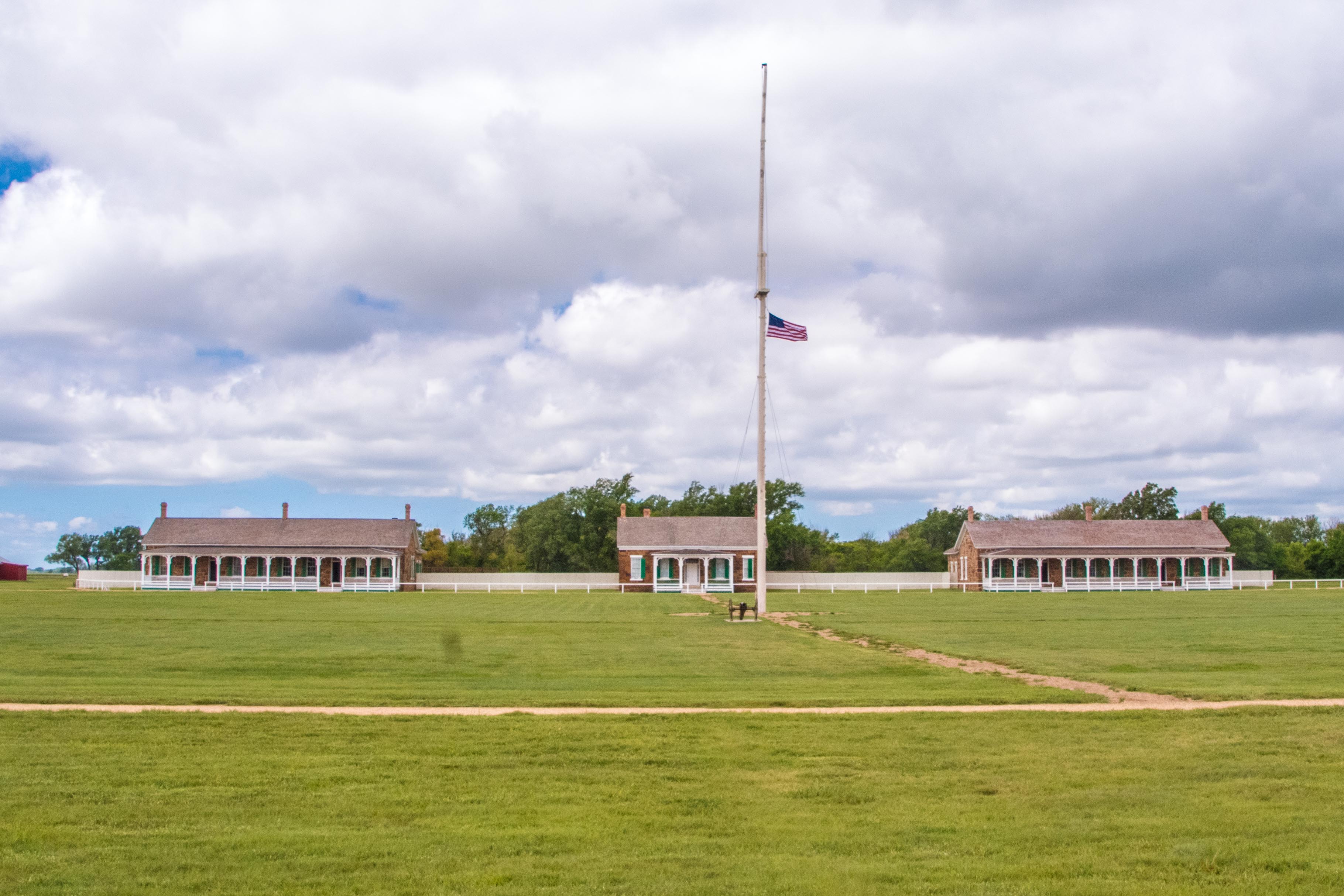
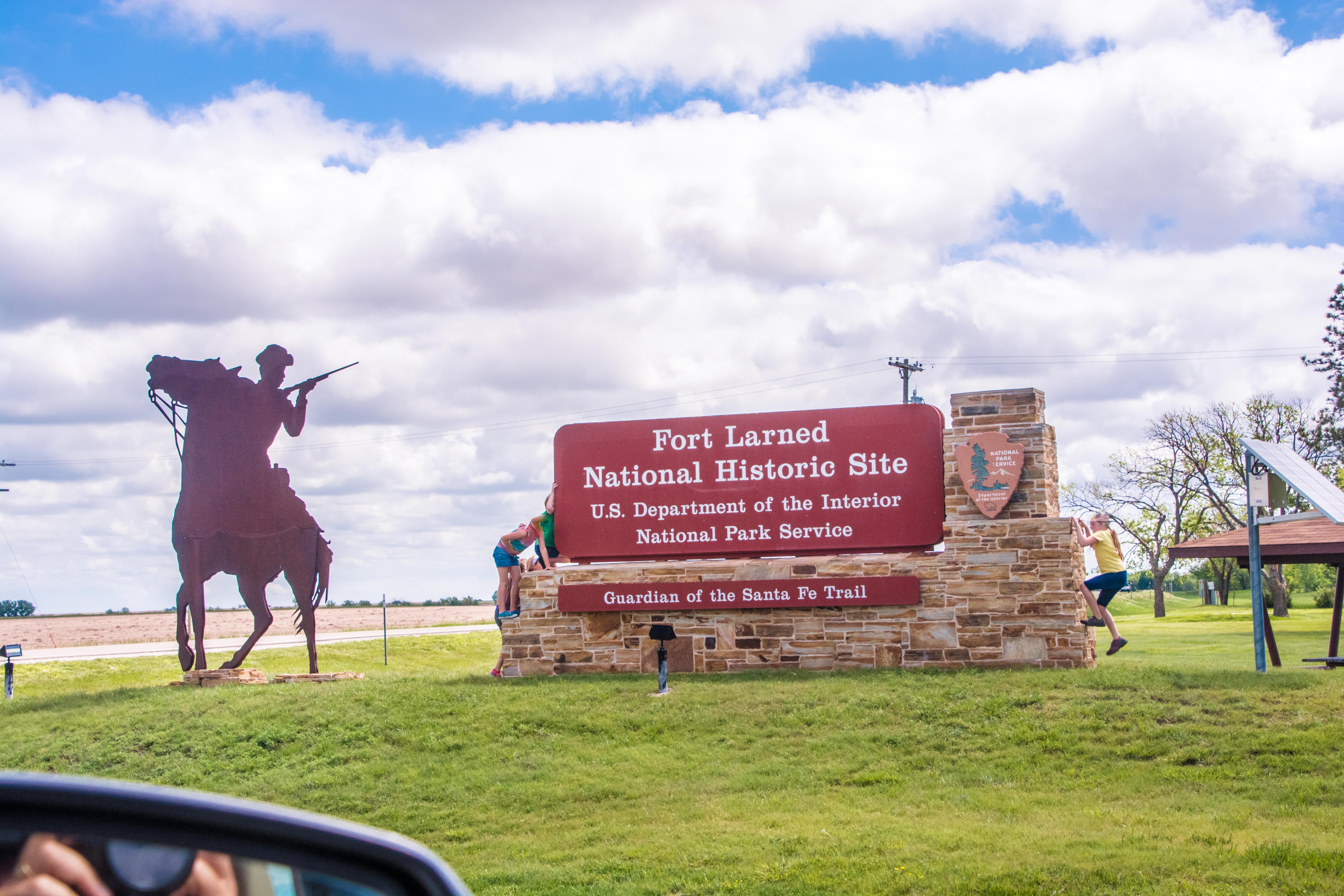
Today is mainly a driving day, with us getting between Dodge City, Kansas and Independence, Missouri. On the way, however, we plan a stop in Ft Larned, Kansas. This is the restored and maintained fort that provided protection for wagon trains, mail carriers, and settlers along this part of the Santa Fe Trail. The fort is just a little over an hour to the east of Dodge City.

May 2015-9447

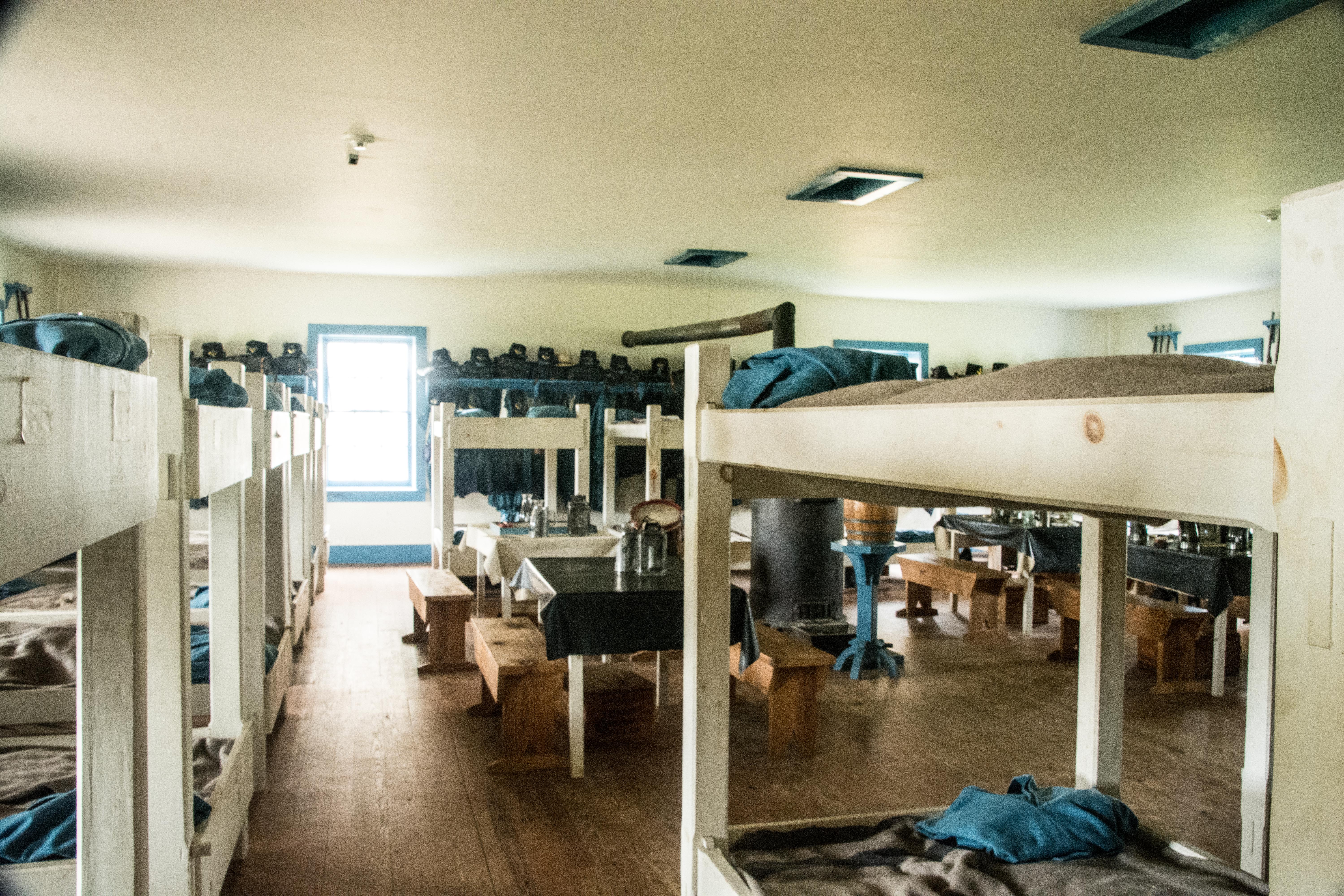
Enlisted men’s quarters

The first thing that strikes me about the fort is that there is no “fortification” around the buildings. The buildings are arranged in a square (as most forts of this time period are), but there is no outside perimeter fence surrounding the acreage. Gwen suggests this is because the plain around the fort is so flat that seeing enemies coming from the distance would have been easy. In its short 19 year life (1859 to 1878) the fort was attacked only once (by Indians in 1864, when the site was manned by a small number of volunteers), so I guess this must have been at least part of the reason.  There is a sign which tells us that Gwen was right, but adds that there just wasn’t the supply of logs necessary to build such a barrier around the buildings.

May 2015-9449

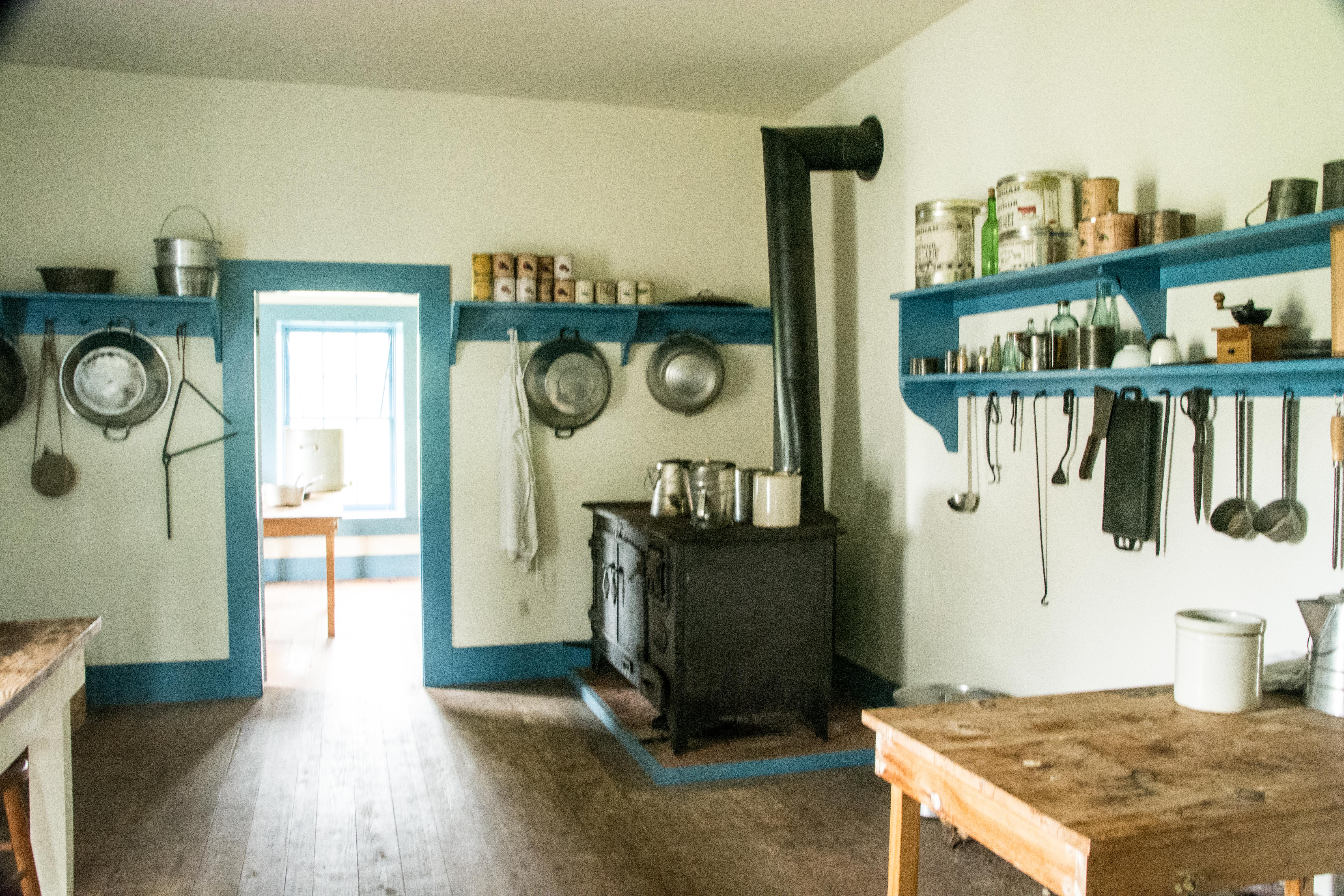
Kitchen

May 2015-9454

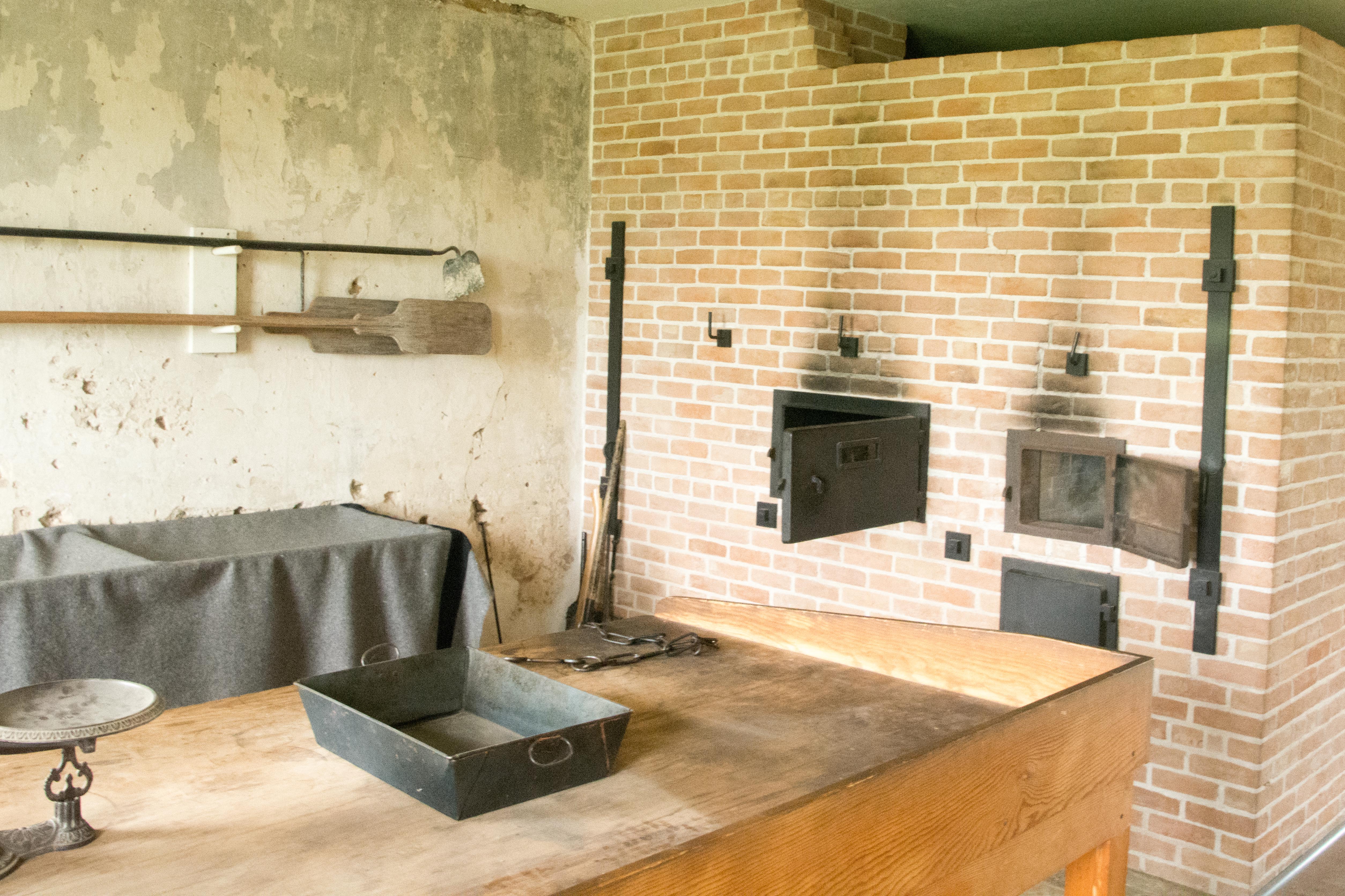
Baked goods ready for distribution

Two sides of the square (the side at the back of the officers’ quarters and the side at the back of the administrative offices and the enlisted men’s quarters) ran along the Pawnee Bend River that presumably provided water to the outpost. On the third side, across a wash is a flat and grassy section that was formed when an oxbow of the river was cut off and dried up.

Bakery

Bakery

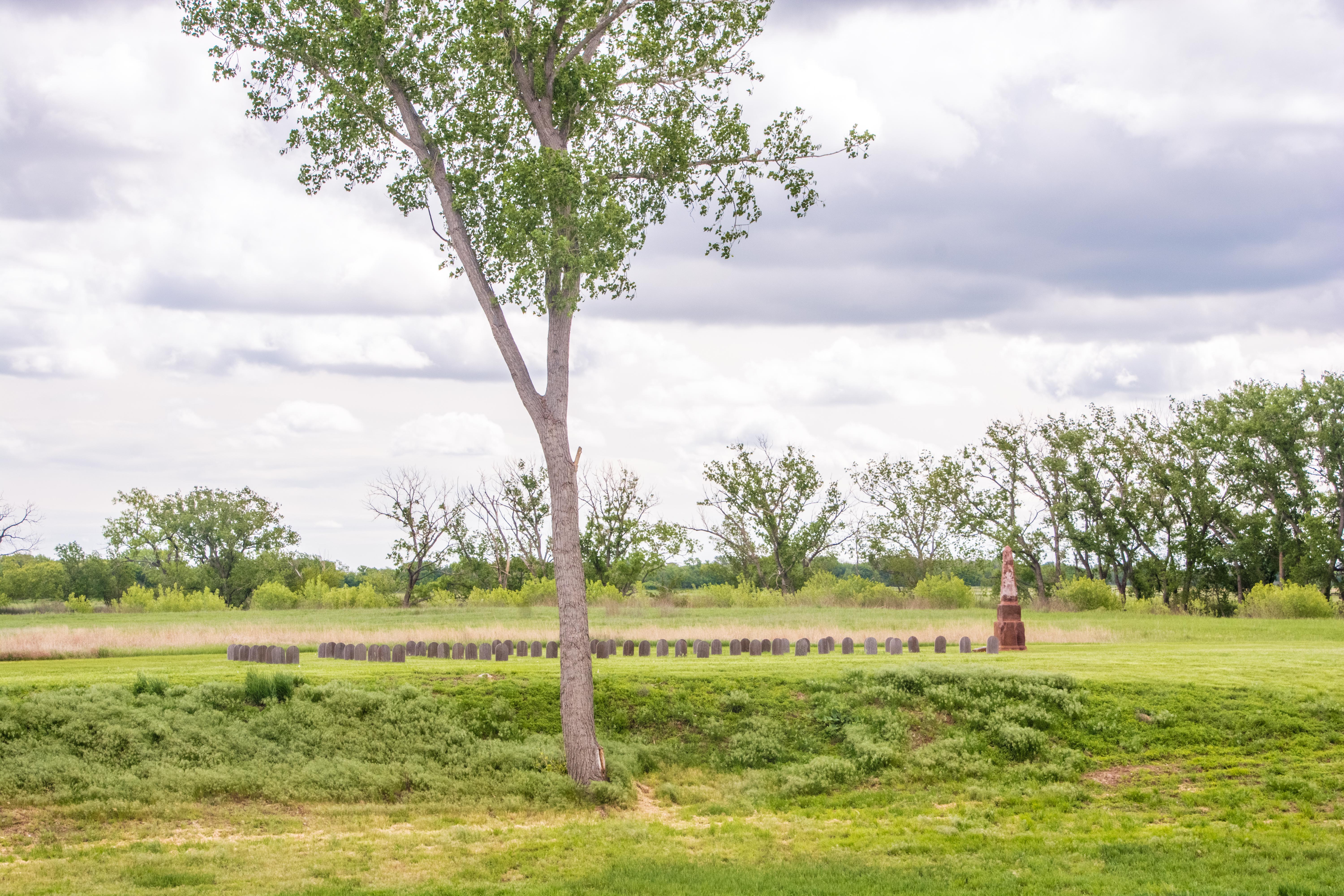
Cemetery across the wash

Cemetery across the wash

This flat area was used as the fort cemetery, with rows of tombstones set in military order.

May 2015-9471

Blockhouse

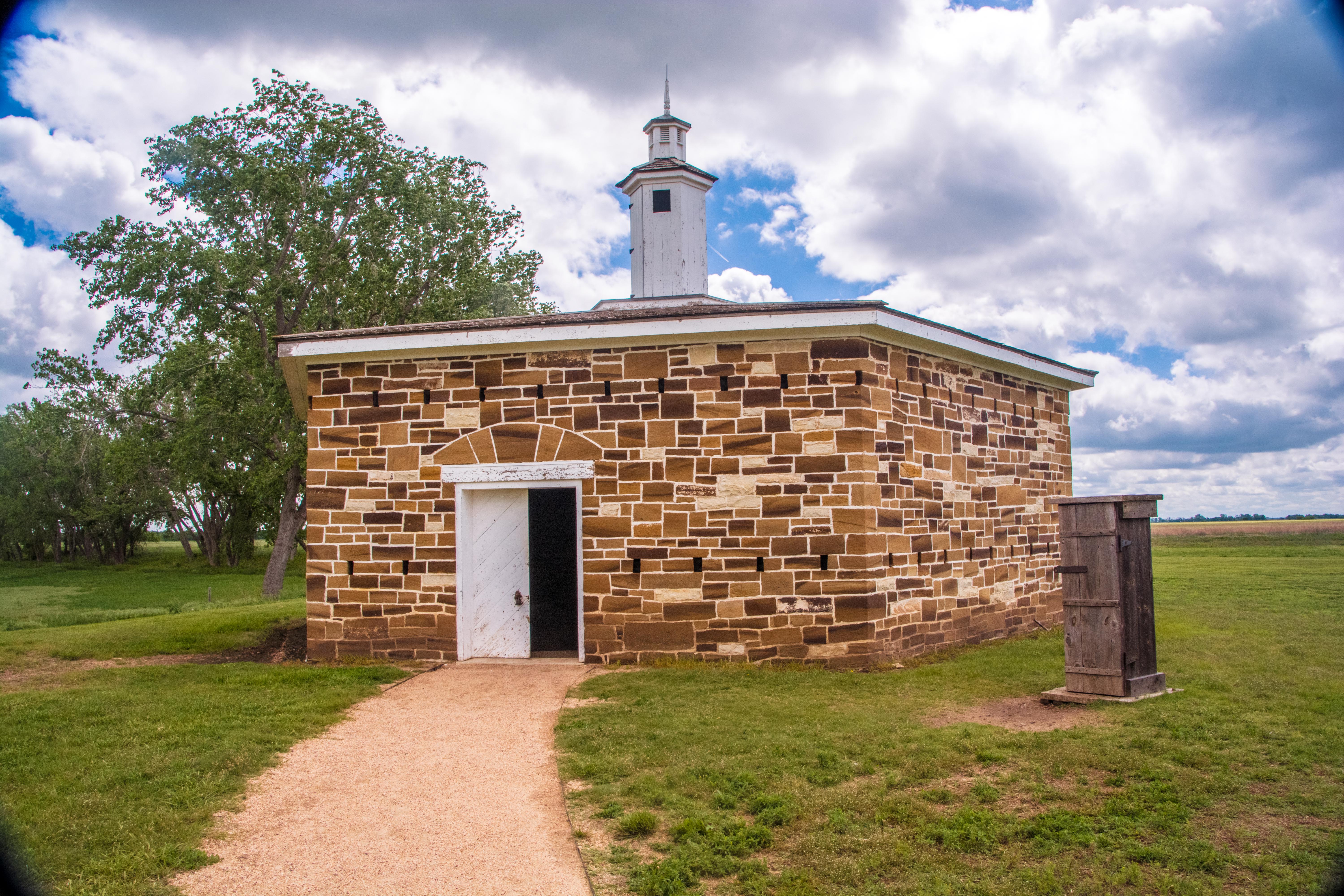
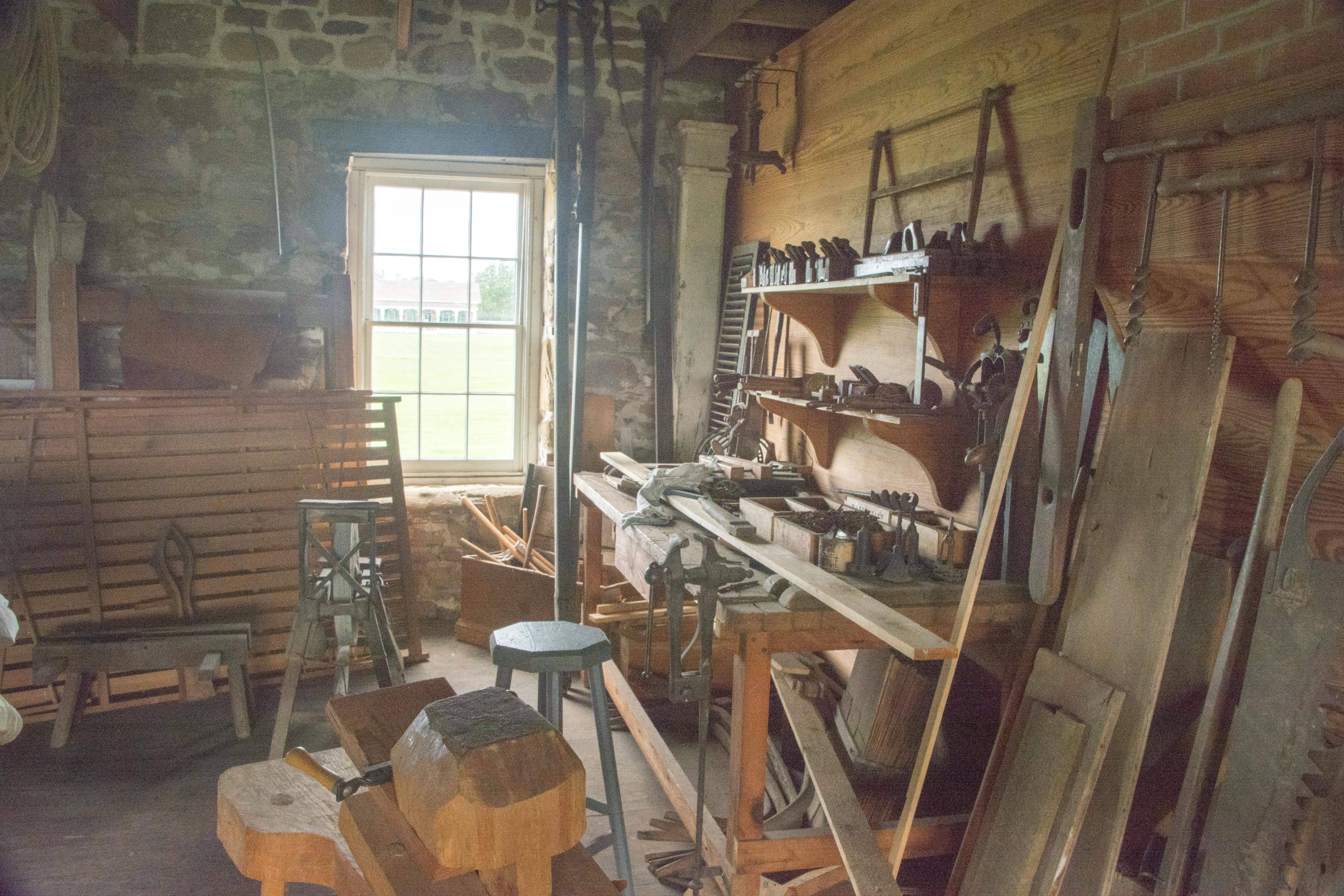
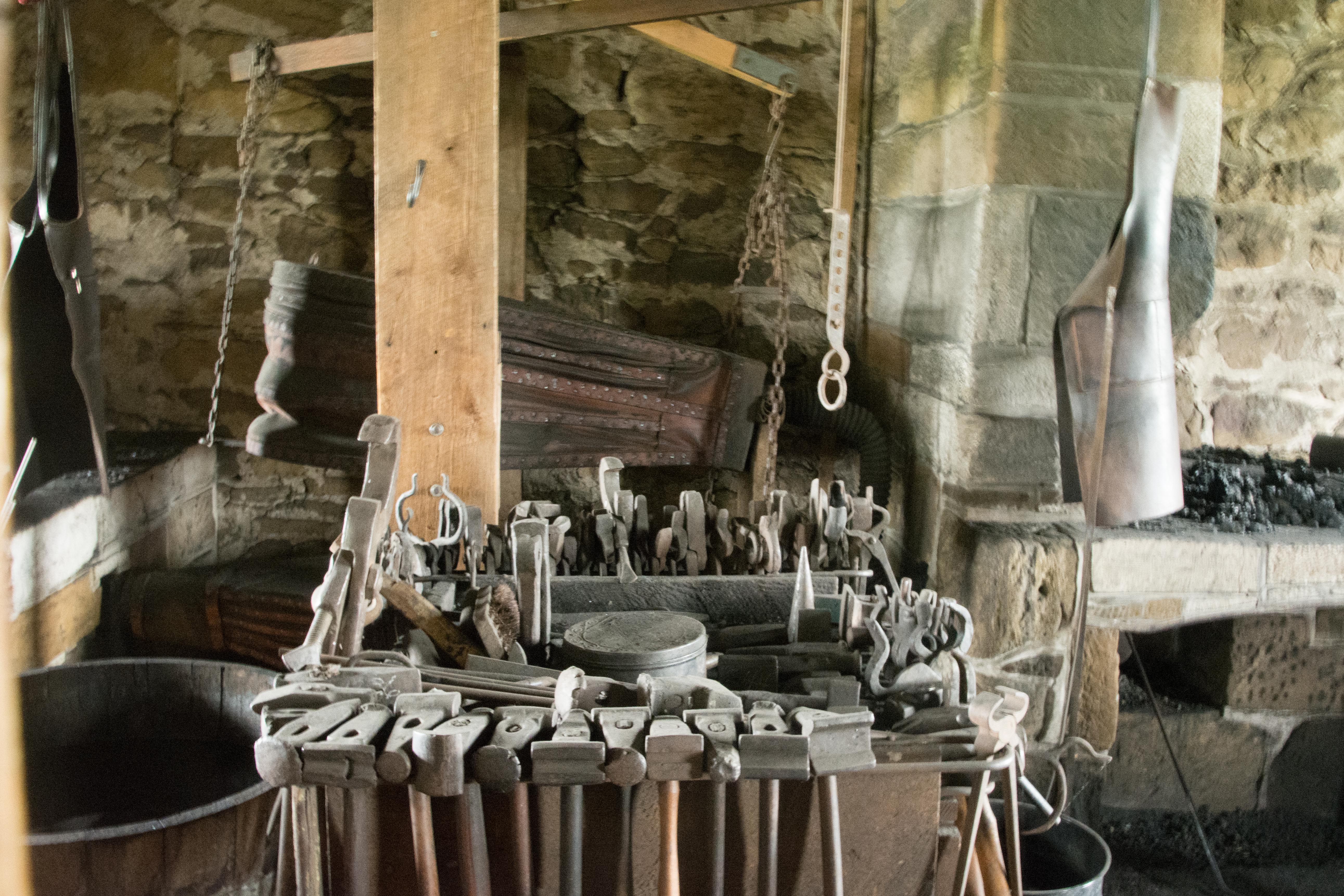
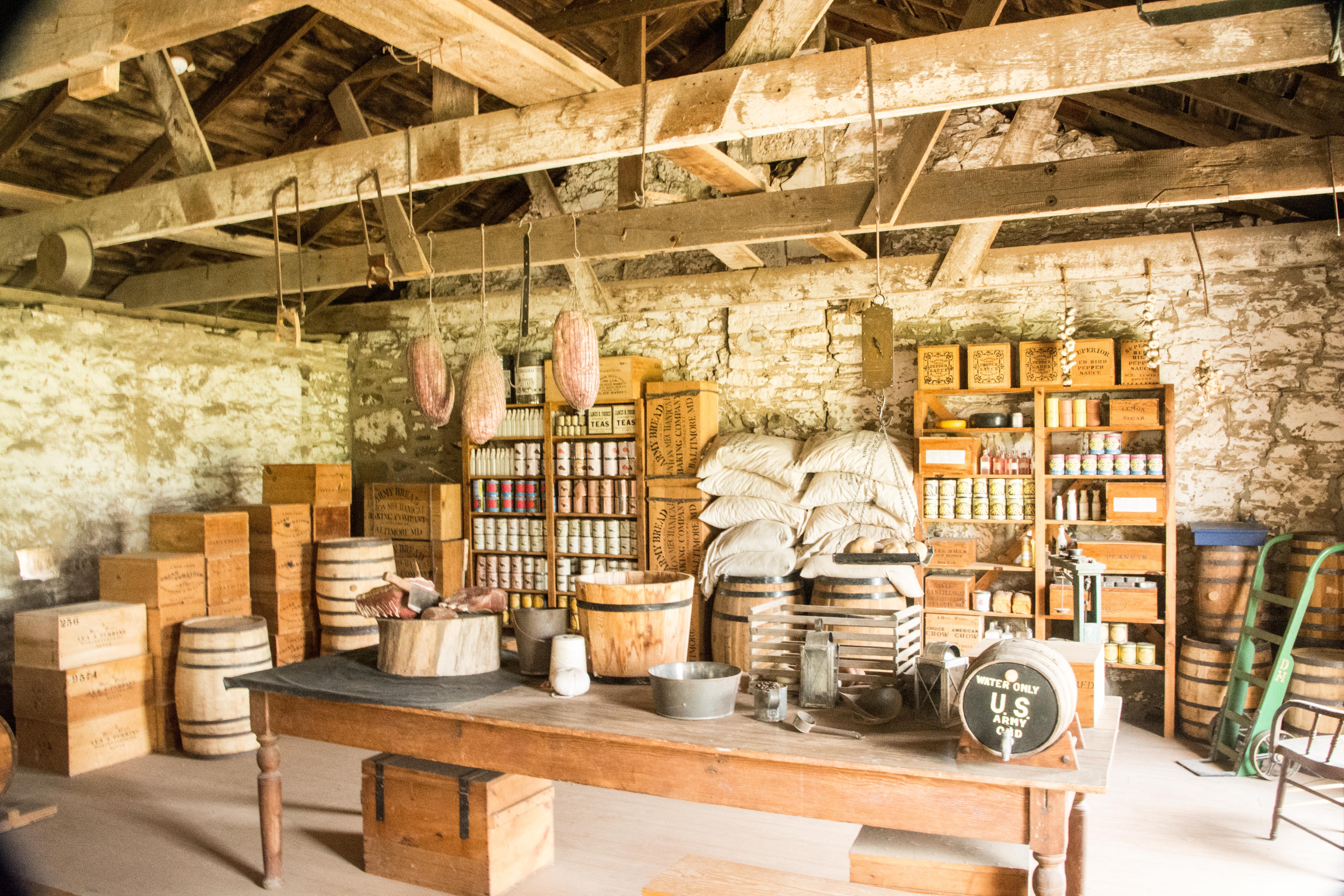
The side of the square that backed up to the wash housed the workshops for woodworking, metalworking, as well as the bakery. Outside the square, beyond the corner made by the blacksmith’s shop and the supply storage side of the square is an octagonal building or blockhouse, displayed as a jailhouse. May 2015-9457 May 2015-9464This room had been a lookout originally, as it faced the only side of the fort which was open to surprise attack.  The administration building is now where the visitor center is, starting in the corner closest to the officers’ quarters. May 2015-9486On that side below the visitors’ center and the enlisted men’s quarters is the hospital. I suspect the stables for the horses to be opposite the hospital, along the supply storage side of the square. The central square itself is grass-covered, with a flag pole in the center.

Gwen and I toured the place. Each building had displays of furniture and paraphernalia related to its use along with notes talking about interesting aspects. May 2015-9468 May 2015-9469The fort was built originally in 1859 (although originally some little distance away, and made out of sod). It was finally abandoned in 1878, as they say, the victim of its own success. During that time, the pony express was established and died, as telegraphy replaced mail for communication. During that time, the Santa Fe Trail May 2015-9496wagon trains were replaced by the metal trains of the Atchison, Topeka and Santa Fe railroad. During that time, the plains Indians of several tribes were corralled and established on reservations thus eliminating the need to reach out and find the plains Indians to establish treaties, or to try to maintain existing treaties.

In the early 1860s the buildings were built out of sandstone in their current locations. The Calvary and foot soldiers made up the primary military presence, and they came and went with the requirement of the challenges undertaken. Officers came and went as well. Over the period, they indicated that 238 officers were assigned to the fort, approximating 10 new ones each month. This level of turnover kept the whole place in a constant upheaval in leadership. An interesting aspect of the groups assigned to Ft Larned were the buffalo soldiers corps, who spent a lot of time here. One theory about how they got their name was the similarity of their hair to the hair of the buffalos, but the respect earned by the organization by its hard work and excellent service record may also have been another source.

May 2015-9502We spend about an hour walking around and finding out as much as we could, and then we go on our way. The rest of the trip is long and boring, but not too difficult until we get into Kansas City. Our planning was not really that good in this instance – getting to a large city at rush hour on a Friday evening was not a good idea. However, we get to our hotel at dinner time, and after getting settled, walk next door to the Rib Cage, a restaurant specializing in various ways of preparing and serving ribs. Surprisingly (to us), they were not broad on their wine offerings, with only one red, and just two whites available. We get a glass each, and accept the shortcomings as part of the sacrifice for enjoying the meat. After dinner, we go back to the hotel for a restful evening.

Leave a comment

Filed under Blog

Palm Springs, CA to Clarkston, MI, Day 8-9 May 13-14

May 13

Today is to be a quieter day. After breakfast at the Bent St Café and Deli, we get in the car and go to the Taos Pueblo. This is the site of the “Red Elk” tribe (or so we were told by our guide (Louis)). The central place of gathering is the church, which we found out was located and built in its current location in 1850. Our guide (Louis) then led us to the cemetery, where the original church had been located. In 1847, after Governor Bent had been assassinated, the US cavalry came to the Pueblo seeking those who did the assassination.  Finding the only people there to be hiding in the church behind blockaded walls, they used their cannon to try to break the blockage.   When that failed, they used the cannon to lob shells over the walls and into the building inside.  The Indian men, women and children having been warned of the soldiers approach, had for the most part taken off to the mountains nearby and were hiding amongst the rocks.  Those who couldn’t make it that far had hidden in the church (old folks and young children), so they were the ones that were killed by the bombardment. The only thing left now on the site is the bell tower with the original bell as provided by the Spaniards and the cemetery with its many headstones.  I have no pictures, as the Pueblo doesn’t allow cameras on site.

Louis takes us to a central area near the river that divides the Pueblo camp. On each side of the river there is a main building, having been built between 1000 AD and 1400 AD. These buildings are five stories high, looking like reddish brown stacked sugar cubes.  There are quite a few cubes across the front, each with a door and a ladder, as well as the occasional window.  The cubic rooms built one on top of another but offset.  Louis tells us that the doors originally were in the roofs, as that way at the hint of any danger, the families would climb to the roof pulling the ladder up after them. The men would then use the ladder to lower the families into the rooms and establish such defensive positions as they could.  This was mainly to preserve themselves from raiding parties of other Indians (Utes, Navajo, Arapaho, Cherokee, Comanche, etc.).

These blockhouses are the characteristic pueblo buildings familiar from many pictures and drawings. We soon finish the tour and find our way over to one of the houses that is indicated as open for visitors. This, not too surprisingly, houses a shop with a variety of indian-related wares for sale. We buy a piece of very pretty pottery to take with us to Michigan, and eventually back to PS.

From the pueblo, we continue on to the Millicent Rogers Museum. This is a building on the northern outskirts of Taos, where Millicent Rogers retreated after her break-up with Clark Gable. Now, before I got to this museum, I didn’t have a clue as to who this person was or why she would have a museum named after her.  I find out she was the granddaughter of one of the group of men who formed Standard Oil in the late 1800s (Henry Huttleston Rogers), and because of that, she did not lack money. She was married three times, and had three sons, one by her first husband, and two by her second husband.  She had no children with her third husband.  Clark Gable (not a husband, but rumored along with several others to be a lover) introduced her to Taos, and she never really left there. She lived from 1902 until 1953. The museum houses several excellent exhibits reflecting her varied interests.  She was a fashion icon, and there are exhibits containing some of her large collection of silver and turquoise jewelry.  She designed a lot of it herself, and her wearing of it did a lot to bring such art to national and international attention.  There are several exhibits related to her enduring interest in Native American Civil Rights. Exhibits in several rooms tell the story of Indian blankets and pottery. Then there is a room devoted to three Native American artists whose work depicted the pueblo life they knew.  There are rooms displaying maps of what is now New Mexico, woodwork, leatherwork, weaving, and more modern artisan work. The work is displayed with a lot of information on where it came from, and how it was created, making the museum educational as well as beautiful to view.

After that, we go in search of lunch, heading toward the Guadalajara Grill, a local spot known for good Mexican food (as recommended by Steve Bundy). The food is indeed good, and we enjoy it. After that, however, we go back to the room and enjoy a quiet afternoon and evening.

Tomorrow, its on to Kansas!

May 14

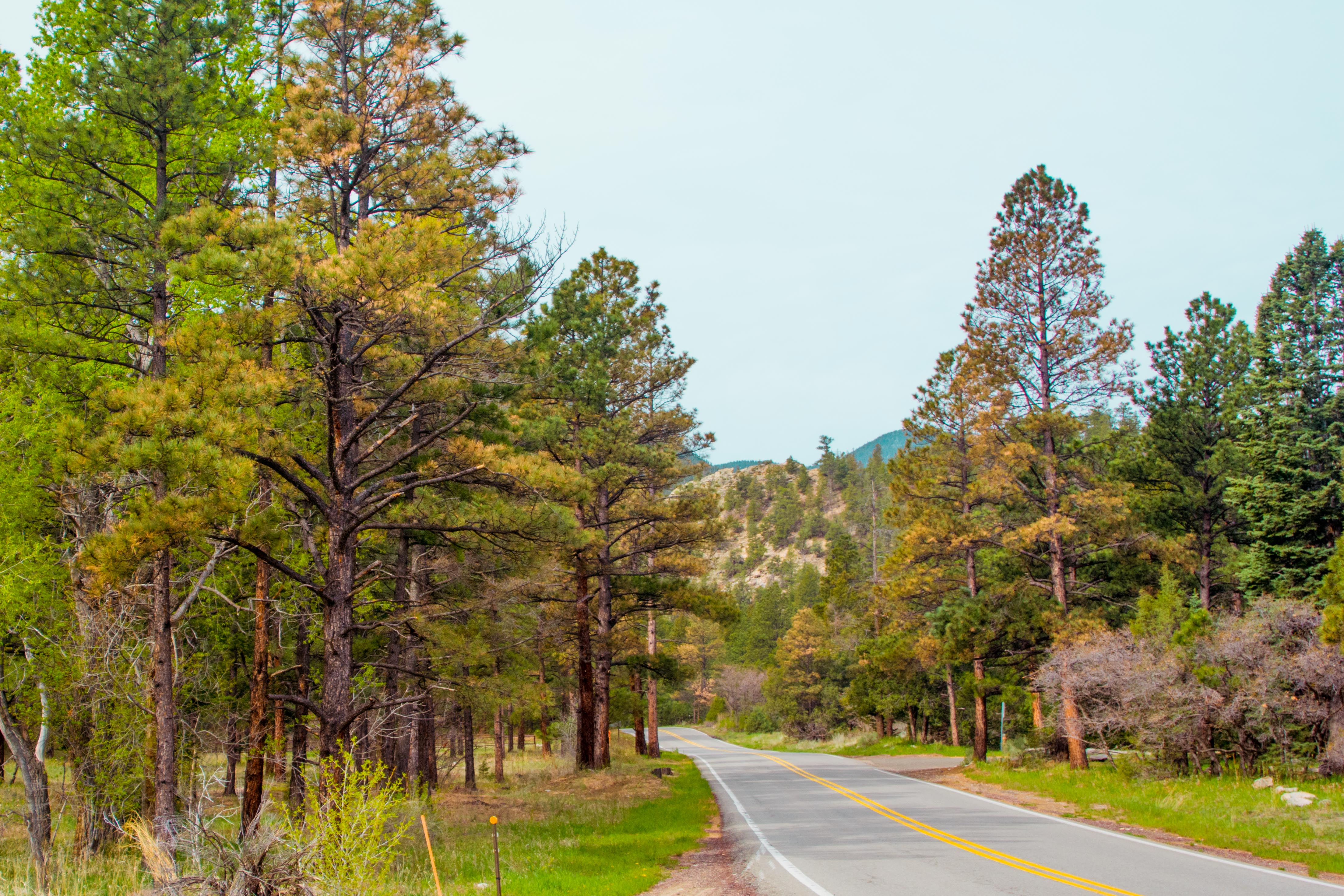
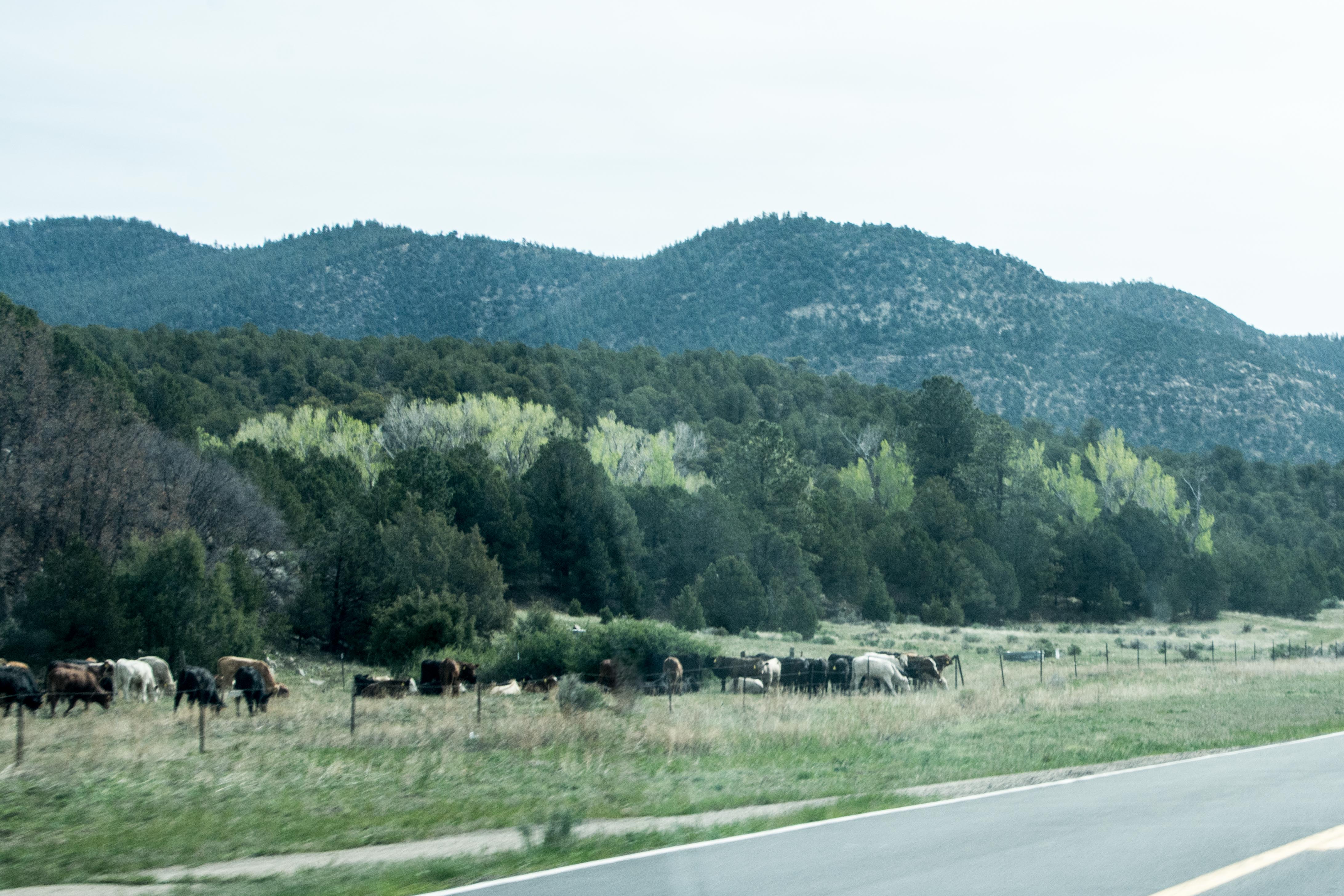
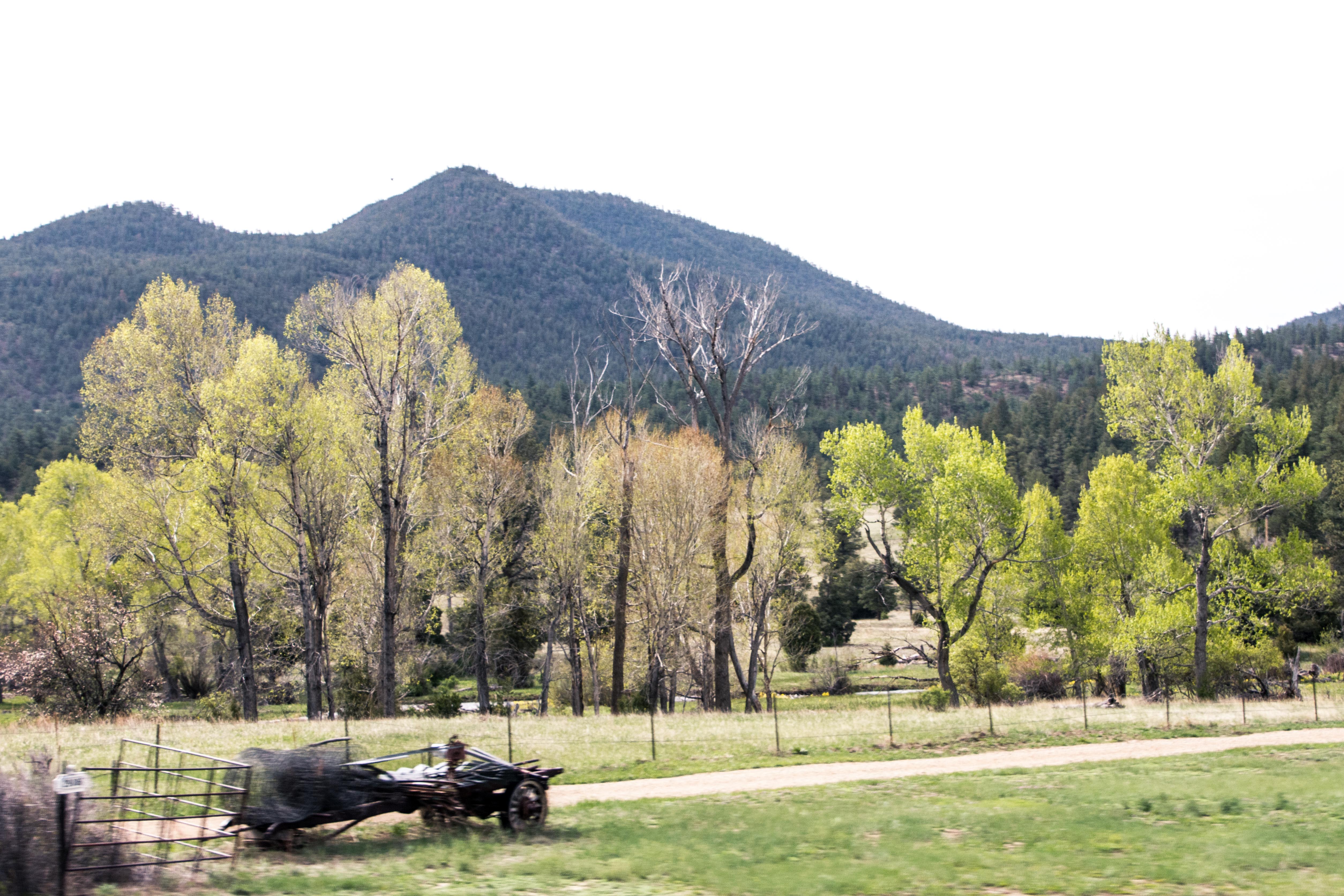
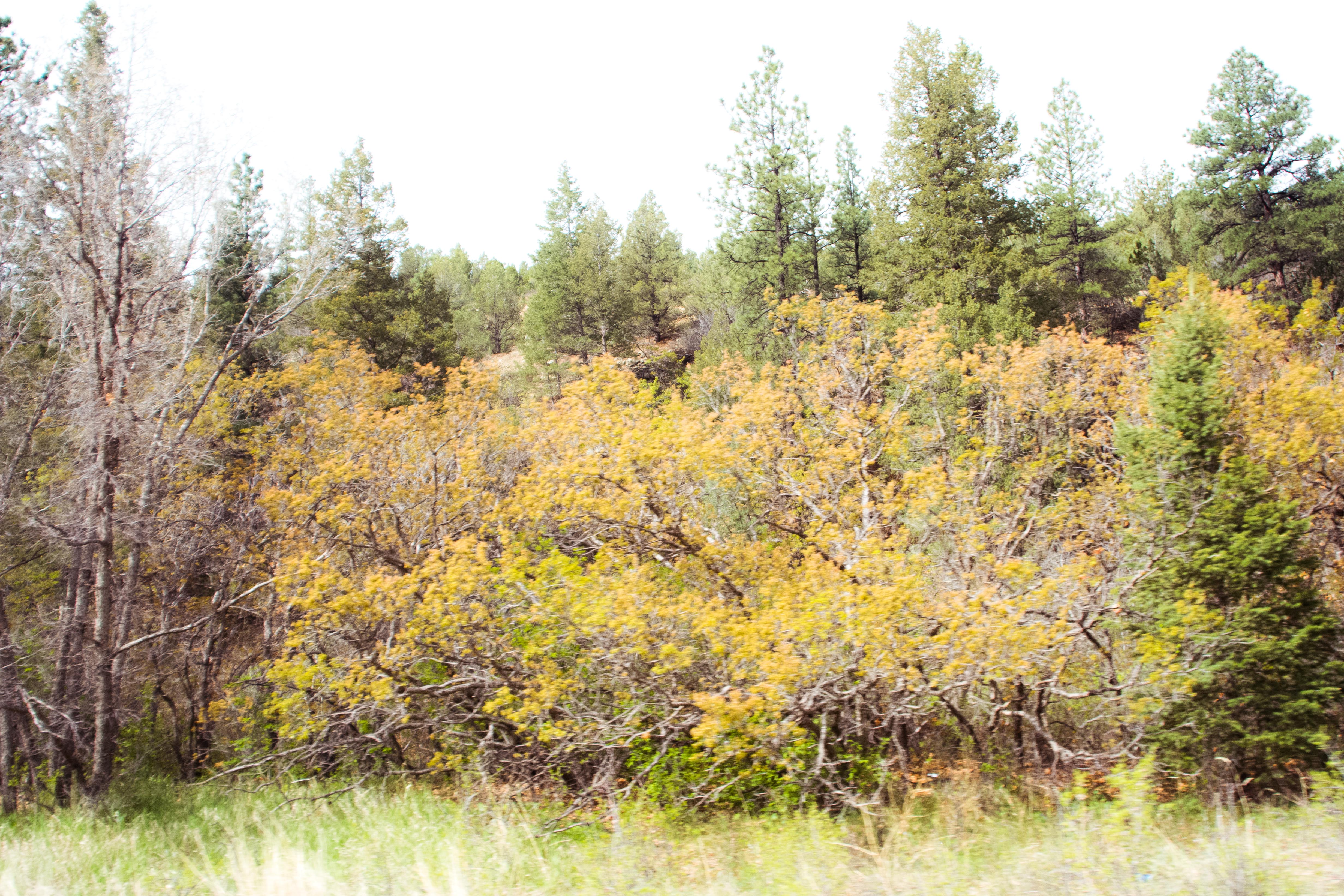
Well, today is a driving day. We get out of Taos by about 8:00 am, and finally get breakfast in a small restaurant in Eagle Nest, about 45 minutes into the drive. May 2015-9291 May 2015-9301 May 2015-9308 This place is higher up in the mountains, and from the signs was more heavily populated during the skiing season.  We’re driving across higher elevations, and it is spring, so there are many areas where the trees are getting their summer leaves and needles.  May 2015-9331 May 2015-9343The colors are surprisingly varied, as I usually associate this time of year with dark greens.

We keep going, and finally get to Dodge City, Kansas around 4:00 pm. Gwen finds the Boot Hill Museum and Front Street and is interested in seeing it today before it closes, so we quickly make our way there. It turns out to be exactly as advertised: the original cemetery location, and the high street of the old Dodge City recreated just as it was depicted in pictures of the town in the 1870s.

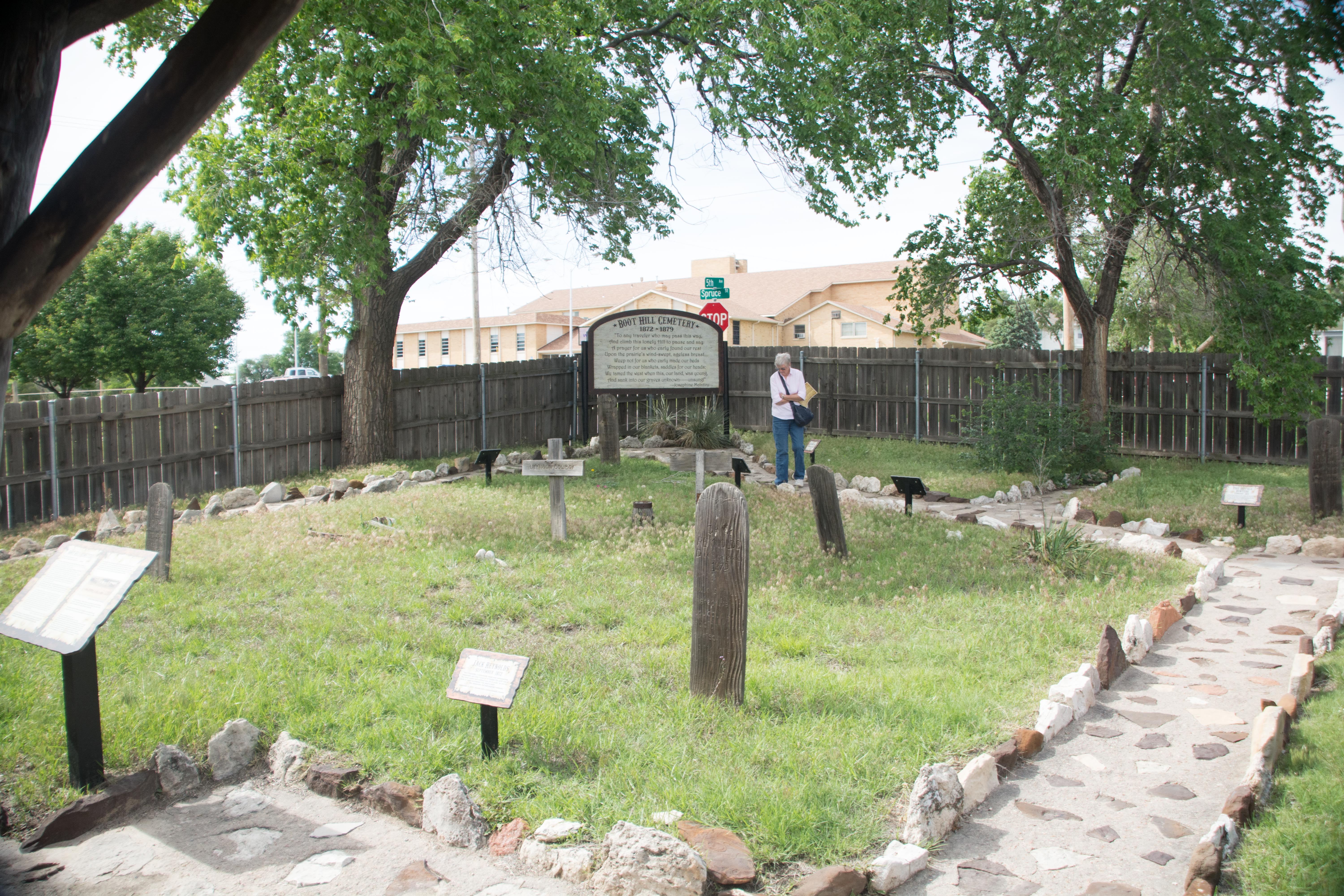
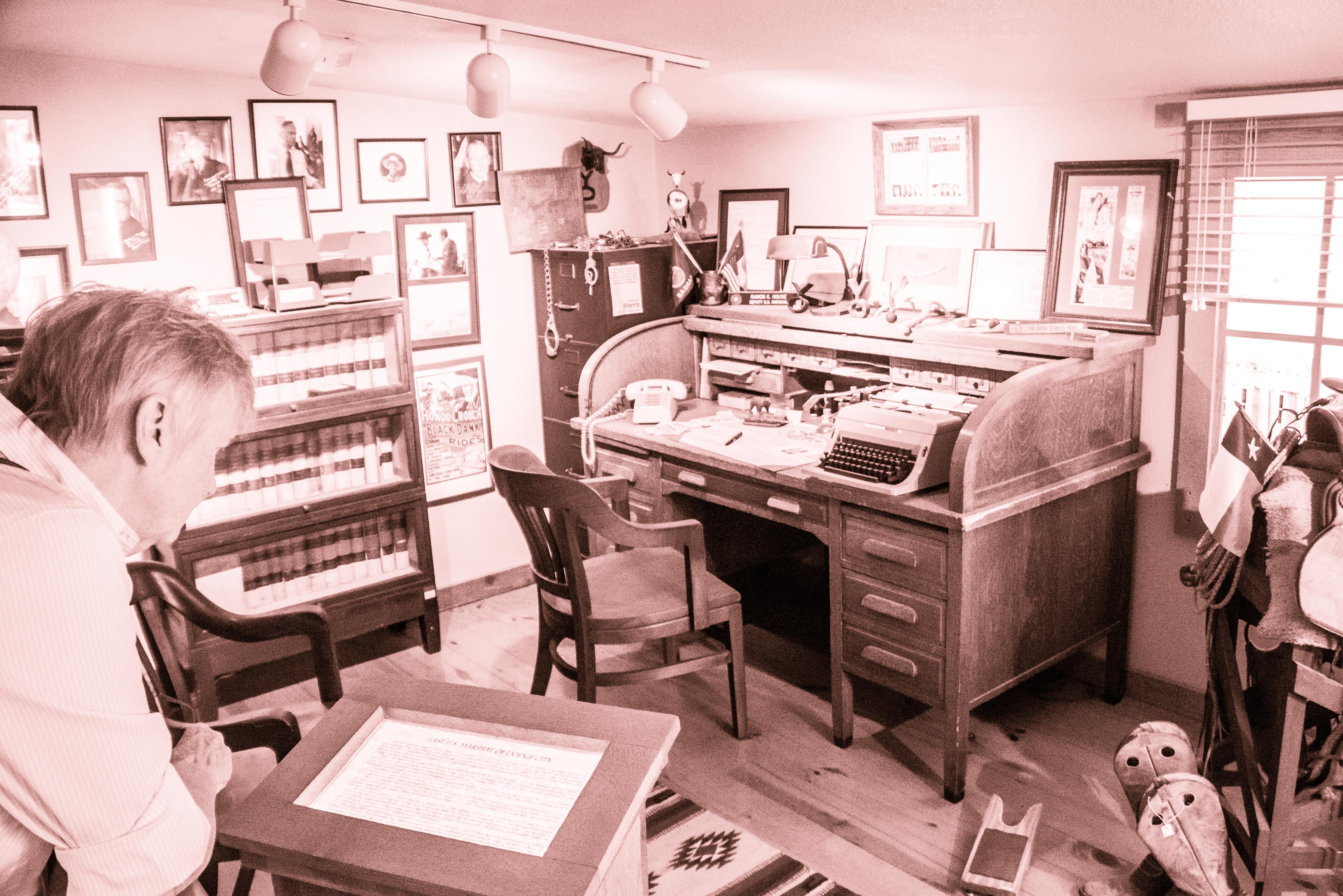
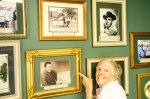
We go to the cemetery first, and learn about the people buried there.  May 2015-9374 May 2015-9377According to the signs, the first person buried there (in September 1872) was Jack Reynolds, shot six times by a track layer.  The last person buried there is Alice Chambers, buried May 5, 1878 (cause of death not mentioned).  May 2015-9360Also on display in the building on the site is the office of the last U.S. Marshall of Dodge City, Kenneth Ramon House, who died in September 1998.  Gwen found a picture of James Arness, Marshall Dillon of “Gunsmoke” fame.
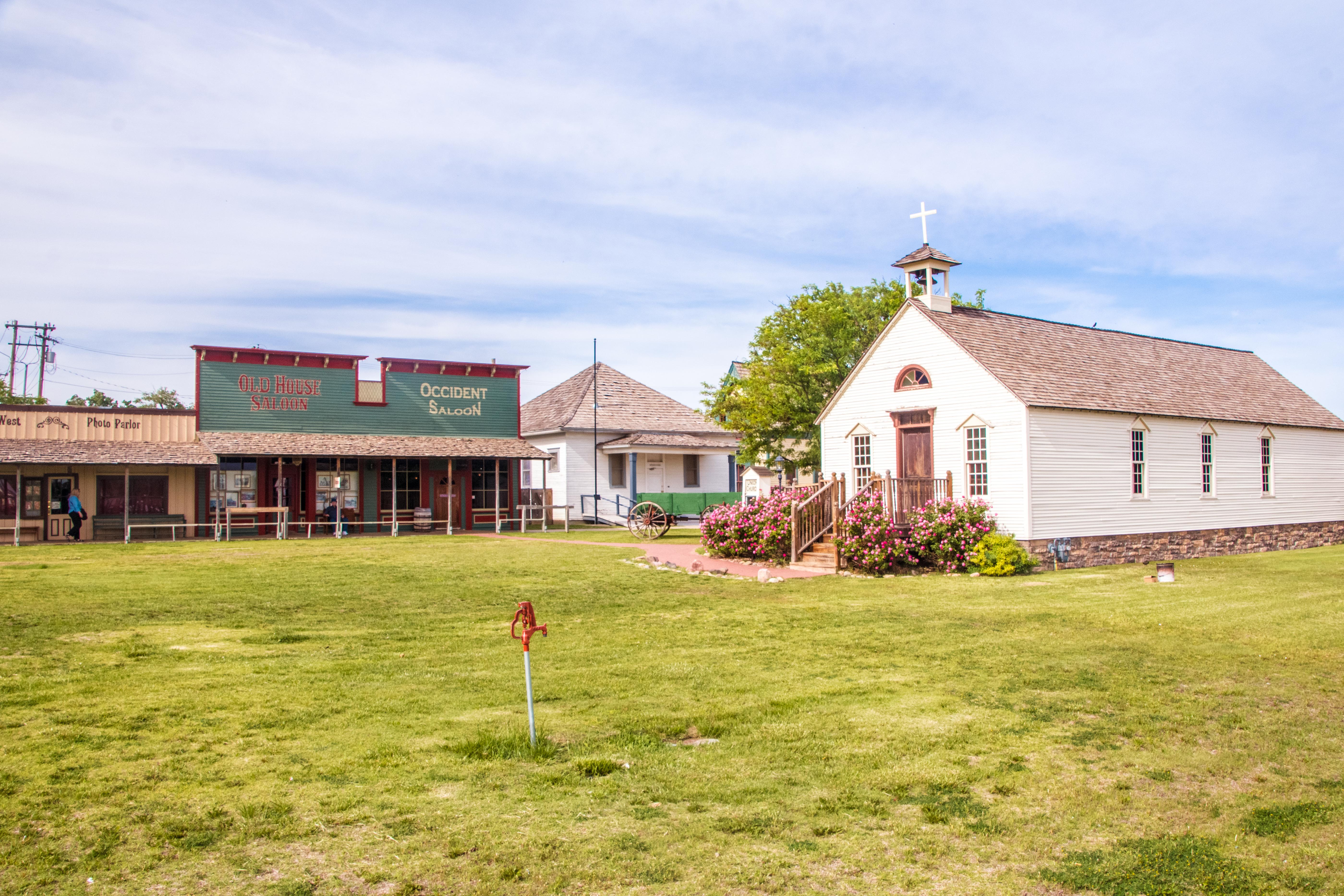
Down from Boot Hill is Front Street, constructed to replicate the pictures of the town in the 1870’s.

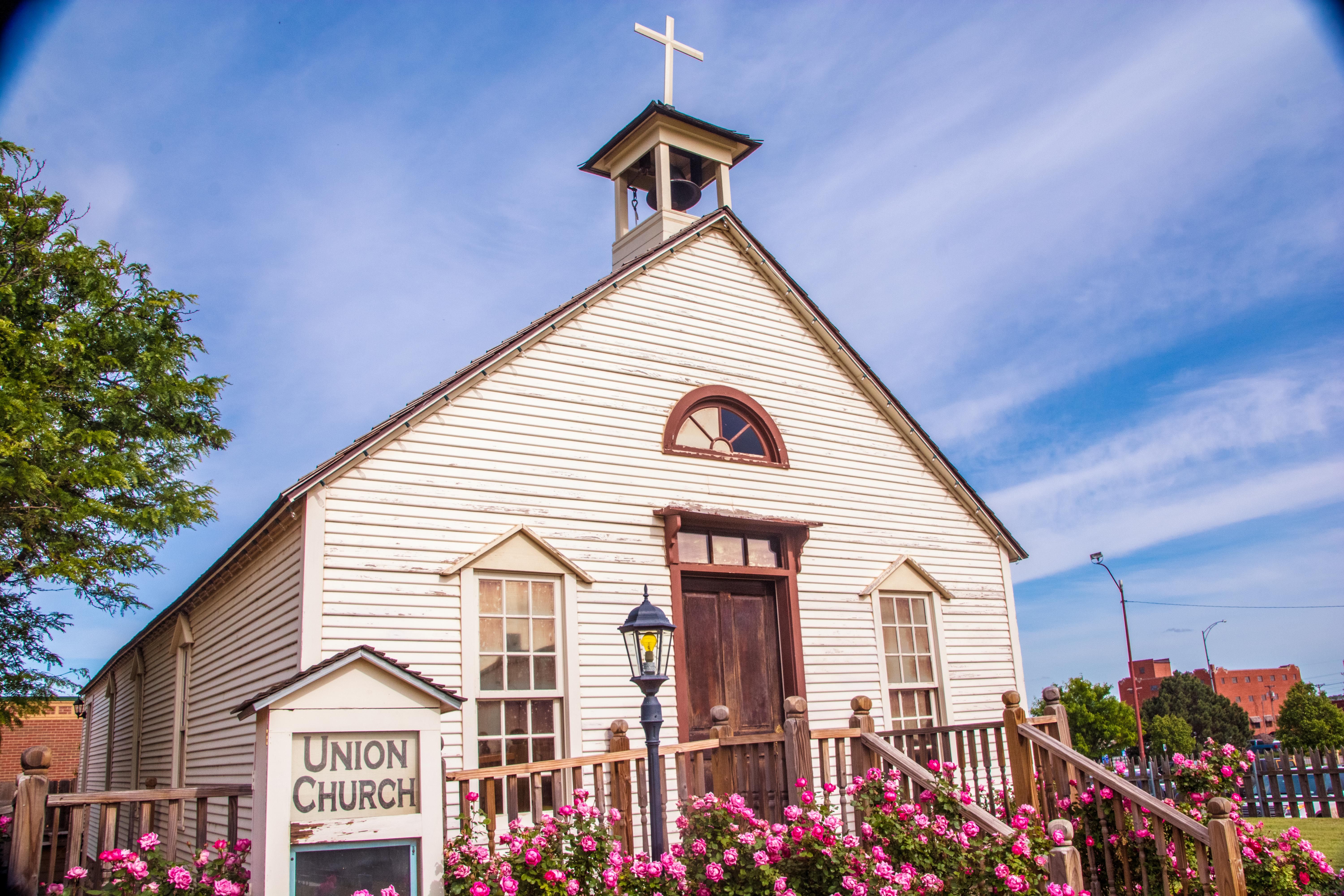
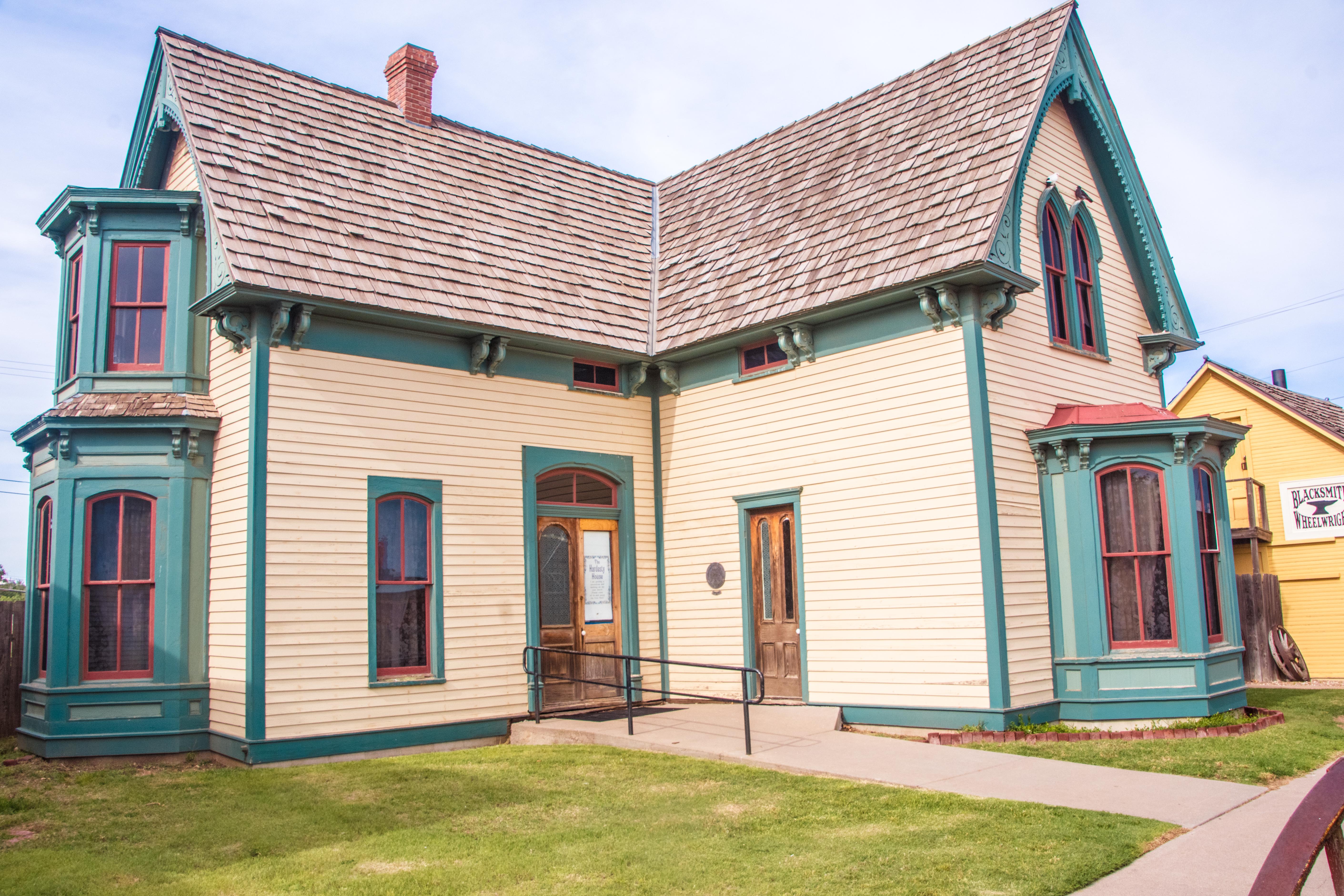
May 2015-9391 May 2015-9395Inside each store front are exhibits related to the original store that stood there, and in some (like the saloon, which starts off the street), related products are for sale. So we walk down through the stores and learn as much as we can in the short time we have. May 2015-9413 May 2015-9418Toward the other end of the street, there is a church, a house of the period, and then a blacksmith shop. The most interesting is the house – with history of a family named Hardesty who lived there. In early 1900s, the Hardesty daughter married Fred Harvey who owned and ran the Dodge City hotel and restaurant in the train station. May 2015-9420 May 2015-9422 May 2015-9424The house is full of period furniture, including two pianos and an organ.

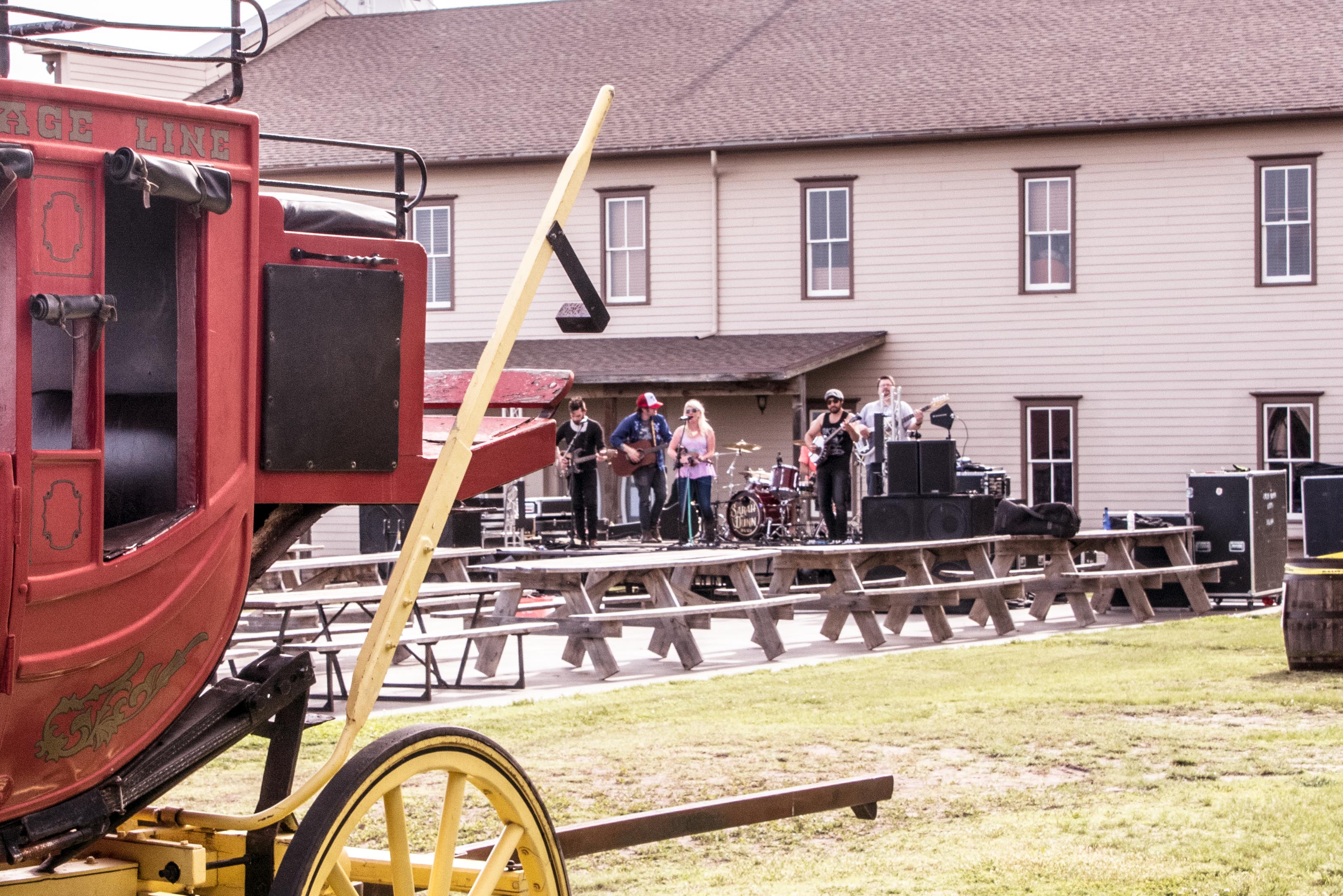
We discover that the grassy area in front of “Front Street” is to be the site of a free concert tonight given by a band based around a singer named Sarah Dunn. While we were first walking on the boardwalk that lined Front Street, we were greeted by a very friendly puppy who desperately wanted to be petted. May 2015-9426 May 2015-9430He was shortly joined by a young woman who apologized for the dog’s interest. It turns out that woman is the singer Sarah, only we don’t find this out until we see the band rehearsing as we are leaving. She is very good, both singing and playing the violin with a group of five other musicians. We decide not to stay for the country music concert, though it probably would have been fun!

Tomorrow we leave early to get to Ft Larned, and ultimately to Independence, Missouri.

Leave a comment

Filed under Blog